For decades, the American winter vacation was defined by a binary choice: you either strapped on a pair of skis or you stayed home. But the travel landscape of 2026 tells a different story. Recent market analysis reveals that approximately 45% of visitors to premier US mountain resorts now identify as "lifestyle travelers"—individuals who prioritize wellness, high-end dining, and cultural immersion over vertical drops and black-diamond runs.
Whether you are chasing the "apres-ski" aesthetic without the actual skiing or looking to escape the frost entirely for a tropical thaw, the options for non-skiers have never been more sophisticated. From the historic, snow-dusted streets of Aspen to the sun-drenched mangroves of Key West, winter in the United States is no longer just for the powder-obsessed. It is a season for gallery hopping, hot spring soaking, and culinary exploration.
The Snow-Lover’s Non-Skiing Paradise
For many, winter isn't winter without a blanket of white. The good news is that the best US ski towns for non-skiers have diversified their offerings, investing heavily in off-mountain infrastructure. In fact, non-skiing activities such as alpine coasters and snow tubing have seen a 30% increase in revenue across major Colorado and Utah resorts over the last three winter seasons, signaling a permanent shift in how we spend our coldest months.
1. Aspen, Colorado: The Art & Culinary Hub
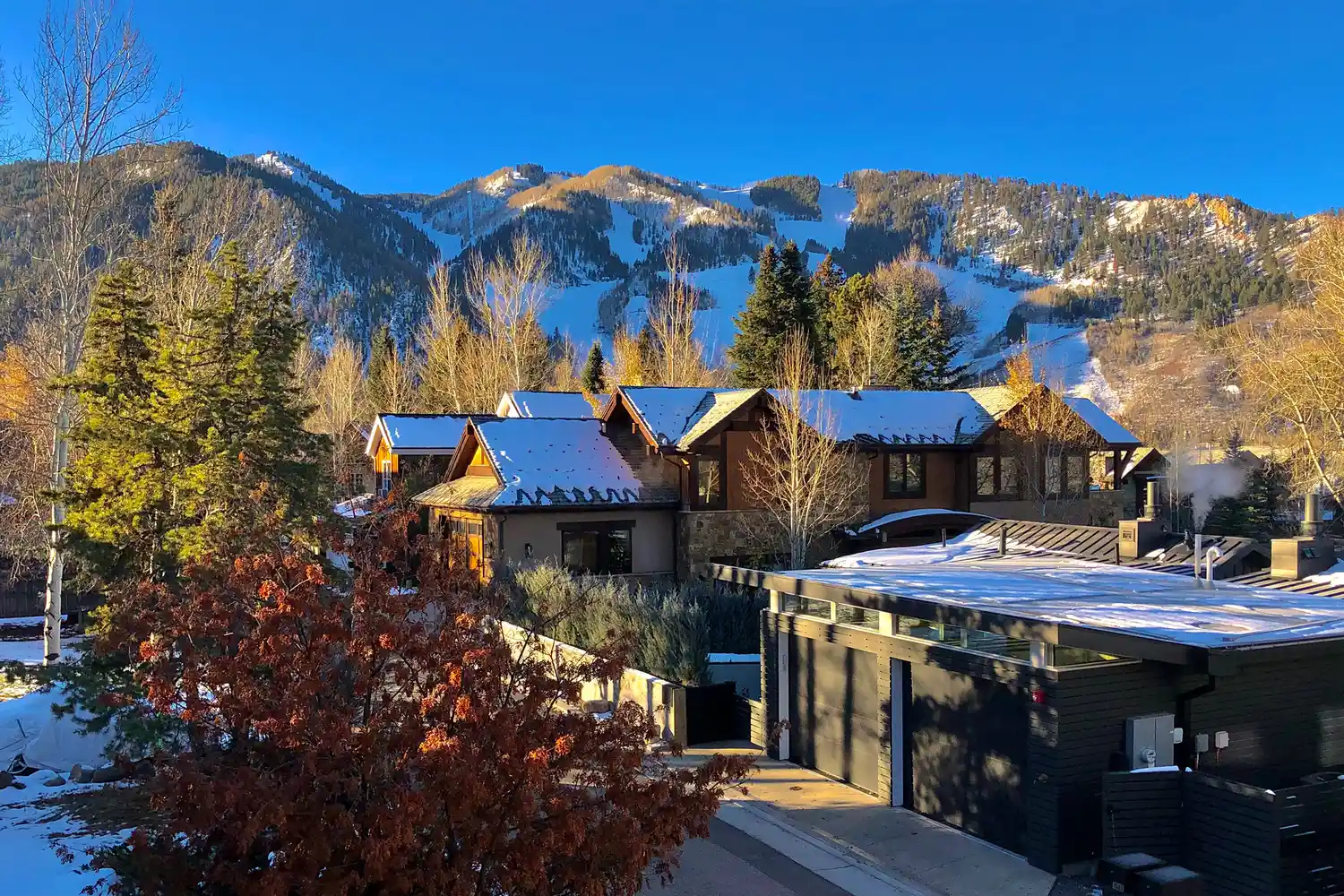
Aspen remains the gold standard for "lifestyle" winter travel. While the world-class slopes of Ajax and Snowmass are legendary, the town itself operates as a high-altitude cultural capital. The Aspen Art Museum, housed in a striking Shigeru Ban-designed building, offers free admission and rotating exhibitions that rival those in New York or London.
For those who want the mountain views without the physical exertion, the experience starts at The Meadows. Here, snow-tubing lanes and the "Breathtaker" Alpine Coaster provide gravity-fed thrills that don't require a lift pass. However, the quintessential Aspen non-skiing experience is a horse-drawn sleigh ride to the Pine Creek Cookhouse. Located at the base of the Elk Mountains, this log-cabin restaurant serves legendary alpine cuisine in a setting that feels like a living postcard.
Non-Skiing Highlights:
- Apres-Ski Culture: Visit the J-Bar at the Hotel Jerome for a "Aspen Crud" (a bourbon-spiked milkshake) and historic atmosphere.
- Snowshoe Tours: Join a naturalist from the Aspen Center for Environmental Studies for a guided walk through the silence of the spruce forests.
- Luxury Spa Days: The Remède Spa at St. Regis is a sanctuary of oxygen lounge relaxation and cold plunges.
2. Park City, Utah: Shopping & Sundance Vibes
Once a silver mining town, Park City has preserved its 19th-century charm better than almost any other mountain destination. Its Historic Main Street is a vibrant artery of over 100 independent boutiques, world-class galleries, and award-winning restaurants. Walking these wooden boardwalks as the snow falls is a romantic experience that requires no athletic ability.
For a dose of adrenaline, head to Woodward Park City, which features Utah’s longest tubing lanes. If you prefer a slower pace, the scenic gondola rides at Park City Mountain Resort allow you to reach the summits for panoramic mountain photography and high-altitude dining without having to ski back down.
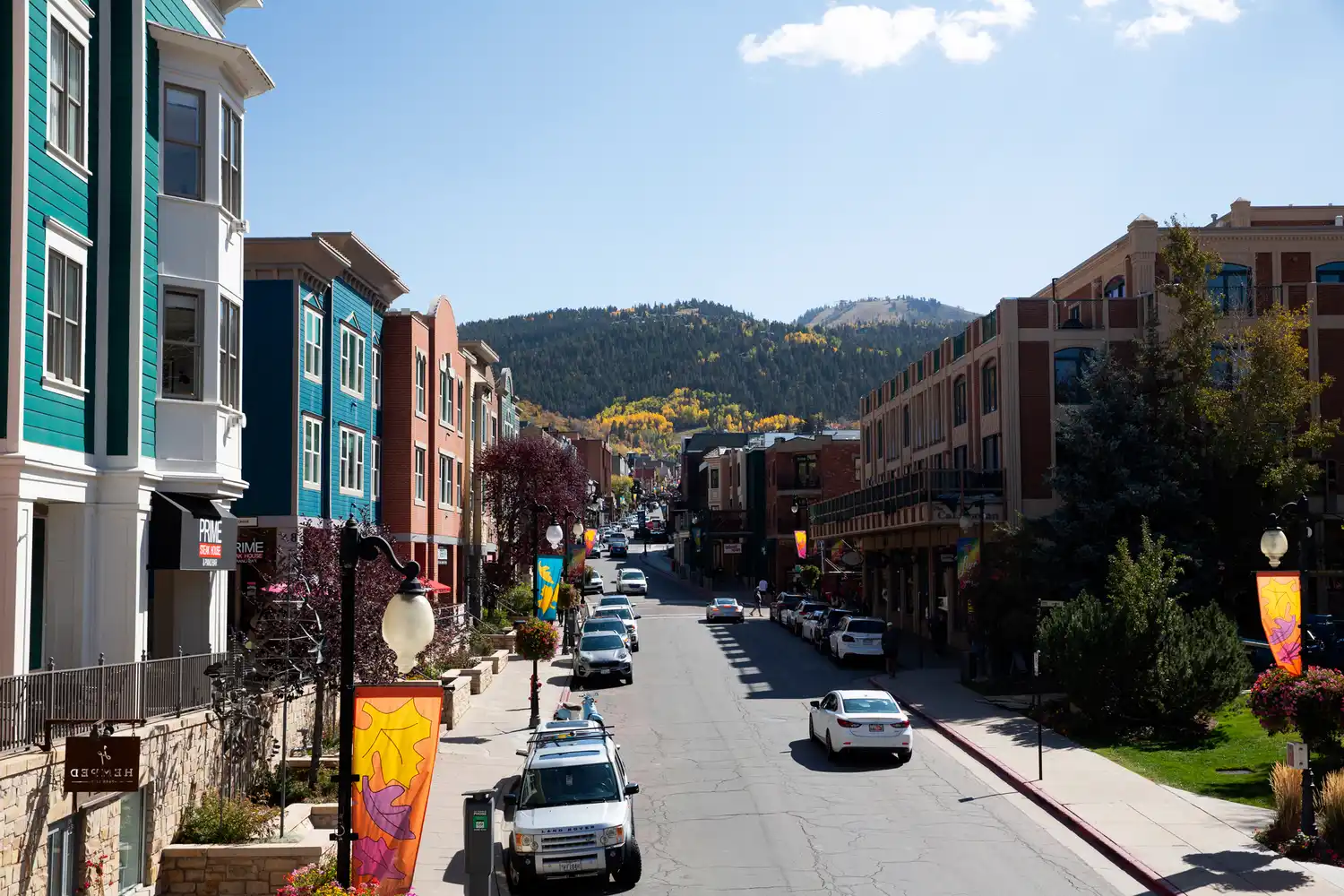
Pro-Tip: If you visit in late January, the Sundance Film Festival transforms the town into a global hub for cinema, though you’ll need to book your accommodations at least six months in advance to secure a spot during the festivities.
3. Jackson Hole, Wyoming: Wildlife & Wellness
Jackson Hole is often perceived as a "hardcore" ski destination, but it is equally a haven for wildlife enthusiasts and wellness seekers. The National Elk Refuge sits right on the edge of town; a winter horse-drawn sleigh ride through the refuge allows you to get within feet of thousands of wintering elk, bison, and the occasional bald eagle.
If the Wyoming wind gets too biting, find refuge in the Granite Hot Springs. Tucked deep within the Bridger-Teton National Forest, these natural 104-degree pools offer a primitive yet luxurious soak surrounded by towering pines and snow-covered granite cliffs. Afterward, head to Bin22 in town for a sophisticated evening of wine tasting and small plates by a roaring fire.
4. Lake Placid, New York: Olympic History & Tobogganing
As a two-time host of the Winter Olympics, Lake Placid is built for winter spectators. The town centers around Mirror Lake, which becomes a hive of non-skiing activity once it freezes over. You can experience the legendary Lake Placid Toboggan Chute, where you slide down a 30-foot converted trestle onto the frozen lake surface, reaching impressive speeds.
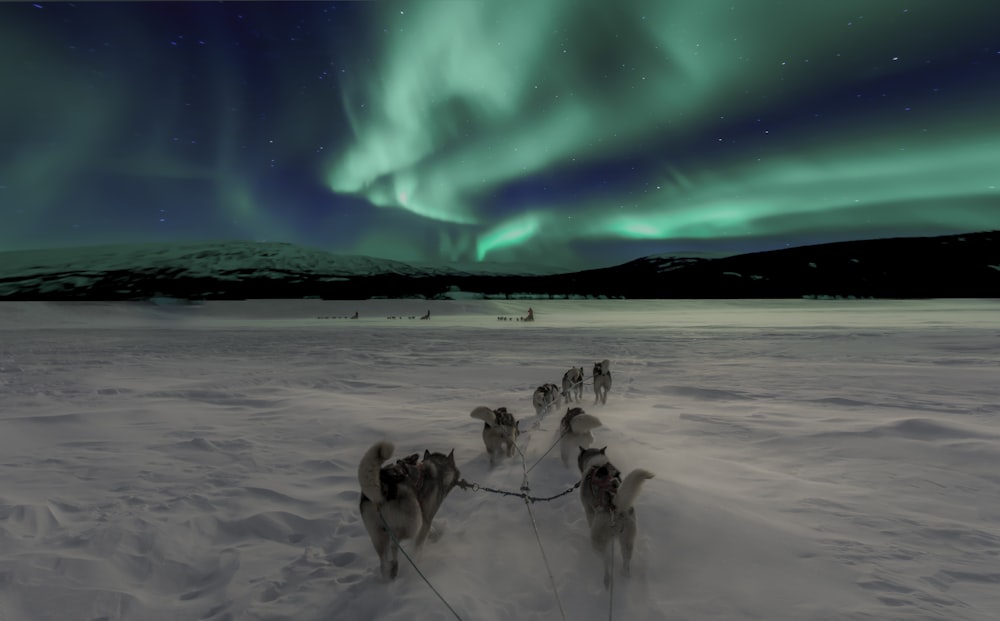
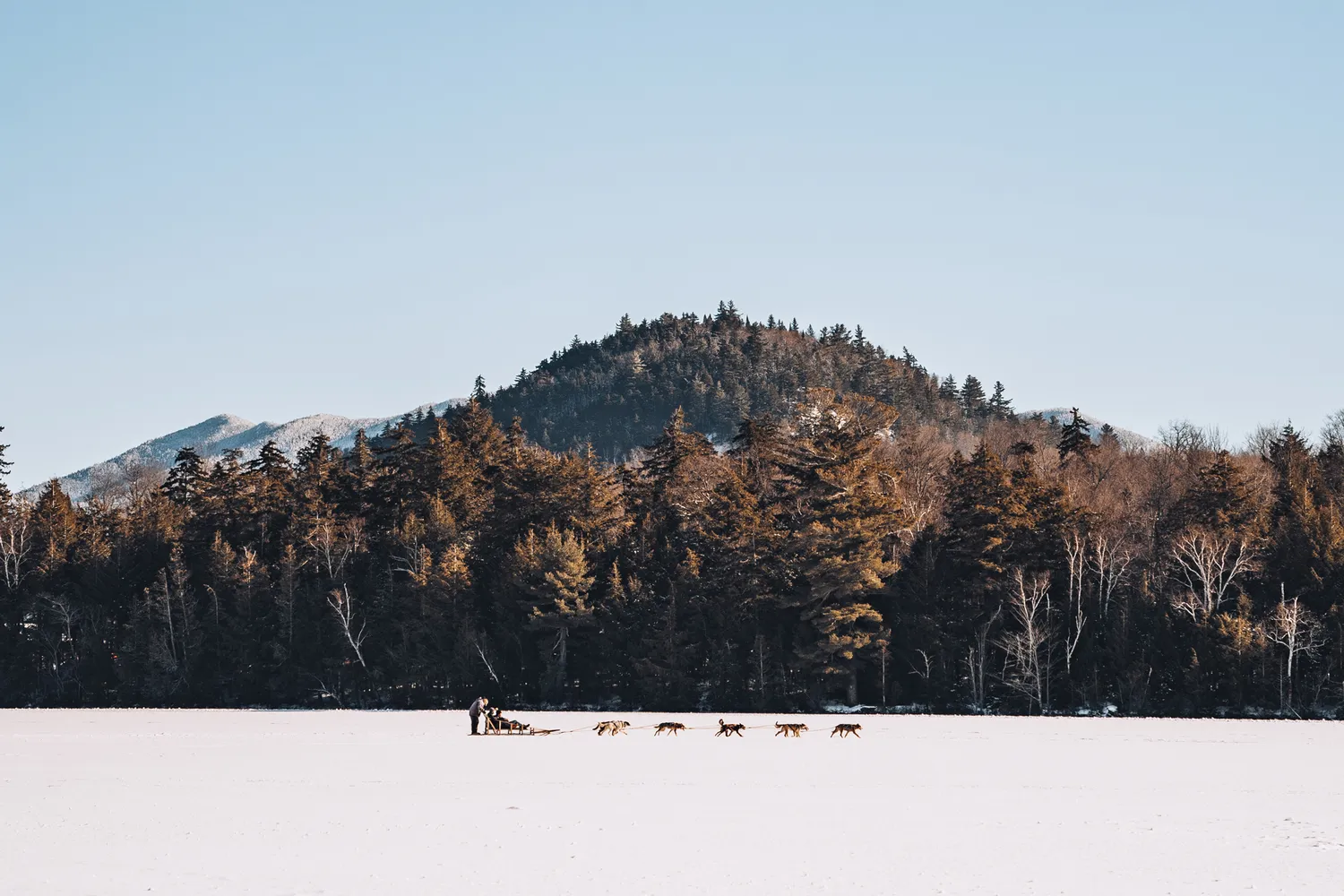
For a more tranquil afternoon, dog sled rides across the lake offer a unique perspective of the surrounding Adirondack peaks. Culture seekers can tour the Olympic Museum or enjoy the upscale rustic elegance of the Whiteface Lodge, which offers one of the best spa experiences in the Northeast.
5. Mammoth Lakes, California: Hot Springs & High Views
Mammoth Lakes is a geological marvel. While skiers tackle the massive Mammoth Mountain, non-skiers should head to the Panorama Gondola. It whisks you to the 11,053-foot summit, where the Eleven53 Interpretive Center offers exhibits on the region’s volcanic history and views that stretch as far as the white salt flats of Mono Lake.
The Eastern Sierra is also famous for its "wild" hot springs. Located in the Benton and Mammoth basins, these natural tubs (like Wild Willy’s or Hilltop) are free to the public and provide a rugged, authentic way to enjoy the winter landscape.
6. Breckenridge, Colorado: Victorian Charm & Sleigh Rides
Breckenridge is perhaps the most visually charming town in the Rockies. Its Main Street is lined with colorful Victorian buildings that house everything from artisanal candy shops to fine jewelry. A historical walking tour reveals the town’s rough-and-tumble gold rush past, which is far more interesting than many realize.
For a memorable sunset, drive up to Sapphire Point Overlook. It’s a short, flat walk that offers a staggering view of the Dillon Reservoir and the Tenmile Range, making it a favorite spot for photographers and those who want a "mountain moment" without the mountain climb.
Sun-Drenched Winter Getaways
If the thought of another snow shovel makes you shudder, the United States offers several sanctuaries where winter feels like a distant memory. For travelers avoiding snow, these destinations offer a "thaw" that recharges the spirit through coastal sunshine and mild desert air.
7. Key West, Florida: The Southernmost Escape
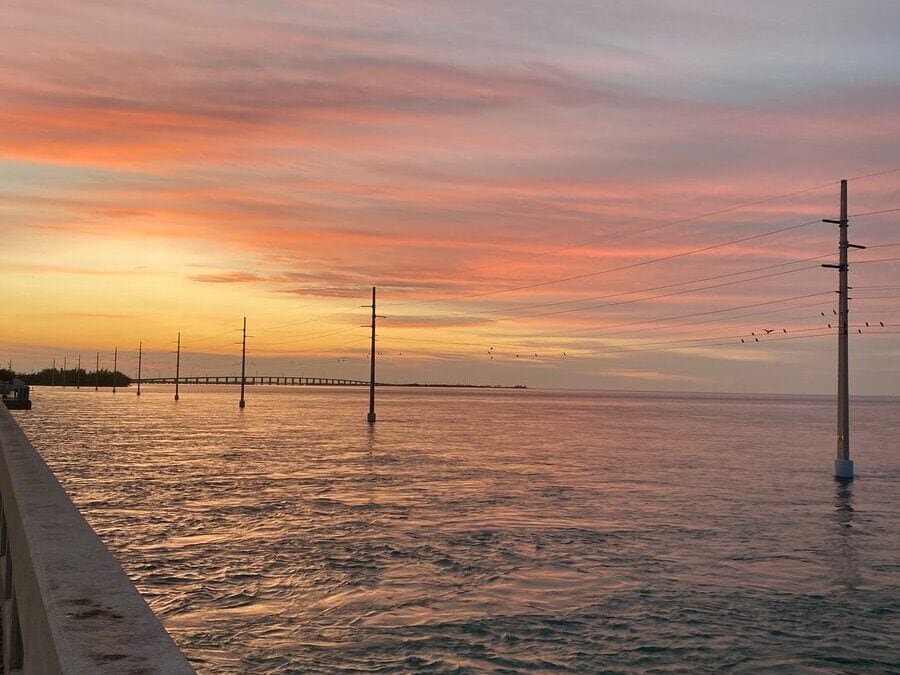
Key West is the ultimate antidote to the winter blues. In January and February, while the rest of the country is shivering, this island enjoys a tropical 75°F. The lifestyle here is dictated by the water and the sunset.
Every evening, travelers gather at Mallory Square for the Sunset Celebration—a carnival-like atmosphere of street performers and local artisans. During the day, you can kayak through the quiet mangrove tunnels of the backcountry or explore the lush, cat-filled grounds of the Ernest Hemingway Home and Museum. It is a place where "winter" is just a word on the calendar.
8. San Diego, California: Coastal Sunshine
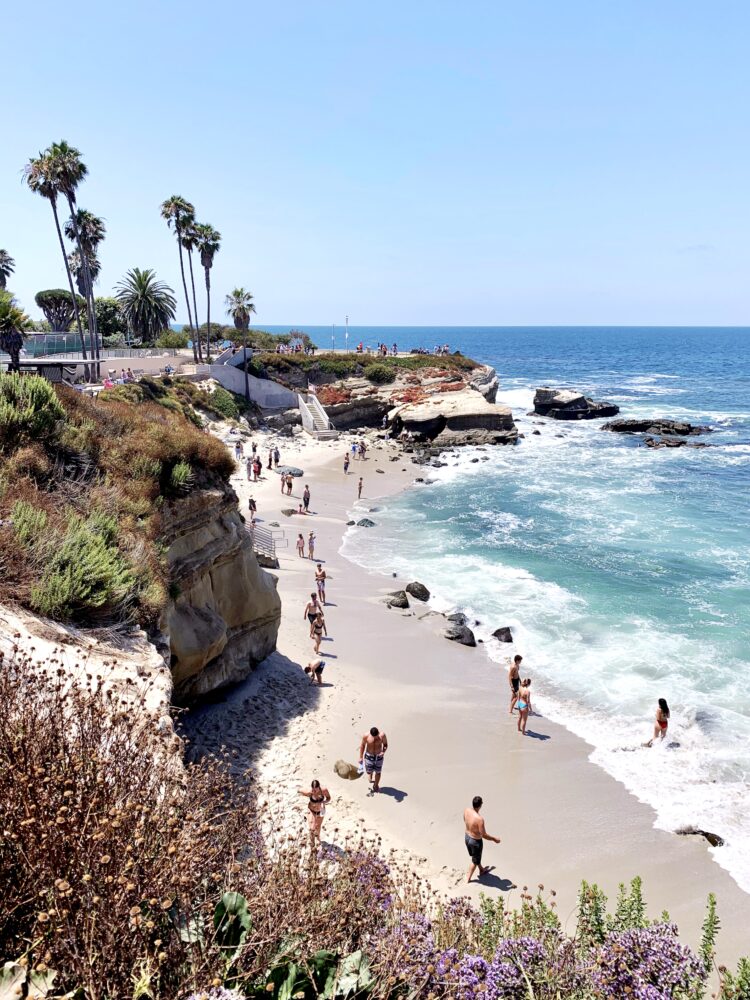
San Diego offers a mild, Mediterranean climate that makes winter feel like a perpetual spring. This is the peak season for whale watching (December through March), as thousands of Gray Whales migrate past the coast.
Spend your mornings exploring the 1,200-acre Balboa Park, home to 17 museums and the world-famous San Diego Zoo. In the afternoons, head to the cliffs of La Jolla. While the water is chilly, the coastal walks are spectacular, and you can watch the local seals and sea lions basking in the winter sun.
9. Palm Springs, California: Desert Modernism
Palm Springs is a winter oasis for the design-minded. The "winter" season here is actually the best time to visit, as the desert heat mellows into a comfortable 70°F. The city is a living museum of Mid-century Modern architecture, and guided tours of celebrity homes (like Elvis’s Honeymoon Hideaway) are a must.
For a unique experience, take the Palm Springs Aerial Tramway. It ascends 2.5 miles from the desert floor to the top of Mt. San Jacinto State Park. In just ten minutes, you transition from palm trees and swimming pools to a snowy mountain peak, offering the best of both worlds without the need for ski gear.
10. Sedona, Arizona: Red Rocks & Vortex Healing
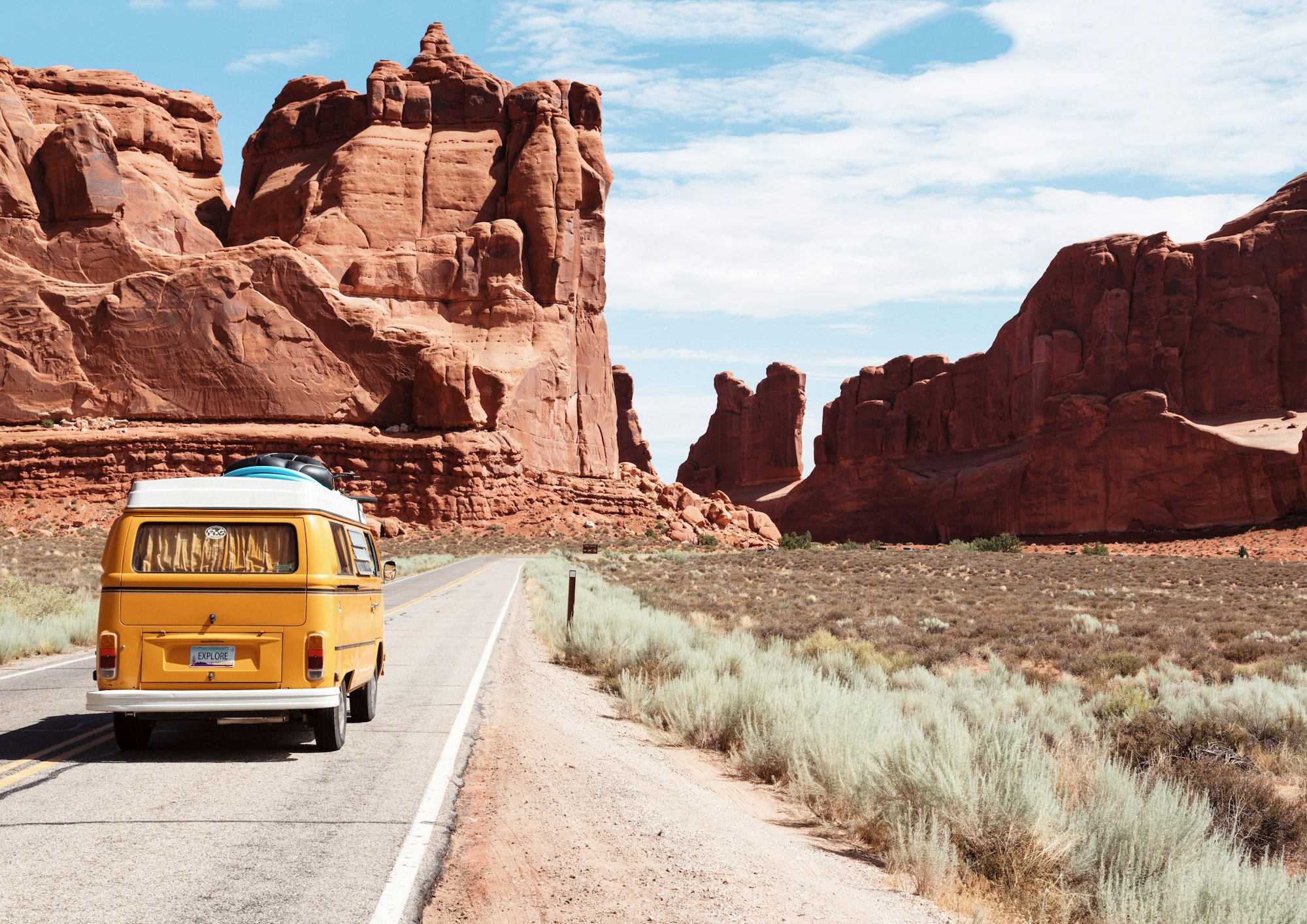
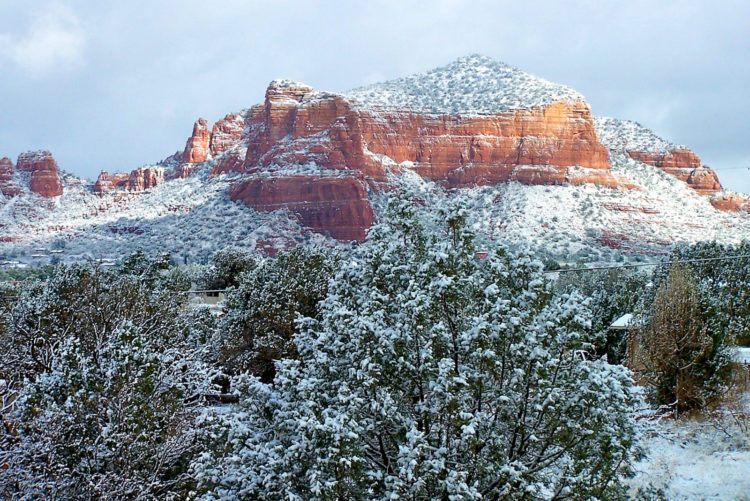
Sedona is a spiritual sanctuary where the winter sun turns the red rock formations into glowing monuments. The hiking here is world-class, and in the winter, the temperatures are ideal for tackling trails like Cathedral Rock or Devil’s Bridge without the summer crowds.
The town is also famous for its "vortexes"—points of concentrated energy that are said to facilitate healing and meditation. Whether you believe in the metaphysics or not, the numerous wellness retreats and luxury spas in Sedona provide a level of rejuvenation that is hard to find elsewhere.
11. New Orleans, Louisiana: Jazz & Carnival Spirit
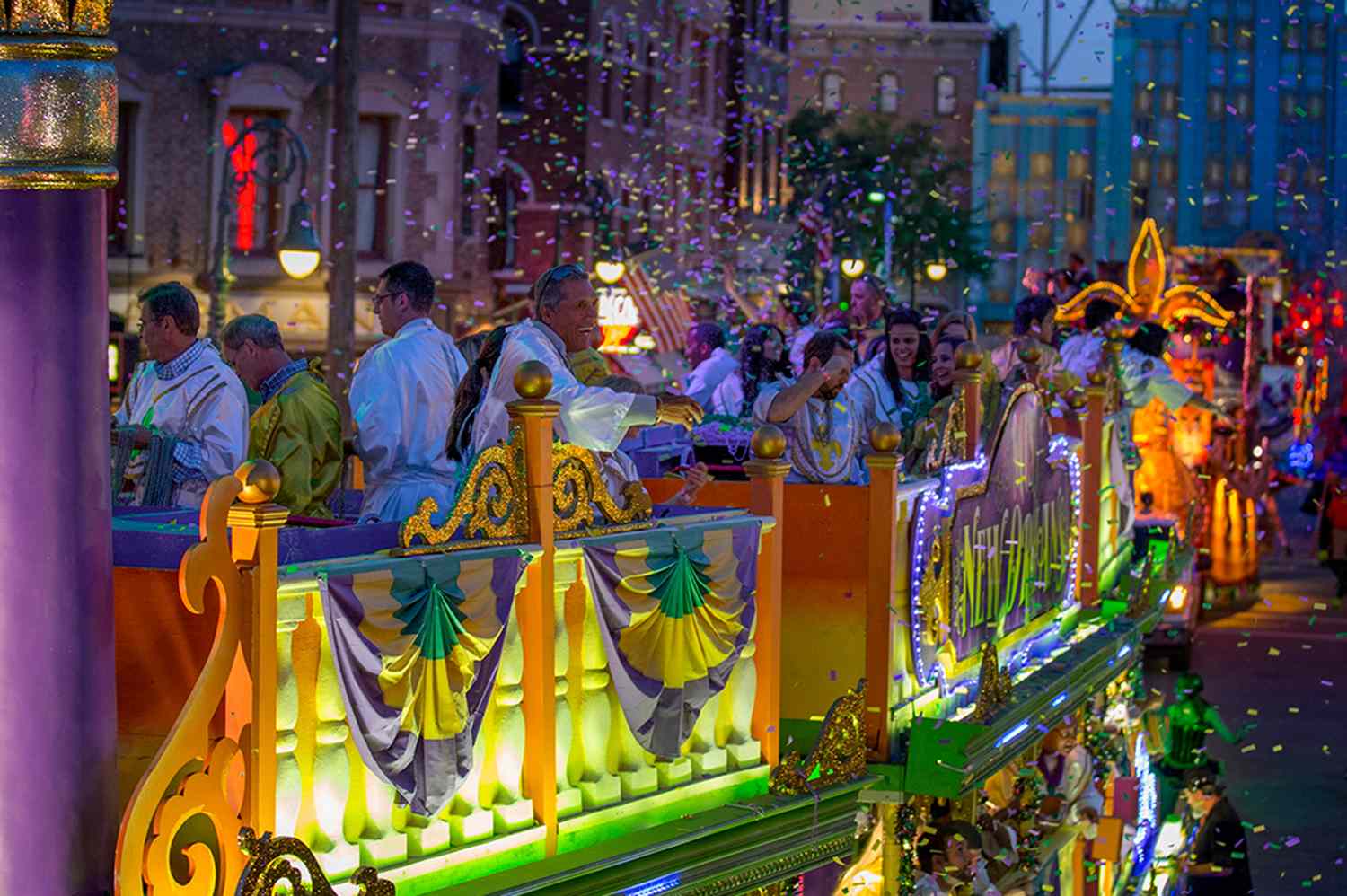
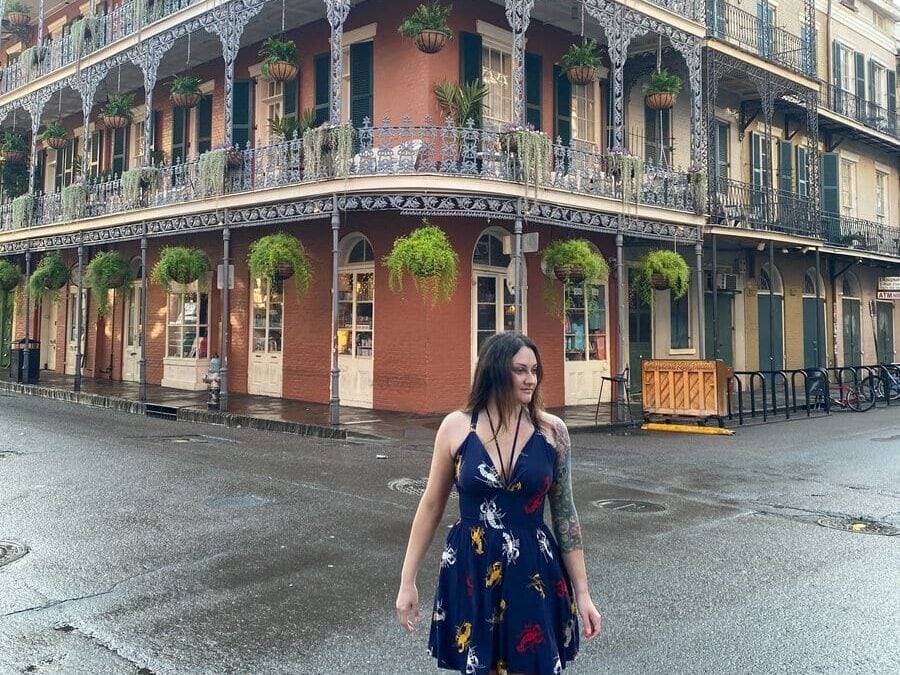
Winter is arguably the best time to visit the Big Easy. The humidity of the summer has vanished, and the city enters its most festive period. In January, the Mardi Gras season begins, and you can catch smaller, local parades that offer the spirit of Carnival without the overwhelming crowds of Fat Tuesday.
Walking through the French Quarter or the Garden District is a sensory delight—the smell of blooming jasmine, the sound of street jazz, and the world-class Creole dining. A winter afternoon spent at Café Du Monde with a hot cafe au lait and beignets is a travel rite of passage.
Practical Tips for Non-Skiing Winter Travel
Traveling as a non-skier requires a different strategy than a traditional ski trip. Here are my recommendations for ensuring a seamless experience:
- Packing for 'Snow but No Ski': You don't need high-tech ski bibs, but you do need layers. Focus on high-quality wool base layers, a stylish but warm parka, and waterproof boots with good tread. "Aprés-ski" wear—think cashmere sweaters and fashionable beanies—is the dress code for dinner in places like Aspen or Park City.
- Booking Spas & Dining: Because 45% of visitors are now competing for non-skiing activities, the best restaurants and spa treatments book up faster than the lift lines. Aim to book your "must-do" dinners and wellness treatments 4-6 weeks in advance.
- Transport: If you aren't skiing, you may not need a rental car in mountain towns. Most upscale resorts provide shuttles, and many non-skiing towns like Lake Placid or Park City are incredibly walkable.
FAQ
1. Is it worth visiting a ski town if I don't ski? Absolutely. Many of the most famous ski towns in the US were originally mining or ranching towns with deep histories, vibrant shopping districts, and incredible dining scenes. With nearly half of winter visitors skipping the slopes, the "off-mountain" infrastructure is often just as developed as the ski runs.
2. What are the best activities for non-skiers in snowy destinations? Top choices include snow-tubing, dog sledding, visiting local art museums, and taking scenic gondola rides. For a slower pace, many travelers prioritize wellness retreats, hot spring soaking, and attending film festivals or cultural events.
3. Are warm winter vacations in the US expensive? Destinations like Key West and Palm Springs are in their "high season" during the winter, so prices can be higher. However, cities like San Diego or New Orleans offer a range of price points and are often more affordable than high-end ski resorts.
Conclusion
Winter travel is no longer a monolith. Whether you find your peace in the quiet of a snow-covered forest in Jackson Hole or under the warm sun of a Sedona red rock trail, the "non-skier" experience has evolved into one of the most luxury-oriented and culturally rich segments of the travel industry. You don't need to conquer a mountain to have a meaningful winter; sometimes, the best view is the one seen from a heated gondola or a poolside lounge chair.