Italy possesses a supremely extensive coastline totaling 4,723 miles, offering high topographical diversity from soft-sand slices to volcanic rock cliffs. For the discerning traveler planning an Italy beach vacation in 2026, the challenge lies not in finding a beautiful shore, but in navigating the logistics of a country that treats its coastline as both a sacred natural resource and a vibrant social theater. To experience these waters at their most pristine, the strategic window remains the weekdays of June, early July, and September. During these periods, the Tyrrhenian and Adriatic seas reach hospitable temperatures while avoiding the peak Ferragosto crowds that saturate the sands in August.
Whether you are seeking the "barefoot luxury" of Sardinia or the high-octane energy of an Adriatic beach club, understanding the local infrastructure is key. Many of the premier locations listed below hold a 'Blue Flag' designation, a rigorous international certification indicating that the shoreline is clean, environmentally well-cared for, and meets stringent water quality criteria.
Quick Comparison: Italy’s Premier Coastal Hubs
| Region | Primary Vibe | Landscape Type | Best For |
|---|---|---|---|
| Sardinia | Exclusive/Wild | Granite Coves & White Sand | Snorkeling & Luxury |
| Puglia | Rustic/Authentic | Limestone Cliffs & Shallow Flats | Families & Foodies |
| Rimini | Social/Electric | Wide Sandy Shallows | Nightlife & Beach Clubs |
| Sicily | Historic/Rugged | Volcanic Rock & Bronze Sand | Culture & Geology |
| Liguria | Romantic/Chic | Pebbled Inlets | Couples & Photography |
Planning Your 2026 Italy Beach Vacation
Logistics often dictate the quality of an Italian summer. While the southern hubs like Bari, Olbia, and Naples serve as excellent gateways, a rental car is almost mandatory for reaching the more secluded "Cala" (coves) of Sardinia or the hidden "Trabocchi" of the Adriatic. Conversely, if your goal is the sophisticated beach club culture of Rimini or the Amalfi Coast, the regional rail network and private ferry transfers offer a more seamless experience.
Expert Tip: In 2026, expect more "closed-number" beaches. To preserve delicate ecosystems, spots like La Pelosa and several Sardinian coves now require pre-booked tickets via official apps. Always check local municipal websites 48 hours before arrival.
1. The Glamorous Adriatic: Rimini & Emilia-Romagna
The Adriatic coast is a masterclass in organized leisure. Unlike the wild coves of the west, the eastern seaboard specializes in the stabilimenti—private beach clubs where rows of identical umbrellas create a rhythmic, colorful geometry.
- Rimini (The Party Hub): Rimini is the undisputed capital of Italian seaside social life. Focus on Beach 33 for a sophisticated daytime vibe or Tortuga Beach for the quintessential club experience. The water here is shallow and safe, but the real draw is the service: world-class espresso delivered to your sun lounger and an aperitivo scene that begins promptly at 6:00 PM.
- Numana (The Hidden Gem): Moving south into the Marche region, the landscape shifts dramatically at the Conero Riviera. Numana offers a more tranquil, refined alternative to Rimini. Here, the beaches are composed of fine pebbles rather than sand, resulting in exceptionally clear water.
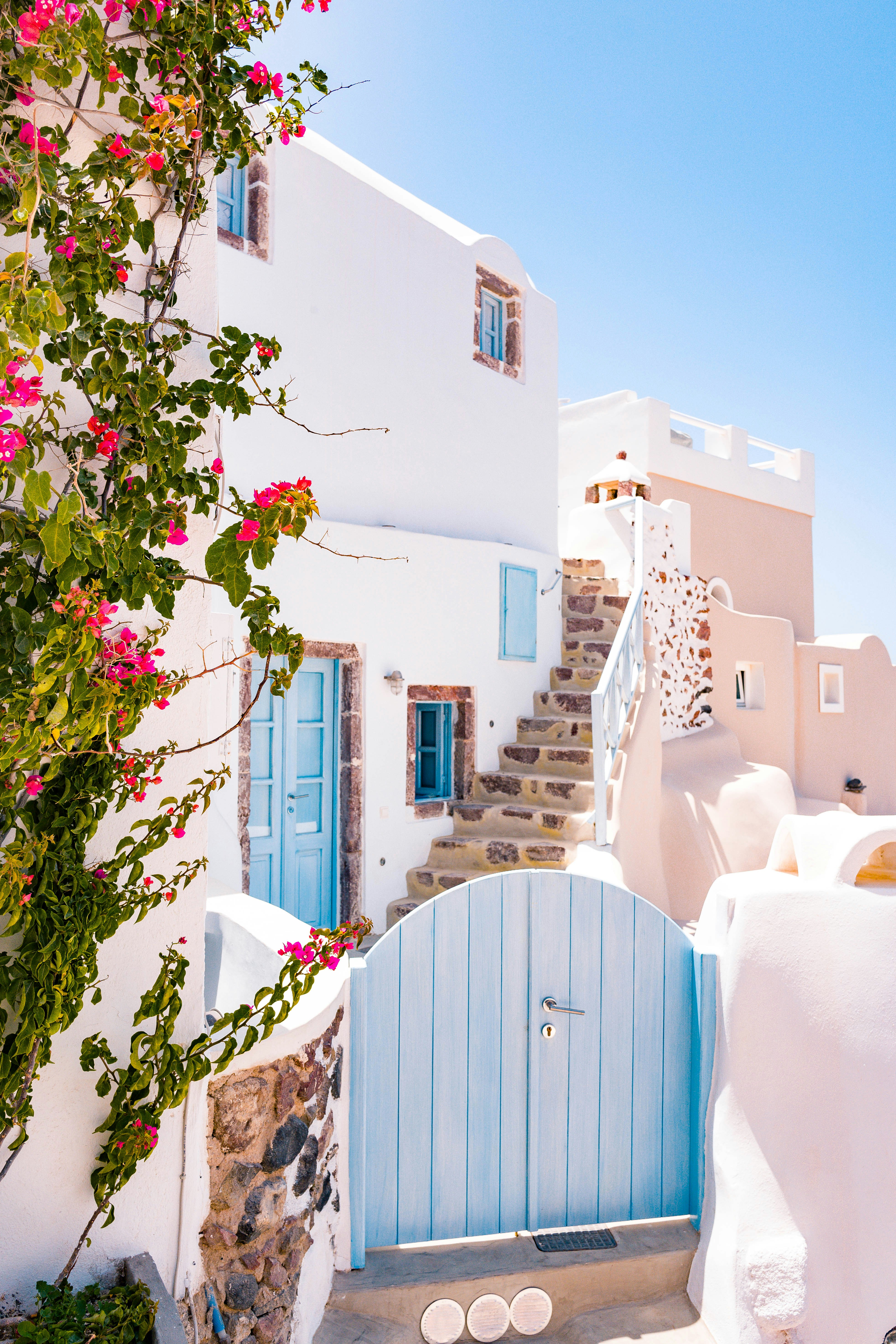
Where to Stay: The Grand Hotel Rimini remains the benchmark for Adriatic luxury. This Fellini-esque landmark offers a private beach and a level of service that justifies its historic reputation.
Reserve Your Suite at Grand Hotel Rimini →
2. Sardinia: Emerald Waters & UNESCO Landmarks
Sardinia’s Costa Smeralda remains one of Italy's most exclusive destinations, with luxury real estate prices previously reaching $40,000 per square foot. However, the island's true value lies in its geological diversity.
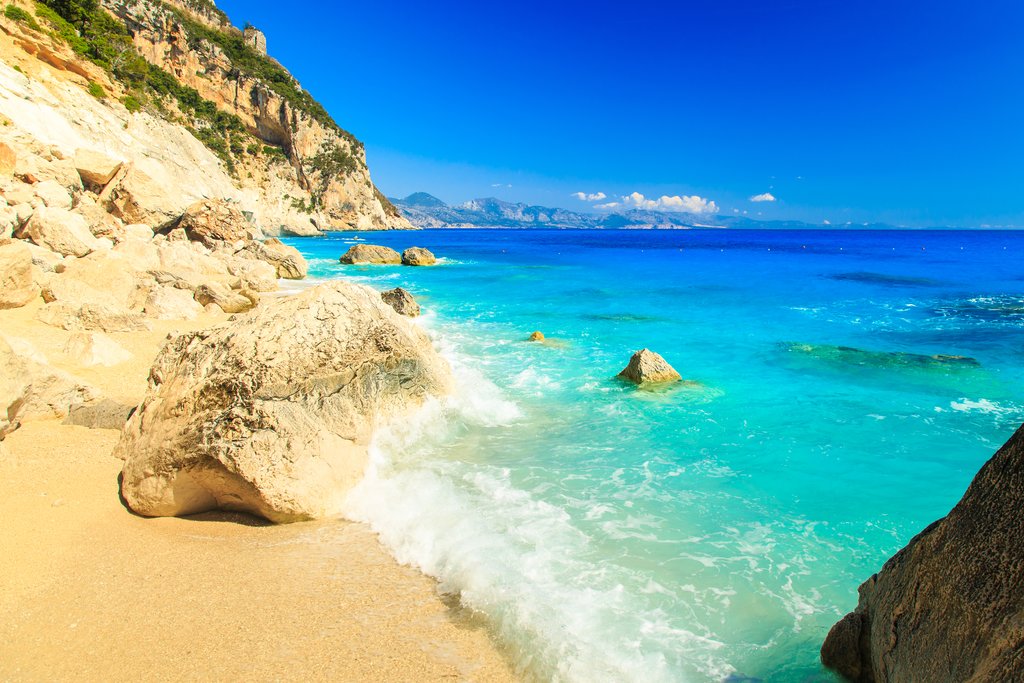
- Cala Goloritzé: This is not merely a beach; it is a monument. Designated a UNESCO World Heritage Site in 1995, this unique limestone cove was created by a landslide in 1962. It is famous for its striking 143-meter stone spire and natural arch. There is no road access; visitors must hike an hour down a goat path or arrive by non-motorized boat.
- Spiaggia del Principe: Named after Prince Karim Aga Khan, who "discovered" the Costa Smeralda in the 1960s, this crescent of sand is divided by a cluster of pink granite rocks. It perfectly encapsulates the "Emerald Coast" aesthetic.
- La Pelosa: Located in Stintino, this beach is famous for its "saltwater swimming pool" effect—the water is so shallow and clear that it appears luminescent against the backdrop of the 16th-century Torre della Pelosa.
- Cala Mariolu: Frequently voted the best beach in Italy, its "sand" is actually a collection of tiny, smooth pink-tinted pebbles. The snorkeling here is unparalleled, with visibility often exceeding 30 meters.
Where to Stay: Hotel Cala di Volpe is the architectural soul of the Costa Smeralda. Designed by Jacques Couëlle, it offers an immersive experience in Sardinian high-style.
3. Puglia: The Heel of the Boot
Puglia offers a more grounded, rustic version of the Italian summer. The region's beaches are characterized by shallow, warm waters and a backdrop of ancient olive groves.
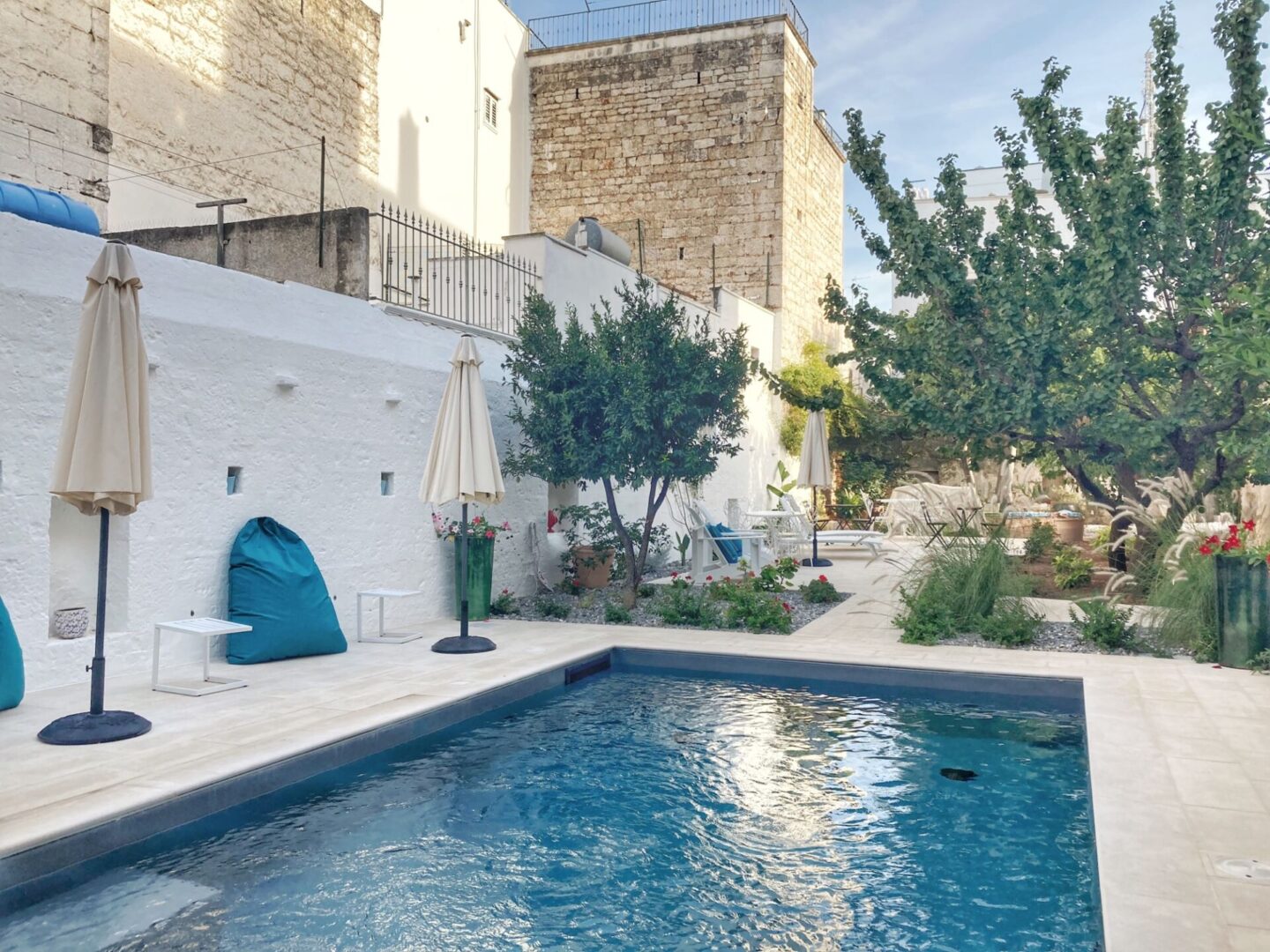
- Punta Prosciutto: Part of the Palude del Conte e Duna Costiera protected area, this beach features sand dunes reaching 8 meters in height. The water remains knee-deep for nearly 50 meters out, making it a favorite for families.
- Baia dei Turchi: Legend says the Turkish fleet landed here during the 15th-century invasion of Otranto. Today, it is a protected Blue Flag nature reserve reached by a fragrant pine forest trail.
- Otranto Beach: Perfect for those who want a "city beach" without the grit. You can swim in turquoise water and then walk directly into the historic center to view the famous floor mosaics of the Otranto Cathedral.
- Pescoluse: Marketed as the "Maldives of Salento," this stretch of coast features exceptionally fine, white sand and sandbanks that emerge from the sea at low tide.
Where to Stay: Masseria Prosperi is a refined farmhouse stay near Otranto that blends equestrian culture with coastal proximity.
Experience Puglian Hospitality →
4. Sicily: Volcanic Cliffs & Bronze Sands
Sicily’s coastline is a masterclass in contrast, blending ancient history with vibrant volcanic shorelines. From the white marl of the south to the Caribbean-style sands of the north, the diversity is staggering.
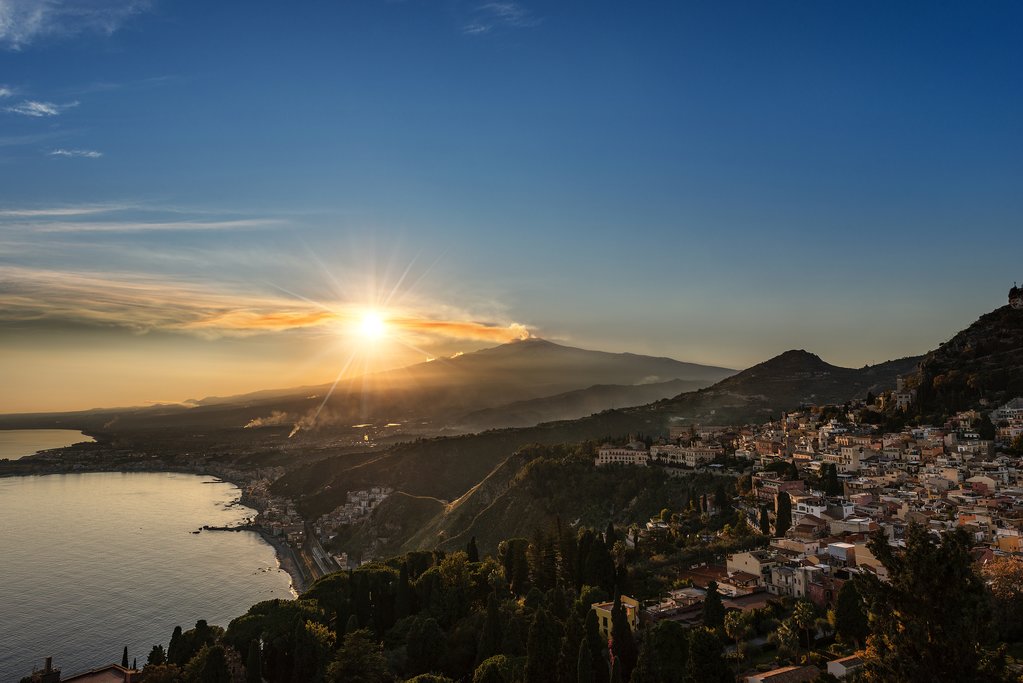
- Scala dei Turchi: This "Stair of the Turks" is a blindingly white marlstone cliff that has been eroded into a natural staircase. The contrast between the white stone, the bronze sand, and the teal water is one of the most photographed sights in the Mediterranean.
- Spiaggia dei Conigli (Lampedusa): Often cited by major travel publications as the world's most beautiful beach. Its etymology likely stems from the Arabic word "Rabit," meaning connection, referring to the isthmus that occasionally forms. It is a critical nesting site for the loggerhead sea turtle.
- San Vito Lo Capo: Nestled in a valley between spectacular mountains, this beach feels like a slice of the Caribbean transported to the Mediterranean. The town is also famous for its annual Couscous Festival.
- Mondello (Palermo): A vibrant, Art Nouveau-infused beach that serves as the playground for Palermo’s elite. The central pier (Charleston) is a stunning example of early 20th-century architecture.
Where to Stay: Villa Igiea, a Rocco Forte Hotel in Palermo, offers a palatial base from which to explore the northern Sicilian coast.
5. Campania & The Islands: Amalfi Glamour
In Campania, the beaches are often small, pebbled, and exclusive. The draw here is the vertiginous landscape and the "La Dolce Vita" atmosphere.
- Atrani: While the crowds descend on Positano, the tiny village of Atrani—located just around the corner—offers a nearly identical aesthetic with half the density. The beach is small but perfectly framed by the town's arched viaduct.
- Spiaggia di Citara (Ischia): This beach is famous for its volcanic hot springs. The Poseidon Thermal Gardens sit directly adjacent, allowing visitors to alternate between the salty Mediterranean and curative thermal pools.
- Marina Piccola (Capri): For the best views of the iconic Faraglioni rock stacks, head to Marina Piccola. The beach is pebbly and the sun disappears early behind the cliffs, so arrive by 10:00 AM.
Where to Stay: The Mezzatorre Hotel & Thermal Spa on Ischia is perched on a rocky promontory, offering a private bay and some of the best sunset views in Italy.
6. The Northern Gems: Liguria & Tuscany
The north offers a more manicured, historic version of the beach experience, where colorful villages cling to the cliffs above deep, cobalt waters.
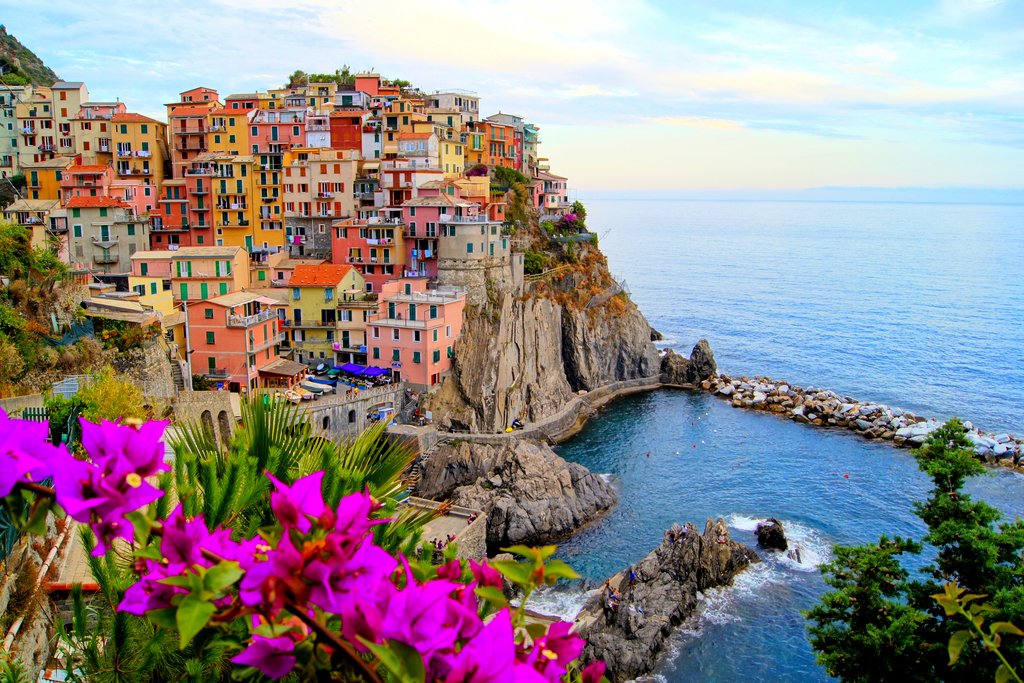
- San Fruttuoso (Liguria): Accessible only by boat or a strenuous hike, this beach is dominated by a 10th-century abbey. Underwater, the "Christ of the Abyss" statue guards the bay, making it a premier spot for divers.
- Baia del Silenzio: Located in Sestri Levante, this "Bay of Silence" is a rare soft-sand crescent on a coastline otherwise dominated by jagged rock.
- Sansone (Elba): This Tuscan island gem features craggy white cliffs and smooth white pebbles that make the water appear exceptionally bright. It is widely considered the best beach on the island of Elba.
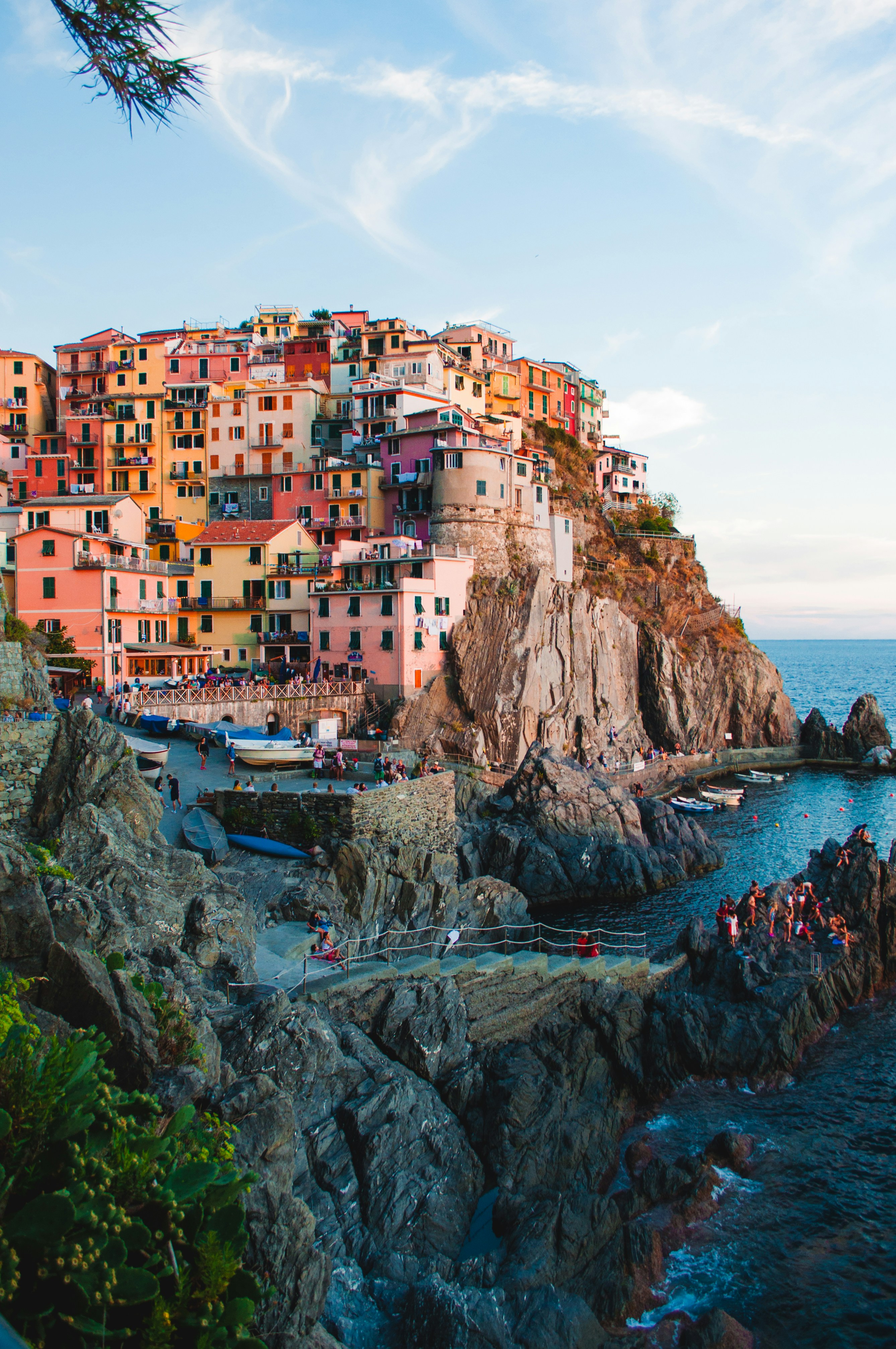
Where to Stay: Splendido, A Belmond Hotel in Portofino is arguably the most famous hotel in Italy, offering unparalleled views of the Ligurian coast.
Practical Tips for Your Italian Summer
Navigating the Italian beach system requires a bit of local knowledge. Most popular beaches are divided into two sections:
- Stabilimenti (Beach Clubs): These are private areas where you pay a fee (ranging from €20 to €150 per day) for a sun lounger (lettino), an umbrella (ombrellone), and access to changing rooms, showers, and bars. In 2026, booking these online in advance is highly recommended.
- Spiaggia Libera (Free Beach): These are public areas where you can bring your own towel. They are often located on the fringes of the best sands or in more remote areas.
James's Critique: While the spiaggia libera offers a more "authentic" and cost-effective experience, the convenience of a stabilimento is often worth the price for a full day, especially given the fierce Mediterranean sun and the lack of public facilities at free sites.
FAQ
Q: Do I need to book Italian beaches in advance for 2026? A: For famous spots like La Pelosa (Sardinia) or the beach clubs in Positano and Capri, yes. Many protected coves now use reservation apps to limit daily visitors to prevent environmental degradation.
Q: Are there sandy beaches in Italy, or is it all pebbles? A: While Liguria and the Amalfi Coast are largely pebbled, Puglia (Salento) and Sardinia offer world-class, fine white sand comparable to the Caribbean.
Q: What does the "Blue Flag" signify? A: It is a prestigious international award given to beaches that meet high environmental and quality standards, including water purity, waste management, and safety services.
Discover the Best of Italy
Ready to plan your 2026 escape? Whether you are drawn to the rugged UNESCO coves of Sardinia or the historic glamour of the Riviera, Italy's coastline is a mosaic waiting to be explored. Choose your region, book your masseria or grand hotel, and embrace the dolce far niente of an Italian summer.