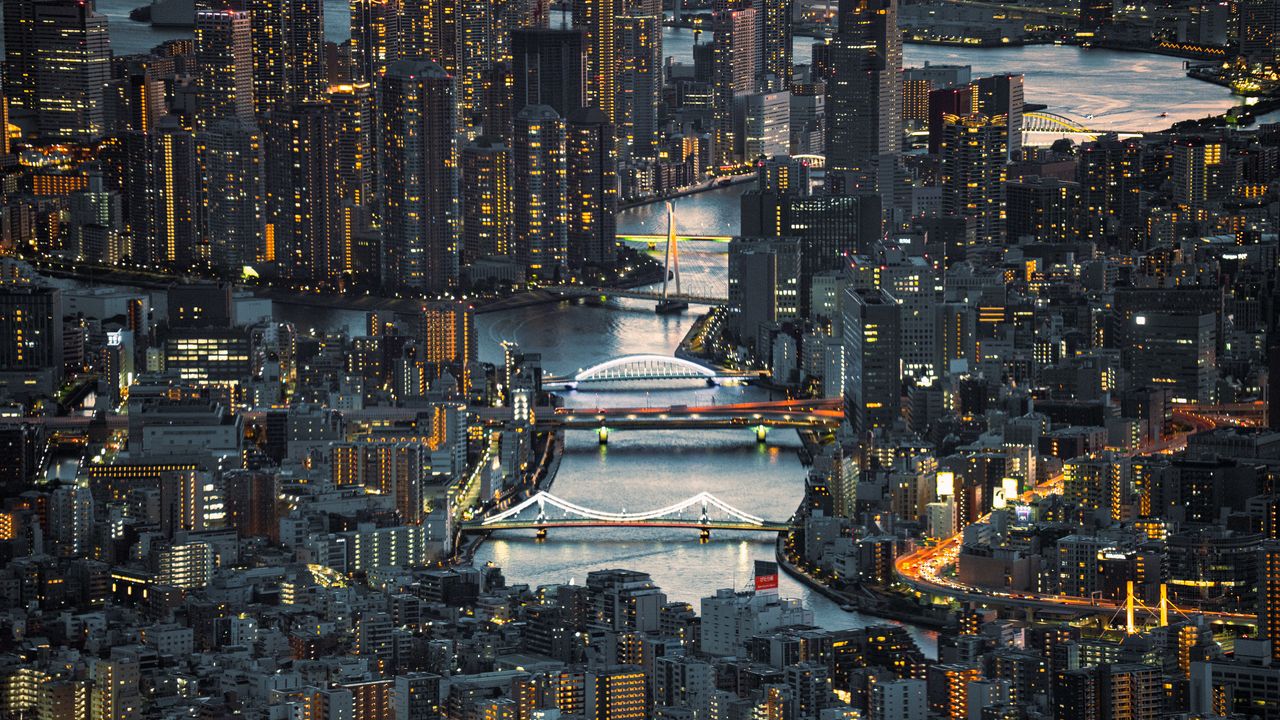
To the uninitiated, Tokyo is often painted in the marbled hues of Wagyu beef and the translucent pinks of Tsukiji’s finest tuna. It is a city of 130,000 restaurants, a staggering culinary nebula where the search for plant-based excellence once felt like chasing a ghost in the neon-lit machine. But beneath the surface-level obsession with animal proteins lies a deeper, ancient rhythm of seasonality and a modern surge of innovation. As the world’s most decorated culinary capital pivots toward sustainability, a new map of the city is being drawn—one where the humble radish is elevated to the sublime and the "umami" traditionally sought in dashi is found in the depths of fermented roots and sun-dried tomatoes.
Guiding us through this landscape is Chef Tejas Sovani. Having honed his craft in the rigorous French-Kaiseki kitchens of Kyoto before making his mark at Ginza’s Spice Lab Tokyo, Sovani views the city’s pantry through a lens of "Healing through Food." For him, Tokyo isn’t just a destination; it’s a living laboratory of botanical textures. "Japanese produce is inherently spiritual," he tells me as we discuss the evolution of the Vegetarian Tokyo guide. "When you respect the soil, the vegetable rewards you with a complexity that rivals any steak."
The Soul of Vegetarianism: Traditional Shojin Ryori
Before Tokyo was a metropolis of glass, it was a city of temples. To understand the best traditional vegetarian food in Tokyo, one must return to Shojin Ryori, the Zen Buddhist cuisine that has flourished since the 13th century. Rooted in the principle of Ahimsa (non-violence), this style of cooking avoids the "five pungent roots" (onion, garlic, scallions, chives, and leeks), focusing instead on the harmony of five colors and five flavors.
For a modern iteration that maintains the soul of the temple, Sovani points toward Sougo in Roppongi. Here, Chef Daisuke Nomura—whose family has mastered this craft for generations—strips away the austerity of the monastery to present Shojin Ryori as high art. Each course is a testament to the versatility of soy: delicate Yuba (tofu skin) served with seasonal mountain vegetables, or a "shojin dashi" so rich with kombu and shiitake that you forget the absence of bonito flakes.
If you seek the meditative stillness of a true temple setting, Sankoin Temple in the suburbs offers a communal lunch experience that feels like a step back in time. For 3,500 to 5,800 JPY, guests dine on trays of lacquered bowls filled with sesame tofu and simmered bamboo shoots, prepared by nuns who treat cooking as a form of prayer.
Chef’s Tip: "When dining at Sougo, pay attention to the texture of the fried gluten (Fu). It’s a masterclass in how plant proteins can be manipulated to create a satisfying, meaty mouthfeel without the meat."
Historic Legacies: 230 Years of Buckwheat
While many modern vegan spots are new arrivals, some of Tokyo’s most legendary vegetarian-friendly establishments have been serving the same recipes for centuries. Sarashina Horii in Motoazabu is a cornerstone of Edo-period history. Established in 1789, it once served the Shogunate and remains a guardian of the "Sarashina" style—soba made from the very heart of the buckwheat grain, resulting in noodles as white as winter snow.
While many soba shops rely on fish-based dipping sauces, Sarashina Horii has adapted its 230-year legacy for the modern palate. Their signature vegan stew, Sarashina, utilizes soy butter and a rich vegetable-based dashi to create a creamy, comforting bowl that bridges the gap between the 18th century and the 21st.
Luxury Innovation: Michelin-Selected Fine Dining
Is there luxury vegetarian fine dining in Tokyo? The answer is a resounding yes, and it is here that Chef Sovani’s insider knowledge truly shines. The city is currently witnessing a "green revolution" in its most prestigious dining rooms.
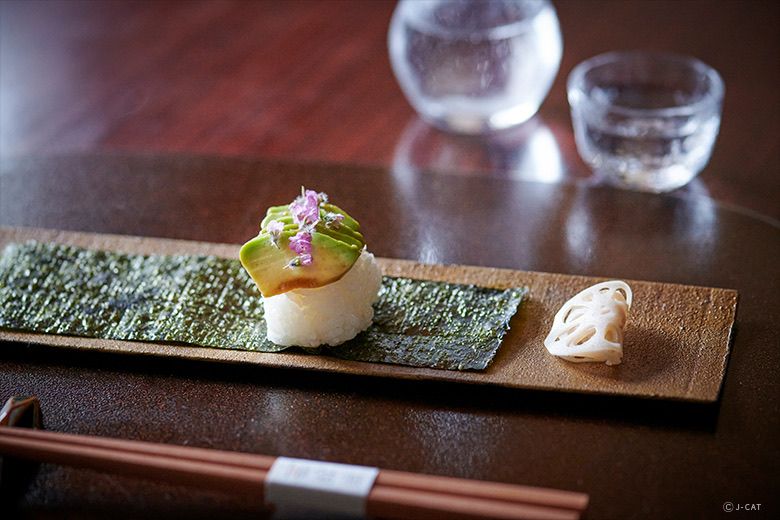
In the quiet backstreets of Meguro, Udatsu Sushi is rewriting the rules of the omakase. While it serves world-class seafood, its vegetable-focused omakase (starting at 15,000 JPY) is a revelation. The standout is the "herb roll"—a vibrant explosion of fresh micro-greens and seasonal vegetables wrapped in seasoned rice and crisp nori. It is a dish that challenges the notion that sushi must be defined by fish.
Then there is Noeud TOKYO in Chiyoda, a recipient of the Michelin Green Star. This restaurant operates on a philosophy of "circular gastronomy," where every ingredient is used in its entirety to minimize waste. The French-Japanese fusion menu changes almost daily based on what their partner farmers harvest, resulting in dishes that feel like a direct conversation with the earth.
For the ultimate accolade, one must visit Daigo in Atago. As the world’s only Michelin-starred Shojin Ryori restaurant with over 70 years of history, it offers a multi-course experience overlooking a private Zen garden. It is, perhaps, the most refined expression of plant-based dining on the planet.
The Comfort Zone: Plant-Based Ramen & Gyoza
For many travelers, the ultimate question is: Where can I find vegan ramen in Tokyo? The city’s obsession with pork-bone broth once made this a difficult quest, but two titans now dominate the scene.
T’s Tantan, located inside the bustling "Keiyo Street" of Tokyo Station, is a pilgrimage site for vegans. Their 100% plant-based golden sesame tantanmen uses a velvety soy milk base and a savory "meat" crumble made from soy. It is fast, affordable, and incredibly satisfying, though you should expect a 20-minute wait during peak hours.
In the hip enclave of Nakameguro, Afuri offers a different take. Their "Rainbow Vegan Ramen" is a visual and culinary masterpiece, featuring noodles made from lotus root flour and a broth clarified with seasonal vegetables and cold-pressed oils.
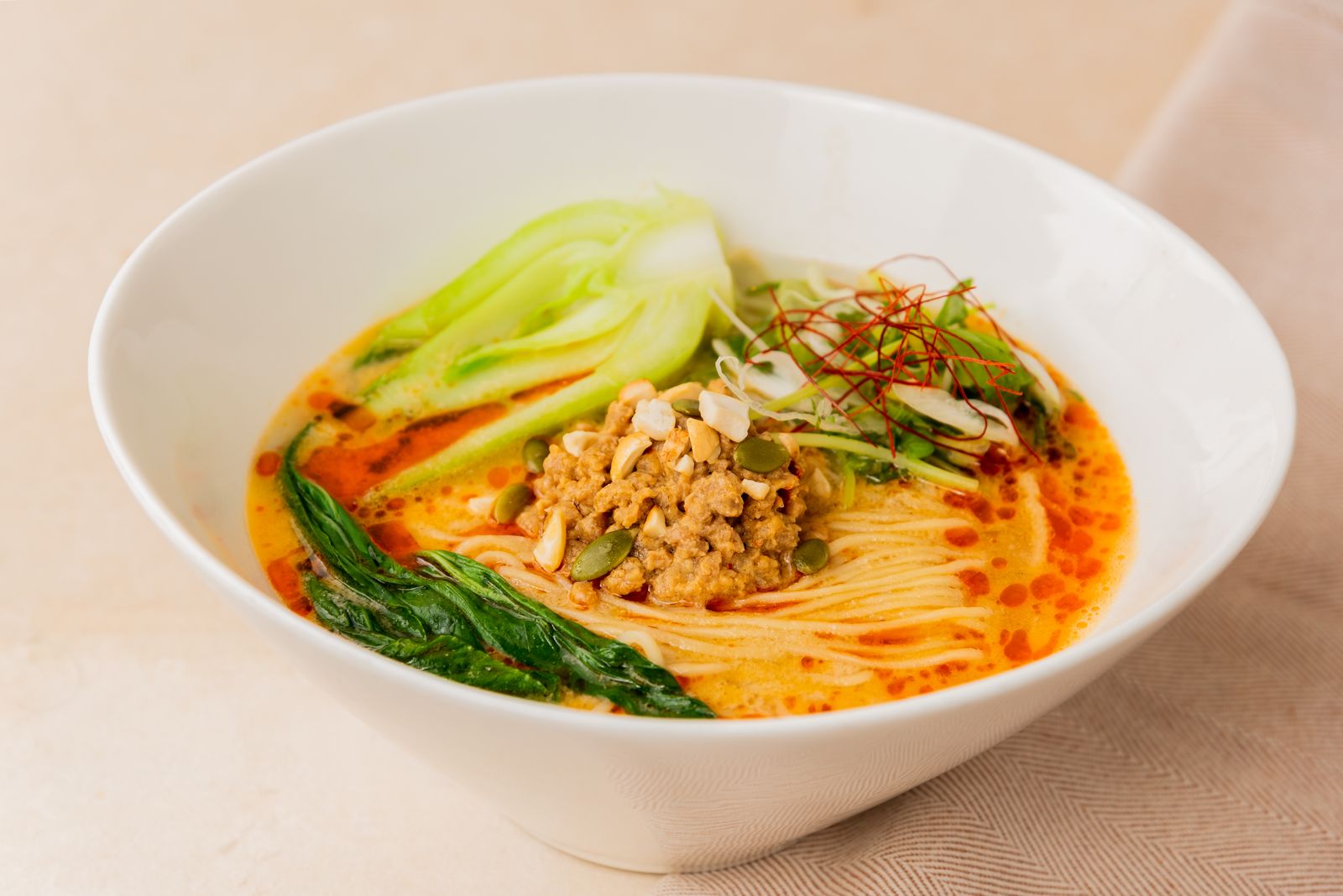
For a side of dumplings, head to the backstreets near Senso-ji temple to find Vegan Gyoza Yu. This tiny, atmospheric shop serves hand-dyed dumplings—yellow from turmeric, purple from beetroot—that are as beautiful as they are delicious.
Chef’s Tip: "At Vegan Gyoza Yu, don’t just stick to water. Pair your dumplings with a Jazzberry beer; the fruity notes cut through the richness of the pan-fried gyoza perfectly."
Modern Sanctuaries: Wellness & Gut-Cleansing Cafes
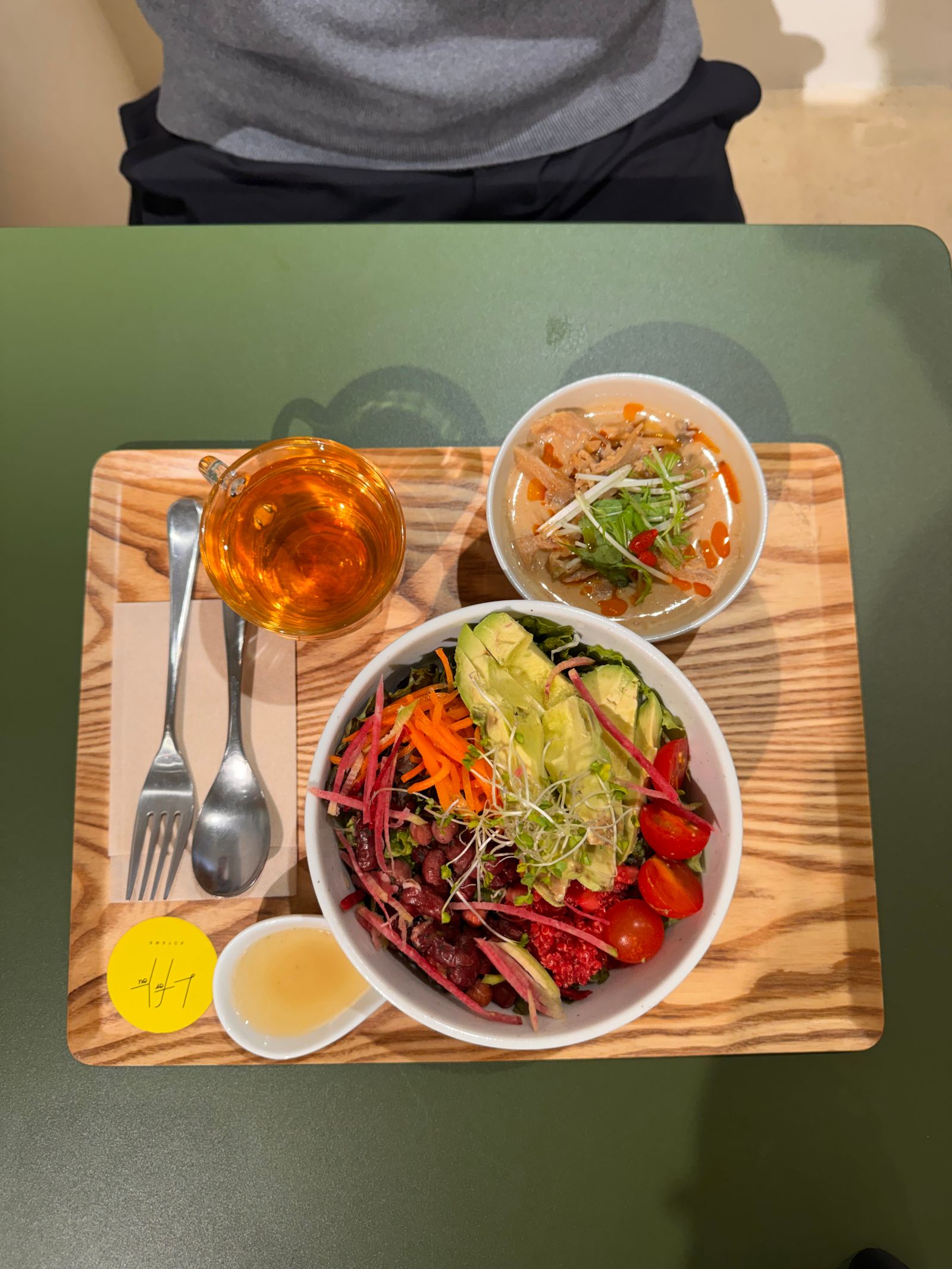
In districts like Aoyama and Ginza, a new wave of "wellness cafes" is focusing on the intersection of flavor and health. L for You in Aoyama treats food as "preventative medicine," emphasizing fermented ingredients. Their mushroom and burdock soup is a masterclass in earthy, gut-cleansing flavors.
Meanwhile, the AIN SOPH group has become a staple for plant-based travelers. Their Ginza location is famous for the "Fukurokuju Bento" and a vegan tiramisu that defies the laws of dairy-free baking. It is a tranquil escape from the high-octane energy of the surrounding shopping district.
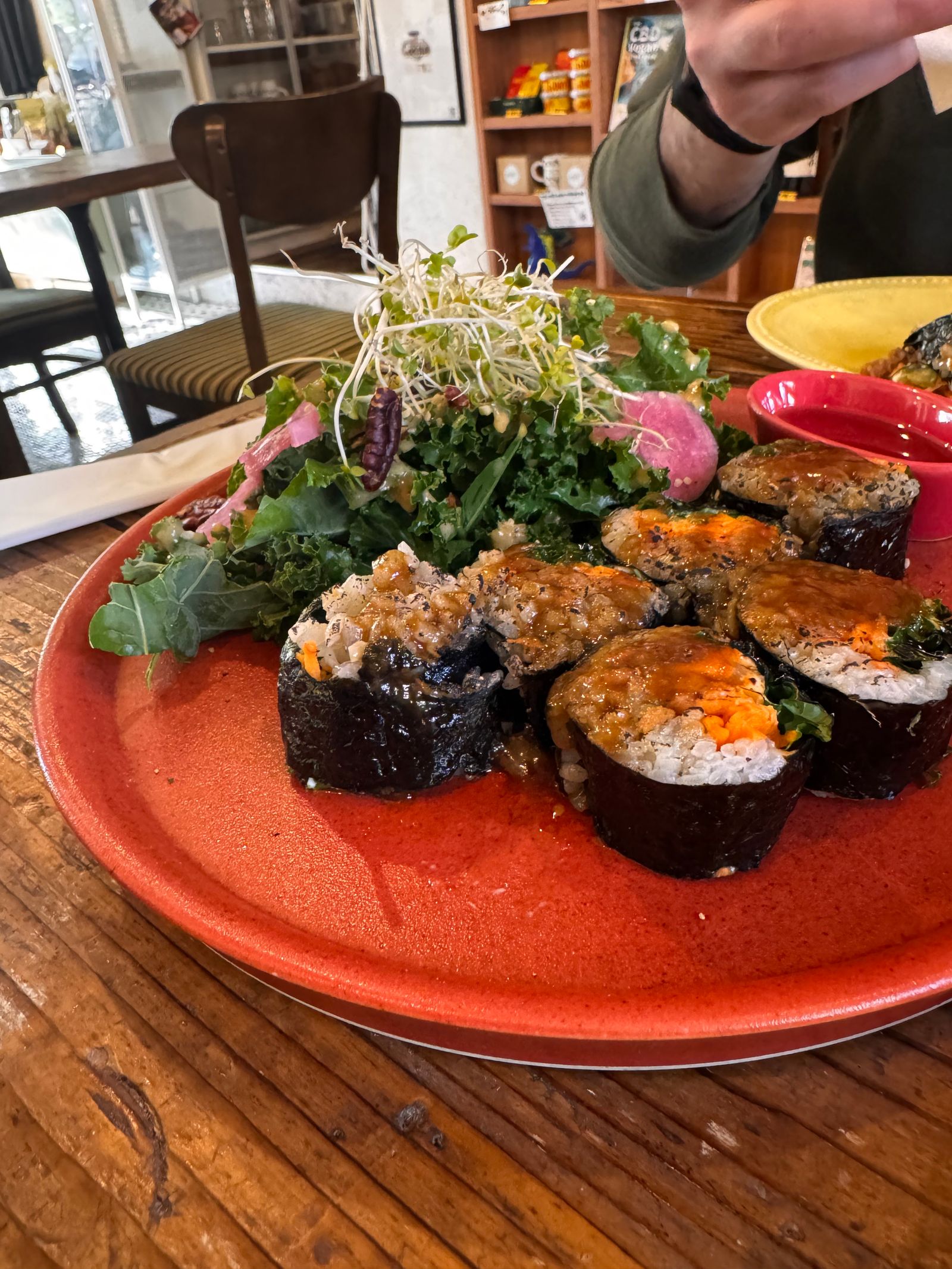
In the neon heart of Shibuya, Hemp Cafe Tokyo offers a more rebellious take on health food. Using hemp charcoal rice and innovative plant-based "meats," they serve yakiniku-style grilled sushi that satisfies the craving for something charred and smoky.
Essential Tips for Vegetarian Travelers in Tokyo
Navigating Tokyo as a vegetarian requires a mix of digital savvy and traditional etiquette. While English is common in tourist areas, the concept of "vegetarian" can still be fluid; many traditional sauces contain dashi (fish stock).
- The Depachika Strategy: Tokyo’s "Depachika" (basement food halls) are goldmines for high-quality vegetarian snacks. Look for Inari-zushi (tofu skin pockets filled with rice) or Tsukemono (pickled vegetables), which are almost always vegan and perfect for a quick bite.
- The Power of 'Dashi-Nashi': When in doubt at a traditional spot, ask for "Dashi-nashi" (no fish stock).
- Reservation Etiquette: For high-end spots like Udatsu Sushi or Noeud TOKYO, aim for a 3-5 day lead time. These kitchens prepare their seasonal produce with precision, and last-minute changes are difficult.
Tokyo Vegetarian Dining Summary
| Restaurant | District | Style | Price Range (JPY) | Reservations |
|---|---|---|---|---|
| Sougo | Roppongi | Modern Shojin Ryori | 10,000 - 15,000 | Recommended |
| Sankoin | Koganei | Temple Lunch | 3,500 - 5,800 | Required (3 days) |
| Udatsu Sushi | Meguro | Luxury Omakase | 15,000+ | Required |
| T’s Tantan | Tokyo Stn. | Ramen | 1,000 - 2,000 | Walk-in |
| AIN SOPH | Ginza | Wellness Cafe | 2,500 - 5,000 | Recommended |
| Sarashina Horii | Motoazabu | Historic Soba | 2,000 - 4,000 | Recommended |
| Daigo | Atago | Michelin Shojin | 20,000+ | Required |
| Afuri | Nakameguro | Vegan Ramen | 1,500 - 2,500 | Walk-in |
| Vegan Gyoza Yu | Taito | Gyoza | 1,000 - 2,500 | Walk-in |
| Noeud TOKYO | Chiyoda | Sustainable Fusion | 15,000+ | Required |
| Hemp Cafe | Shibuya | Modern Fusion | 2,000 - 5,000 | Recommended |
FAQ: Frequently Asked Questions
Is it easy to find vegan food in Tokyo? While Japan has a meat-heavy reputation, Tokyo has become significantly more vegan-friendly. Major hubs like Tokyo Station and Shibuya offer dedicated 100% plant-based restaurants, and many high-end establishments now offer specialized vegetarian menus with advance notice.
Does Japanese 'vegetarian' include fish broth? Traditionally, many dishes labeled "vegetarian" may still contain dashi (fish stock) or katsuobushi (bonito flakes). It is essential to specify "no fish" (sakana nashi) or visit dedicated vegan/vegetarian restaurants like those listed in this guide to ensure a 100% plant-based meal.
Can I find vegetarian options at Japanese convenience stores (Konbini)? Yes, though you must check labels carefully. Safe bets include plain salted Onigiri, Natto (fermented soybeans), and certain brands of Inari-zushi. Use apps like Google Lens to translate ingredients on the fly.
Book Your Next Tokyo Culinary Journey
Tokyo is no longer a challenge for the plant-based traveler; it is an invitation. From the quiet grace of a temple meal to the high-tech innovations of a Shibuya cafe, the city proves that some of the world's most profound flavors don't require meat at all. Whether you are following the curated path of Chef Tejas Sovani or getting lost in the basement food halls of Ginza, your next great meal is just around the corner. Embark on a journey that nourishes both the palate and the soul—your table in Tokyo is waiting.