Quick Summary: The Essential India Packing List
If you’re in a rush to catch a flight to Delhi, here is the "no-fluff" list of what needs to be in your pack. India is a subcontinent of extremes—from the humid backwaters of Kerala to the freezing heights of the Himalayas—and your gear needs to reflect that versatility.
- Lightweight Cotton/Linen Layers: Breathable and modest.
- Modest Coverage (Scarf/Sarong): Your MVP for temple entry.
- Compression Packing Cubes: Space-saving for long-haul transit.
- Packable Rain Jacket: For unpredictable monsoon bursts.
- Waterproof, Easy-to-Remove Sandals: Essential for temple hopping.
- Breathable Trail Runners: For the dusty, uneven streets.
- Comprehensive First-Aid Kit: Specifically including electrolyte salts.
- Insulated Water Bottle: Stay hydrated and reduce plastic waste.
- Portable Handheld Fan: Survival gear for un-A/C trains.
- Industrial-Strength Insect Repellent: 30%+ DEET for peace of mind.
- Universal Power Adapter (Surge Protected): Protect your tech from the grid.
- High-Capacity Power Bank: For those 14-hour sleeper train rides.
- Hidden Money Belt/RFID Pouch: Discrete security in crowded bazaars.
- High-Quality Earplugs: Silencing the 24/7 chaos.
- Trtl or Supportive Neck Pillow: Survival for the "bumpy bus" routes.
The Survival Mindset: Why Your Usual Suitcase Won't Cut It
I’ve seen it a hundred times at the Indira Gandhi International Airport: first-time travelers struggling with massive, hardshell rolling suitcases, looking defeated before they’ve even left the terminal. Here’s the reality: India isn't a destination; it's a continent compressed into one country. The narrow, winding alleys of Varanasi and the crowded platforms of the Mumbai local trains weren't designed for your 50-pound Samsonite.
To survive—and thrive—in India, your packing strategy needs to focus on two non-negotiable pillars: modesty and breathability. Approximately 90% of veteran travelers recommend packing 'modesty-first' layers. It’s not just about cultural respect; many religious sites across the country will flat-out deny entry to anyone with exposed shoulders or knees. If you’re dressed for a beach club in Ibiza, you’re going to miss out on the most soul-stirring temples in Hampi.
Core Clothing: Beating the Heat and Respecting Customs
The biggest rookie mistake? Packing synthetic "performance" fabrics that claim to be moisture-wicking. In 90% humidity and 100°F (38°C) heat, those polyesters turn into a personal sauna. Stick to natural fibers.
1. Lightweight Cotton/Linen Layers
Cotton and linen are your best friends. They allow airflow in ways that nylon simply can't. Think loose-fitting tunics (kurtas) or linen trousers. They keep the sun off your skin while letting your body breathe.
2. Modest Coverage Pieces (The Scarf/Sarong)
If I had to pick one item to bring, it’s a high-quality cotton scarf. For women, it’s a tool for modesty when entering a mosque or temple. For everyone, it serves as a shield against the blistering sun, a makeshift towel, or a filter for the dust of a desert safari in Rajasthan.
3. Compression Packing Cubes
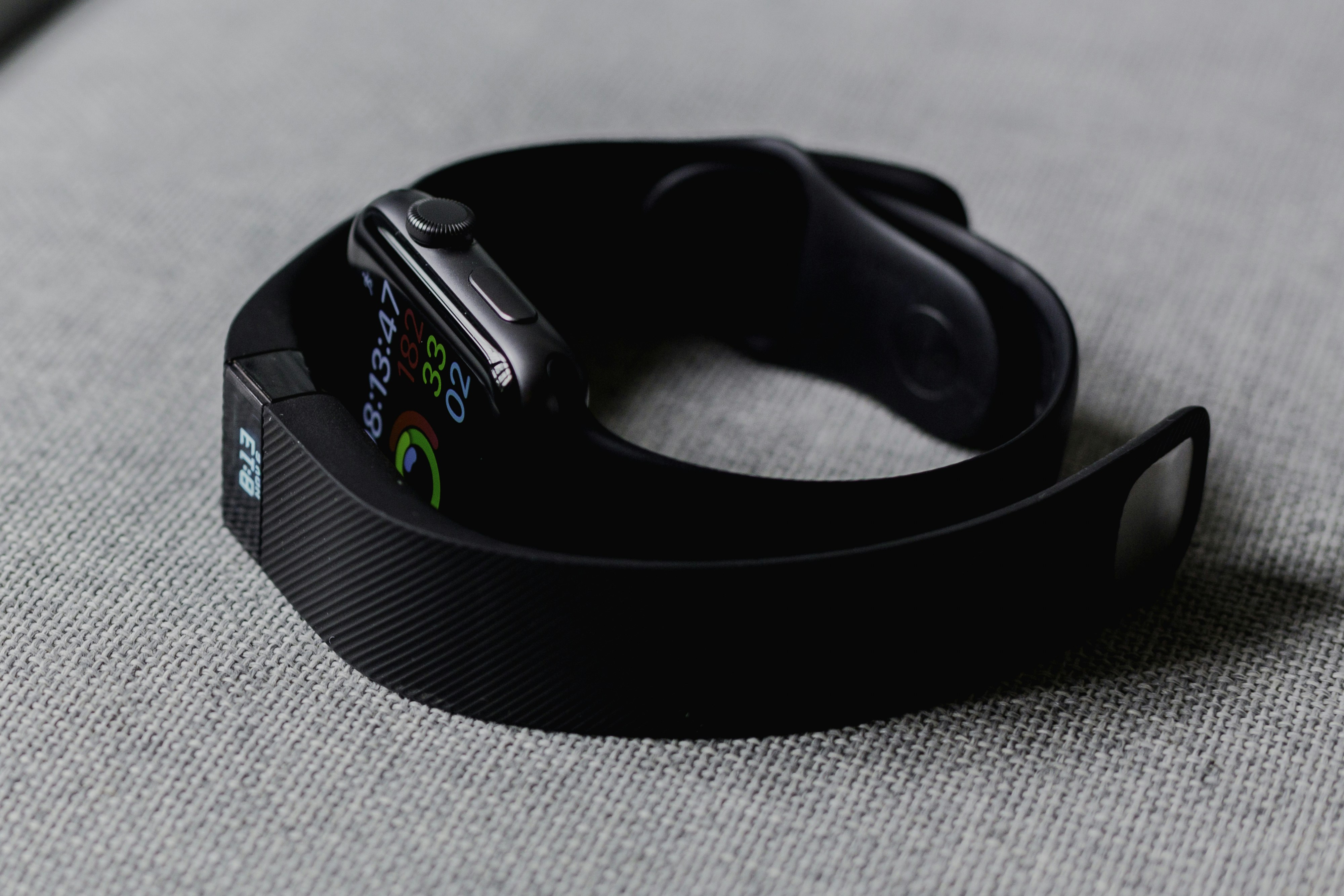
India is a "dirty" trip—you will be dusty, sweaty, and constantly on the move. Organization is the only thing keeping your sanity intact. Compression cubes allow you to separate your clean linens from your "I just spent 12 hours on a bus" grime.
4. Packable Rain Jacket
Don't let the "dry season" fool you. Whether you’re hitting the Western Ghats or the Northeast, a sudden downpour can soak you to the bone. A lightweight, packable jacket that doubles as a windbreaker for chilly Himalayan mornings is a versatile essential.
Local Pro Tip: Don't overpack basics. You can buy incredible, cheap, hand-printed cotton clothes (kurtas and "elephant pants") at any local market for a fraction of the price back home. Leave 20% of your bag empty for these finds.
Footwear: From Dusty Streets to Holy Floors
The Problem vs. The Reality: You might think heavy-duty hiking boots are necessary for a "rugged" country like India. In reality, you’ll be taking your shoes off dozens of times a day to enter temples, homes, and even some shops.
5. Waterproof, Easy-to-Remove Sandals
You want something with a backstrap (to avoid losing them in a crowd) but that can be "whipped off" in seconds. Brands like Chaco or Teva are gold here. They handle the mud of a monsoon and the heat of the city perfectly.
6. Breathable Trail Runners
For the days you aren't temple-hopping, you need something with grip. India’s sidewalks are... creative. You’ll be dodging potholes, cows, and uneven cobblestones. A pair of breathable trail runners provides the support of a boot without the weight.
Footwear Comparison Table
| Activity | Recommended Shoe | Key Benefit |
|---|---|---|
| Temple Hopping | Slip-on Sandals | Fast removal; keeps feet cool. |
| City Navigation | Trail Runners | Traction on uneven/slick surfaces. |
| Mountain Trekking | Hiking Shoes | Ankle support for steep terrain. |
The Health & Hygiene Kit: Fighting 'Delhi Belly'
Staying healthy in India is a full-time job. It’s not about if you’ll get a bit of an upset stomach, but how quickly you recover.
7. Comprehensive First-Aid Kit
Your kit must include rehydration salts (ORS). Travelers who carry dedicated electrolyte salts report a 65% higher success rate in recovering quickly from heat-related fatigue and stomach issues during North India's peak summer months. Also, pack broad-spectrum antibiotics (consult your doctor) and plenty of hand sanitizer.
8. Insulated Water Bottle
Single-use plastic is a nightmare in India. Bring a high-quality insulated bottle. It keeps your water cold for 24 hours, which is a godsend when you're stuck in a 110°F train station. Use it in conjunction with a Grayl or Lifestraw filter to ensure your water is always safe.
9. Portable Handheld Fan
This might seem like a luxury until you’re sitting in an un-airconditioned "Sleeper Class" train carriage at 2 PM. A small, USB-rechargeable fan is a legitimate life-saver for mitigating the risk of heat exhaustion.
10. Industrial-Strength Insect Repellent
Mosquito-borne illnesses like Dengue and Malaria are real risks in certain regions. Go for a repellent with at least 30% DEET or Picaridin. Don't rely on "natural" lemon-eucalyptus sprays alone if you're heading into the jungles of Madhya Pradesh or Kerala.
Tech & Security for the Long Haul
India’s infrastructure is rapidly improving, but the power grid remains a wild card.
11. Universal Power Adapter with Surge Protection
Voltage spikes are common. A cheap adapter might fry your $1,000 smartphone. Get one with built-in surge protection and multiple USB ports.
12. High-Capacity Power Bank
When your 12-hour train journey turns into an 18-hour epic, and the outlet at your seat doesn't work (a common occurrence), a 20,000mAh power bank becomes your best friend. It keeps your GPS and maps alive when you're navigating a new city at night.
13. Hidden Money Belt/RFID Pouch
While India is generally safe for travelers, pickpocketing in dense markets like Chandni Chowk is an art form. Keep your passport and bulk cash in a hidden belt under your clothes. Only keep the day's spending money in your pocket.

Transit Comfort: Navigating the Chaos
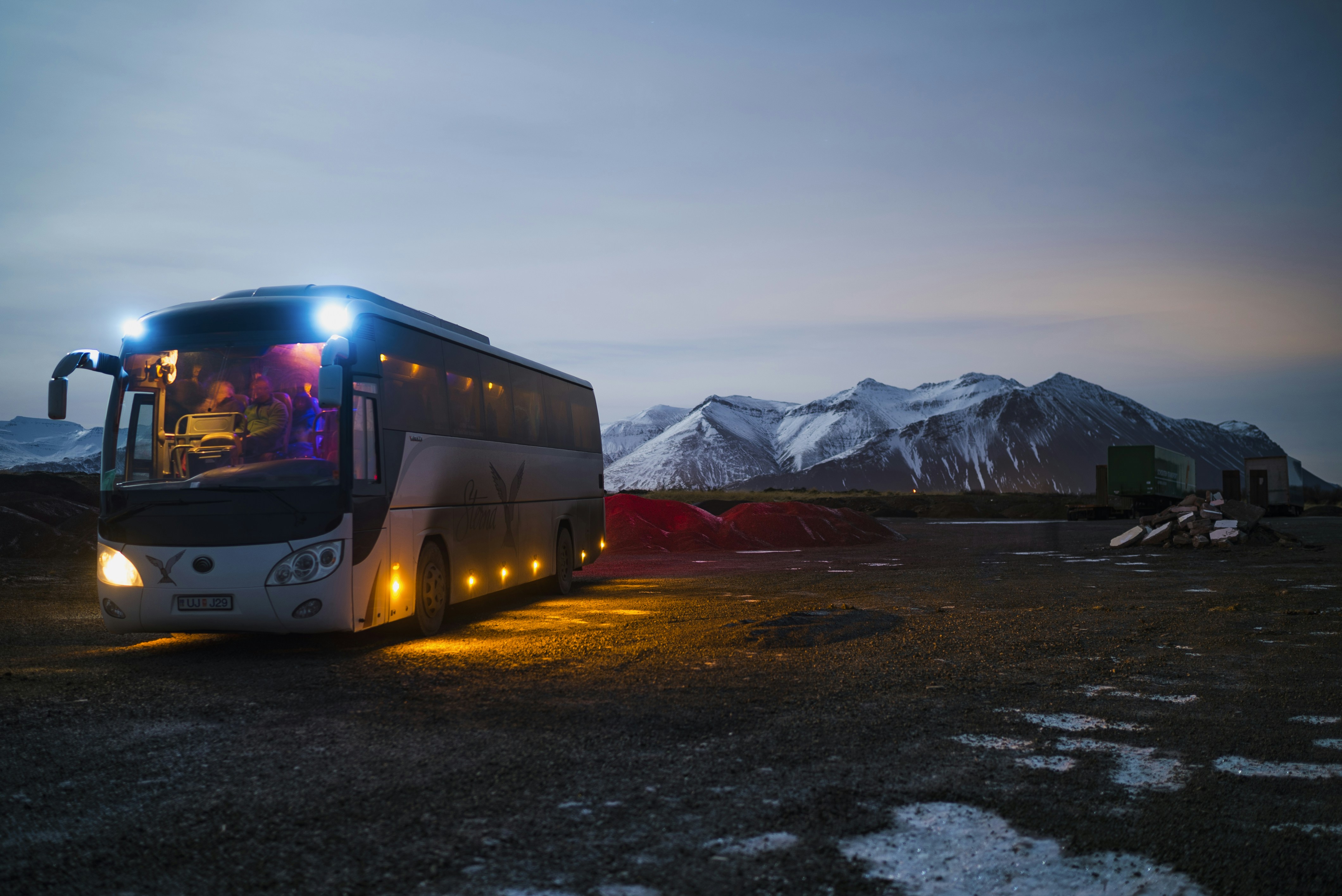
If you're backpacking, you'll be spending a lot of time in transit. India is loud—wonderfully, chaotically loud.
14. Trtl or Neck Pillow
The roads can be bumpy, and the train seats can be stiff. A supportive neck pillow isn't just for the flight over; it's for the 6-hour bus ride into the mountains.
15. High-Quality Earplugs
From 5 AM temple bells and mosque calls to the midnight roar of a wedding procession (complete with brass bands and fireworks), sleep is a precious commodity. Get industrial-grade silicone earplugs if you want any chance of a full night's rest.
Conclusion: Packing Light for the Trip of a Lifetime
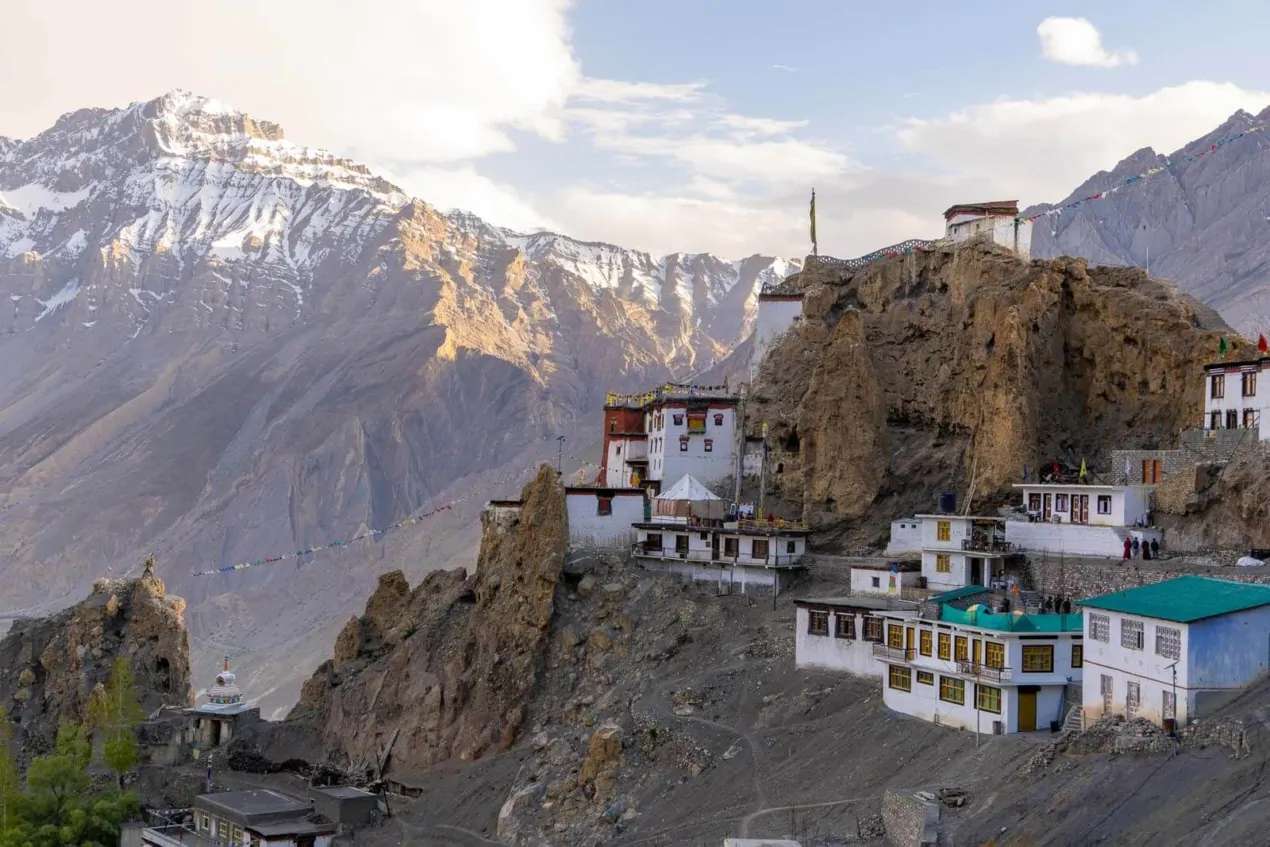
India will challenge you, exhaust you, and ultimately change you. But it’s a lot harder to experience the "magic" of the Ganges or the serenity of the Himalayas if you're nursing a heatstroke or hauling a suitcase that weighs as much as a small cow.
Stick to the "Thirds Rule": Bring one-third of the clothes you think you need, twice the amount of rehydration salts, and a third of the expectations for things to go "according to plan." Pack light, stay modest, and keep your gear secure. The landscapes are waiting.
FAQ
1. Is it safe to drink the tap water in India if I use a filter? While high-end filters like the Grayl can remove bacteria and viruses, most veterans recommend sticking to filtered water provided by hotels or using a UV-purification system. Always avoid ice in drinks at street stalls.
2. What is the most important item for a solo female traveler in India? Modesty. Covering your shoulders and legs (loose-fitting clothes) significantly reduces unwanted attention and shows respect for local norms. A large scarf is your most versatile tool for this.
3. Do I really need DEET repellent? In many parts of India, especially during or after the monsoon, mosquitoes are more than just a nuisance—they carry Dengue and Malaria. Using a high-strength repellent in the evenings is a critical safety measure.