For years, the narrative around European ski vacations has been dominated by a single, expensive theme: the "Rich Person’s Sport." We’ve all seen the brochures of $500-a-night chalets in Courchevel or the $20 cocktails in St. Moritz. But as someone who has spent the better part of a decade sniffing out the world’s best budget routes, I’m here to tell you that the "Alpine Paradox" is real. You can have the luxury-grade terrain, the world-class lift systems, and the postcard-perfect Austrian charm without draining your savings account.
The secret? Schladming.
Once a gritty silver-mining town in the heart of Styria, Schladming has evolved into one of the most sophisticated winter hubs in the world. Yet, it has managed to keep its feet on the ground. While a day pass in Zermatt might make your eyes water, Schladming offers access to the elite Ski Amadé network with daily tickets priced between $78 and $92 for the 2025 season. When you factor in the sheer volume of terrain—76 miles of interconnected trails across four mountain peaks—the "trail-mileage-per-dollar" value is practically unbeatable in Western Europe.
Mastering the Pistes: 76 Miles of Value
What sets Schladming apart isn't just that it’s cheaper than the Swiss giants; it’s that you don’t sacrifice quality for the price. The "Schladming 4-Mountain Ski Area" connects Hauser Kaibling, Planai, Hochwurzen, and Reiteralm. This means you can ski from one end of the valley to the other without ever taking off your boots or hopping on a bus.
For the budget-conscious traveler, this interconnectivity is a logistical goldmine. You can find cheaper accommodation in the "fringe" villages like Haus im Ennstal or Pichl and still have direct access to the same world-class slopes as the people paying premium prices in the center of Schladming. The terrain itself is incredibly diverse. You have the adrenaline-pumping World Cup runs on the Planai for the experts, and wide, sun-drenched "pleasure runs" on Hauser Kaibling for those who prefer a mellow cruise.
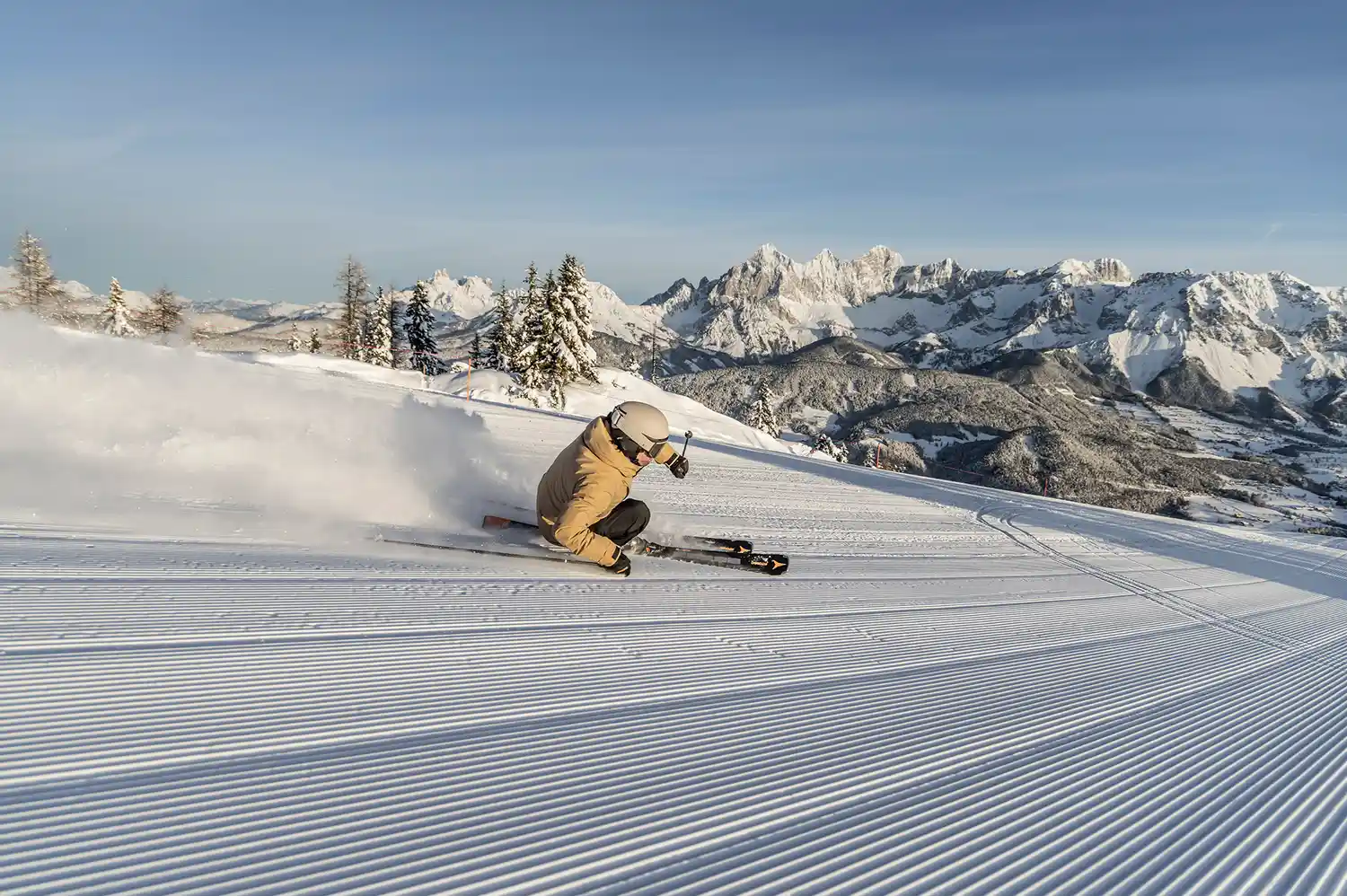
Budget Pro-Tip: To get the most out of your day, start at Hauser Kaibling at 8:15 AM. Most of the crowds congregate at the main Planai gondola in town. By starting at the edge, you get two hours of untouched corduroy before the masses arrive, effectively getting more "skiing" out of your day pass.
Lift Pass Hacks: Navigating Ski Amadé Prices for 2025
The price of a lift ticket is usually the biggest hurdle for backpackers and budget travelers. For the 2024/2025 season, Schladming continues to use a dynamic pricing model. This is a game-changer if you’re a planner.
The logic is simple: the earlier you book online, the lower the price. If you wait until you’re standing at the ticket window, you’ll pay the maximum rate (around $92). However, by booking a few weeks in advance for off-peak days, I’ve seen prices drop as low as $78.
| Resort Region | Day Pass Price (Est. 2025) | Total Interconnected Miles | Value Score (Miles/$) |
|---|---|---|---|
| Schladming (Ski Amadé) | $78 - $92 | 76 Miles | High |
| Zermatt, Switzerland | $105 - $115 | 125 Miles | Moderate |
| Val d'Isère, France | $85 - $95 | 185 Miles* | High (but lodging is 2x) |
| Kitzbühel, Austria | $82 - $88 | 57 Miles | Moderate |
Note: While some French resorts have more total mileage, the cost of living (food, beer, beds) in Schladming is significantly lower, making the "Total Trip Cost" much more manageable.
Your Schladming pass is also part of the Ski Amadé network, Europe's second-largest ski area. If you have a car or are willing to use the regional trains, that same pass gives you access to 470 miles of slopes across five regions (including Salzburg Sportwelt and Gastein). For a long-term traveler, the "mile-per-dollar" ratio here is astronomical.
Strategic Timing: When to Go for the Deepest Discounts
If you show up during the week of Christmas or the February school holidays, you’re going to pay a premium. That’s just the reality of the Alps. To experience Schladming as a true budget escape, you need to target the "Value Windows."
- Late November to Mid-December (Early Season): The lifts usually start turning in late November. The town is quiet, the Christmas markets are just starting to twinkle, and accommodation prices are at their lowest. Thanks to intensive snow-making capabilities, the main runs are almost always guaranteed to be open.
- Mid-April (Late Season): This is my personal favorite. The days are longer, you can ski in a light jacket, and the "Sun Skiing" deals are everywhere. You get the "spring break" vibe without the insane price tag.
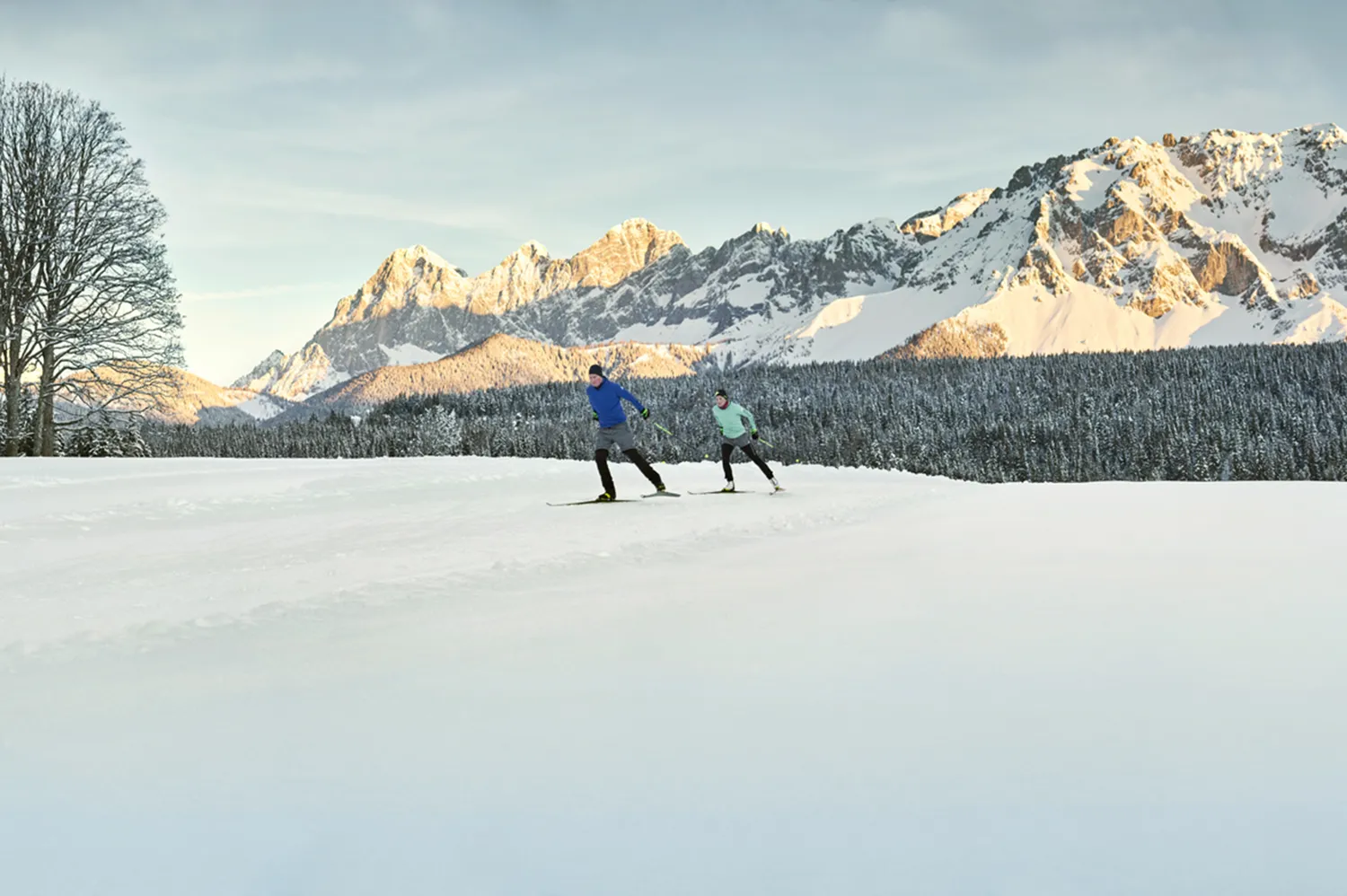
During these periods, you’re not just saving on lift tickets; you’re saving on the "hidden costs." Ski rentals are often discounted, and hostels/guesthouses frequently offer "4 nights for the price of 3" packages.
Budget-Friendly Basecamps: Where to Stay
In many Alpine towns, you’re forced to choose between a sterile hostel 10 miles away or a luxury hotel. Schladming has a healthy "middle" that caters perfectly to the resourceful traveler.
- Luxury Value: Falkensteiner Hotel Schladming. If you want to splurge without being ripped off, this is the spot. It features a wood-paneled alpine aesthetic and a massive on-site spa. The "value" here comes from the half-board options—the breakfast and dinner spreads are so massive you won't need to spend a cent on lunch.
- Mid-Range/Boutique: Hotel Stadtvilla. Located right in the heart of town with fewer than 30 rooms. It offers mountain views and a contemporary feel. It’s perfect for couples who want the "boutique" experience on a moderate budget.
- Wellness Focus: Natur- und Wellnesshotel Höflehner. Located slightly up the mountain on the Ennstal side. It’s a "ski-in/relax-out" property. While the nightly rate is higher, you save on transportation and expensive resort meals because the mountain-side location encourages staying in and enjoying their top-tier facilities.
The Backpacker Secret: Look for Frühstückspensionen (Bed & Breakfasts). These are small, family-run guesthouses. You’ll get a clean room, a massive Austrian breakfast (bread, meats, cheeses, coffee), and insider tips from the owners for about $50-$70 a night.
Adventure Beyond the Skis: Low-Cost Winter Magic
Schladming is one of the few resorts where non-skiers don't feel like second-class citizens. If your knees need a break or you’re traveling with someone who doesn’t ski, the low-cost activities are actually some of the trip highlights.
One of the coolest (and cheapest) things to do is night hiking through the Talbach Gorge. The trail connects Schladming to the village of Rohrmoos and is illuminated by spotlights until midnight. It feels like walking through a fantasy novel—frozen waterfalls, dramatic rock faces, and the sound of rushing water—all for the grand total of $0.
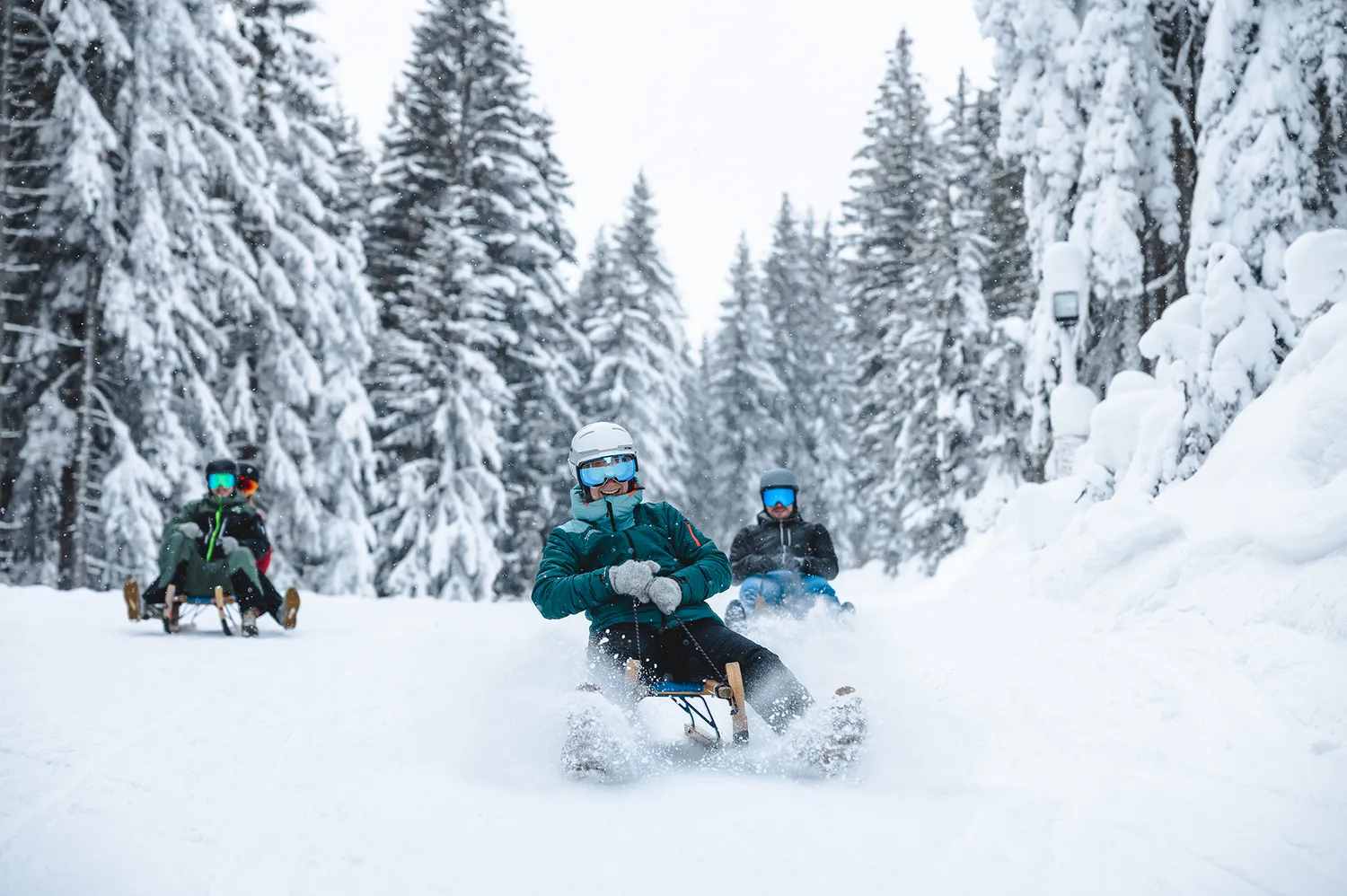
Then there’s the tobogganing. This isn't the little plastic sleds of your childhood. At Hochwurzen, you’ll find a four-mile natural toboggan run. You take the gondola up at night, rent a sturdy wooden sled, and blast down the mountain under the floodlights. It’s high-adrenaline, hilarious, and costs a fraction of a day of skiing.
Fueling Up: Authentic Eats without the "Resort Tax"
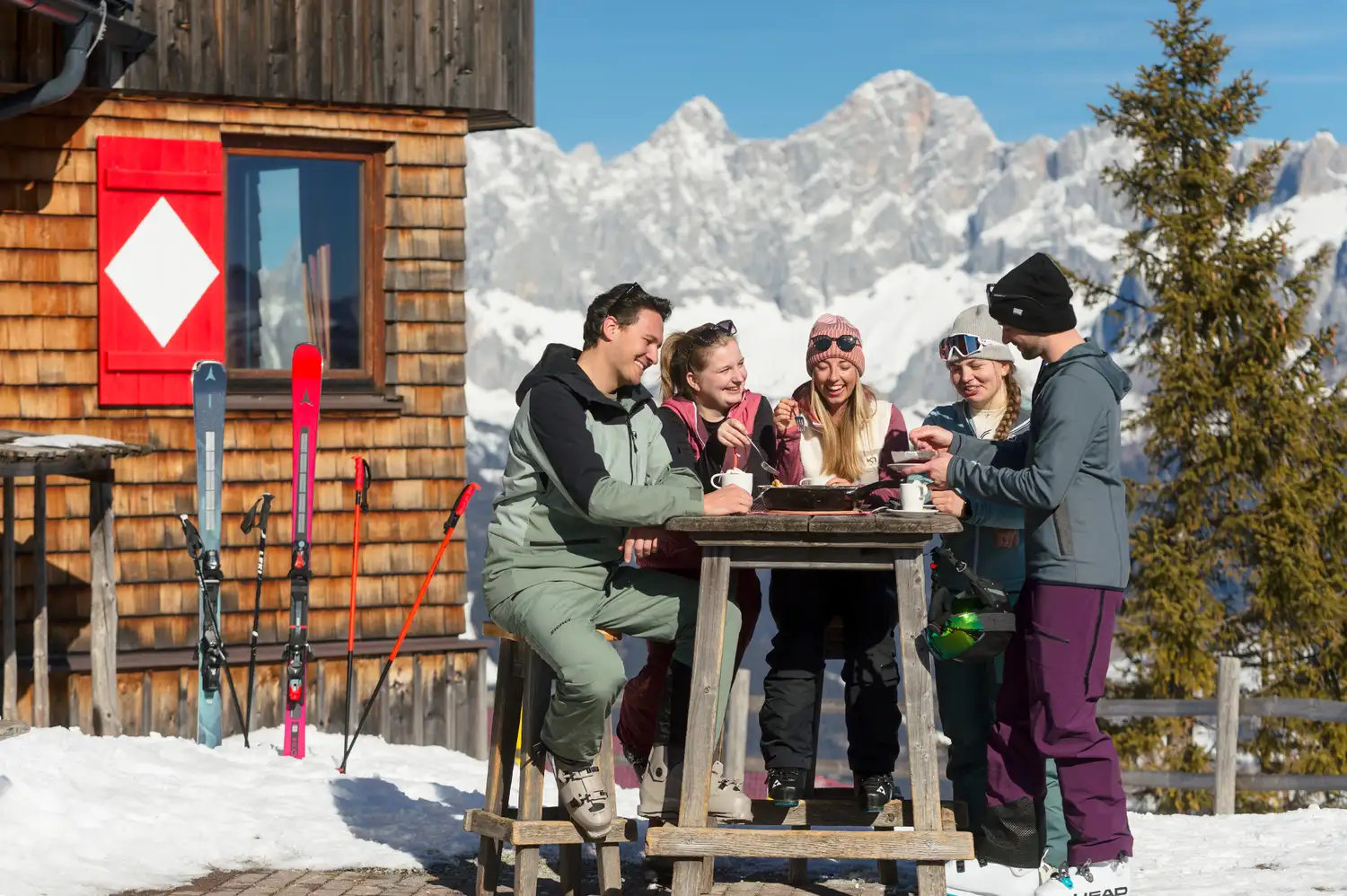
Austrian mountain food is a budget traveler’s dream because it’s incredibly filling. One bowl of Kaspressknödelsuppe (cheese dumpling soup) can power you through six hours on the slopes.
- The Coffee Stop: Hufschmiede Café. It has a cool "salon" vibe with excellent espresso. It’s where the locals go to escape the tourist rush.
- The Hearty Dinner: Stadtbräu. Located in the town center, this is the spot for a classic Wiener Schnitzel or pork filet. The portions are "Austrian-sized" (read: huge), and the prices are fair.
- The Mountain Lunch: Schafalm. Perched on the Planai, this hut features staff in traditional lederhosen and a massive fireplace. While mountain huts are usually overpriced, Schafalm offers high-quality Styrian specialties that justify the cost.
- The Après-Ski Legend: Hohenhaus Tenne. This is reportedly the largest après-ski hut in Europe. Even if you aren't a big partier, it’s worth visiting just for the spectacle. Because of its size, they have a wide range of drink prices, making it more accessible than the tiny, exclusive "VIP" bars in other resorts.
FAQ
Is Schladming suitable for beginners? Absolutely. While it's famous for its World Cup "Black" run, the Rohrmoos plateau and the top of Hauser Kaibling offer wide, gentle "Blue" slopes that are perfect for learning.
Do I need a car in Schladming? Not at all. The town is very walkable, and the ski bus system is free for lift-pass holders. The train station in the center of town connects directly to Salzburg and Graz, making it one of the most accessible resorts for train-travelers.
How does the dynamic pricing work? Think of it like an airline ticket. There is a set number of tickets at the lowest price point. Once those are sold, the price moves to the next tier. Booking on the Ski Amadé Online Ticket Shop at least 2 weeks in advance is the sweet spot.
Final Thoughts from Daniel
Schladming proves that you don’t need a six-figure salary to experience the pinnacle of European skiing. It’s a town that respects its heritage, values its visitors, and offers a level of efficiency that makes every dollar go further. Whether you’re there to conquer the 76 miles of trails or just to hike through a frozen gorge with a thermos of mulled wine, Schladming is, without a doubt, the best affordable Alpine escape for 2025.
See you on the Planai. Just look for the guy in the well-worn jacket—I'll be the one getting the early bird discount.