Quick Facts
- The Trend: Expedia recorded a massive 2,700 percent increase in searches for Taipei as global travel interest surged, solidifying its position as a primary Asian hub for 2026.
- New Connectivity: Starting July 2026, EVA Air will launch the first-ever nonstop service between Washington D.C. (IAD) and Taipei (TPE), operating four times per week.
- Recognition: Taipei has been officially named one of Travel + Leisure’s 50 Best Places to Travel in 2026.
- Transport Advantage: The Taipei MRT (Mass Rapid Transit) is consistently ranked among the world’s most efficient and cleanest urban rail systems.
- Entry Requirements: U.S. citizens can enter Taiwan visa-free for stays of up to 90 days. For those intending to drive, an International Driver’s Permit (IDP) is strictly required, though public transit remains the recommended choice.
Introduction: The 2,700% Surge in Interest
For years, Taipei sat comfortably in the shadow of Tokyo and Seoul—a reliable stopover for business travelers or a secondary destination for those who had already "done" East Asia. However, a seismic shift in travel data suggests that the narrative has changed. In 2023, as the world fully reopened, Expedia reported a staggering 2,700 percent spike in search volume for Taipei. This wasn’t a temporary blip; it was the beginning of a sustained ascent that has culminated in Taipei being named one of the "50 Best Places to Travel in 2026" by Travel + Leisure.
As a travel critic, I look for more than just "buzz." I look for the infrastructure that supports the hype. Taipei’s current momentum is fueled by a rare combination of increased accessibility from the U.S. East Coast, a stabilized cost of living that makes it more affordable than its neighbors, and a cultural depth that balances hyper-modernity with preserved tradition. Whether you are a solo traveler seeking the world’s safest urban environment or a culinary enthusiast chasing Michelin-starred street food, Taipei in 2026 represents the most balanced value proposition in Asia.
Getting There: The New Gateway from Washington D.C.
The single most significant development for U.S.-based travelers is the expansion of nonstop flight corridors. While the West Coast has long enjoyed robust connectivity to Taiwan, the East Coast is finally receiving the "premium" treatment it deserves.
Starting in July 2026, EVA Air will debut its nonstop service between Washington Dulles (IAD) and Taipei (TPE). This route is a milestone, marking the first time the U.S. capital has been directly linked to Taiwan. The service will operate four times per week using the state-of-the-art Boeing 787-9 Dreamliner. For those unfamiliar with the aircraft, the 787-9 offers a significantly quieter cabin and better humidity control, which is essential for a flight of this duration.
EVA Air is not merely expanding a route; they are refining the "Trans-Pacific" experience. Passengers in Royal Laurel (Business) Class can expect the carrier’s signature catering, which often includes collaborations with world-renowned brands like Din Tai Fung. This expansion brings EVA Air’s North American network to a total of 98 weekly flights, with Washington D.C. becoming its eighth U.S. destination.
EVA Air North American Flight Network (Sample Weekly Frequencies)
| Departure City (Hub) | Destination | Frequency (Weekly) | Primary Aircraft |
|---|---|---|---|
| Washington D.C. (IAD) | Taipei (TPE) | 4x | Boeing 787-9 |
| Los Angeles (LAX) | Taipei (TPE) | 21x (3 Daily) | Boeing 777-300ER |
| San Francisco (SFO) | Taipei (TPE) | 21x (3 Daily) | Boeing 777-300ER |
| New York (JFK) | Taipei (TPE) | 7x | Boeing 777-300ER |
| Chicago (ORD) | Taipei (TPE) | 7x | Boeing 777-300ER |
| Houston (IAH) | Taipei (TPE) | 7x | Boeing 777-300ER |
| Seattle (SEA) | Taipei (TPE) | 10x | Boeing 787-10 / 777 |
Why Taipei is the 2026 Favorite: A Critic’s Analysis
From an objective standpoint, Taipei’s appeal in 2026 boils down to three pillars: safety, affordability, and the "entry-level" ease of exploration.
- Unmatched Safety: Taipei consistently ranks as one of the safest cities globally. For first-time travelers to Asia or solo travelers, the "anxiety factor" is virtually non-existent. You can walk through the city at 3:00 AM without a second thought—a luxury that is becoming increasingly rare in many Western metropolises.
- The "Goldilocks" Economy: While inflation has sent prices in Japan and Singapore skyrocketing, Taipei has maintained a remarkably stable cost of living for tourists. Your dollar goes significantly further here; a high-end, 10-course tasting menu in Taipei often costs half of what a comparable meal would cost in Tokyo or Hong Kong.
- The Entry-Level Gateway: Taipei offers a "soft landing" into Chinese-influenced culture. The city is manageable, the people are famously hospitable, and English signage is ubiquitous. It provides the depth of history found in Mainland China with the democratic ease and modern infrastructure of a global tech hub.
Top Experiences for 2026 Travelers: Iconic Landmarks
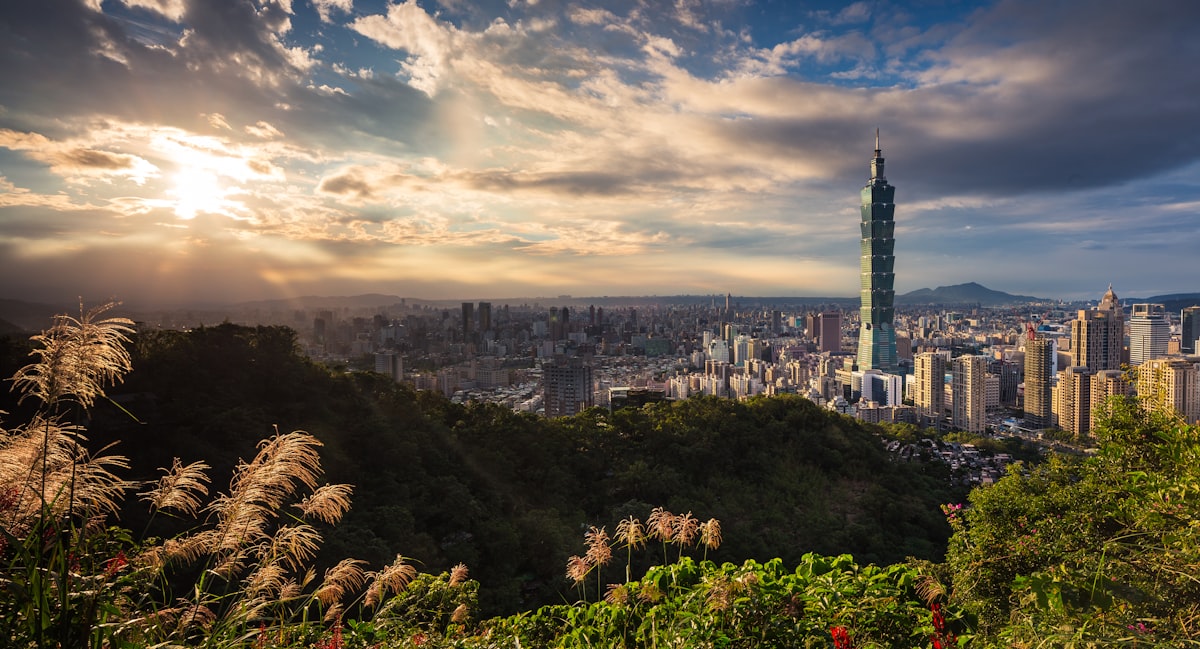
Taipei’s skyline is a dialogue between the future and the past. No visit is complete without witnessing the engineering marvel that is Taipei 101. For the most adventurous travelers, I recommend the Skyline 460 experience—an outdoor walking platform on the 101st floor that offers an unobstructed 360-degree view of the Taipei Basin.
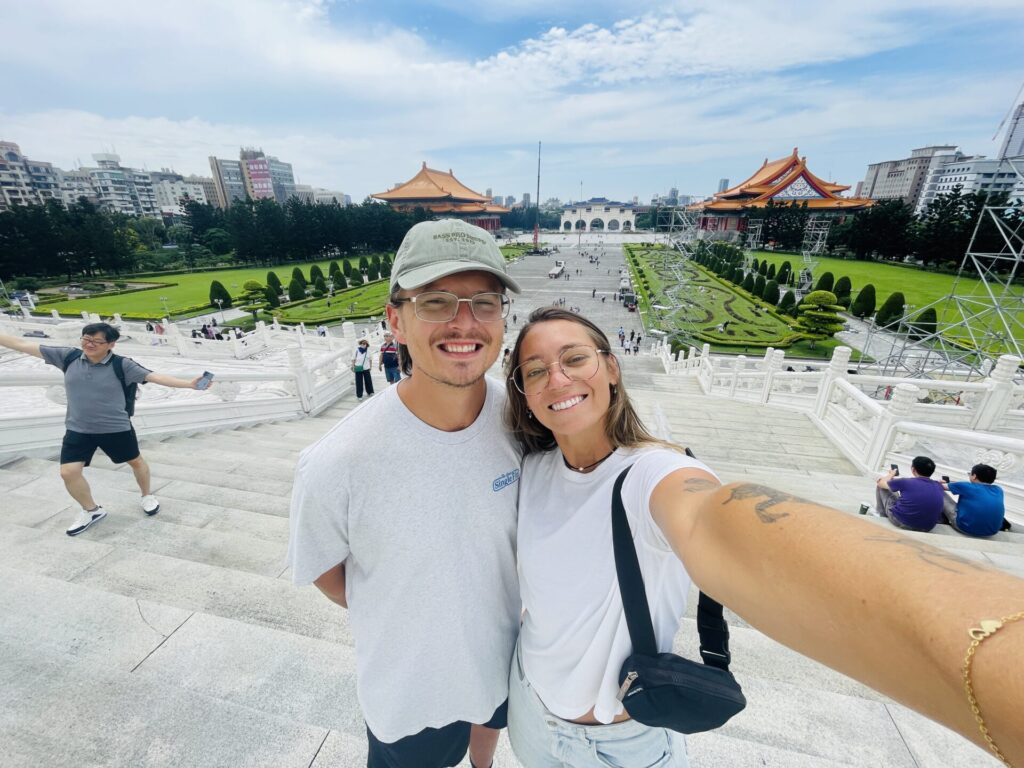
Equally essential is the Chiang Kai-shek Memorial Hall. The sheer scale of Liberty Square, flanked by the National Theater and National Concert Hall, is a testament to the city's architectural ambition. Watching the changing of the guard ceremony provides a rhythmic, disciplined look into the nation’s history.
Cultural Heritage: Dihua Street and Longshan Temple
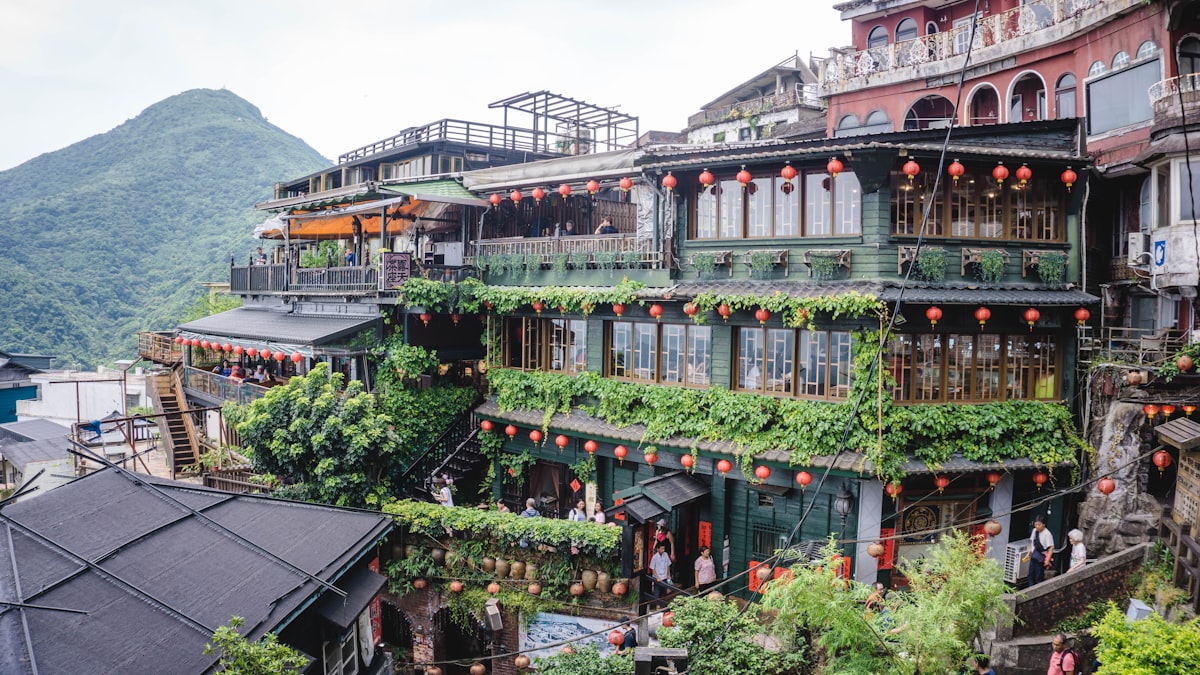
Beyond the steel and glass lies the soul of the city. Dihua Street in the Dadaocheng district is where Taipei’s 19th-century merchant history lives on. It is a sensory overload of dried medicinal herbs, high-grade Oolong teas, and traditional fabrics housed in restored Baroque-style storefronts.
For a spiritual perspective, Longshan Temple remains the city’s beating heart. Built in 1738, it has survived earthquakes, fires, and even bombings during WWII. It is a "living" temple—it’s common to see young professionals in business suits stopping by to offer incense before a big meeting, proving that in Taipei, tradition is not a museum piece; it is an active participant in daily life.
The Culinary Capital: From Night Markets to Michelin Stars
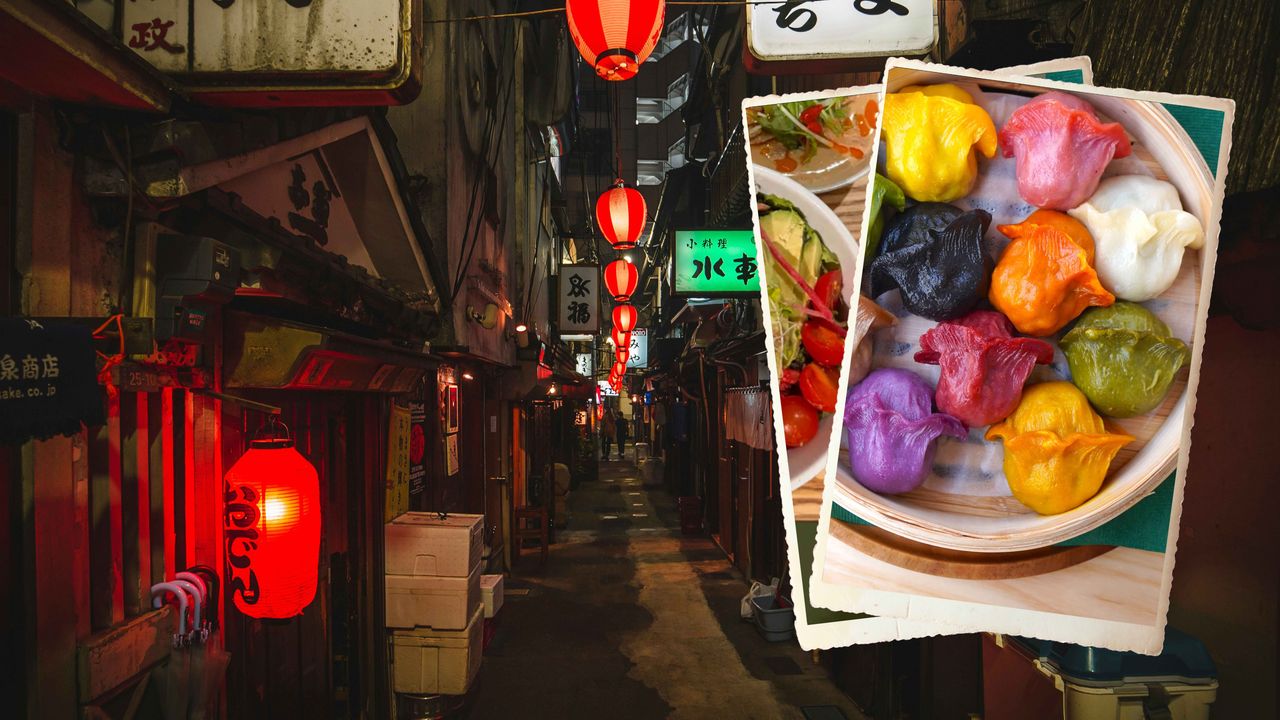
Taipei’s food scene is arguably its strongest draw. The city doesn't just have restaurants; it has a food culture that operates 24 hours a day. The Night Market Circuit is where that 2,700% search interest transforms into reality.
- Raohe Street Night Market: Known for its ornate entrance and the legendary Black Pepper Buns (Hu Jiao Bing).
- Ningxia Night Market: A favorite among locals for its focus on traditional Taiwanese "small eats" (xiaochi) and its relatively compact, manageable layout.
- Shilin Night Market: The largest and most famous, though often criticized for being "too touristy." However, the underground food court remains a rite of passage for any visitor.

The Must-Eat List for 2026
If you are navigating the city’s culinary map, prioritize these three staples:
- Beef Noodle Soup: Often cited as the national dish. Look for shops that have won the "Taipei Beef Noodle Soup Competition"—the broth is aged and deep in umami.
- Xiao Long Bao: While Din Tai Fung is the global gold standard (and their original Xinyi Road location is a pilgrimage site), don't overlook local favorites like Hangzhou Xiao Long Bao for a more "rustic" experience.
- Braised Pork Rice (Lu Rou Fan): A humble bowl of minced pork belly over rice that defines Taiwanese comfort food.
Navigating the City: Practical Tips for 2026
From a logistical standpoint, Taipei is a dream. The MRT system is your primary tool. It is color-coded, English-friendly, and remarkably cheap. Trains arrive every few minutes, and the stations are so clean that eating and drinking are strictly prohibited (and enforced with fines).
Expert Pro Tip: Purchase a Taipei Fun Pass or a standard EasyCard immediately upon arrival at the airport. The EasyCard is not just for transit; you can use it to pay at 7-Eleven, FamilyMart, Starbucks, and even many taxis. It eliminates the need to carry heavy coins.
Driving vs. Public Transit
I am often asked about car rentals. Unless you are planning an extensive road trip to the East Coast (Hualien or Taitung), do not rent a car in Taipei. Traffic is dense, and parking is both scarce and expensive. If you must drive, remember that an International Driver’s Permit (IDP) is mandatory. Without it, rental agencies will refuse service, and your insurance will be void. For city travel, the MRT and the ubiquitous "YouBike" sharing system are significantly faster.
Seasonal Timing
To maximize your experience, avoid the "Plum Rain" season (typically May to June), which can bring persistent humidity and downpours. The "Sweet Spot" for 2026 travel is October through February. The temperatures are mild (60s and 70s Fahrenheit), and the air is crisp, perfect for urban hiking up Elephant Mountain.

Conclusion: The Final Verdict
Taipei is no longer just a "hidden gem"—it is a major player on the global stage. By 2026, the combination of EVA Air’s expanded nonstop network and the city's relentless focus on high-quality tourism will make it the premier choice for U.S. travelers looking for an Asian hub that offers safety, culture, and value. Whether you are there for the broth of a world-class beef noodle soup or the view from the top of Taipei 101, the city delivers an objective level of excellence that few other urban centers can match.
FAQ
Q: Do I need a visa to visit Taipei from the US? A: No, U.S. passport holders can enjoy visa-free entry for up to 90 days for tourism or business purposes.
Q: Is English widely spoken in Taipei? A: Yes, especially among the younger generation and in the tourism industry. All MRT signs and most restaurant menus are bilingual.
Q: What is the best way to get from Taoyuan International Airport (TPE) to the city center? A: The Airport MRT Express Train is the fastest option, taking approximately 35-40 minutes to reach Taipei Main Station.