Quick Facts
- Dates: February 6 – 22, 2026 (Olympics); March 6 – 15, 2026 (Paralympics).
- Host Cities: A dual-hosting first between Milan (Lombardy) and Cortina d’Ampezzo (Veneto).
- Scale: Approximately 2,900 athletes competing across 116 events.
- Diversity: The most gender-balanced Winter Games in history, with nearly 50% female participation.
- Distance: Venues are spread across 22,000 square kilometers, with over 300 miles separating key sites.
Twenty years after the flame last flickered in the Italian Alps during the Turin 2006 Games, the Winter Olympics are returning to their spiritual home. The Milano-Cortina 2026 project is an ambitious, sprawling masterpiece of logistics, spanning the urban sophistication of Italy’s fashion capital and the jagged, limestone cathedrals of the Dolomites. However, for the traveler looking to witness this historic revival, the geography presents a formidable challenge. Unlike the compact footprints of previous Games, 2026 is a "territorial" event. If you are starting your planning now, you are entering the "last-minute" window where strategic precision outweighs broad enthusiasm.
Tip 1: Master the Official Ticket Resale Market
The primary ticketing phases—the draw and the first-come-first-served sales—have already seen massive engagement. If you find yourself without the specific events you desire, do not panic and, more importantly, do not turn to unauthorized third-party vendors. The risk of fraudulent tickets is exceptionally high for an event of this magnitude.
Where can I buy last-minute 2026 Winter Olympics tickets? The official Milano-Cortina 2026 resale platform is scheduled to launch in December 2025. This is the only authorized site for buying and selling secondary tickets at face value. It is designed to ensure price transparency and prevent scalping, offering a secure environment for latecomers to snag seats for high-demand events like the Opening Ceremony at San Siro or the Men’s Downhill.
We recommend setting up your account on the official Olympic ticketing portal well in advance. Prices are expected to range from accessible €30 entry-level tickets for preliminary rounds to over €2,000 for luxury hospitality packages. By using the official resale platform, you also gain the flexibility to offload tickets should your travel plans shift—a common occurrence when navigating the complex Italian winter terrain.
Tip 2: Use the 'Geographic Cluster' Strategy to Beat the Distance
The most common mistake travelers make is attempting to "see it all." With 300 miles between Milan and Cortina, and the winding, snow-dusted roads of the Valtellina in between, a daily commute is impossible. To truly enjoy the Games, you must choose a base camp based on the sports you value most.
How do I travel between the 2026 Olympic venues? Since venues are over 300 miles apart, experts recommend choosing one geographic cluster to minimize travel time. For instance, if you prioritize figure skating and hockey, stay in Milan. If you want the classic alpine experience, focus on the Dolomites. Crossing between clusters during the Games can take 5–7 hours depending on weather and traffic.
2026 Olympic Venue & Sport Guide
| Cluster | Key Locations | Primary Sports | Vibe |
|---|---|---|---|
| Milan Cluster | San Siro, Rho Fiera, PalaItalia | Opening Ceremony, Figure Skating, Ice Hockey | Urban, high-energy, cultural hub. |
| Cortina Cluster | Tofane, Cortina Sliding Centre | Alpine Skiing (Women’s), Curling, Bobsleigh/Luge | Classic glamour, dramatic peaks, high-altitude. |
| Valtellina Cluster | Bormio (Stelvio), Livigno | Alpine Skiing (Men’s), Ski Mountaineering, Snowboarding | Rugged, adventurous, freestyle-focused. |
| Val di Fiemme | Predazzo, Tesero | Ski Jumping, Cross-Country Skiing | Traditional, serene, Nordic-centric. |
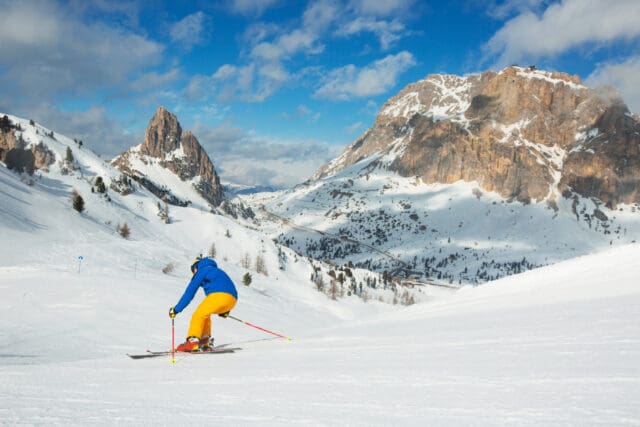
By focusing on a single cluster, you reduce the logistical "friction" of the trip. We suggest the Cortina Cluster for those who want the quintessential Winter Olympic aesthetic, or the Valtellina Cluster for fans of the new, high-octane disciplines like Ski Mountaineering.
Tip 3: Navigate the September Hotel Inventory Release
The accommodation landscape for 2026 is currently dominated by block-bookings. Large swaths of hotel rooms in Cortina and Bormio are currently "on hold" for the International Olympic Committee (IOC), national federations, and global sponsors. This creates an artificial scarcity that has sent prices skyrocketing.
When is the best time to book hotels for the 2026 Winter Olympics? Travelers should aim to finalize their bookings by September 2025. This is the critical window when organizers and sponsors must release unallocated rooms back into the public inventory. While you should monitor sites now, this "release phase" often provides the best opportunity to find central accommodations that were previously marked as "sold out."
However, be prepared for "Olympic pricing." In Cortina d’Ampezzo, hotel accommodation rates have already increased by 300% for the duration of the Games compared to standard seasonal rates. A modest three-star hotel that usually costs €200 a night may list for €800 or more during the peak weeks of February 2026.
Pro Tip: Look for "satellite" stays. If Cortina is unaffordable, consider the Alta Badia or Val Gardena valleys. These regions offer world-class hospitality and are connected to the Olympic venues via mountain passes that, while scenic, are much more manageable than driving from a major city.
Tip 4: Logistics of the Italian Winter
Italy’s infrastructure is world-class in the valleys but can be temperamental in the peaks. For 2026, your transport strategy should be "Bimodal": Train for the cities, and specialized mountain shuttles for the altitudes.
- The Rail Advantage: Italy’s high-speed rail (Frecciarossa) will be the primary artery connecting Milan, Verona, and Venice. We recommend using Verona as a transit hub; it sits at the crossroads of the rail lines heading north toward the mountains and east-west between the major cities.
- The Alpine Driving Reality: If you plan to drive to venues like Livigno or Bormio, be aware of strict traffic restrictions. Many "Olympic Lanes" will be reserved for official vehicles. Furthermore, parking near the venues will be virtually non-existent for the general public.
- Airport Gateways:
- Milan Malpensa (MXP): Best for the Milan and Valtellina clusters.
- Venice Marco Polo (VCE): The most logical gateway for Cortina d'Ampezzo and the Val di Fiemme.
Remember that winter driving in the Dolomites requires winter tires and snow chains by law. If you are not experienced with steep, icy hairpins, we strongly suggest utilizing the dedicated Olympic shuttle buses that will run from regional transit hubs to the venue gates.
Tip 5: Experience the New Olympic Spirit Beyond the Medals
The 2026 Games are not just a revival of tradition; they are a debut of the future. One of the most exciting additions is Ski Mountaineering (Skimo), making its Olympic debut on the grueling slopes of Bormio. This sport, which involves both climbing mountains on skis and descending them, captures the raw, adventurous spirit of the Italian Alps.
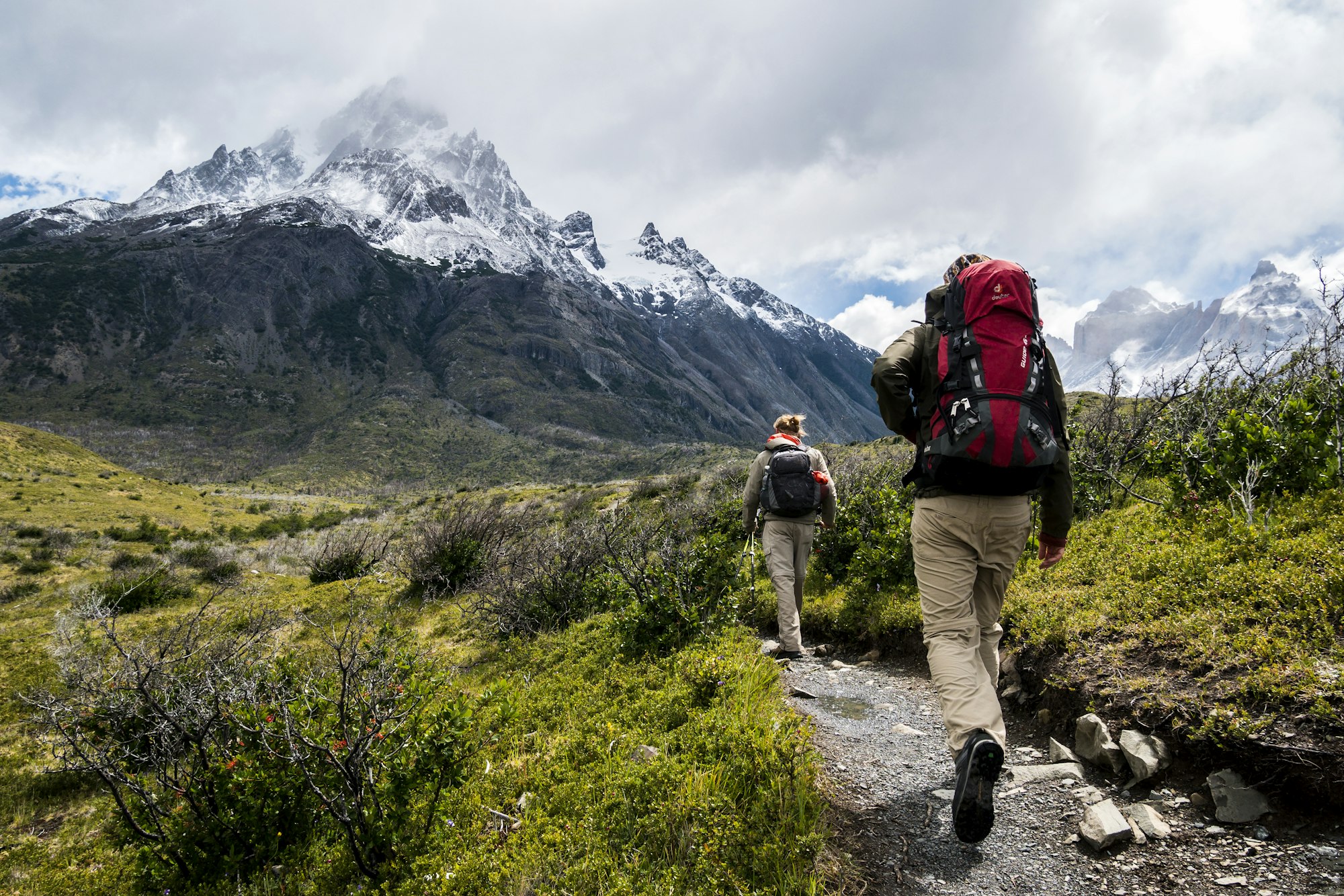
Beyond the competitive venues, the 2026 Games offer a unique cultural "apres-ski." In Milan, the cultural program will integrate masterpieces like Leonardo da Vinci’s The Last Supper with modern fan zones. In the mountains, the "Olympic Houses" hosted by various nations will offer a chance to sample international cuisines against the backdrop of the Dolomites.
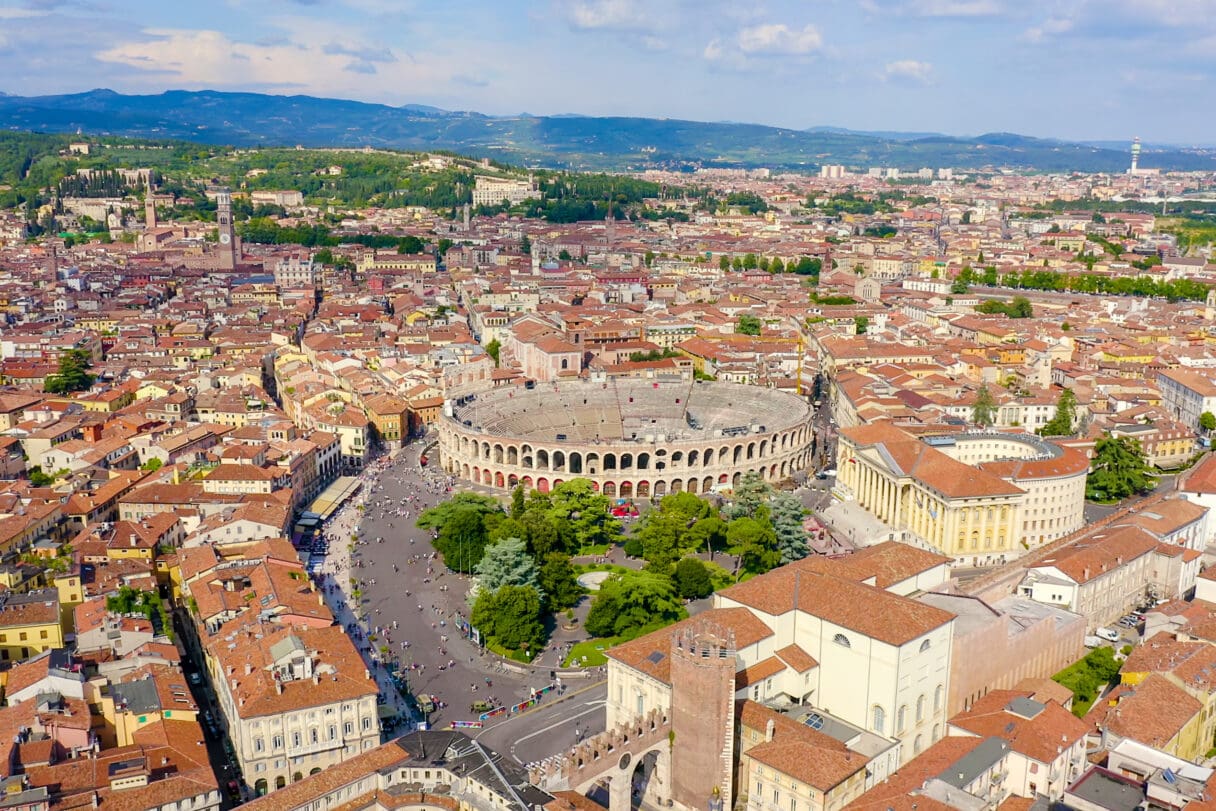
Finally, do not overlook the Closing Ceremony. It will be held in the Arena di Verona, a Roman amphitheater dating back to 30 AD. Watching the Olympic flame extinguished in a structure that has hosted spectacles for two millennia is a once-in-a-lifetime experience that bridges the gap between ancient history and modern sport.
FAQ
Q: Can I ski myself during the Olympics? A: Yes, but with limitations. Many of the famous "Sellaronda" routes and public slopes in the Dolomites will remain open, but the specific runs used for competition (like the Tofane in Cortina or the Stelvio in Bormio) will be closed to the public for several weeks. Expect higher-than-average crowds on the remaining open slopes.
Q: Is it better to stay in Milan or the mountains? A: This depends on your tolerance for cold and your interest in specific sports. Milan offers more "last-minute" hotel flexibility and a vibrant nightlife. The mountains offer the "true" Winter Olympic atmosphere but require much more rigorous planning and significantly higher budgets.
Q: Will there be public viewing areas if I don't have a ticket? A: Absolutely. Each host cluster will feature "Olympic Villages" and fan zones with giant screens, live entertainment, and local food vendors. These are often the best places to soak up the atmosphere without the high cost of stadium tickets.
The 2026 Winter Games will be a celebration of Italianità—the unique Italian blend of style, passion, and history. While the logistics of a 300-mile Olympic footprint are daunting, the reward is a journey through some of the most beautiful landscapes on earth. Start your planning today, watch for the September hotel release, and prepare for a winter in Italy that you will never forget.