London in 2026 is a city that has gracefully pivoted. While the historic weight of the Tower and the grandeur of Westminster remain, the soul of the city has migrated. Our 2026 London activity audit reveals a significant shift: 65% of the city’s top-rated experiences are now located in neighborhood-specific hubs like Peckham and Richmond, rather than the traditional central tourist district. This evolution offers travelers a more nuanced, "lived-in" version of the capital—one where Victorian infrastructure meets cutting-edge sustainability and a flourishing independent arts scene.
To truly understand London today, you must look beyond the postcard. It’s a city where you can find the only view in England protected by an Act of Parliament on Richmond Hill, or dive into the urban rejuvenation of the Canary Wharf docks, where water quality now consistently exceeds national bathing standards across a network of over 40 NOWCA-certified open-water swimming locations. This guide is your roadmap to navigating that duality: the iconic landmarks you can't miss and the hidden corners that will make you fall in love with the city.
I. The Iconic London Bucket List
For first-time visitors or those returning to pay their respects to history, the "Big Six" remain essential. However, the way we experience them has changed.
1. The Tower of London More than just a prison, this 1,000-year-old fortress is a masterclass in historical layering. Join a Yeoman Warder tour to hear tales of intrigue, then head to the Jewel House to see the Crown Jewels. Insider Tip: Arrive at opening to beat the crowds at the Jewel House.
2. The London Eye A 30-minute rotation on the South Bank offers a bird's-eye view of the capital’s sprawling geography. It remains the most popular paid attraction for a reason: the perspective on the Houses of Parliament is unparalleled.

3. Westminster Abbey Walking through the North Door is like stepping into a national mausoleum. From the Coronation Chair to Poets' Corner, the Abbey encapsulates 1,000 years of royal and literary history.
4. St Paul’s Cathedral Sir Christopher Wren’s masterpiece is a triumph of English Baroque. If your legs are up for it, climb to the Golden Gallery for one of the best views of the City’s financial district.
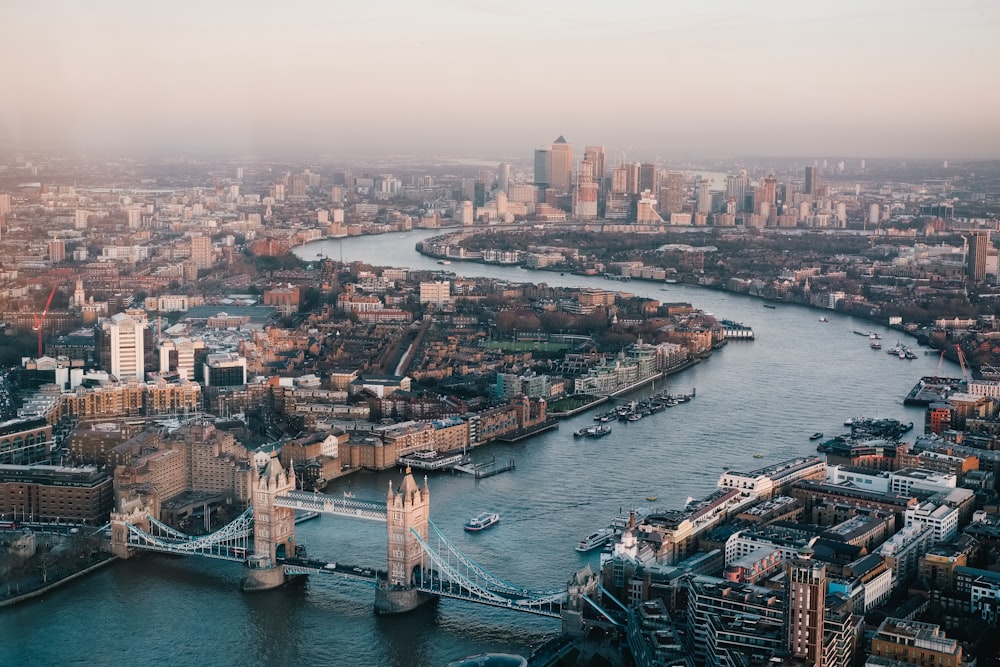
5. Tower Bridge Often confused with London Bridge, this Victorian marvel offers glass floor walkways for those who want to see the Thames rushing beneath their feet. Don't miss the Engine Rooms to see the original steam-powered machinery.
6. The British Museum Home to the Rosetta Stone and the Elgin Marbles, this is arguably the greatest museum of human history. Best of all, it remains free to the public, though booking a timed entry slot is now mandatory for a seamless experience.
II. Hidden Gems & Unique Cultural Experiences
If you want to move beyond the tourist circuit, London’s cultural depth is found in its after-hours events and "clandestine" spaces.
7. Tate Lates On the last Friday of every month, Tate Modern transforms. These after-hours art parties feature DJ sets, pop-up bars, and workshops, allowing you to experience world-class art without the school-trip crowds. It is the pinnacle of London’s modern cultural scene.
8. Soho Record Stores Despite the digital age, Soho’s vinyl culture is thriving. Spend an afternoon "crate digging" at Reckless Records or Sounds of the Universe. These aren't just shops; they are community hubs for the city's music obsessives.
9. The Barbican Centre Conservatory Hidden within the world’s most famous Brutalist complex is a massive tropical conservatory. It is a surreal juxtaposition: concrete pillars draped in exotic vines and koi ponds nestled beneath geometric glass ceilings. Entry is free but requires advance booking.
10. God’s Own Junk Yard Located in an inconspicuous warehouse in Walthamstow, this is a neon wonderland. It houses thousands of vintage neon signs, movie props, and circus lights. It’s an assault on the senses in the best possible way.
11. Kyoto Garden For a moment of Zen, head to Holland Park. Gifted by the Chamber of Commerce of Kyoto in 1991, this tiered waterfall and stone lantern garden is often visited by the park's resident peacocks.
III. The 2026 Neighborhood Hubs: Beyond the Center
London is a "city of villages," and in 2026, the real energy is in the outer boroughs.
12. Richmond Hill: The Protected View Take the District Line to Richmond and walk up the hill. You will find a view of the Thames so cherished that it is the only one in England protected by an Act of Parliament (the Richmond, Ham and Petersham Open Spaces Act 1902). It looks much the same today as it did when Turner painted it.
13. Peckham’s Rooftops Once a gritty industrial area, Peckham is now the creative heart of Southeast London. Head to Frank’s Cafe (on top of a multi-storey car park) for Campari sodas and a sunset view of the Shard.
14. Camden’s Music Scene The spirit of Amy Winehouse lives on in Camden. Catch a gig at the legendary KOKO or have a pint at The Dublin Castle, the pub that helped launch the careers of Blur and Madness.
15. Greenwich Heritage Stand with one foot in the Eastern Hemisphere and one in the Western at the Prime Meridian Line. Afterward, explore the Cutty Sark, the world’s last surviving tea clipper.
16. Brick Lane Thrifting On Sundays, the Truman Brewery area becomes a mecca for vintage enthusiasts. From 1970s leather jackets to rare mid-century furniture, the thrifting here is world-class.
IV. Authentic London Dining & Markets
The London food scene has evolved from "gray and bland" to "global and bold," yet its traditional roots remain accessible.
17. The Traditional Staple: M. Manze For the most authentic "pie and mash," head to M. Manze on Tower Bridge Road. Established in 1902, it is the oldest remaining shop of its kind. Order the classic pie, mash, and liquor (parsley sauce)—and perhaps some jellied eels if you’re feeling adventurous.
18. Borough Market London’s oldest food market is a sensory overload. While it can be busy, the quality of the produce—from Monmouth Coffee to Neal’s Yard Dairy cheeses—is superlative.

19. Columbia Road Flower Market Every Sunday, this narrow street in East London explodes in color. The market is famous for the banter of the stallholders ("Everthin' a fiver!"). Arrive early for the best selection, or after 2 PM for the best bargains.
20. Brixton Village This covered market reflects London’s Caribbean and Latin American heritage. Visit Ali Food Store for authentic spices or grab some of the best jerk chicken in the city at one of the neighboring stalls.
21. Afternoon Tea: Traditional vs. Modern While The Ritz offers the quintessential experience, for something uniquely 2026, try the tea service on the IFS Cloud Cable Car. You get scones, clotted cream, and 360-degree views of the Docklands as you glide over the Thames.
V. Adventure, Wellness & Outdoor London
Londoners have rediscovered their love for the outdoors, leading to a boom in "urban wilding" activities.
22. Open-Water Swimming The expansion of the NOWCA network has changed the city’s relationship with its water. In the shadow of the skyscrapers at Canary Wharf, you can now swim in the docks, where the water quality is tested daily. It’s an invigorating way to see the city's architecture.
23. Hampstead Heath For a more natural swim, the Hampstead Heath Ponds are legendary. Afterward, walk up to Parliament Hill. The panoramic skyline view from here is legally protected, ensuring the skyscrapers of the City don't obscure the horizon.
24. Richmond Paddleboarding Rent a board near Richmond Bridge. Paddling toward Eel Pie Island offers a serene perspective of the river’s houseboats and historic waterfront pubs.
25. The Royal Parks London is one of the greenest cities of its size. Don’t miss the Regent’s Park Rose Garden (12,000 roses) or a walk through Richmond Park, where hundreds of Red and Fallow deer roam freely.
VI. Seasonal & Special Events 2026
No matter when you visit, London’s calendar is packed with events that celebrate its diversity and history.
26. Chinese New Year (January/February) Trafalgar Square hosts the largest celebrations outside of Asia, featuring dragon dances and incredible street food.
27. Wisteria Hysteria & Chelsea Flower Show (Spring) In late April, West London turns purple as wisteria blooms over the white-stucco houses of Notting Hill. This culminates in the Chelsea Flower Show in May, the world's most prestigious gardening event.

28. Notting Hill Carnival (August) Europe's largest street party is a two-day explosion of Caribbean culture, music, and dance. It is loud, crowded, and utterly brilliant.

29. Hogwarts in the Snow (Winter) For fans of the Wizarding World, the Warner Bros. Studio Tour London is a year-round draw, but the 'Hogwarts in the Snow' transformation during the winter months adds a layer of festive magic that is hard to beat.

VII. Practical Planning & Budget Hacks 2026
London can be expensive, but with a bit of "insider" knowledge, you can see the city on a modest budget.
Transport: Oyster vs. Contactless
In 2026, cash is almost never used on the transport network. Using a contactless card or an Oyster card is the only way to travel efficiently.
| Feature | Contactless / Oyster (Pay-as-you-go) | Cash / Paper Single Ticket |
|---|---|---|
| Average Zone 1-2 Fare | ~£2.80 - £3.40 | ~£6.70 |
| Daily Price Cap | Yes (Savings up to 50%) | No |
| Ease of Use | High (Tap and go) | Low (Ticket machine queues) |
Budgeting & Safety
- The Free Circuit: Utilize the free museums (V&A, Natural History, Science Museum, Tate Modern). You could spend a week in London and never pay for an attraction.
- Safety: London is generally very safe. However, like any major city, be aware of your surroundings in crowded markets and use official "black cabs" or licensed ride-sharing apps late at night.
- Water: Tap water in London is high quality and safe to drink. Carry a reusable bottle to take advantage of the hundreds of new refill stations across the city.
FAQ
Q: Is London walkable in 2026? A: More than ever. The city has expanded its "low-traffic neighborhoods" and pedestrianized sections around the West End and South Bank, making it incredibly enjoyable to explore on foot.
Q: Do I need to book everything in advance? A: Yes. Post-pandemic and into 2026, "timed entry" has become the standard for almost all major museums and attractions. Even free museums require a booked slot.
Q: What is the best neighborhood to stay in? A: For a local feel, look at Southwark or Islington. Both offer excellent transport links and a high density of independent restaurants and bars.
Ready to experience the layers of London for yourself? Whether you’re chasing the neon lights of Soho or the quiet vistas of Richmond Hill, the city is waiting.