The sun begins to set over the humid horizon of Southeast Asia, and as the formal dining rooms of the world polish their silver, a different kind of culinary theater is unfolding. It is found in the rhythmic clatter of a wok against steel, the aromatic plume of charcoal smoke rising from a narrow alley, and the steady queue of locals and travelers alike, perched on plastic stools that have seen decades of service. In 2026, the Michelin Guide’s "stars" are no longer confined to the hushed halls of fine dining; they have found a home at the curb.
For the modern traveler, the ultimate luxury isn't a starched tablecloth—it’s the hyper-local expertise of a family-run stall that has perfected a single dish over three generations. As of this year, the Michelin-recognized street food landscape has reached a historic peak, with 258 establishments across the top five Asian culinary hubs receiving the coveted nod. Whether it is a Bib Gourmand for exceptional value or a full-blown Michelin Star for a crab omelette, the message is clear: the soul of a culture is often best tasted on a paper plate.
1. Singapore: The Global Leader in Hawker Excellence
Which country has the most Michelin-approved street food? The answer remains undisputed: Singapore leads the world with 148 Michelin-approved street food spots, a staggering figure that represents approximately 57.4% of the total recognized locations across the top five destinations.
To understand Singapore’s dominance is to understand the "Hawker Center"—a cultural institution so vital it is recognized by UNESCO. Here, the Michelin Guide doesn't just look for "affordability"; it looks for the elusive wok hei (the breath of the wok). In 2026, the focus has shifted toward high-quality meals that remain accessible, with the majority of Bib Gourmand winners offering meals under $20 SGD.
Wander into the Chinatown Complex or the neon-lit corridors of Newton Food Center, and you’ll find that the lines for fried Hokkien noodles or Hainanese chicken rice are as much a part of the experience as the food itself. At Ghim Moh Road, the legendary braised duck rice, glossy with a dark soy glaze, remains a masterclass in slow-cooking. For something contemporary, the botanical sorbets at Birds of Paradise continue to redefine what "street" dessert can be—infused with white chrysanthemum and thyme, served in a freshly pressed waffle cone.
Pro-Tip: The Digital Queue While most stalls remain traditional, many Michelin-rated spots in Singapore now utilize QR-based queuing systems. Arrive at 11:30 AM to beat the "office rush" and ensure the day's limited supply of premium cuts hasn't sold out.
2. Thailand: The King of Bold Flavors and Charcoal Woks
Ranked second globally with 33 Michelin-approved spots, Thailand offers a visceral, high-heat dining experience that contrasts sharply with Singapore’s organized centers. In Bangkok, street food is a living, breathing organism that occupies every sidewalk and corner.
The crown jewel remains Jay Fai. Despite her global fame, the 80-year-old matriarch still dons her signature goggles to shield her eyes from the intense heat of the charcoal fires. In 2026, her world-famous crab omelette—a golden, cigar-shaped marvel of pure lump crab meat—is priced at approximately 1,200 THB (about $35 USD), while a full feast including her legendary drunken noodles can reach 533 THB per plate for smaller portions.
However, the 2026 guide highlights a burgeoning trend: the rise of Isaan (Northeastern) flavors. The Michelin inspectors have increasingly turned their eyes toward the pungent, spicy, and lime-drenched Papaya Salads and grilled meats that define this region. In Chiang Mai, the deep-fried dough sticks (Pa Thong Ko) are the morning's gold, while Phuket's O Tao (oyster omelette with taro) remains a testament to the island’s Peranakan heritage.
3. Malaysia: A Multi-Cultural Flavor Tapestry
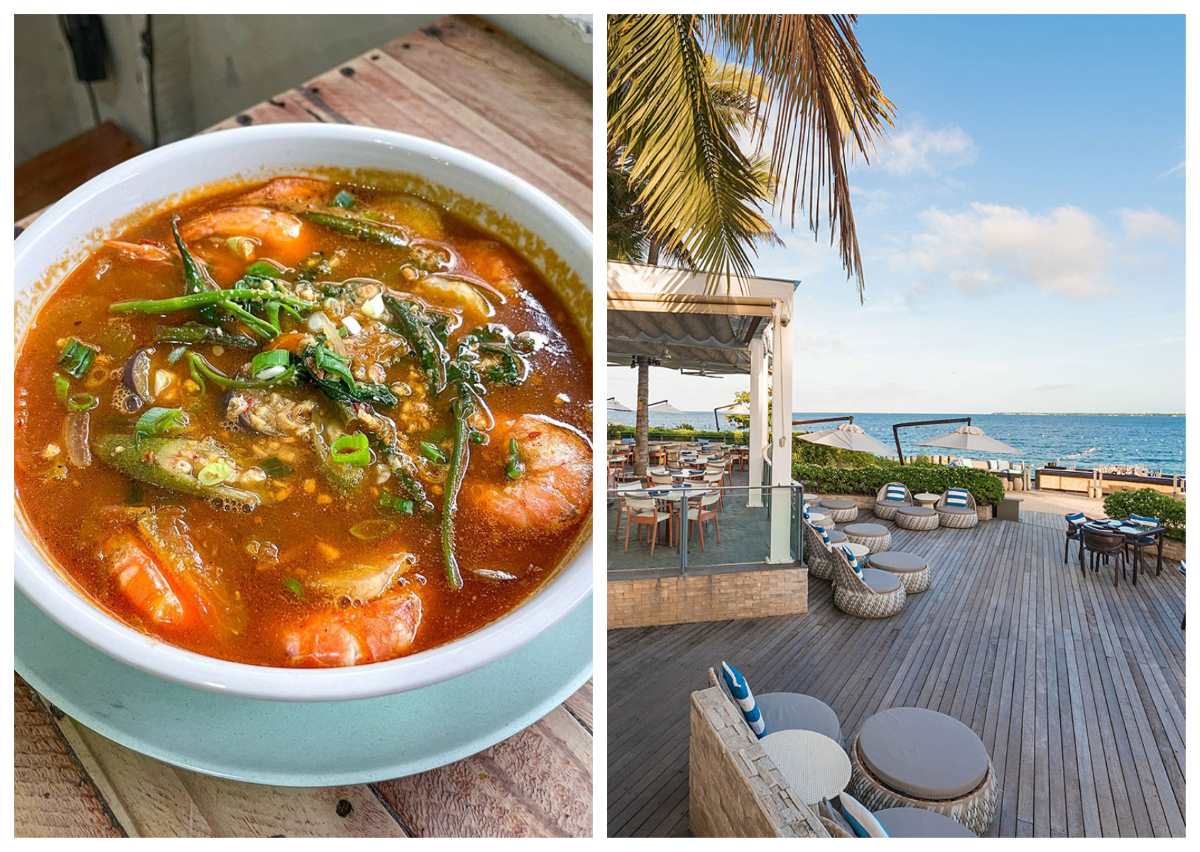
Malaysia holds the third spot with 27 locations, offering perhaps the most complex flavor profile in the region due to its Malay, Chinese, and Indian influences. The heart of this scene beats in Penang, a UNESCO World Heritage site where the air smells of shrimp paste and toasted coconut.
The Air Itam Sister Curry Mee—run by two sisters who have been serving bowls for over 70 years—remains a pilgrimage site for foodies. Their broth, enriched with coconut milk and topped with cuttlefish and cockles, is the definition of "legacy in a bowl." Meanwhile, in Kuala Lumpur, the Michelin spotlight shines on the smoky perfection of Claypot Chicken Rice, where the rice at the bottom of the pot is intentionally scorched to a savory crisp.
Don't miss the Nasi Lemak wrapped in banana leaves at Sri Weld Food Court. In 2026, these heritage recipes are increasingly being recognized not just for their taste, but for the "hyperlocal expertise" that cannot be replicated in a commercial kitchen.

2026 Logistics: Cash is Still King Even as the world goes cashless, the most authentic Michelin stalls in Malaysia and Thailand often prefer physical currency. Always carry small denominations of Ringgit or Baht to ensure a smooth transaction at the counter.
4. Hong Kong: The Sweet Side of Michelin Stars
Hong Kong takes the fourth position with 26 spots, but it offers a unique twist compared to its southern neighbors. While most Michelin street food is savory, Hong Kong’s list has a significant focus on traditional Cantonese desserts and snacks.
There is something poetic about the red bean cakes at Mrs. Fong’s, where the texture is just the right side of chewy, or the tricolour egg waffles that have become a modern icon of the city's vibrant streets. But it isn't all sugar; the savory exceptions are formidable. The sheng jian bao (pan-fried soup dumplings) and the multi-layered scallion pancakes found in the Mong Kok district offer a masterclass in textural contrast—crispy on the outside, tender and steaming on the inside.
The 2026 guide highlights how Hong Kong’s street food scene thrives in the gaps between skyscrapers. It is a world of "snack-and-go" culture, where a Michelin-rated meal is often eaten while walking through the dense, neon-soaked crowds of Tsim Sha Tsui.
5. Vietnam: Savory Slow-Cooking and Regional Pho
Rounding out the top five is Vietnam with 24 spots. The Michelin Guide’s entry into Vietnam has been a revelation, categorizing the country’s street food into three distinct hubs: Hanoi (10 spots), Ho Chi Minh City (9 spots), and Da Nang (5 spots).
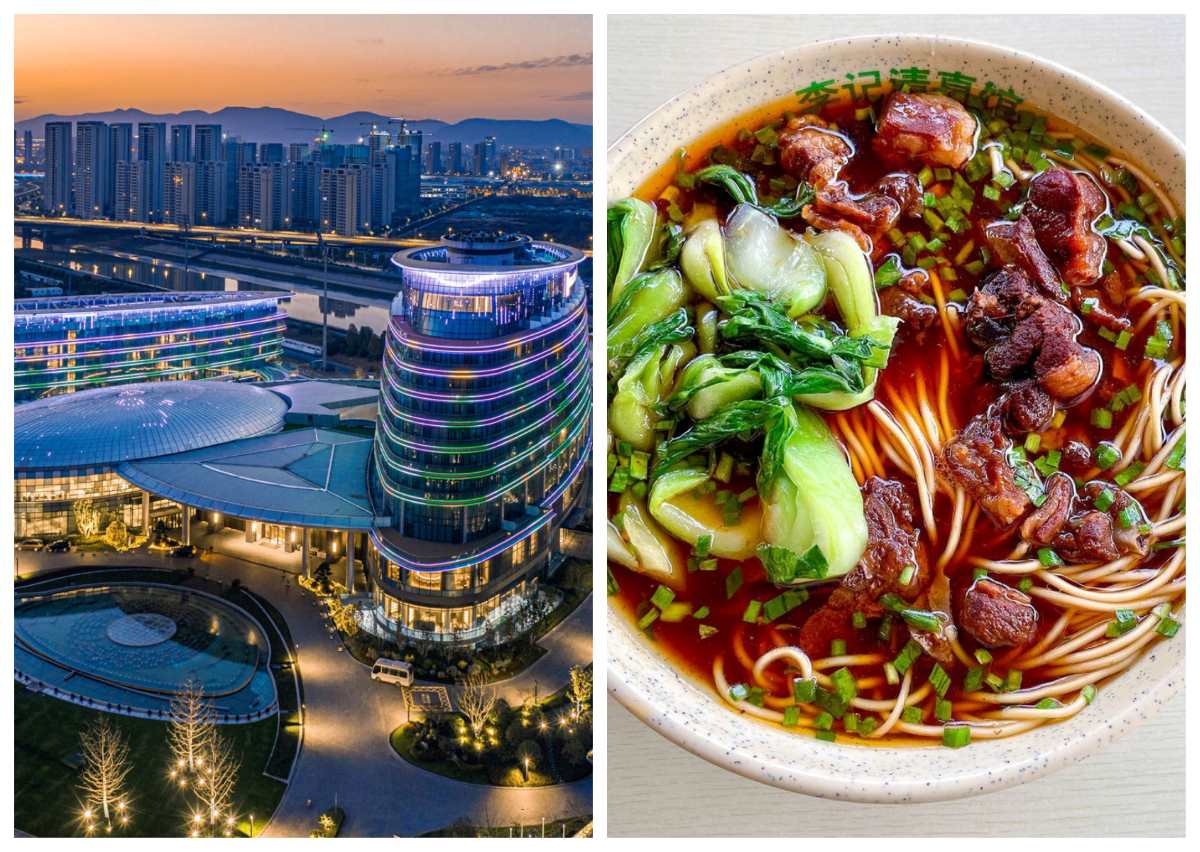
The focus here is on the broth. In Hanoi, Phở is a delicate, clear-breathed affair, often highlighting the purity of the beef. In Ho Chi Minh City, the flavors are bolder, sweeter, and accompanied by a forest of fresh herbs. Beyond the noodles, the 2026 guide has brought attention to hidden gems like minced beef wrapped in betel leaves (Bò Lá Lốt) in the south and the comforting, ginger-laden duck porridge of Da Nang.
The soul of Vietnam's food culture is found in its ancient markets, where slow-cooked broths and fresh herbs take center stage. These are places where time seems to slow down, even as the motorbikes roar past just inches from your table.

2026 Snapshot: Global Michelin Street Food Leaders
| Country | Michelin Spots | Signature Dish | Primary Hub |
|---|---|---|---|
| Singapore | 148 | Hainanese Chicken Rice | Chinatown Complex |
| Thailand | 33 | Crab Omelette (Jay Fai) | Bangkok |
| Malaysia | 27 | Curry Mee | Penang |
| Hong Kong | 26 | Egg Waffles / Red Bean Cake | Mong Kok |
| Vietnam | 24 | Phở / Bún Chả | Hanoi |
Essential 2026 Traveler’s Checklist
Navigating the world’s best street food requires more than just an appetite. To make the most of your culinary journey, keep these three rules in mind:
- The "3 PM Rule": Most Michelin-rated stalls face massive lunch and dinner rushes. To avoid two-hour waits, visit during the "shoulder hours"—typically between 2:30 PM and 4:30 PM.
- Digital Readiness: While cash is still necessary, many stalls in Singapore and Hong Kong now utilize local apps (like GrabPay or AliPay). Download these beforehand and link your card to avoid fumbling with change.
- Ethical Eating: Many of these stalls are legacy businesses. Respect the "one dish per person" etiquette in crowded spots, and remember that you are a guest in a space that serves as the heartbeat of the local community.
Explore the Full 2026 Michelin Guide →
FAQ
Q: Is Michelin-starred street food safe to eat? A: Absolutely. Michelin-recognized stalls are held to high standards of quality and consistency. Furthermore, the high turnover rate at these popular spots ensures that ingredients are fresh and cooked to order.
Q: Do I need a reservation for these street food spots? A: Generally, no. Street food is built on a first-come, first-served basis. However, iconic spots like Jay Fai in Bangkok now utilize booking apps or physical sign-up sheets that open early in the morning.
Q: Why does Singapore have so many more spots than other countries? A: This is largely due to the sheer density and organization of Singapore's hawker centers, which provide a centralized environment for inspectors to evaluate hundreds of high-quality stalls within a small geographic area.
The journey through these five countries is more than just a search for a meal; it is an immersion into the history, struggle, and triumph of local artisans. In 2026, the finest dining room in the world doesn't have a roof—it has a story, a simmering pot, and a seat waiting for you on the sidewalk.