There is a rhythm to Vancouver that only reveals itself from the saddle of a bicycle. Known frequently as the "Amsterdam of the Pacific," this coastal metropolis boasts a cycling network of over 270 miles, including the world’s longest continuous waterfront seawall path. But for the conscious traveler, biking here is more than an exercise in carbon-neutral transit; it is a journey through layers of history and a homecoming to the land's original stewards. To truly understand this landscape, one must acknowledge that we are pedaling through the traditional, ancestral, and unceded territories of the Musqueam, Squamish, and Tsleil-Waututh Nations.
By weaving together the city’s world-class cycling infrastructure with its deep Indigenous roots, this itinerary offers a way to experience Vancouver that is both environmentally respectful and culturally profound. From the ancient "Talking Trees" of Stanley Park to the contemporary flavors of the city’s only Indigenous-owned restaurant, this is how you navigate the intersection of urban greenery and ancient wisdom.
The Spiritual Heart: Stanley Park and Indigenous Wisdom
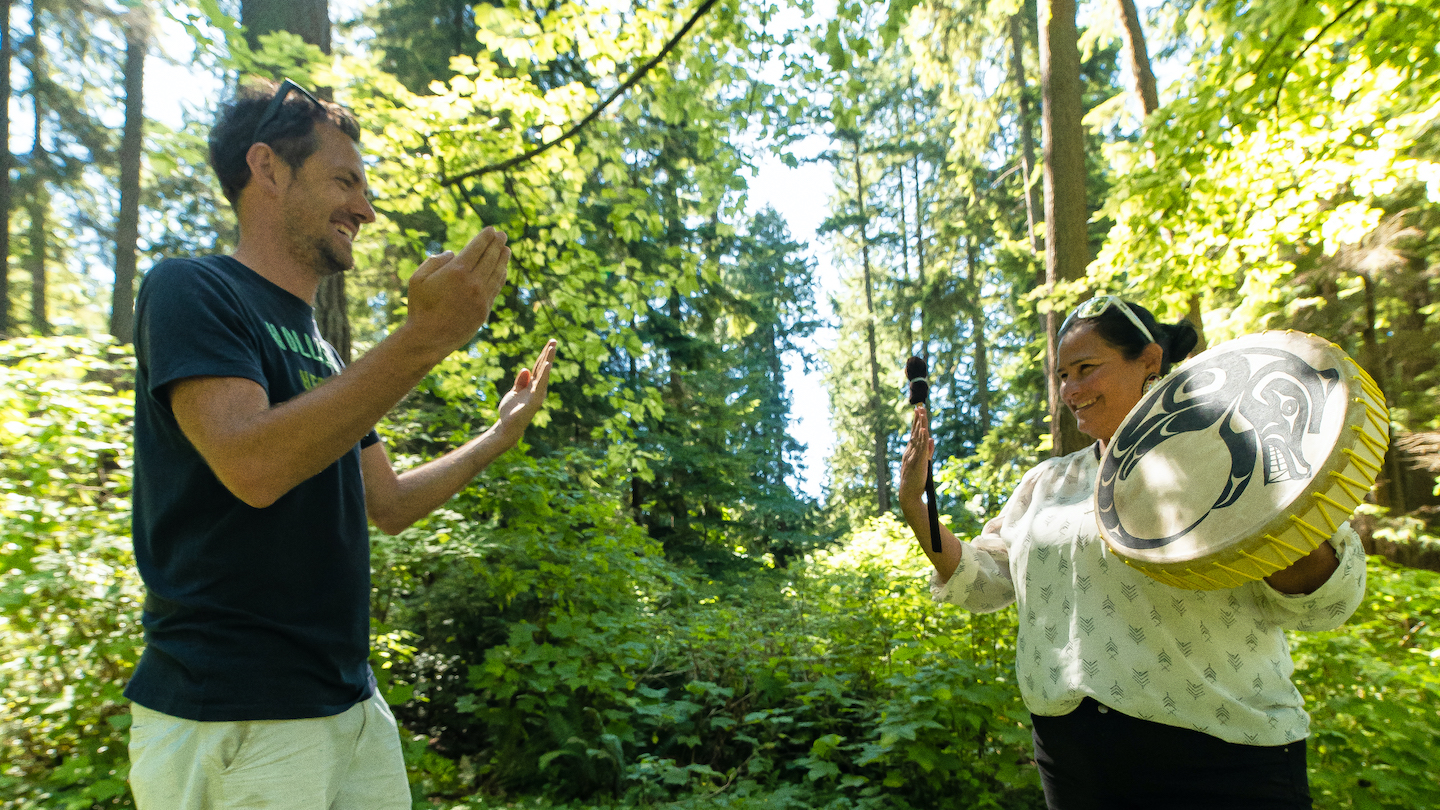
While many visitors see Stanley Park as a 1,000-acre urban playground, for the Coast Salish people, it is home. Before it was a park, it was the site of several villages, most notably Xwayxway (pronounced Kway-Kway). To experience this cultural depth, your first stop must be a Talking Trees Tour with Talaysay Tours.
Meeting your Indigenous guide near the park's entrance, you’ll trade speed for stillness. These tours are designed to help visitors understand the forest not just as "scenery," but as a living pharmacy and grocery store. You’ll learn about the "Tree of Life"—the Western Red Cedar—and how it has provided everything from transportation (canoes) to clothing and shelter for millennia. Guides share the cultural significance of local flora, including the medicinal uses of hemlock and the seasonal harvest of berries, bridging the gap between botanical science and ancestral oral history.
Further along the eastern tip of the park at Brockton Point, the famous Totem Poles stand as silent narrators of the Northwest Coast Peoples. These are not merely art; they are crests that document lineages and historical events. As a sustainable traveler, remember to view these with the respect they deserve—observing from the designated paths to protect the surrounding soil and root systems of the nearby trees.
Maya’s Sustainability Tip: When visiting culturally sensitive sites like Brockton Point, stay on the gravel paths. The root systems of the park’s ancient cedars are delicate, and soil compaction from foot traffic can starve these giants of much-needed oxygen.
Pedaling the Seawall: A 17-Mile Eco-Adventure
The crown jewel of Vancouver’s cycling infrastructure is the Seawall. This 17-mile (28-kilometer) uninterrupted waterfront path offers a masterclass in urban planning. It is divided into two distinct lanes—one for pedestrians and one for cyclists—ensuring a safe, meditative flow that follows the contours of the Pacific Ocean.
Starting from Coal Harbour, you’ll round the northern tip of Stanley Park, where the mountains of the North Shore seem within arm's reach. As you emerge on the western side, the energy shifts. This is where you’ll find Third Beach, a local favorite. If you happen to be pedaling through on a Tuesday evening during the summer, you might catch the rhythmic heartbeat of the community drum circle—a spontaneous gathering that celebrates the sunset and the spirit of the coast.
As you continue south toward False Creek, the route takes you past the Vancouver Aquarium. For the eco-conscious traveler, the Aquarium is a vital stop; it serves as a major hub for marine mammal rescue. Notably, the facility funds its extensive conservation efforts by donating 1% of profits to the Ocean Wise non-profit organization, which works globally to address overfishing and ocean pollution.
The Culinary Loop: Refueling with Indigenous Flavors
After a morning of coastal air, your body will crave nutrient-dense sustenance. Vancouver’s culinary scene has recently seen a long-overdue resurgence of Indigenous-led gastronomy, moving beyond clichés to showcase modern, sophisticated Pacific Northwest cuisine.
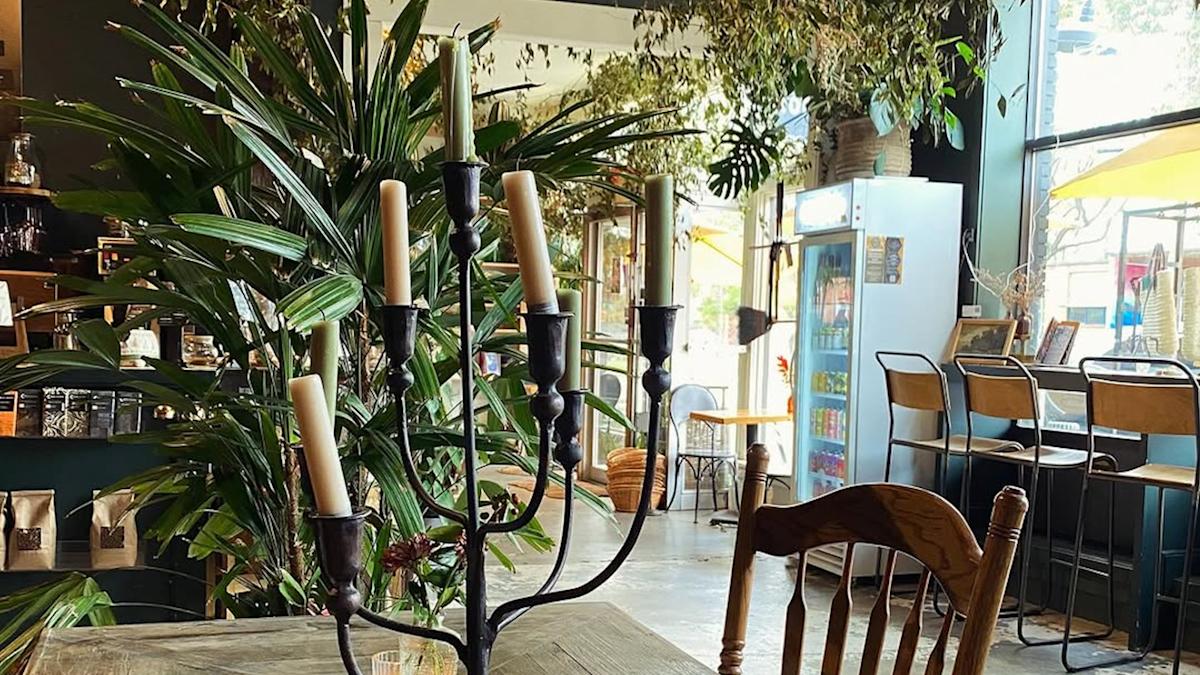
The essential destination is Salmon n’ Bannock Bistro on Broadway. As Vancouver’s only Indigenous-owned-and-operated sit-down restaurant, it provides a vital platform for Indigenous staff and suppliers. Here, the menu is a tribute to the land and sea: think sockeye salmon smoked to perfection, bison pot roast, and, of course, their signature bannock—a traditional flatbread that is both fluffy and comforting. They have recently expanded their reach, opening a second location at Vancouver International Airport (YVR), allowing travelers to carry the taste of the coast with them.
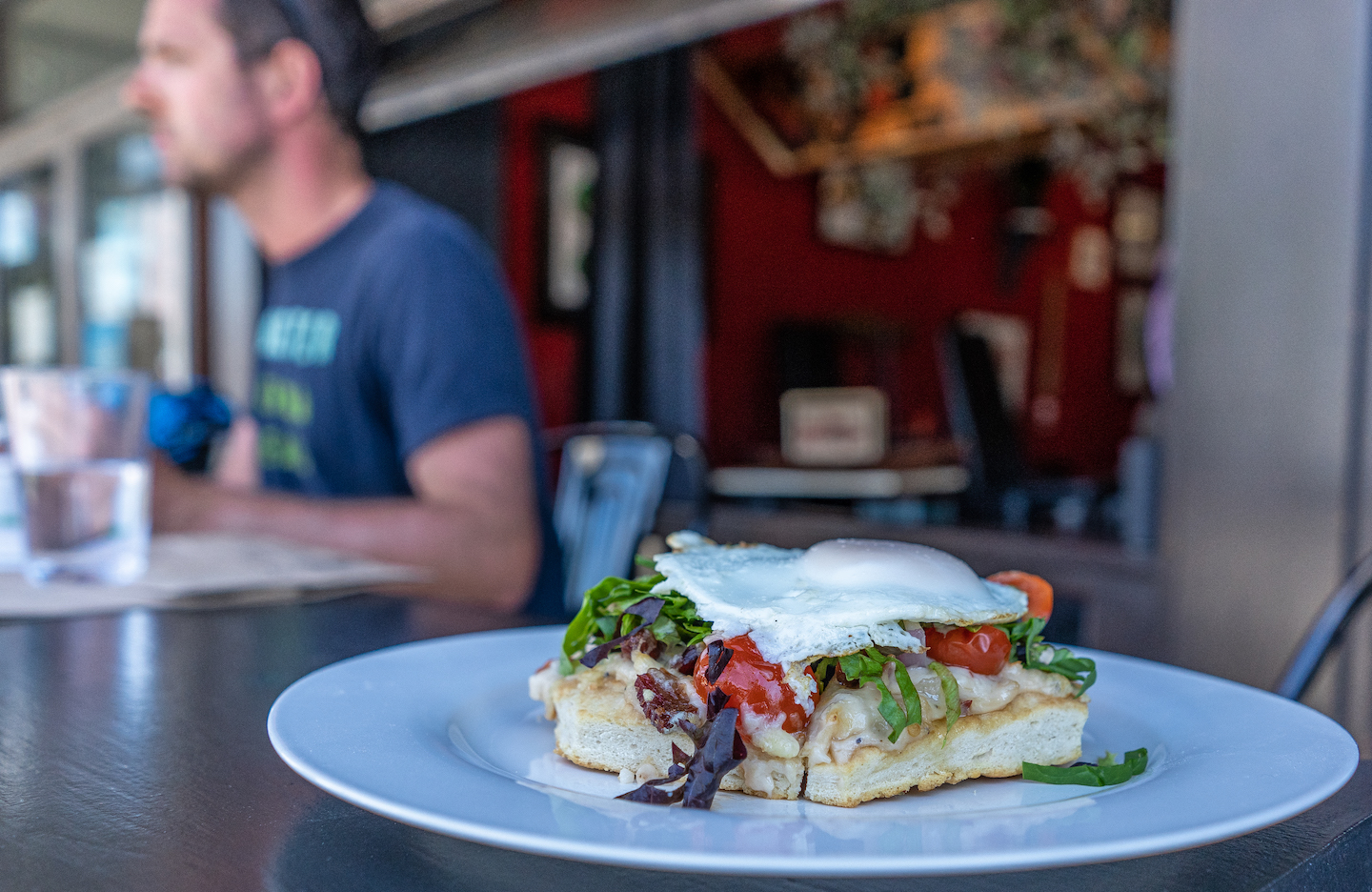
For a more casual, street-side experience, keep an eye out for the Mr. Bannock Food Truck. Founded by Paul Natrall of the Squamish Nation, this "Indigenous street food" concept takes traditional ingredients and gives them a modern twist. Their wild game burgers and "Indian Tacos" (served on fried bannock) are legendary among local cyclists looking for a high-energy meal.
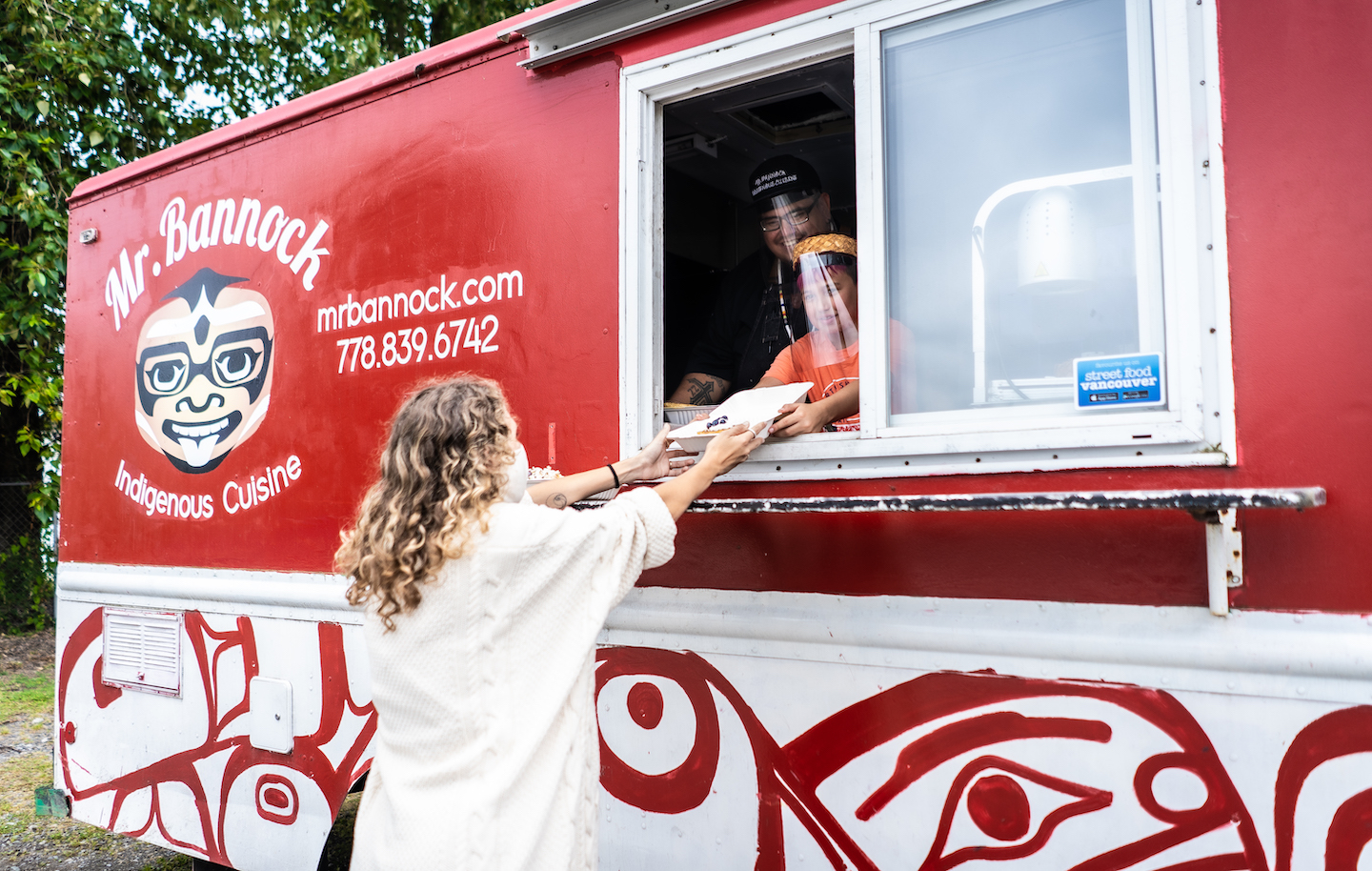
Book a Table at Salmon n' Bannock →
If your route takes you toward the bustling Granville Island Public Market, you can continue your sustainable food tour by sourcing local, seasonal B.C. fare. Look for "Ocean Wise" labels on seafood and prioritize vendors selling produce from the nearby Fraser Valley to minimize the "food miles" of your snack.
Gear & Logistics: Planning Your Carbon-Neutral Trip
Vancouver is incredibly bike-friendly, but choosing the right gear depends on your specific itinerary. The city’s terrain varies from the glass-smooth asphalt of the Seawall to the rugged, rooted trails of Pacific Spirit Regional Park.
Logistics at a Glance: Choosing Your Ride
| Ride Type | Best For | Technical Specs / Tips |
|---|---|---|
| Mobi Bike Share | Short urban hops, downtown commuting | Heavy frames, best for flat, paved paths. Use the app for easy docking. |
| Rental Hybrid | Full Seawall loop, Stanley Park | Comfortable upright position; usually comes with a lock and helmet. |
| Gravel / Touring Bike | Pacific Spirit Park, longer day trips | 42mm tires recommended for unpaved, crushed gravel sections to improve stability. |
Navigating the city is made easier by bike-friendly transit. If you wish to cross the harbor to explore the North Shore, the SeaBus (a passenger-only ferry) accepts bikes at no extra cost, offering a scenic shortcut that saves you from battling bridge traffic. Similarly, the "AquaBus" and "False Creek Ferries" provide small-scale transit across the water, though they have limited space for bicycles—it’s best to check with the operator during peak hours.
Sustainable Stays: Eco-Conscious Accommodations
Where you rest your head is just as important as how you travel. Vancouver offers several LEED-certified options that prioritize water conservation, energy efficiency, and waste reduction.
The DOUGLAS and the JW Marriott Parq Vancouver are both LEED Gold-certified properties located right on the edge of the False Creek bike path. They offer electric scooter rentals and extensive bike storage, making them an ideal base for a cycling-focused trip.
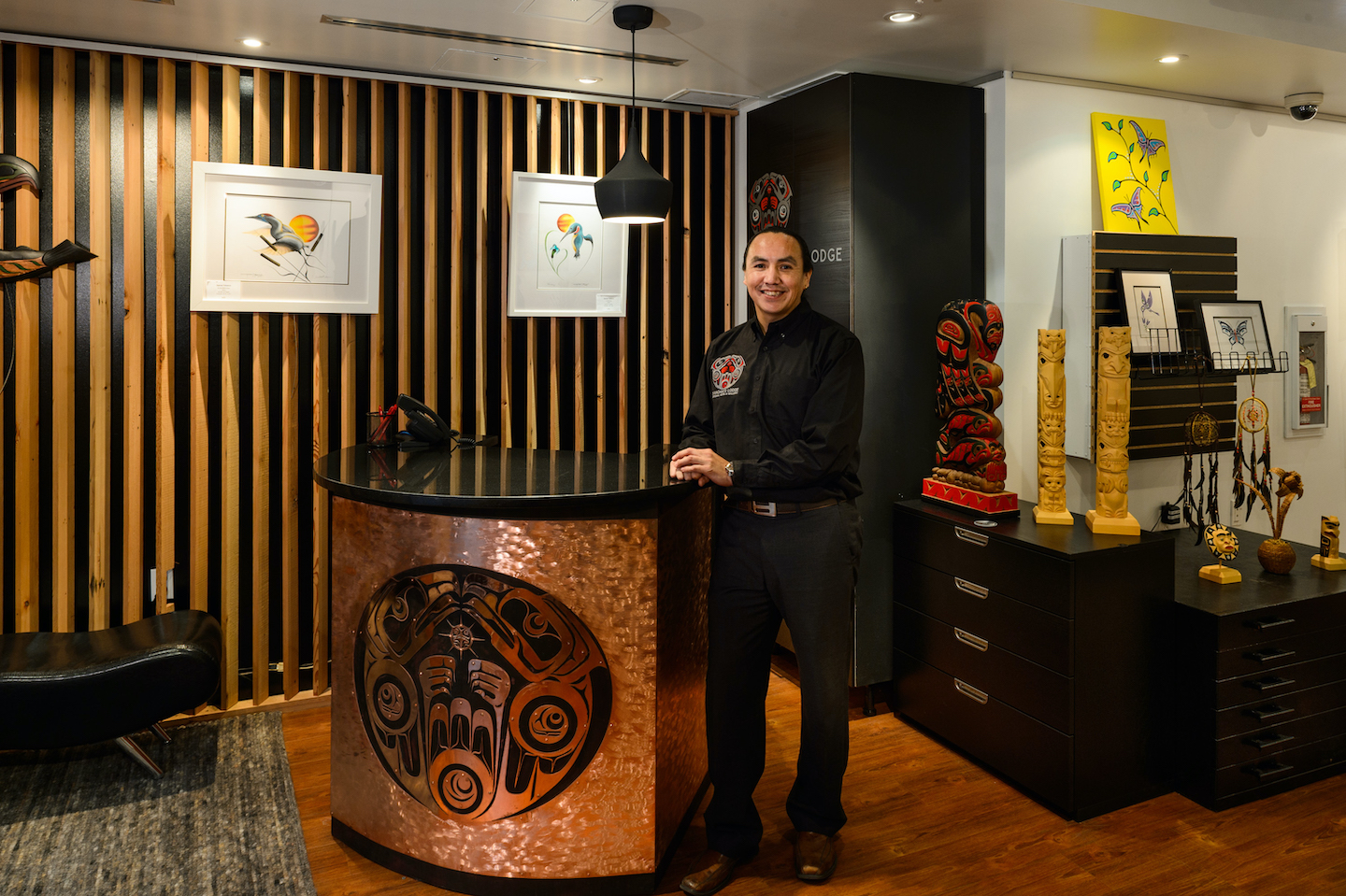
For a stay that is both eco-friendly and culturally immersive, look no further than Skwachàys Lodge. Located in the historic Gastown district, this is Canada’s first Indigenous arts hotel. It functions as a social enterprise, providing subsidized housing and studio space for Indigenous artists-in-residence. Each room is uniquely designed by local artists, and the rooftop features a traditional smudge room and sweat lodge.
Cultural Deep-Dive: Beyond the Trails
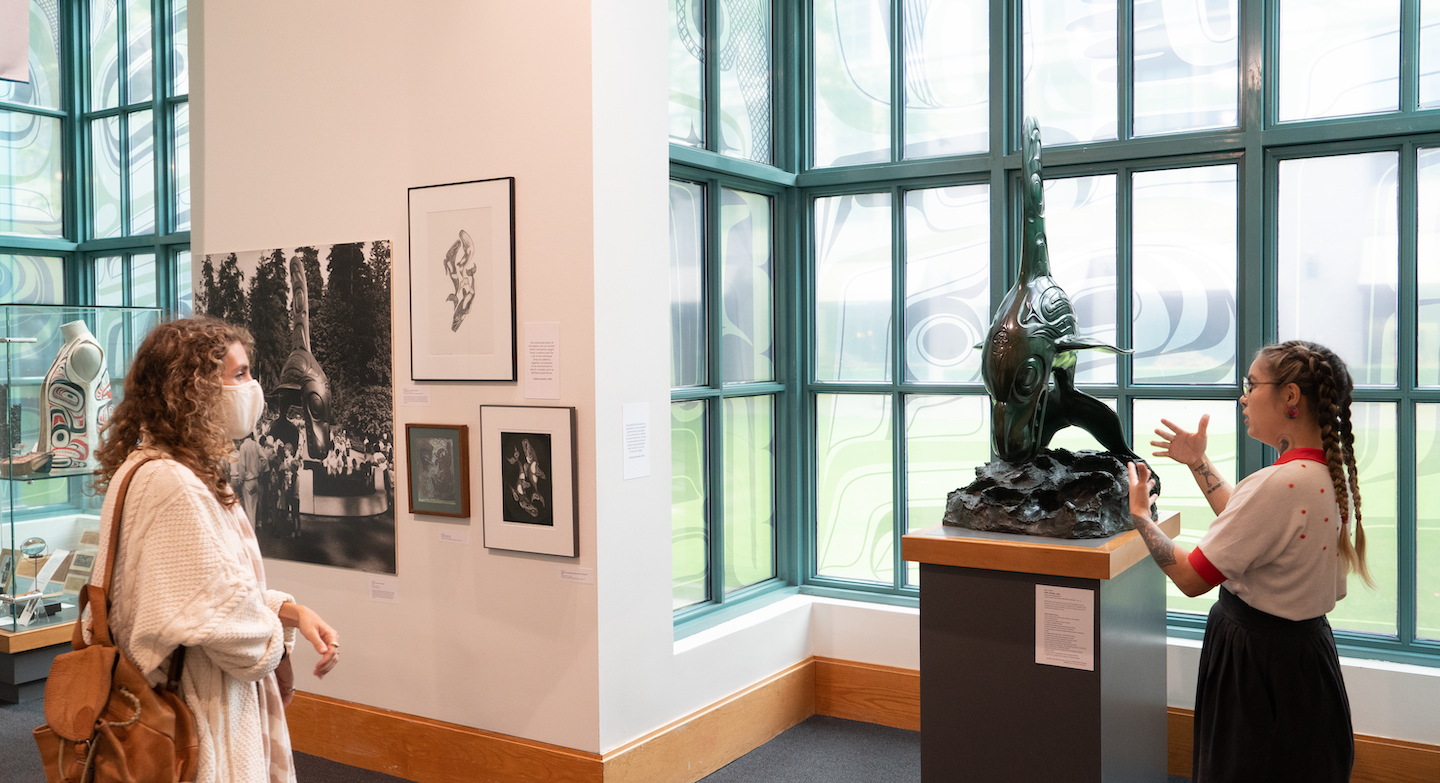
Before you conclude your journey, take time to visit the Bill Reid Gallery of Northwest Coast Art. Located in the heart of downtown, this gallery is the only public gallery in Canada dedicated to contemporary Indigenous art of the Northwest Coast. It serves as a vital educational resource, showcasing the evolution of Indigenous artistic traditions and providing context to the totem poles and carvings you encountered in Stanley Park.
FAQ
Is it difficult to bike in Vancouver if I'm not an experienced cyclist? Not at all. The Seawall is almost entirely flat and separated from vehicle traffic, making it perfect for beginners or families. The city also uses "AAA" (All Ages and Abilities) design standards for many of its downtown bike lanes, which include physical barriers between cars and cyclists.
What is the best time of year for an Indigenous-focused bike tour? While Vancouver is a year-round cycling city, the best time for Indigenous tours is between May and September. Many cultural tours, like the Talking Trees walk, operate more frequently during these months, and the weather is ideal for long days on the Seawall.
Do I need a special permit to bike in Stanley Park? No permit is required, but you must follow the one-way directional flow on the Seawall (counter-clockwise). Helmets are mandatory by law in British Columbia for all ages.
Final Thoughts: Pedal with Purpose
Biking through Vancouver is an invitation to slow down and listen to the stories the land is trying to tell. When we choose two wheels over four, we reduce our footprint; when we seek out Indigenous-led experiences, we help preserve the cultural fabric of the Pacific Northwest. As you navigate the 270 miles of trails, remember that every turn is a chance to honor the original stewards of this beautiful coast.
Ready to explore the coast? Start planning your sustainable Vancouver adventure by booking a Talaysay Talking Trees Tour and experience the forest through a new lens.