The Pacific Northwest is a region that doesn’t just invite exploration; it demands a shift in perspective. Defined by its "moody magic"—a term often used to describe the intersection of mist-shrouded evergreens and rugged volcanic coastlines—the PNW is currently undergoing a travel renaissance. For 2026, the trend has shifted toward "Quiet Escapism" and "Dark Sky Tourism," as travelers look to trade crowded urban hubs for the profound silence of ancient forests and the celestial clarity of the high desert.
What are the most beautiful places to visit in the PNW? The definitive 2026 list includes the moss-draped Hoh Rain Forest and the marine-rich San Juan Islands in Washington, the crystalline depths of Crater Lake and the iconic stacks of Cannon Beach in Oregon, and the otherworldly Central Idaho Dark Sky Reserve. Whether you are chasing the "Niagara of the West" or seeking the quietest spot in the lower 48 states, this guide serves as your roadmap to the most breathtaking corners of the Northwest.
Washington: Evergreen Forests & Urban Evolution
Washington State serves as the architectural heart of the PNW’s natural wonder. Here, the landscape transitions from the jagged, glacier-carved peaks of the Cascades to the temperate rainforests of the Olympic Peninsula, where the air feels heavy with history and oxygen.
1. Olympic National Park: Coastal & Rainforest Wonders
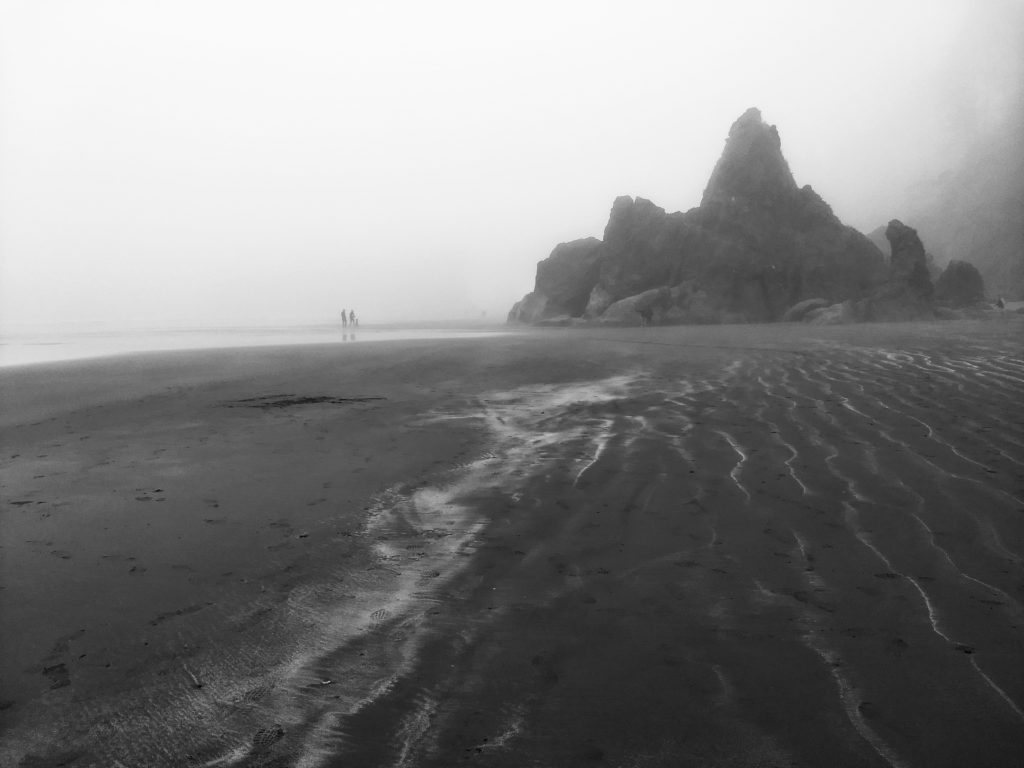
Olympic National Park is not just one park; it is three distinct ecosystems contained within nearly one million acres. Start your journey at Ruby Beach, where the Pacific Ocean churns against massive sea stacks and driftwood logs the size of small ships. It is a place of raw, unyielding beauty, particularly during the golden hour when the mist catches the light.
Further inland lies the Hoh Rain Forest, a cathedral of green. If you are wondering where the quietest place in the United States is, look no further. Research by acoustic ecologists identifies a spot along the Hall of Mosses Trail as the quietest square inch in the lower 48 states. This "quiet eye in the storm" offers a rare opportunity to hear nothing but the pulse of the forest.
2. Seattle’s New Waterfront Park
Seattle is evolving. The 2026 highlight for urban explorers is the completed Waterfront Park, a 20-acre masterpiece of public art, elevated walkways, and salmon-friendly habitats along Elliott Bay. It bridges the gap between the historic Pike Place Market and the Puget Sound. For the best vantage point, book a stay at The Thompson Seattle, where the rooftop bar offers an unobstructed view of the Olympic Mountain Range glowing purple at dusk.
3. San Juan Islands
The San Juan Islands are the crown jewels of the Salish Sea. Orcas Island, the "Emerald Isle," is the local favorite for 2026. Hike to the summit of Mount Constitution for a 360-degree view of the archipelago, or take a kayak into the sound for a chance to see the Southern Resident orca pods.
4. Leavenworth
Tucked into the Cascade Mountains, Leavenworth is a meticulously crafted Bavarian village. While famous for its Nutcracker Museum and legendary Oktoberfest, the real draw is its proximity to the Enchantments, a high-alpine basin of turquoise lakes and jagged granite peaks that offers some of the most competitive hiking permits in the country.
5. Whidbey Island & Deception Pass
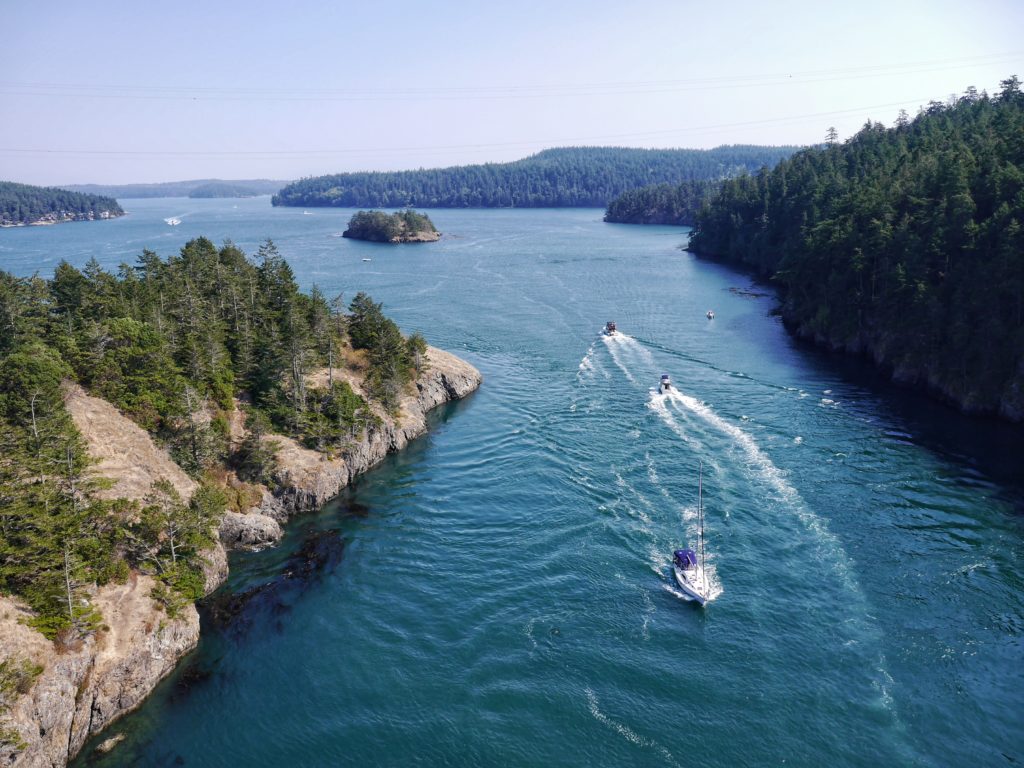
Connected to the mainland by one of the most photographed bridges in the world, Whidbey Island feels worlds away from the mainland. Deception Pass State Park features cliff-top views where the tidal currents of the Skagit Bay and Juan de Fuca Strait collide in a dizzying display of whirlpools.
6. Sequim-Dungeness Valley
Sequim (pronounced "skwim") is a geographic anomaly. Located in the rain shadow of the Olympic Mountains, it receives significantly more sunshine than its neighbors. Known as the "Lavender Capital of North America," the valley is a fragrant purple sea in July, while the nearby Dungeness Spit offers a five-mile walk to a remote lighthouse.
Oregon: Rugged Coasts & Deep Blue Craters
Oregon’s allure lies in its dramatic scale. From the deepest lake in the United States to the tallest waterfalls in the gorge, the state is a playground for those who appreciate the geological forces that shaped the West.
7. Cannon Beach
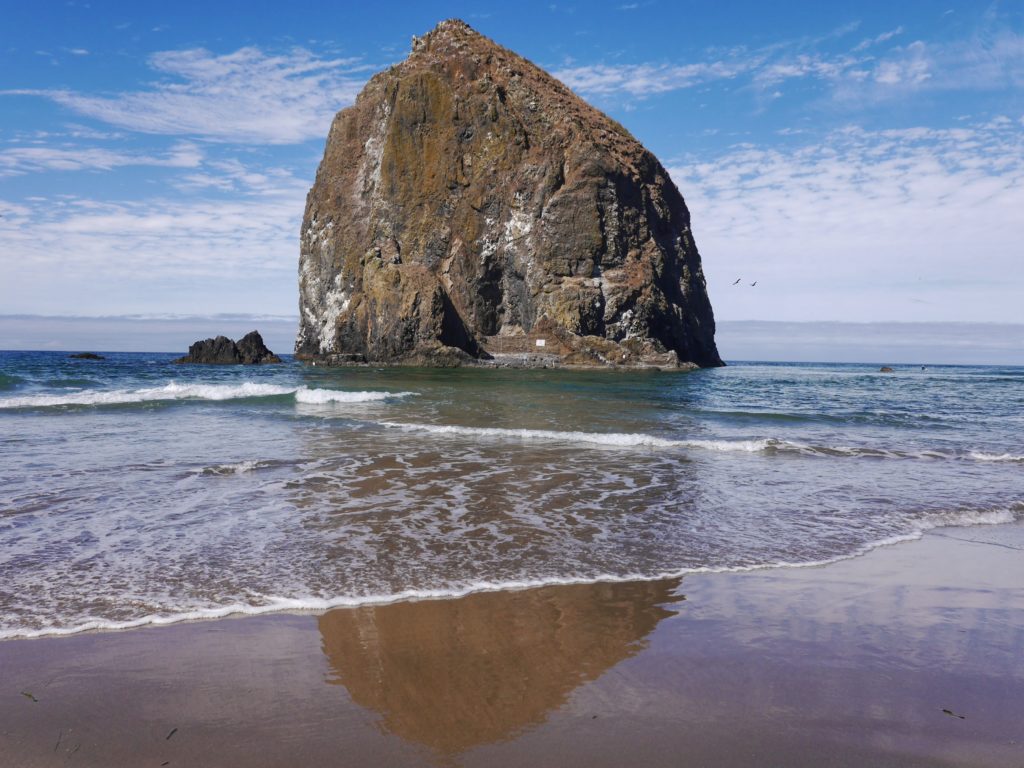
Cannon Beach is home to the 235-foot Haystack Rock, a monolithic basalt formation that hosts a vibrant colony of Tufted Puffins in the spring. It is the quintessential Oregon coast experience: wide, sandy beaches, misty horizons, and high-end galleries.
8. Depoe Bay: The 2026 Remote Destination King
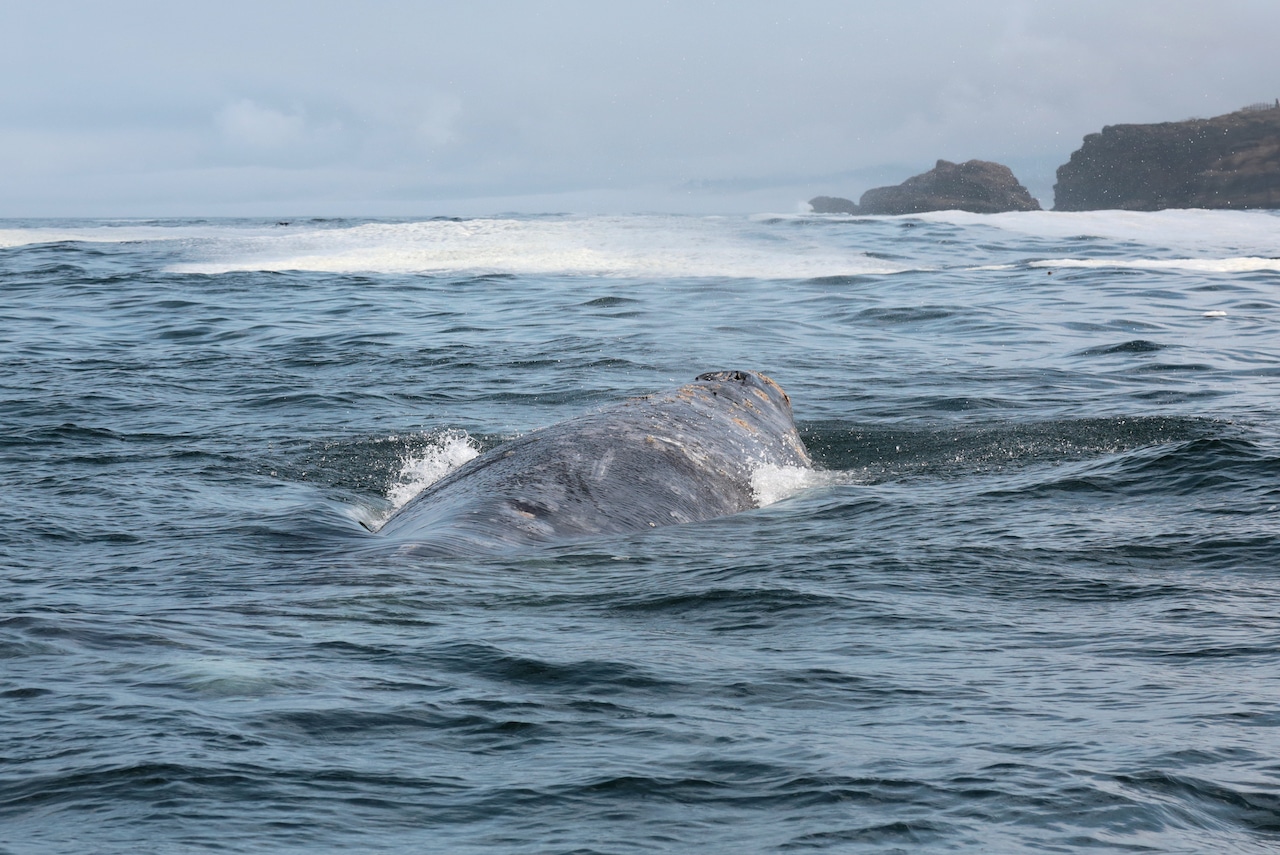
Positioned as the "remote destination for 2026," Depoe Bay is known as the whale-watching capital of Oregon. Unlike other coastal towns, Depoe Bay has a resident pod of gray whales that stay year-round. It’s an accessible slice of rugged luxury, with median stays in 2026 trending at a surprisingly affordable $92 per night for those who book the cliffside cabins.
9. Crater Lake National Park
Formed 7,700 years ago by the collapse of Mount Mazama, Crater Lake is the deepest lake in the United States (1,943 feet). Its intense blue color is a result of its purity—there are no inlets or outlets, only rainwater and snowmelt. For 2026, the historic Crater Lake Lodge remains the premier spot for sunrise views over the caldera.
10. Silver Falls State Park
Often called the "crown jewel" of the Oregon State Parks system, Silver Falls is the state's largest park, spanning over 9,000 protected acres. The Trail of Ten Waterfalls allows you to walk behind several cataracts, including the breathtaking 177-foot South Falls.
11. Columbia River Gorge & Multnomah Falls
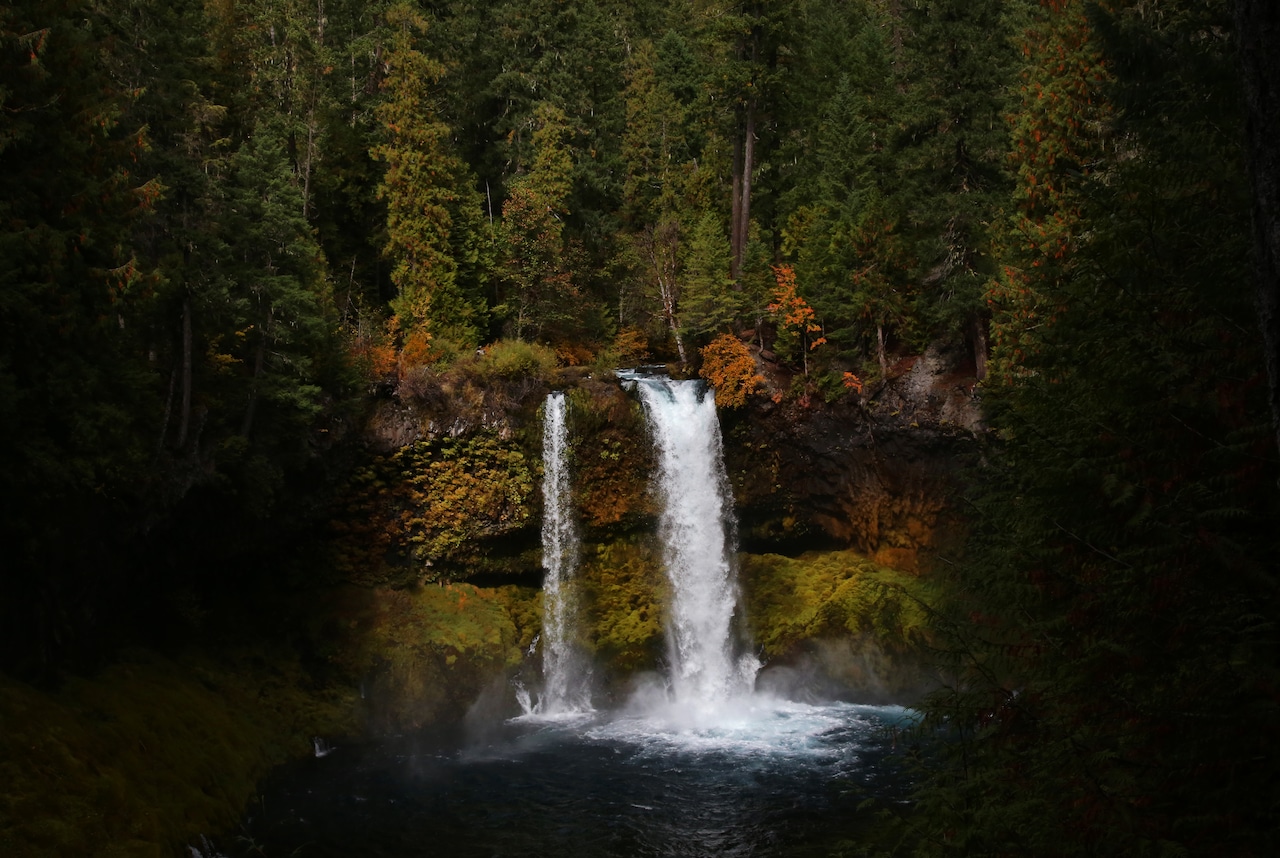
The Columbia River Gorge is a testament to the power of the Missoula Floods. As the first designated scenic highway in the U.S., Highway 30 winds past fairy-tale waterfalls. Multnomah Falls, at 620 feet, remains the most visited, but for 2026, we recommend the quieter Wahclella Falls for a more intimate experience.
12. Portland: Urban Greenery
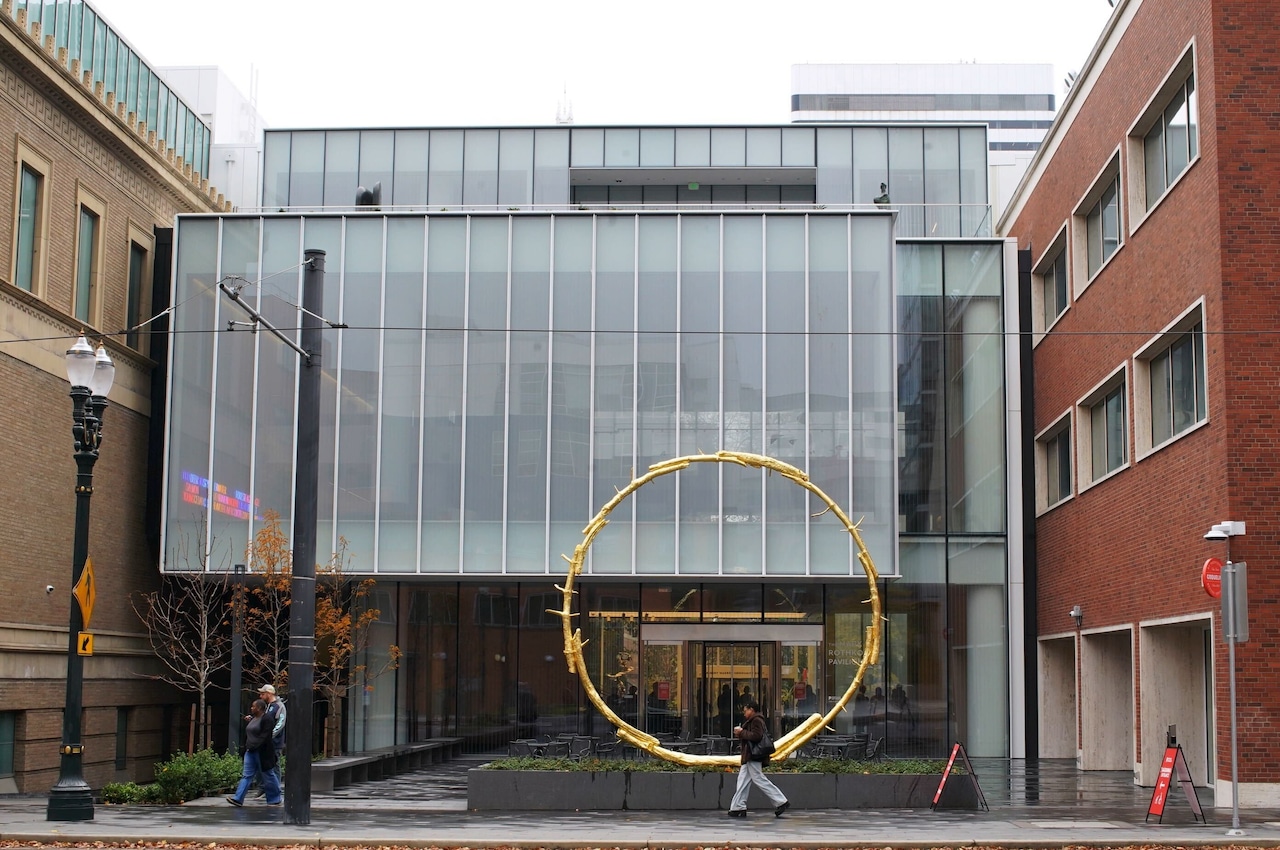
Portland continues to reinvent itself. While the city's parks (like Washington Park) are world-class, the 2026 buzz surrounds the new Rothko Pavilion at the Portland Art Museum. This glass-walled expansion creates a transparent link between the museum and the surrounding South Park Blocks, blending high art with the city's verdant landscape.
13. Willamette Valley
For those who prefer their landscapes with a side of Pinot Noir, the Willamette Valley is the answer. Stay at The Allison Inn & Spa for a luxury experience, and spend your days exploring the "Jory" soil-rich vineyards that produce some of the world’s best cool-climate wines.
14. Neskowin Ghost Forest
At low tide on Neskowin Beach, the stumps of a 2,000-year-old Sitka spruce forest emerge from the sand like ancient sentinels. This "Ghost Forest" is a hauntingly beautiful site and serves as a quiet 2026 alternative to the busier hubs of Seaside or Newport.
Idaho: Dark Skies & Desert Dunes
Often overlooked, Idaho holds the key to the PNW’s wild interior. It is a land of extremes—from the deepest river gorge in North America to some of the darkest skies on the planet.
15. Central Idaho Dark Sky Reserve
In an age of light pollution, the Central Idaho Dark Sky Reserve is a sanctuary. This 1,400-acre protected area is one of only approximately 20 International Dark Sky Association-recognized reserves in the world. In 2026, it is the premier destination for astro-photographers and those seeking a profound connection with the cosmos.
16. Bruneau Dunes State Park
If you think the PNW is only about forests, Bruneau Dunes State Park will change your mind. It is home to the tallest single-structured sand dune in North America, standing at a staggering height of 470 feet. Visitors can rent sandboards or visit the onsite observatory for weekend stargazing.
17. Coeur d’Alene
In Northern Idaho, Coeur d’Alene offers a refined lakeside retreat. The resort town is famous for its floating golf green and private beaches, providing a sophisticated contrast to the rugged wilderness that surrounds it.
18. Shoshone Falls
Known as the "Niagara of the West," Shoshone Falls is actually 36 feet taller than its New York counterpart. Located on the Snake River, the 212-foot drop is most spectacular in the spring when snowmelt sends a thundering volume of water over the basalt rim.
19. Hells Canyon
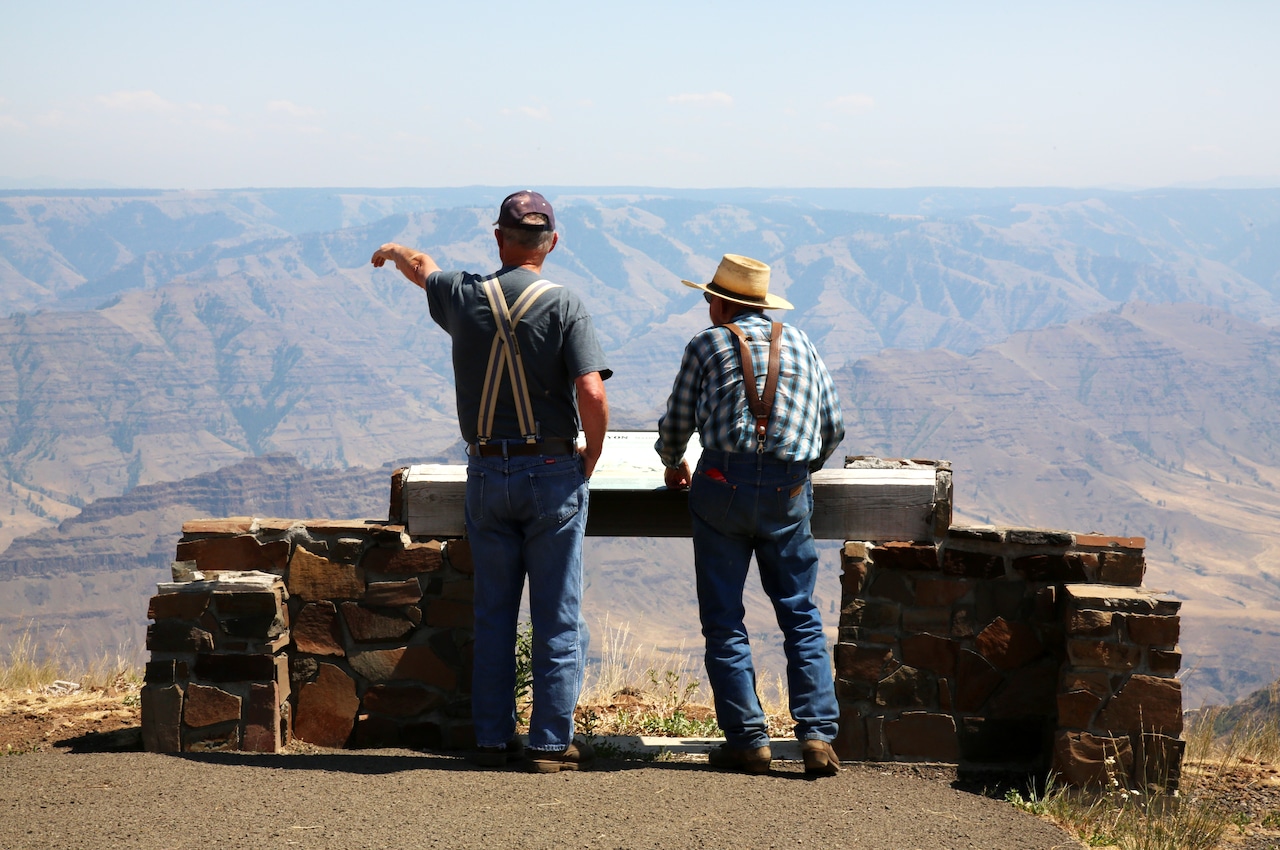
Deeply carved by the Snake River, Hells Canyon is North America's deepest river gorge—plunging over 7,900 feet. Accessible via jet boat tours or the scenic town of Joseph, Oregon, it offers a sense of isolation and scale that is increasingly rare in the modern world.
2026 Travel Logistics: Planning Your PNW Expedition
A road trip through the Pacific Northwest requires a strategic approach to both geography and timing. The region is best experienced through a "Loop" or a "Coast-to-Canyon" itinerary.
| Category | Washington | Oregon | Idaho |
|---|---|---|---|
| Best For | Rainforests & Islands | Coastal Cliffs & Waterfalls | Dark Skies & High Desert |
| Peak Season | July - September | June - October | May - September |
| Key Activity | Hiking the Hoh | Whale Watching | Stargazing/Sandboarding |
| Hidden Gem | Sequim Rain Shadow | Neskowin Ghost Forest | Bruneau Dunes |
Best Time to Visit
- Spring (March - May): Best for whale watching in Depoe Bay and witnessing the full power of Shoshone Falls.
- Summer (July - August): The only reliable window for high-alpine hiking in the Cascades or exploring the San Juan Islands.
- Autumn (September - October): Ideal for wine tasting in the Willamette Valley and seeing the "Moody Magic" return to the coast.
- Winter (November - February): The peak season for "Quiet Travel" and Dark Sky viewing in Idaho.
Road Trip Tips
The Highway 101 route along the Washington and Oregon coasts is iconic, but don’t ignore the Cascade Loop in Washington for dramatic mountain scenery. In 2026, we recommend an "EV-Friendly" approach, as Washington and Oregon have significantly expanded their charging infrastructure along scenic corridors.
Plan Your National Park Adventure →
FAQ
When is the best time to see whales in the PNW? While whales can be seen year-round in some areas like Depoe Bay, the peak migration periods for Gray whales are typically from mid-December through mid-January and again from late March to June. Orcas in the San Juan Islands are most frequently spotted from May through September.
Are these destinations accessible for families? Yes. Places like Silver Falls State Park, Seattle’s Waterfront Park, and Bruneau Dunes offer excellent accessibility and activities for all ages. However, some areas like the "Enchantments" in Leavenworth or Hells Canyon require significant physical preparation.
Do I need a permit for these parks? Most National Parks require a standard entry fee or an "America the Beautiful" pass. However, high-demand areas like the Hoh Rain Forest or certain hiking trails in the Cascades require advance reservations or permits, especially in the peak summer season of 2026.
Discover the Silence
Whether you are standing in the absolute silence of the Hoh Rain Forest or staring up at the tallest sand dune in North America, the Pacific Northwest reminds us that the world is still vast, mysterious, and deeply beautiful. It is time to stop dreaming of the "Quiet Escapism" of 2026 and start experiencing it. Pack your raincoat, your camera, and your sense of wonder—the Northwest is waiting.