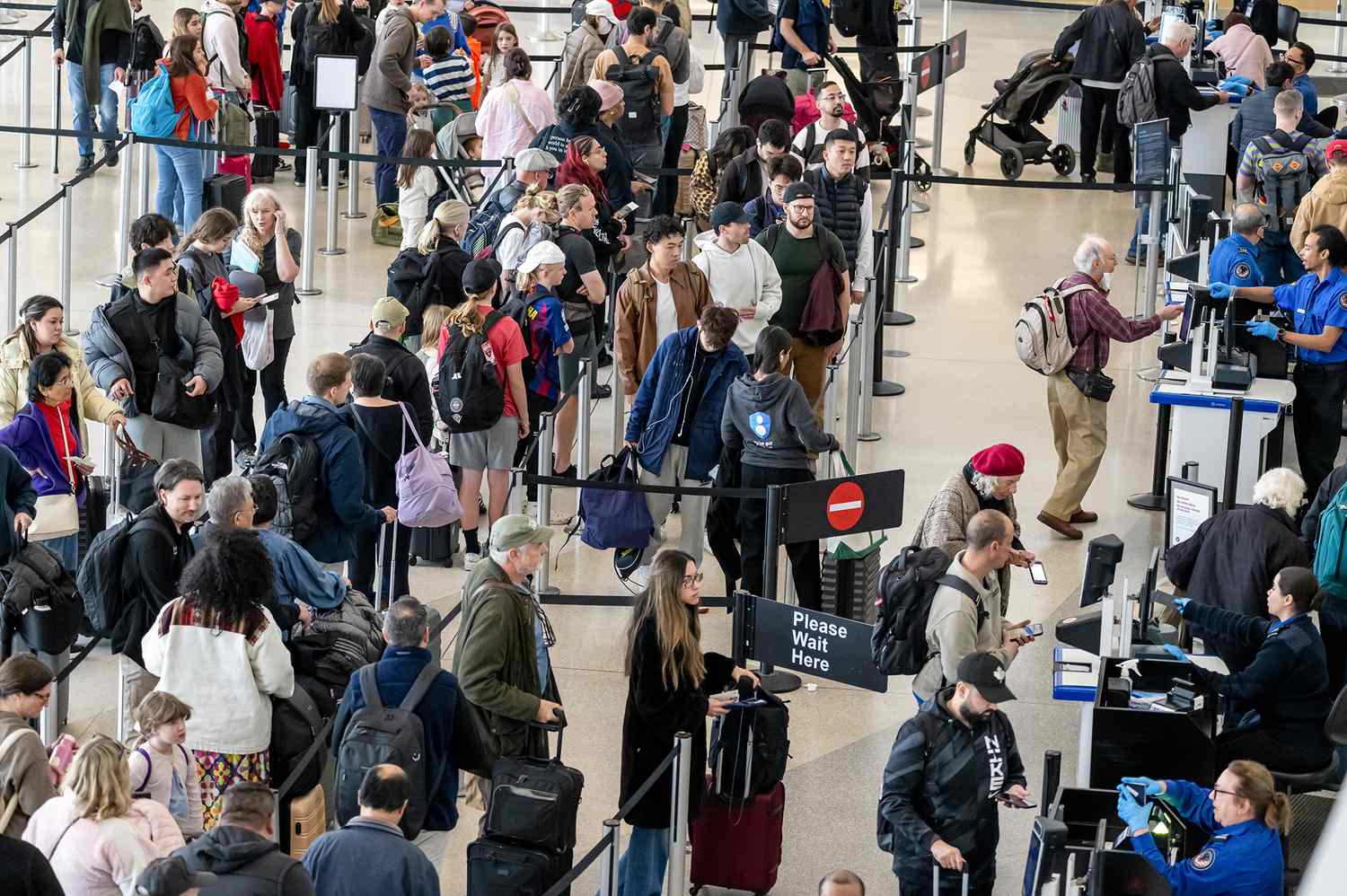
The global travel landscape in 2024 has officially moved past the "recovery phase" and entered an era of unprecedented mobility. As a critic who has spent decades analyzing the ebb and flow of international borders, I’ve observed a fascinating evolution: the world’s most visited cities are no longer just transit hubs or postcard backdrops; they are becoming hyper-specialized ecosystems. While the numbers suggest a return to normalcy, the motivations behind the travel have shifted toward a deeper, more visceral engagement with local culture.
In 2024, the hierarchy of global tourism remains dominated by the East. Bangkok, Thailand, continues its reign as the most visited city in the world, welcoming a record-breaking 32 million international arrivals. It is followed closely by the transcontinental allure of Istanbul and the enduring institutional weight of London. However, the true story of 2024 lies in the margins—the radical growth in secondary markets and the quiet, almost untouched stillness of the world’s least visited capitals.
The Heavyweights: 2024’s Top 10 Most Visited Cities
The following rankings are derived from the latest 2024 international arrival data, reflecting a blend of business travel, religious pilgrimage, and pure leisure.
1. Bangkok, Thailand
Quick Stats: 32 Million Arrivals | Average Stay: 4.7 Days | Top Draw: Street Food & Temples
Bangkok’s dominance is not merely a matter of geography; it is a masterclass in value-driven tourism. The city manages a delicate dance between the sacred—represented by the shimmering spires of Wat Arun—and the profane grit of its night markets. The recent surge to 32 million arrivals is bolstered by Thailand's aggressive visa-waver programs and its reputation as the "Kitchen of the World."
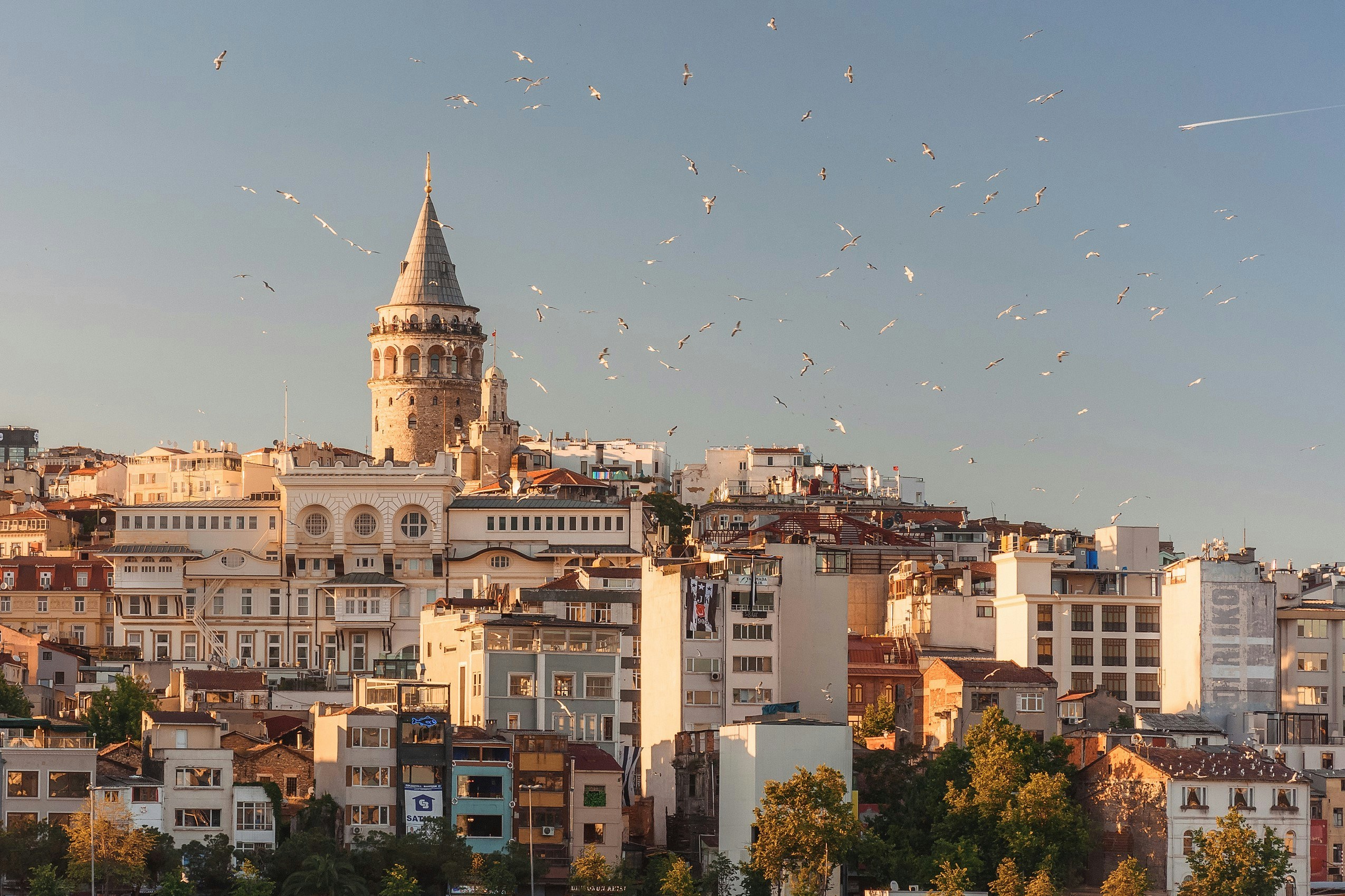
2. Istanbul, Türkiye
Quick Stats: 23 Million Arrivals | Average Stay: 3.2 Days | Top Draw: Bosphorus Cruises & Hagia Sophia
Istanbul acts as the world’s most significant physical and metaphorical bridge. In 2024, its growth was fueled by a unique position as a neutral hub for global transit. Beyond the statistics, the city’s magnetism lies in its sensory density—the smell of roasting chestnuts in Sultanahmet clashing with the brisk, salty air of the Bosphorus.
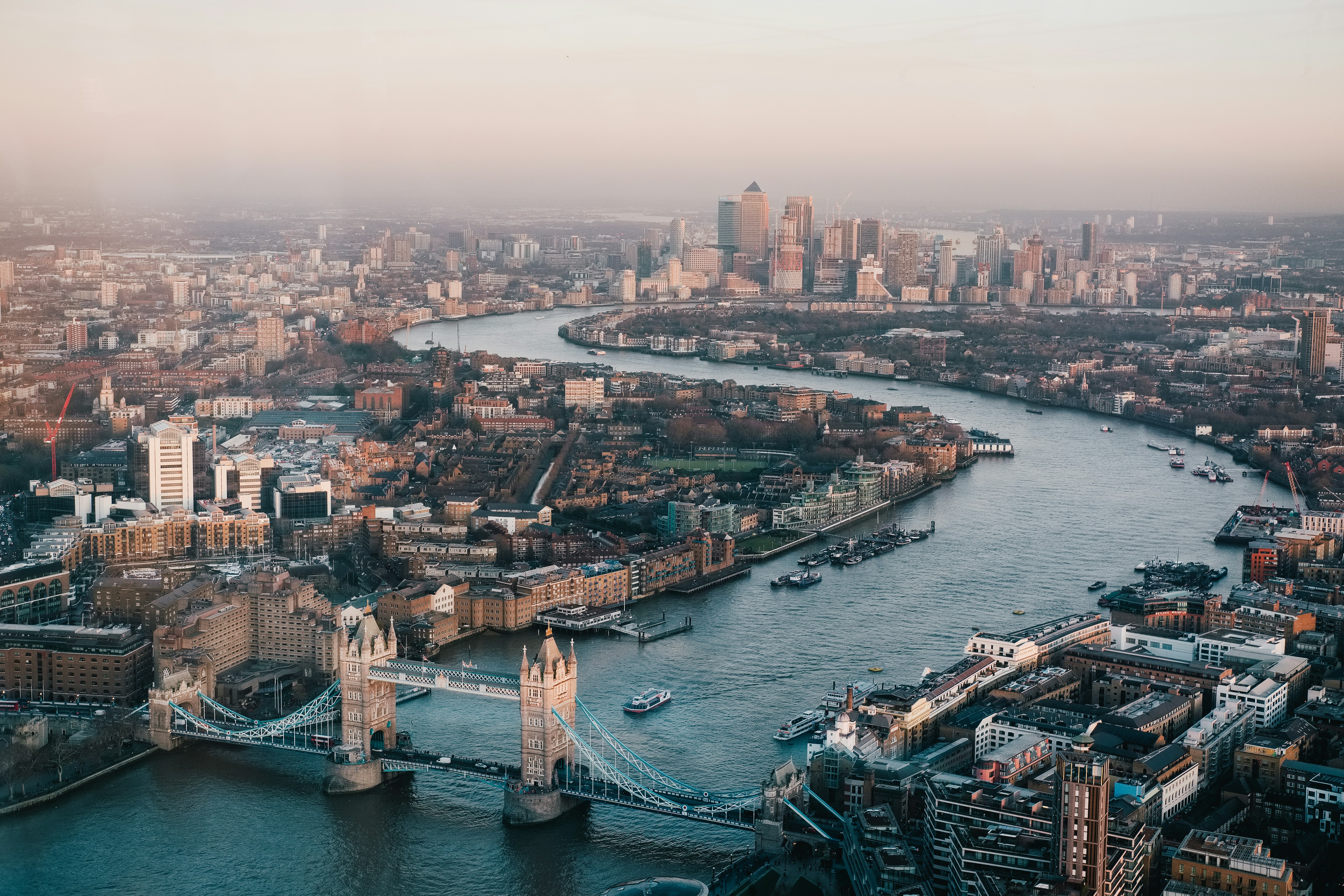
3. London, United Kingdom
Quick Stats: 22 Million Arrivals | Average Stay: 5.8 Days | Top Draw: Museums & Historical Landmarks
No other city on this list carries quite the same institutional weight as London. Despite the economic fluctuations of the post-Brexit era, the city remains a global cultural currency. From the historical fixtures like Big Ben to the high-energy reinvention of Soho, London’s 22 million visitors seek a sense of permanence in an ever-changing world.
4. Hong Kong, China
Quick Stats: 20.2 Million Arrivals | Average Stay: 3.5 Days | Top Draw: High-Density Energy & Island Hiking
After a period of quiet, Hong Kong has returned with a vengeance. The city’s core appeal remains its startling contrast: the high-octane urbanism of Central vs. the rugged, surprisingly accessible hiking trails of Lamma Island. With over 20 million visitors this year, it has solidified its place as the primary gateway to the East.

5. Mecca, Saudi Arabia
Quick Stats: 19 Million Arrivals | Average Stay: 12.0 Days | Top Draw: Religious Pilgrimage
Mecca represents the world's most consistent travel phenomenon. Unlike other cities that rely on seasonal trends, Mecca’s 19 million visitors are driven by religious devotion. The infrastructure around the Kaaba continues to evolve, accommodating a demographic that often stays longer than the average tourist.
6. Antalya, Türkiye
Quick Stats: 19 Million Arrivals | Average Stay: 9.5 Days | Top Draw: Mediterranean Resorts
While Istanbul is the soul of Türkiye, Antalya is its playground. This city has become the "all-inclusive" capital of the world, offering Mediterranean ease combined with Roman foundations. It is particularly popular with European and Russian markets seeking sun-drenched reliability.
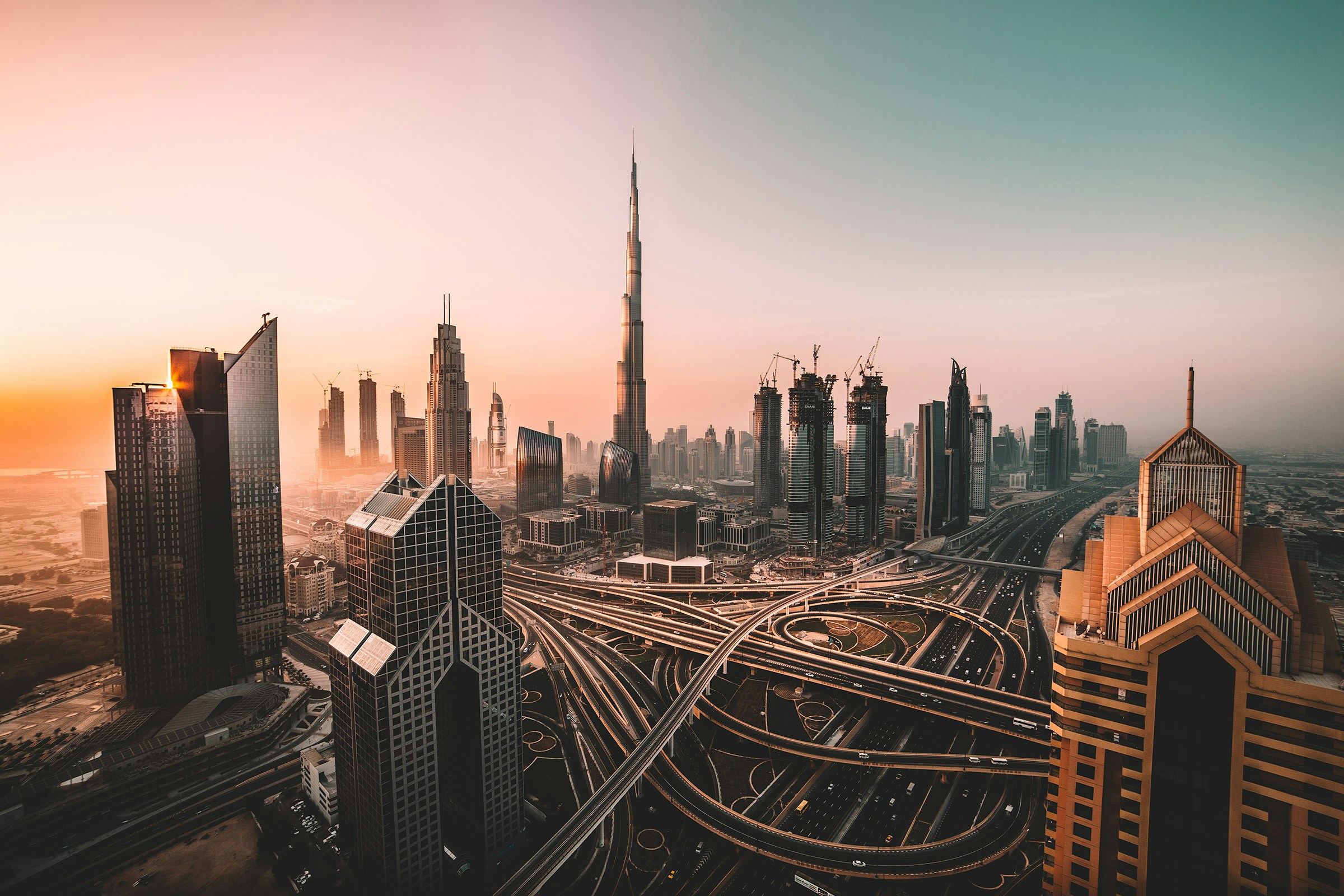
7. Dubai, UAE
Quick Stats: 18 Million Arrivals | Average Stay: 4.3 Days | Top Draw: Luxury & Architectural Spectacle
Dubai is a city built on the very idea of being "most." Whether it is the world’s tallest building or its most luxurious hotels, the city caters to the high-polish traveler. Its 18 million arrivals in 2024 are a testament to its ability to turn a desert landscape into a premier Michelin-starred destination.
8. Macau, China
Quick Stats: 18 Million Arrivals | Average Stay: 1.5 Days | Top Draw: Gaming & Portuguese Heritage
Often dismissed as the "Las Vegas of Asia," Macau’s true magnetism lies in its duality. Behind the neon-lit Cotai Strip lies the Senado Square, paved with Portuguese mosaic heritage that whispers of a colonial past. It attracts a high-frequency, short-stay audience.
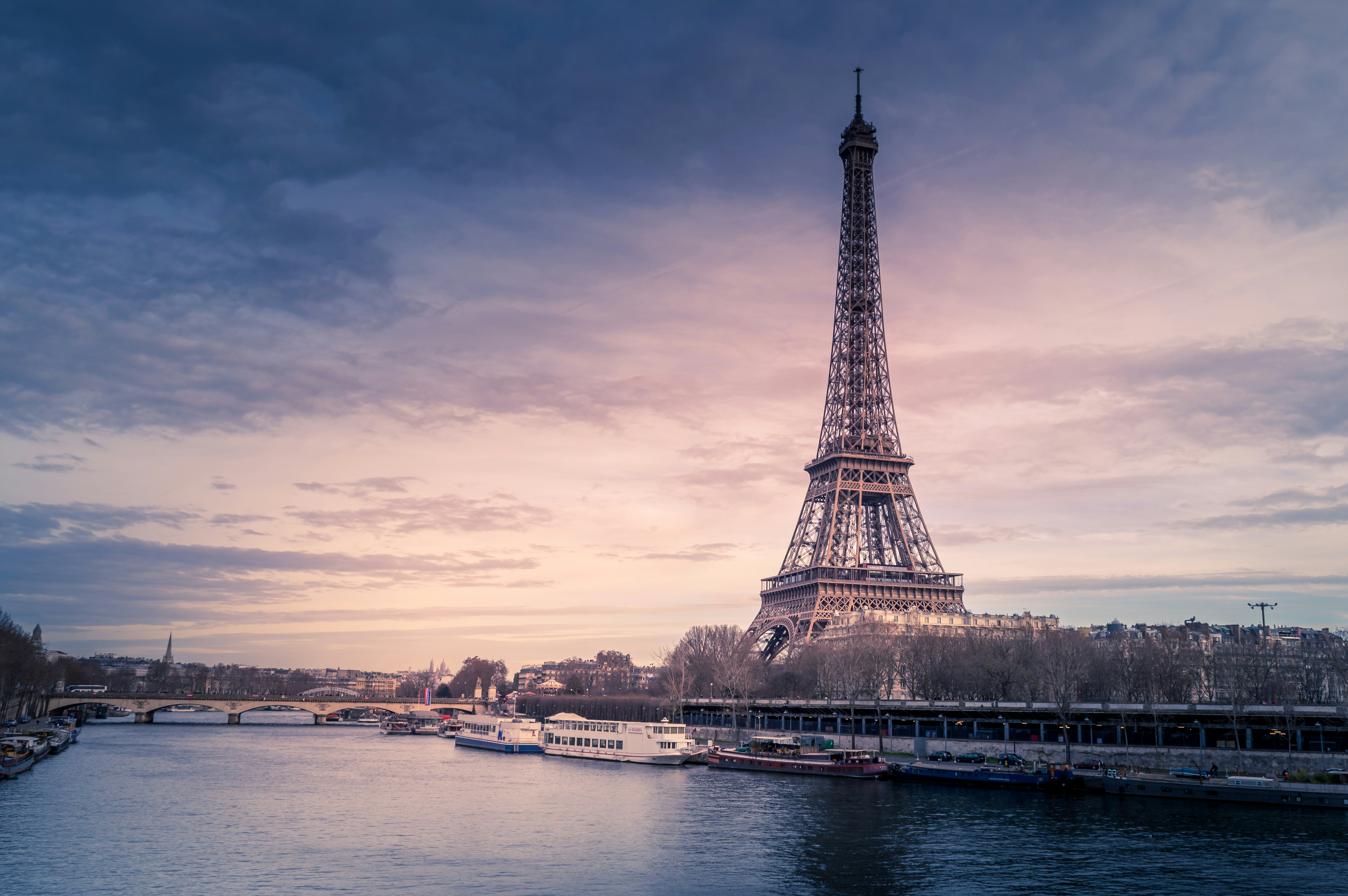
9. Paris, France
Quick Stats: 17 Million Arrivals | Average Stay: 4.1 Days | Top Draw: Art, Gastronomy & The Seine
Paris remains the definitive aesthetic choice for travelers. While it may have slipped slightly in raw numbers compared to Asian hubs, its cultural influence is undiminished. The enduring charm of the Parisian lifestyle and the landmarks along the Seine continue to attract a loyal, global audience.
10. Kuala Lumpur, Malaysia
Quick Stats: 16 Million Arrivals | Average Stay: 3.8 Days | Top Draw: Multiculturalism & The Petronas Towers
Kuala Lumpur rounds out the top ten by offering a cultural layering of Malay, Chinese, and Indian influences. It is often cited by critics as one of the most balanced cities in Asia—modern enough to be convenient, yet traditional enough to feel authentic.
The Road Less Traveled: The World’s Least Visited Cities
While the "Heavyweights" struggle with over-tourism, there are capitals on this planet where a single arrival can change the local tourism statistics for the day. These cities are often ignored, not for lack of beauty, but due to extreme remoteness, connectivity issues, or historical instability.
Funafuti, the capital of Tuvalu, is perhaps the most striking example. In 2023, it saw only 3,136 visitor arrivals. To put that in perspective, Bangkok receives that many visitors in the time it takes you to drink a cup of coffee. However, for the intrepid traveler, these destinations offer a rare commodity: genuine isolation.
Comparison: The Barriers to Entry
| City / Capital | Annual Arrivals | Primary Barrier to Entry |
|---|---|---|
| Funafuti, Tuvalu | ~3,100 | Remote Pacific location; limited flights. |
| Tarawa, Kiribati | ~8,000 | Lack of major hub connectivity; infrastructure. |
| Malabo, Equatorial Guinea | ~6,000 | Complex visa requirements; political history. |
| Ngerulmud, Palau | ~12,000 | High cost of entry; environmental taxes. |
Exploring these "Hidden Gems" requires a different mindset. You won't find Michelin stars in Funafuti, but you will find a runway that doubles as a community playground and a lagoon that defines "Blue Health."
Looking Ahead: Travel Trends for 2026 and Beyond
As we peer into the near future, the data suggests that the "where" of travel is being rapidly influenced by the "how." By 2026, we expect three major shifts to redefine the rankings of the most visited cities.
1. The Rise of "Glowcations"
Wellness is evolving. We are seeing a shift toward "Glowcations"—travel specifically designed for skin health, longevity, and K-beauty treatments. Cities like Seoul, Paris, and even Bangkok are pivoting to offer high-tech beauty retreats that combine medical-grade skincare with traditional wellness.

2. Blue Health Escapes
"Blue Health" refers to the psychological benefits of being near water. In 2026, we anticipate a surge in "Blue Health Escapes"—not just beach holidays, but immersive water-based wellness in places like the British Virgin Islands, Croatia, and the lesser-known Greek island of Lefkas.
3. Generative AI and "Second City" Discovery
The most significant technological shift will be the integration of Generative AI into hyper-personalized itinerary planning. AI will move travelers away from the "Top 10" lists and toward "Second Cities." Instead of Paris, AI might suggest Lyon; instead of Bangkok, it might suggest Chiang Rai, helping to manage peak-flow destinations and surface hidden gems based on real-time data.

Trend Spotlight: 2026 Vision
- AI-Driven Dispersal: Algorithms will actively incentivize off-peak travel to reduce the carbon footprint and overcrowding in "Heavyweight" cities.
- Longevity Hubs: Blue Zone-inspired travel where visitors learn the secrets of the world's longest-living populations.
- Digital Nomad Visas 2.0: More cities will offer "residency-light" options for remote workers, blurring the line between tourist and resident.
FAQ
Q: Why is Bangkok consistently the most visited city? A: Bangkok benefits from a perfect storm of factors: it is a major regional flight hub, it offers exceptional value for money, and it has successfully diversified its appeal to include luxury, medical tourism, and street culture.
Q: Are the least visited cities safe to travel to? A: Generally, yes, but they require significantly more planning. Cities like Funafuti are very safe but lack the medical and logistical infrastructure that Western travelers take for granted. Always check current travel advisories for places like Malabo.
Q: How will AI change my travel experience by 2026? A: AI will move beyond simple bookings to become a "connoisseur in your pocket." It will analyze your past preferences to suggest destinations that match your "vibe" but are currently at a lower capacity, helping you avoid the 32-million-person crowds in Bangkok.
James Wright's Closing Analysis: The world is getting smaller, but the options are getting broader. Whether you find yourself in the high-polish terminals of Dubai or the grass-strip runway of Tuvalu, the objective remains the same: to be moved by the unfamiliar. As we move toward 2026, the best travelers won't just be the ones who see the most, but the ones who see the most deeply.