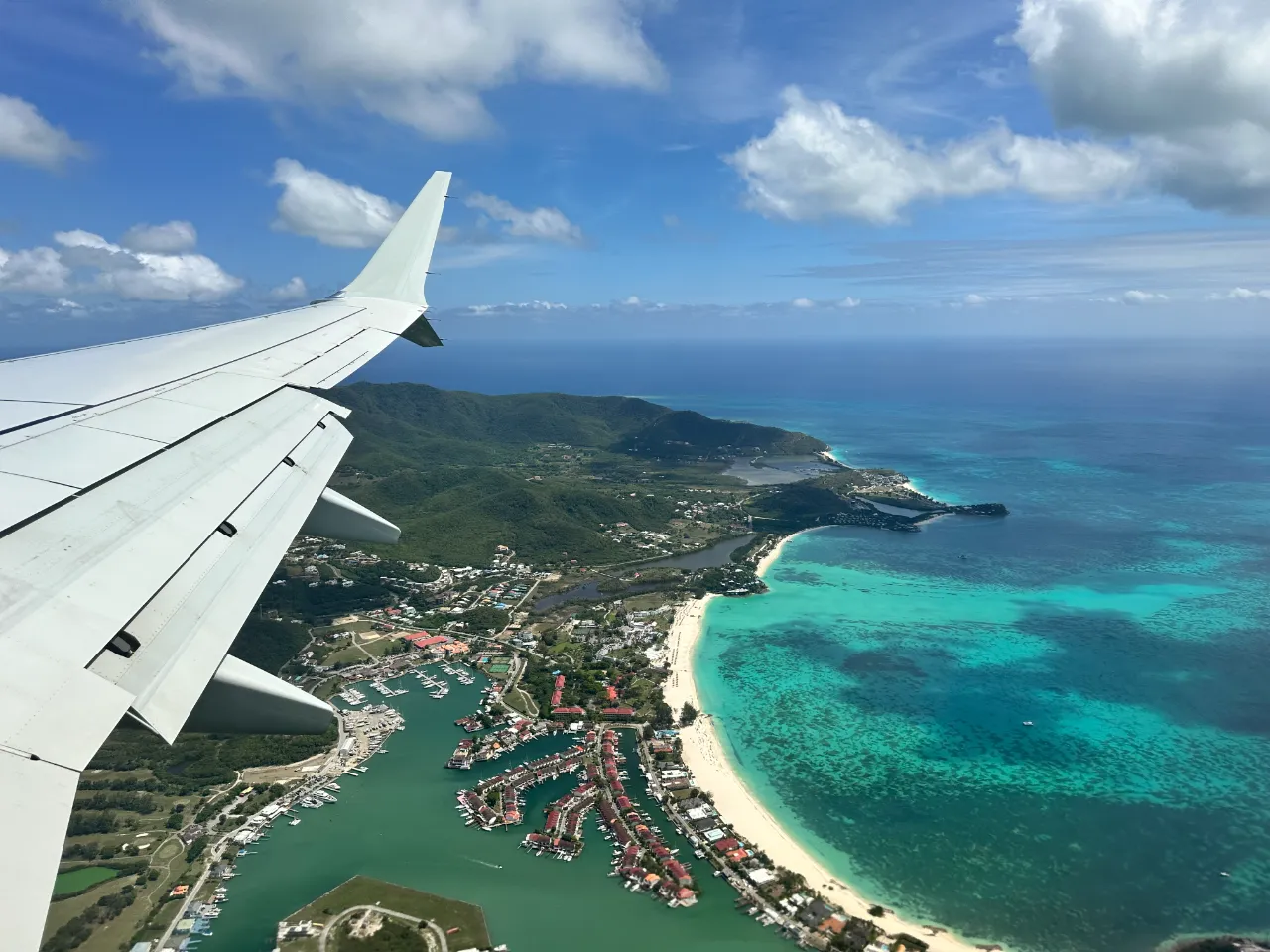
It is a common refrain among travelers that Antigua possesses a beach for every day of the year. While the "365 beaches" claim is a masterstroke of marketing, it often overshadows the island’s true depth. If you spend your entire journey with your toes buried in the white sands of Dickenson Bay, you’re only reading the cover of a much more complex Caribbean narrative.
As we look toward 2026, Antigua and Barbuda are emerging as more than just "fly-and-flop" destinations. The islands are leaning into their heritage, preserving 18th-century naval dockyards, protecting vast bird sanctuaries, and reviving the stories of the 112 historic sugar mills that punctuate the emerald landscape. To truly understand this nation is to look inland, where the trade winds whisper through limestone arches and the scent of Caribbean pepperpot drifts from roadside kitchens.
1. Step Back into History at Nelson’s Dockyard UNESCO Site
For any student of history or maritime enthusiast, Nelson’s Dockyard is the gravitational center of Antigua. Located in English Harbour, this is the world’s only continuously operating Georgian naval dockyard. It served as the strategic headquarters for the British Royal Navy during the Napoleonic Wars and was the home of Admiral Horatio Nelson from 1784 to 1787.
Today, the site is a triumph of restoration. The heavy stone buildings that once stored sails and tar now house boutique hotels, museums, and galleries. Walking through the dockyard, you feel the weight of the 18th century in the massive capstans and the thick, weathered walls.
Quick Facts:
- Significance: A UNESCO World Heritage site since 2016.
- The Museum: Located in the former Naval Officer’s House, it details the lives of the enslaved people and sailors who built and maintained this naval fortress.
- Active Marina: Despite its age, it remains a bustling hub for some of the world’s most prestigious superyachts.
2. Catch the Sunset at Shirley Heights Lookout
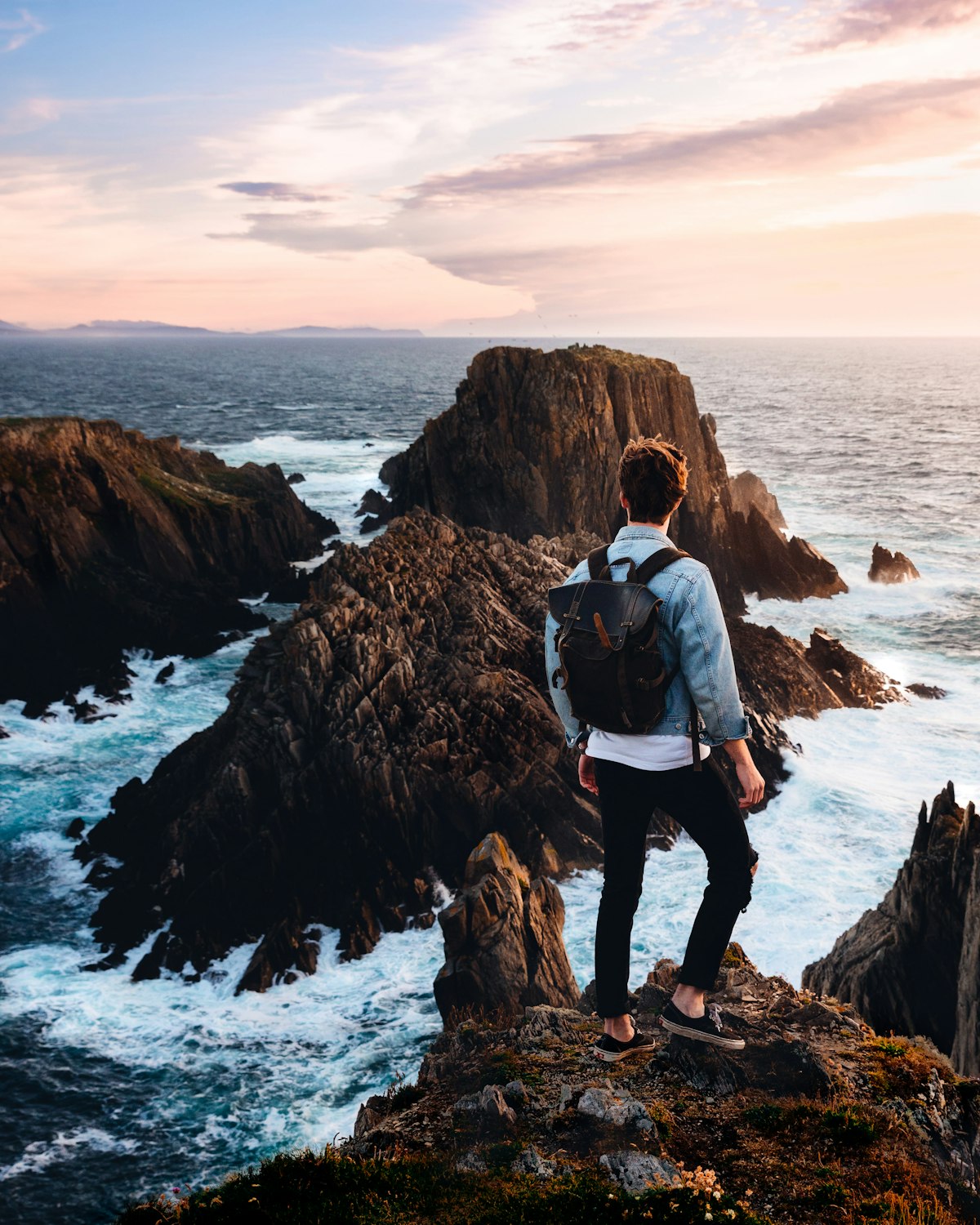
While the beaches are for relaxation, Shirley Heights is for perspective. Rising 490 feet above the Caribbean Sea, this former military lookout offers the most iconic panoramic vista in the West Indies. From the summit, you can trace the jagged coastline of English Harbour and Falmouth Harbour, where the turquoise lagoons meet the deep indigo of the Atlantic.
The "Sunday Sunset BBQ" at Shirley Heights has become a rite of passage for visitors. As the sun dips below the horizon—occasionally offering a glimpse of the elusive "green flash"—the air fills with the rhythmic clang of steel-pan bands and the aroma of jerk chicken.
Expert Tip: If you prefer a quieter experience, visit on a Thursday for the "Reggae Night" or arrive early on a Tuesday morning to enjoy the views in near-total solitude before the heat of the day sets in.
3. Explore the 112 Historic Sugar Mills & Betty’s Hope
Antigua’s interior is a landscape marked by its colonial past. One cannot drive across the island without noticing the stone towers that rise from the tall grass like ancient chess pieces. These are the remains of 112 historic sugar mills, silent sentinels of an era when sugar was "White Gold."
The most significant of these is Betty’s Hope, the island’s first large-scale sugar plantation, established in 1651. Today, it serves as an open-air museum. The twin windmills have been partially restored, providing a sobering look at the industrial-scale agricultural system that relied on the labor of thousands of enslaved Africans. It is a place for reflection, offering a deeper understanding of the socio-economic foundations of modern Antigua.
4. Summit the Peaks: Hiking Monks Hill & Boggy Peak
For those looking for the best hiking trails in Antigua, the southwestern volcanic district offers a stark contrast to the flat limestone plains of the north. The "Wallings Nature Reserve" serves as the gateway to several lush, rainforest-canopy trails.
- Monks Hill: A moderate hike that leads to the ruins of Fort George. Built in the late 17th century, the fort once provided a refuge for residents during threatened invasions. The view from the top looks out over the entire southern coastline.
- Boggy Peak (Mount Obama): The highest point on the island at 1,319 feet. The trail takes you through dense forest where you can spot indigenous flora and the occasional mongoose.
5. Witness the Frigate Bird Sanctuary on Barbuda
To experience the "other" half of the nation, one must venture to Barbuda. This low-lying coral island feels worlds away from the bustle of St. John’s. The primary draw for nature lovers is the Codrington Lagoon, home to the Frigate Bird Sanctuary.
This sanctuary hosts the world's second-largest colony of frigate birds, surpassed only by the Galapagos Islands. During the mating season (September to April), the male birds inflate their enormous, scarlet throat pouches to attract mates—a spectacular display of avian theater.
How to Travel from Antigua to Barbuda:
- By Sea: The Barbuda Express ferry takes approximately 90 minutes. It can be a choppy ride, so those prone to seasickness should prepare accordingly.
- By Air: A short, 20-minute flight from V.C. Bird International Airport offers stunning aerial views of the reefs.
6. Snorkel the Hidden Wrecks at Cades Reef
While this guide focuses on what lies beyond the sand, we would be remiss not to mention what lies beneath the waves. Cades Reef is a seven-mile-long barrier reef that serves as a protective shield for the island's leeward coast.
The underwater visibility here is exceptional, often exceeding 100 feet. Divers and snorkelers can expect to encounter:
- Marine Life: Southern stingrays, nurse sharks, and hawksbill turtles.
- Conservation: The area is part of a marine park, ensuring the coral gardens remain vibrant and healthy for the 2026 season and beyond.
7. Taste Local Flavors: Friday Fish Fry & St. John's Markets
To find the soul of Antigua, follow your nose. Antiguan cuisine is a spicy, hearty reflection of its African and European influences.
- The Friday Fish Fry: Head to the Copper & Lumber Store Hotel in Nelson's Dockyard for their famous Friday night event. It’s a sophisticated take on traditional street food, featuring freshly caught red snapper and lobster.
- The National Dish: You must try Fungee and Pepperpot. Fungee is a cornmeal and okra dumpling (similar to polenta), while Pepperpot is a rich, slow-cooked meat stew infused with cinnamon and squash.
- St. John’s Farmers Market: Visit on a Saturday morning. This is the place to buy the "Antigua Black" pineapple—renowned as the sweetest in the world—and hand-mixed West Indian curry powders.
8. Sail Away During Antigua Sailing Week
Antigua is the undisputed sailing capital of the Caribbean. Every year in late April or early May, the island hosts Antigua Sailing Week, a premier global regatta that attracts hundreds of yachts from every corner of the globe.
Even if you aren't a competitive sailor, the atmosphere in Falmouth Harbour is electric. The "Lay Day" festivities at Pigeon Point Beach feature boat races, live music, and a carnival atmosphere that captures the island's high-spirited maritime culture.

9. Discover the Geology of Devil’s Bridge National Park
On the rugged Atlantic coast, far from the calm Caribbean waters of the west, lies Devil’s Bridge. This natural limestone arch was carved over millennia by the relentless pounding of the Atlantic surf.
The site is both beautiful and haunting. During high tide, the waves force water through blowholes in the rock, creating geyser-like sprays that drench the surrounding cliffs. Local folklore suggests the bridge earned its name during the era of slavery, adding a layer of somber historical weight to the dramatic natural scenery.
10. Shop the Creole Charm of Redcliffe Quay
Before leaving, spend an afternoon in the capital of St. John’s, specifically at Redcliffe Quay. Once a major hub for the slave trade and later a terminal for sugar and rum exports, these restored 19th-century Creole townhouses now house the island's most charming boutiques.
Look for:
- Goldsmitty: For unique jewelry featuring rare gemstones.
- Zemi Art Gallery: For hand-painted fabrics and local woodcarvings that avoid the "souvenir shop" clichés.
2026 Travel Logistics & Insider Tips
Planning a trip to Antigua and Barbuda requires a bit of foresight, especially as the islands move toward more sustainable, high-end tourism models in 2026.
When to Go
The "High Season" runs from December to April, offering the best weather but the highest prices. For the best value, consider the shoulder months of May and June, when the crowds thin out but the hurricane season has not yet fully begun.
Getting Around
While taxis are plentiful, they operate on a fixed-rate system that can become expensive. For true exploration "beyond the sand," renting a car is essential.
Note: Driving is on the left side of the road. You will need to purchase a temporary local driving permit (approx. $20 USD), which your rental agency can typically provide.
Antigua vs. Barbuda: At a Glance
| Feature | Antigua | Barbuda |
|---|---|---|
| Vibe | Historic, bustling, social | Secluded, wild, tranquil |
| Top Attraction | Nelson's Dockyard | Frigate Bird Sanctuary |
| Travel Time | International Airport Hub | 90m Ferry / 20m Flight |
| Best For | History buffs & Foodies | Nature lovers & Solitude seekers |
FAQ
What are the best historical sites in Antigua? The most significant historical sites are Nelson’s Dockyard, a beautifully restored UNESCO World Heritage Georgian marina, and Betty’s Hope, the island’s first sugar mill dating back to 1651.
How can I travel from Antigua to Barbuda? Travelers can reach Barbuda from Antigua via the Barbuda Express (a 90-minute boat ferry) or a short 20-minute flight via local carriers like SVG Air or Fly Montserrat.
Where are the best views in Antigua? For panoramic island vistas, visit Shirley Heights for the famous Sunday sunset BBQ. For a more active perspective, hike to the top of Monks Hill to see the remains of 18th-century Fort George.
Ready to discover the secrets of the West Indies? Start planning your 2026 journey today.