There is a specific kind of alchemy that happens when the hum of tires on asphalt meets the scent of wild sage and damp pine. As we look toward the 2026 travel landscape, the American road trip has evolved from a simple transit of miles into a pilgrimage of the senses. We no longer just "see" the parks; we taste their terroir and listen to the stories etched into their granite faces.
In this curated guide, we explore the intersections of geography and gastronomy. The best dining experiences in national parks include the historic, steam-filled popovers at Jordan Pond House in Acadia, fresh-caught rainbow trout at Yosemite’s Mountain Room, and the legendary 5-cent coffee at Wall Drug near the Badlands. Whether you are chasing the high-altitude thrills of the Rockies or the sun-drenched silence of the Mojave, these fifteen routes are the ultimate bucket list for the modern explorer.
| National Park Trip | Primary Vibe | Key Culinary Highlight | Best For |
|---|---|---|---|
| Acadia | Coastal Heritage | Maine Lobster & Popovers | Romantic Getaways |
| Yellowstone/Glacier | Grand Wilderness | Bison Tenderloin | Wildlife Enthusiasts |
| Utah’s Mighty 5 | Otherworldly Terrain | Red Chile Enchiladas | Adventure Seekers |
| Rocky Mountain | High-Altitude Epic | James Beard-level Pasta | Peak Baggers |
| Joshua Tree | Desert Chic | Pork Belly Pastrami | Photographers |
| Olympic | Temperate Rainforest | Authentic Tamales | Solitude Seekers |
| Grand Canyon | Southwestern Icon | Fire-roasted Street Corn | History Buffs |
| Denali | Arctic Frontier | Duck Fat Fries | True Explorers |
| Badlands | Americana Nostalgia | 5-cent Coffee & Donuts | Family Road Trips |
| Crater Lake | Volcanic Majesty | Willamette Valley Wine | Scenic Drivers |
1. The Coastal Classic: Acadia National Park, Maine
Acadia is where the dawn first touches the United States, a landscape of fractured granite and salt-crusted spruce. The 27-mile Park Loop Road offers a rhythmic progression of cliffside views, culminating in the ethereal experience of watching the sunrise from the summit of Cadillac Mountain.
The Drive Navigate the winding Loop Road, stopping at Thunder Hole to hear the ocean’s rhythmic roar. For a detour, drive 20 minutes south to Camden, a quintessential harbor town perfect for perusing local artisan boutiques and catching a panoramic view of the fleet from Mount Battie.
Where to Eat No visit to Acadia is complete without a stop at the Jordan Pond House. Serving guests since the 1890s, their famous popovers—airy, golden, and served with strawberry jam and local butter—are a culinary rite of passage. Pair them with a glass of iced tea on the lawn as you gaze at the "Bubbles" mountains reflecting in the still water.
Where to Stay The Bar Harbor Inn provides an elegant anchor for your trip, offering views of Frenchman Bay that feel plucked from a 19th-century oil painting.
2. The Grand Trifecta: Yellowstone, Grand Teton & Glacier
This is the "Big Sky" dream realized. The journey between these three titans involves the legendary Going-to-the-Sun Road—50 miles of engineering marvel that bisects Glacier National Park. Here, the scale of nature is humbling; Glacier is home to a significant grizzly population, while Yellowstone hosts over 4,000 bison that frequently cause "bison jams" along the Lamar Valley.
The Drive The transition from the jagged peaks of the Tetons to the geothermal wonders of Yellowstone is a masterclass in geological diversity. Ensure you spend a full day on the Snake River corridor, where the mountains rise abruptly from the valley floor without foothills to shield their grandeur.
Where to Eat In Whitefish, just outside Glacier, Café Kandahar offers a sophisticated take on mountain cuisine. Their bison tenderloin is legendary, treated with the reverence of fine French technique. For a more rustic but equally scenic experience, secure a window seat at the Grand Canyon Lodge for dinner overlooking the North Rim.
Where to Stay Many Glacier Hotel, perched on the edge of Swiftcurrent Lake, offers a Swiss-chalet aesthetic that transports you to the Alps.
3. Utah’s Mighty 5: The Red Rock Loop
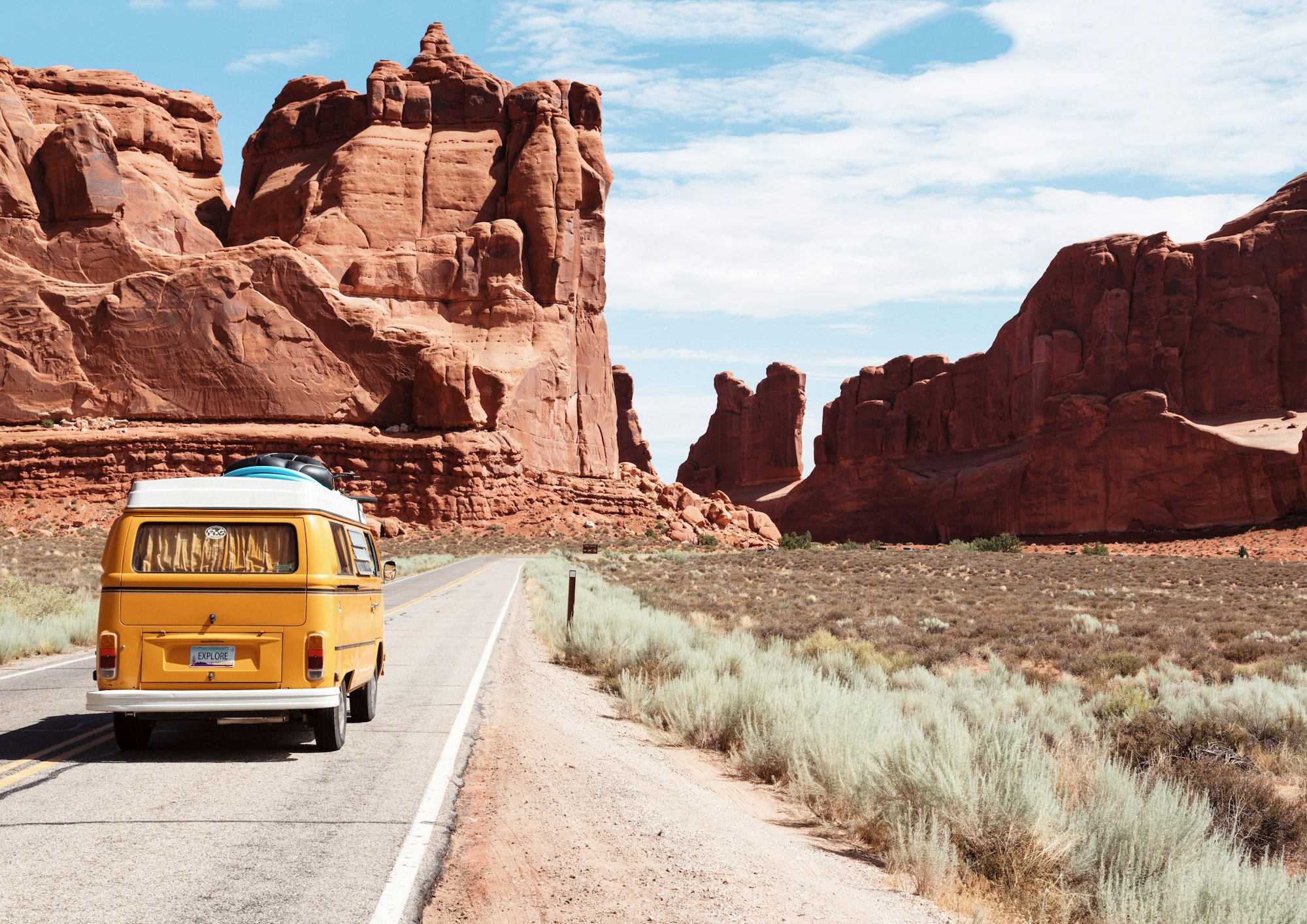
The "Mighty 5" (Zion, Bryce Canyon, Capitol Reef, Arches, and Canyonlands) represent a concentrated dose of the American Southwest’s crimson soul. One of the greatest logistical perks of this trip is the proximity; only a 90-minute drive separates the soaring monoliths of Zion from the whimsical hoodoos of Bryce Canyon, with a further two hours leading you into the fruit-filled orchards of Capitol Reef.
The Drive Route 12 is often cited as one of the most beautiful scenic byways in the world. It "hogs-back" along narrow ridges with sheer drops on both sides, offering views of the Grand Staircase-Escalante that seem to stretch into infinity.
Where to Eat Make Kanab your basecamp. Here, Sego serves "New American" small plates that reflect the diverse flavors of the region. If you find yourself drifting toward the New Mexico border, don’t miss the red chile enchiladas at The Shed, where the spice level is a point of local pride.
Where to Stay Look for boutique stays in Kanab to remain central to all five parks while enjoying a touch of desert luxury.
4. The High Peaks: Rocky Mountain National Park, Colorado
Colorado’s crown jewel is a land of thin air and jagged horizons. The centerpiece is Trail Ridge Road, the highest continuous paved road in the United States. Climbing to a staggering 12,183 feet, the road takes you above the treeline into a fragile alpine tundra that resembles the Arctic Circle.
The Drive As you ascend, the temperature drops and the world opens up. You’ll pass the Alpine Visitor Center, which sits at a breathless 11,796 feet, making it the highest elevation visitor center in the National Park Service. Watch for elk herds that graze in the meadows near Estes Park.
Where to Eat After descending from the peaks, head to Boulder for a meal at Frasca Food and Wine. This James Beard Award-winning establishment specializes in the cuisine of Friuli, Italy, providing a refined, carb-heavy recovery from your high-altitude hiking.
Where to Stay The Stanley Hotel in Estes Park offers a dose of Edwardian grandeur and a touch of cinematic history (it inspired Stephen King’s The Shining).
5. The Desert Escape: Joshua Tree National Park, California
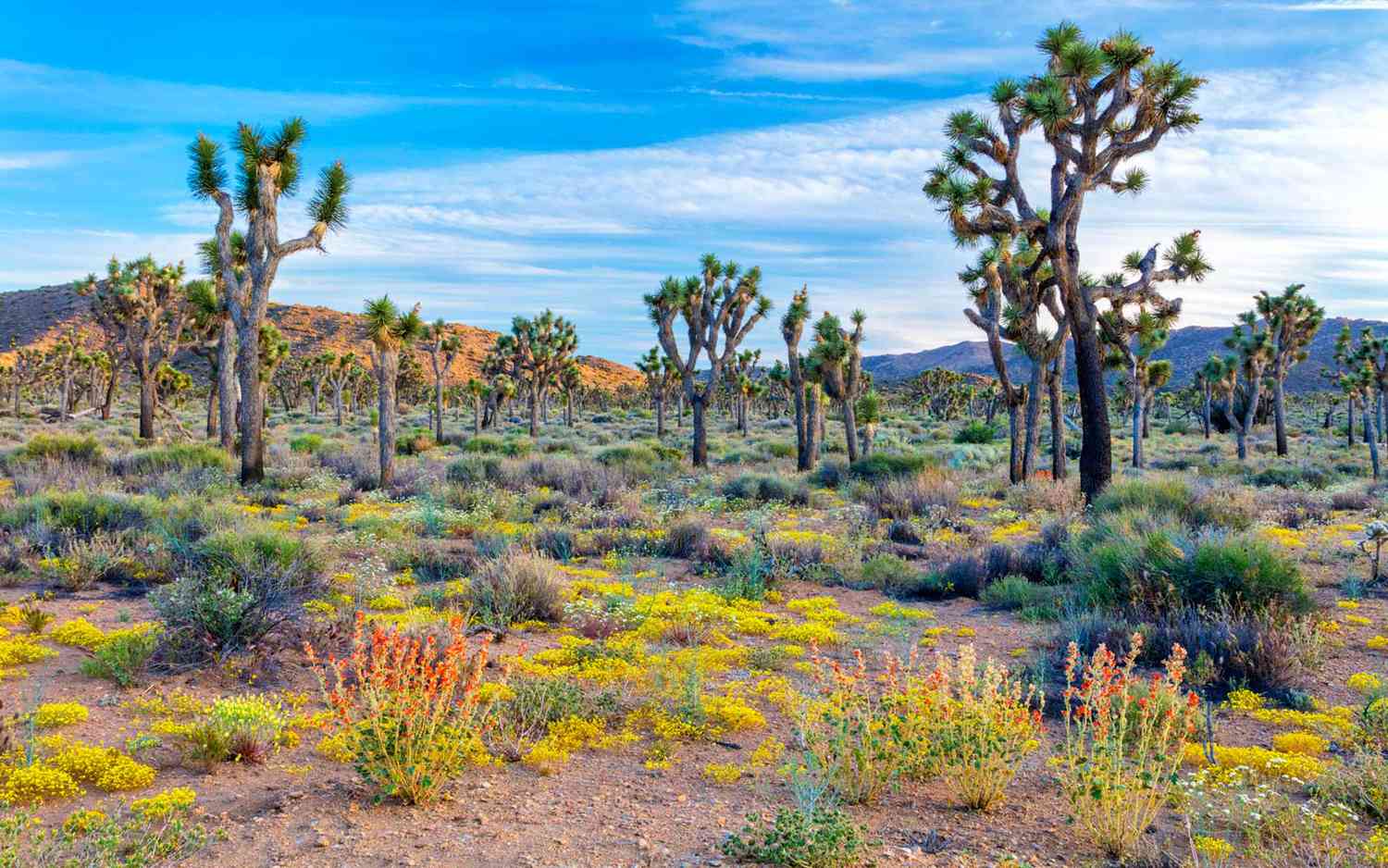
Joshua Tree is a place of spiritual silence and surreal flora. The park is defined by the twisted, bristled silhouettes of the Yucca brevifolia and the massive monzogranite boulders that look like they were tumbled by giants.
The Drive Cruise along Park Boulevard at "golden hour" for the most dramatic lighting. A stop at Intersection Rock is essential for watching rock climbers tackle the sheer faces as the sky turns a bruised purple. Don't forget the kitschy but iconic photo op at the Cabazon Dinosaurs on your way in from Los Angeles.
Where to Eat In Yucca Valley, La Copine is a destination unto itself. This desert oasis serves an impeccable pork belly pastrami and salt cod fritters that defy the expectations of "roadside" dining.
6. The Olympic Diversity: Olympic National Park, Washington
Olympic is three parks in one: a rugged Pacific coastline, glacier-capped peaks, and a lush temperate rainforest. The US-101 loop is the artery that connects these disparate ecosystems.
The Drive Hurricane Ridge Road offers the most accessible high-mountain views, while the drive to Ruby Beach reveals sea stacks rising like ghosts from the mist. Make sure to stop in Sequim, the "Lavender Capital of North America," particularly in July when the fields are a vibrant violet.
Where to Eat In the town of Forks, seek out FYABES Mexican Cuisine. Their handmade tamales provide the warm, spicy comfort needed after a damp morning spent exploring the Hoh Rain Forest.
7. The Southwest Icons: Grand Canyon & Sedona
The descent from the Grand Canyon’s South Rim to the red spires of Sedona is one of the most visually arresting transitions in the country. The Oak Creek Canyon Scenic Drive features hairpin turns that reveal glimpses of the emerald creek against the burning orange rock.
Where to Eat In Sedona, Elote Cafe is the gold standard. Their signature fire-roasted corn (elote) and lamb adobo are legendary, best enjoyed with a blood orange margarita. For a more formal affair, Mariposa Latin Inspired Grill offers floor-to-ceiling views of the red rocks.
Where to Stay The historic El Tovar Hotel, situated just 20 feet from the canyon rim, remains the most coveted reservation in the park system.
8. The Great Wilderness: Denali National Park, Alaska
Denali is scale beyond comprehension. The park encompasses over 6 million acres of wilderness, yet it is accessible via a single 92-mile road. This lone corridor leads travelers toward the base of Mount McKinley (Denali), North America's highest peak.
The Drive While private vehicles are restricted after mile 15, the bus journey deeper into the park is a silent, awe-inspiring trek through grizzly and caribou territory. Stop in the quirky village of Talkeetna on your way from Anchorage to see local artisan wares and perhaps meet the honorary feline mayor.
Where to Eat Back in Anchorage, Tent City Taphouse pays homage to the city’s history while serving modern comfort food like duck fat fries and fresh Alaskan halibut.
9. The Otherworldly Plains: Badlands, South Dakota
The Badlands feel like a different planet. The 40-mile Badlands Loop Scenic Byway winds through eroded buttes and pinnacles that change color with the movement of the sun, shifting from ochre to soft rose.
Where to Eat A road trip here is incomplete without a stop at Wall Drug. What started as a small pharmacy during the Depression is now a sprawling monument to Americana. Sit in the Western Art Gallery Restaurant and enjoy their famous 5-cent coffee and a plate of handmade donuts.
Where to Stay For a modern twist, Under Canvas Mount Rushmore offers luxury glamping that allows you to fall asleep under a canopy of stars.
10. The Water Wonders: Crater Lake, Oregon
Crater Lake is the deepest lake in the U.S., a collapsed volcano filled with water of such an intense blue it looks like ink. The 33-mile Rim Drive circles the caldera, offering dozens of viewpoints.
The Drive Before reaching the park, spend an afternoon in Eugene for a tasting of Willamette Valley Pinot Noir. The drive up the Rogue River-Siskiyou National Forest provides a lush, green prelude to the blue shock of the lake.
Where to Stay Crater Lake Lodge, built in 1915, is the only hotel inside the park. Its Great Hall, with a massive stone fireplace, is the perfect place to recount the day’s hike.
11. The Wetlands: Everglades National Park, Florida
The Everglades is a slow-moving "River of Grass." Driving the Tamiami Trail or the 26-mile Loop Road offers glimpses of alligators sunning themselves on the banks and roseate spoonbills flying overhead.
Where to Eat Joanie’s Blue Crab Café is a slice of old Florida. It’s the place to try gator nuggets or a fresh crab cake sandwich while surrounded by cypress trees and local lore.
12. The Autumn Special: Shenandoah & Blue Ridge Parkway
If you are traveling in October, there is no more beautiful road than Skyline Drive. It runs 105 miles along the crest of the Blue Ridge Mountains in Shenandoah National Park before transitioning into the Blue Ridge Parkway.
Where to Eat Before you hit the trail, stop in Charlottesville for Bodo’s Bagels. It’s a local institution where a "bagel with lox spread" is the essential fuel for a day of leaf-peeping.
13. The Hidden Gem: Isle Royale National Park, Michigan
This is the "car-less" road trip. To reach Isle Royale, you must take a ferry from Grand Portage, Minnesota. It is a journey for those who seek true wilderness and the haunting call of wolves.
Where to Eat Before boarding the ferry, visit World’s Best Donuts in Grand Marais. Their "Skizzle"—a flat, fried pastry covered in sugar—is a legendary North Shore treat.
14. The Sequoia Giants: Sequoia & Kings Canyon
There is a profound humility in walking beneath trees that have lived for two millennia. The Giant Forest, home to the General Sherman tree, is the centerpiece of this vertical journey.
Where to Eat The Lodgepole Delicatessen provides high-quality, pre-packed picnic baskets. Take your lunch to the Moro Rock trail for a meal with a view of the Great Western Divide.
15. The Volcanic Coast: The Oregon Coast Drive
While not a single park, the drive along US-101 encompasses dozens of state parks and the Oregon Dunes National Recreation Area. It is a 363-mile stretch of haystacks, tide pools, and crashing surf.
Where to Eat Stop in Cannon Beach for tide pooling, then head to the docks for local Dungeness crab. Eating it fresh off the boat, with nothing but a squeeze of lemon, is the ultimate expression of the Pacific Northwest.
FAQ
What is the best time of year for a National Park road trip? For the mountain parks (Glacier, Rocky Mountain, Rainier), July through September is ideal to ensure snow-free roads. For desert parks (Joshua Tree, Zion, Grand Canyon), spring and autumn offer the most temperate hiking conditions.
Do I need a reservation to enter the parks? In 2026, several popular parks (Arches, Glacier, Rocky Mountain, and Yosemite) continue to use vehicle reservation systems during peak season. Always check the official NPS website at least three months in advance.
Can I find vegetarian or vegan food near the parks? While historical park lodges are known for game meats, gateway towns like Boulder (Rocky Mountain), Kanab (Utah 5), and Bend (Crater Lake) have become culinary hubs with extensive plant-based options.
Whether you’re biting into a warm popover in Maine or watching the sunset paint the Utah desert in shades of violet, these road trips are more than just miles on an odometer. They are an invitation to slow down, to taste the landscape, and to rediscover the wild heart of the continent.