To understand Montreal is to understand a city that exists in layers—not just the geological layers of its volcanic past, but the cultural strata of its Tiohtià:ke Indigenous roots, its French colonial heritage, and its current status as a global hub for AI and creativity. As we look toward 2026, the city stands at a fascinating crossroads. It is a year of profound milestones, marking the 150th anniversary of its iconic park and the 50th anniversary of its Olympic legacy.
Whether you are navigating the 17th-century cobblestones of Old Montreal or exploring the futuristic "Underground City" that spans 33 kilometers, Montreal offers a singular blend of Old-World charm and North American energy. In this guide, we explore the 23 best things to do in Montreal, balancing historic reverence with the modern wonders that make this city a perennial favorite on the global stage.
I. 2026 Special Anniversaries & Iconic Events
The year 2026 isn't just another year in Montreal; it is a commemorative symphony. For travelers visiting during this window, the city feels more vibrant than usual, with events specifically curated to honor its history while pushing toward the future.
1. Mount Royal Park’s 150th Anniversary
In 2026, Mount Royal Park—the "leafy heart of the city"—celebrates 150 years since its inauguration. Designed by Frederick Law Olmsted (the visionary behind New York’s Central Park), this 470-acre green space is more than a park; it is a secular sanctuary. We recommend walking the winding Olmsted Trail, which was specifically engineered to provide a gradual ascent that reveals the city’s skyline in cinematic slow-motion.
2. 50 Years of the 1976 Summer Olympics
Half a century ago, Montreal hosted the world. In 2026, the Olympic Park will host commemorative events, including guided heritage tours of the Olympic Stadium and the Montreal Tower. Even if you aren't an athlete, the sheer scale of the architecture remains a marvel of mid-century modernism.
3. UCI Road World Championships
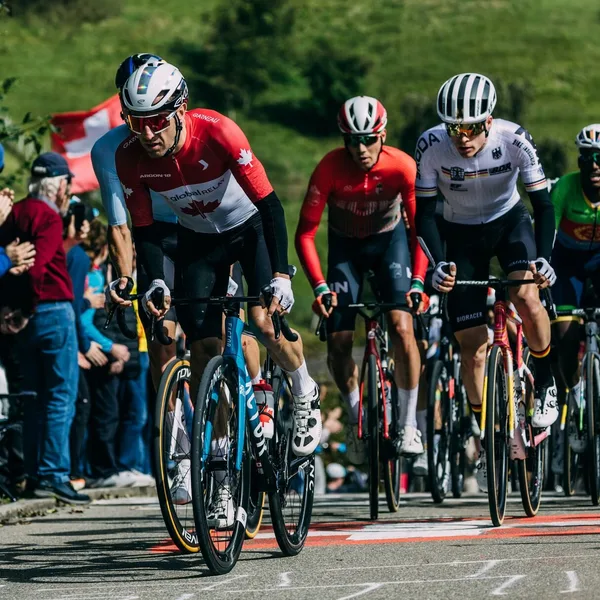
Montreal’s reputation as a cycling epicenter reaches a fever pitch in 2026. The city will host the UCI Road World Championships, bringing the world's elite cyclists to its challenging urban circuits.
4. Montreal Metro's 60th Birthday
It may seem unusual to celebrate a subway system, but the Montreal Metro is a subterranean art gallery. Opened in 1966, each station was designed by a different architect and features unique murals and sculptures. In 2026, look for special "Art in the Metro" tours that highlight the legacy of this design marvel.
| Event | Date / Season | Significance |
|---|---|---|
| Mount Royal 150th | All of 2026 | Celebrating Olmsted's design legacy |
| 50th Olympic Anniversary | July 2026 | Commemorating the 1976 Summer Games |
| UCI Road World Champs | September 2026 | Global elite cycling competition |
| Nuits d’Afrique 40th | July 2026 | Milestone edition of the world music festival |
II. Historic Sights: Stepping into the 17th Century
Montreal’s history is tangible. Unlike many North American cities, the 17th and 18th centuries haven't been paved over; they have been integrated.
What are the top historic sights in Montreal? The top historic sights include the Notre-Dame Basilica, the 17th-century cobblestone streets of Old Montreal, and Saint Joseph's Oratory, which features the world's third-largest dome.
5. Old Montreal (Vieux-Montréal)
The site of the city's 1642 founding, Old Montreal is a labyrinth of European-style architecture. Walking down Rue Saint-Paul, the city’s oldest street, you’ll encounter stone warehouses and chapels that have stood for centuries. We recommend visiting in the early morning to capture the light hitting the grey stone facades before the crowds arrive.
6. Notre-Dame Basilica
This Neo-Gothic masterpiece is a sensory overload of deep blues, gilded carvings, and intricate woodcraft. While the history dates back to the 19th century, the experience is modernized through 'Aura,' a spectacular multimedia show that uses projection mapping to highlight the church's architectural nuances. It remains the quintessential historic landmark of the city.
7. Saint Joseph's Oratory
Perched on the northern slope of Mount Royal, this basilica is a site of pilgrimage and architectural awe. It boasts the world’s third-largest dome (after Saint Peter’s in Rome and Yamoussoukro in Ivory Coast) and offers one of the most serene panoramic views of the city’s northern reaches.
8. Pointe-à-Callière
Built directly over the site where Montreal was founded, this archaeology and history complex allows you to walk through original colonial stone drainage systems and see foundations from the 1600s. It is a rare opportunity to literally walk beneath the layers of time.
9. Lachine Canal
Once the industrial artery of the continent, the Lachine Canal is now a National Historic Site repurposed for leisure. The 14.5-kilometer path is perfect for cycling, offering views of repurposed red-brick factories and the iconic Five Roses Flour neon sign.
10. McGill University Campus
The downtown campus of McGill University offers a stark contrast to the modern skyscrapers surrounding it. With its Gothic Revival architecture and limestone buildings, parts of the campus—specifically around the Arts Building—evoke a 'Hogwarts' atmosphere that feels worlds away from the 21st century.
III. Modern Wonders & The Underground City
Montreal’s innovation is often hidden beneath the surface or soaring into the sky. The city has mastered the art of "climate-proof" living and digital immersion.
11. The Underground City (RÉSO)
Montreal's 'underground city' (known as RÉSO) is the largest in the world, consisting of a 33-kilometer (approx. 20.5 miles) pedestrian network linking 12% of all downtown businesses, hotels, and Metro stations. It is a city beneath a city, housing over 2,000 shops and restaurants. Far from being a dark tunnel, it is an airy, bright network of corridors and atriums that allows Montrealers to thrive during the legendary winters.
12. Place Ville Marie (The Ring)
At the heart of downtown stands Place Ville Marie. In recent years, it has been adorned with "The Ring"—a massive, 30-meter-wide steel installation that frames the view of Mount Royal. It has quickly become a modern symbol of the city's resilience and aesthetic ambition.
13. Royalmount
A new addition for the 2026 traveler, Royalmount is the city's newest luxury shopping and art destination. It represents the "New Montreal"—an eco-conscious, high-design district that blends retail with massive outdoor art installations and green spaces.
14. OASIS Immersion
Located in the Palais des Congrès, this is Canada's largest permanent immersive exhibit. Using floor-to-ceiling projections and surround sound, it creates a walk-through digital art experience that changes seasonally, often featuring world-renowned digital artists.
15. Port of Montreal Tower
For a 2026 perspective of the St. Lawrence River, ascend this glass-enclosed tower in the Grand Quai. It features a glass floor for the brave and provides a panoramic view of the river's treacherous Lachine Rapids and the modern skyline.
IV. Arts, Culture & Vibrant Neighborhoods
Montreal is often called "Canada’s Cultural Capital," a title earned through its staggering density of museums and street art.
16. Montreal Museum of Fine Arts (MMFA)
As one of the most visited museums in North America, the MMFA houses a permanent collection of over 43,000 works spanning from antiquity to the modern day. Its five pavilions are connected by underground tunnels, making it a sprawling world of discovery.
17. Quartier des Spectacles
This is the heartbeat of Montreal’s festivals. Whether you visit in summer for the Jazz Festival or in winter for Montréal en Lumière, this district is a permanent stage. In 2026, the 40th edition of Nuits d’Afrique will transform these plazas into a massive celebration of global music and culture.
18. MURAL Festival & Boulevard Saint-Laurent
The "Main" (Boulevard Saint-Laurent) is a living gallery. Every June, the MURAL Festival brings international artists to paint massive facades. We recommend a self-guided walking tour from Sherbrooke Street up to Mile End to see the evolution of the city's street art scene.
19. The Plateau & Mile End
If you want to feel like a local, head to the Plateau. Known for its colorful Victorian houses and wrought-iron exterior spiral staircases, this is the neighborhood of poets and artists. Mile End, just to the north, is the city's hipster capital—home to world-class bookstores, vintage shops, and the famous bagel rivalries.
V. The Best Views & Nature Escapes
Montreal is an island, and its geography provides some of the most dramatic vistas in North America.
What is the best view of Montreal? The most iconic panoramic views are found at the lookouts atop Mount Royal Park (specifically the Kondiaronk Lookout) and from La Grande Roue de Montréal in the Old Port.
20. Kondiaronk Lookout (Mount Royal)
The quintessential Montreal experience. Stand at the front of the Chalet du Mont-Royal and look south; the entire downtown core unfolds before you, with the St. Lawrence River and the Monteregian Hills in the distance.
21. La Grande Roue de Montréal
Located in the Old Port, this is Canada’s largest observation wheel. While Mount Royal offers a natural elevation, the wheel provides a vertical, bird’s-eye view of the historic district and the river from 60 meters in the air.
22. Montreal Botanical Garden
Ranked as one of the best in the world, the Botanical Garden features 10 exhibition greenhouses and 185 acres of themed gardens. The Chinese and Japanese gardens are particularly stunning, especially during the autumn lantern festivals.
23. Parc Jean-Drapeau & The Biosphere
Comprising two islands (Sainte-Hélène and Notre-Dame), this park is a legacy of Expo 67. The Biosphere, a geodesic dome designed by Buckminster Fuller, is now an environmental museum and a striking silhouette against the sunset.
VI. A Taste of 2026: Culinary Must-Dos
Montreal's food scene is undergoing a revolution. While the classics remain, the 2026 traveler will witness the city's Michelin-starred evolution.
No visit is complete without the "Big Three":
- The Bagel: Head to St-Viateur or Fairmount in Mile End. Unlike New York bagels, these are boiled in honey-infused water and wood-fired.
- Smoked Meat: Schwartz’s Deli on Saint-Laurent remains the gold standard for salt-brined, spice-rubbed brisket.
- Poutine: For a modern twist, visit La Banquise, or for a high-end version, try the foie gras poutine at Au Pied de Cochon.
However, 2026 is about the Michelin Guide's impact. The city’s fine-dining scene—led by chefs who prioritize Quebecois terroir—is reaching new heights of global recognition. Whether it's a small "buvette" in Little Italy or a tasting menu in the Golden Square Mile, the quality of ingredients is unparalleled.
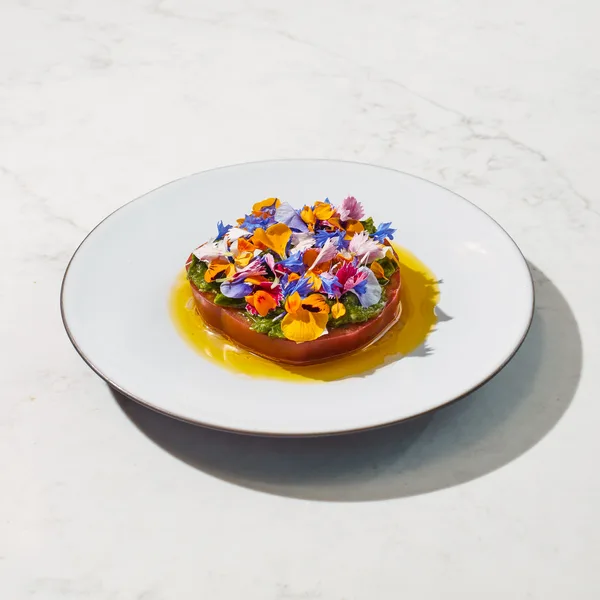
Pro Tip: If you want to sample everything in one place, visit the Jean-Talon Market. It is one of the largest open-air markets in North America, offering a sensory explosion of Quebec cheeses, maple products, and seasonal produce.
FAQ
Is Montreal safe for travelers in 2026? Yes, Montreal consistently ranks as one of the safest major cities in North America. As with any urban center, practice standard awareness in crowded festival areas.
Do I need to speak French to enjoy Montreal? While French is the official language and a source of great pride, Montreal is highly bilingual. You will have no trouble navigating the city in English, though a "Bonjour" or "Merci" is always appreciated and will enhance your experience.
What is the best way to get around? The Metro is efficient, clean, and art-filled. However, Montreal is also one of the most bike-friendly cities in the world. The BIXI bike-sharing system is highly recommended for traveling between neighborhoods like the Plateau and Old Montreal.
Montreal is a city that rewards the curious. It is a place where you can touch stones laid in 1642 in the morning and stand inside a digital immersive forest by the afternoon. As 2026 approaches, the city’s energy is palpable—a celebration of where it has been and a bold statement on where it is going.