The fragrance of sandalwood incense from a Hollywood Road temple drifts into the sterile, cool air of a flagship gallery; the rhythmic click-clack of mahjong tiles provides a percussion track to the silent, high-speed glide of the MTR. In 2026, Hong Kong remains a city defined by these impossible juxtapositions. While the brand-new Kai Tak Sports Park now dominates the skyline of Kowloon Bay, the city’s heart still beats in the narrow alleyways of Sham Shui Po and the mist-shrouded peaks of Lantau. This is the year of Hong Kong’s "Cultural Renaissance," a period where the city has finally balanced its breakneck pace of development with a deep, renewed reverence for its heritage and natural edges.
Whether you are here for the Michelin-starred refinement of Central or the salty air of the outlying islands, this guide navigates the essential experiences that define the Pearl of the Orient today.
Section 1: Scaling the Icons for the Ultimate Skyline
The Hong Kong skyline is not merely a collection of skyscrapers; it is a testament to vertical ambition. For the uninitiated, the question of where to find the best perspective often boils down to a choice between the high-altitude drama of the Peak and the intimate, water-level charm of the harbor.
The Best Way to See the Skyline For the definitive "top-down" view, the Victoria Peak remains unparalleled. To get there, the Peak Tram—a funicular that has been scaling this 1,364-meter ascent since 1888—offers a dizzying perspective of the towers leaning at impossible angles. Once at the top, the Sky Terrace 428 provides a 360-degree panorama, though seasoned travelers often prefer the Peak Galleria’s free observation deck or a sunset stroll along the Morning Trail (Hatton Road) for a more tranquil experience.
Alternatively, for the price of a few Hong Kong dollars, the Star Ferry offers the world’s most iconic commute. Crossing Victoria Harbour between Central Pier 7 and Tsim Sha Tsui, the green-and-white vessels provide a panoramic perspective of both the Kowloon and Hong Kong Island shorelines. In 2026, the ferry remains the soul of the city, best enjoyed just as the "Symphony of Lights" begins at 8:00 PM.
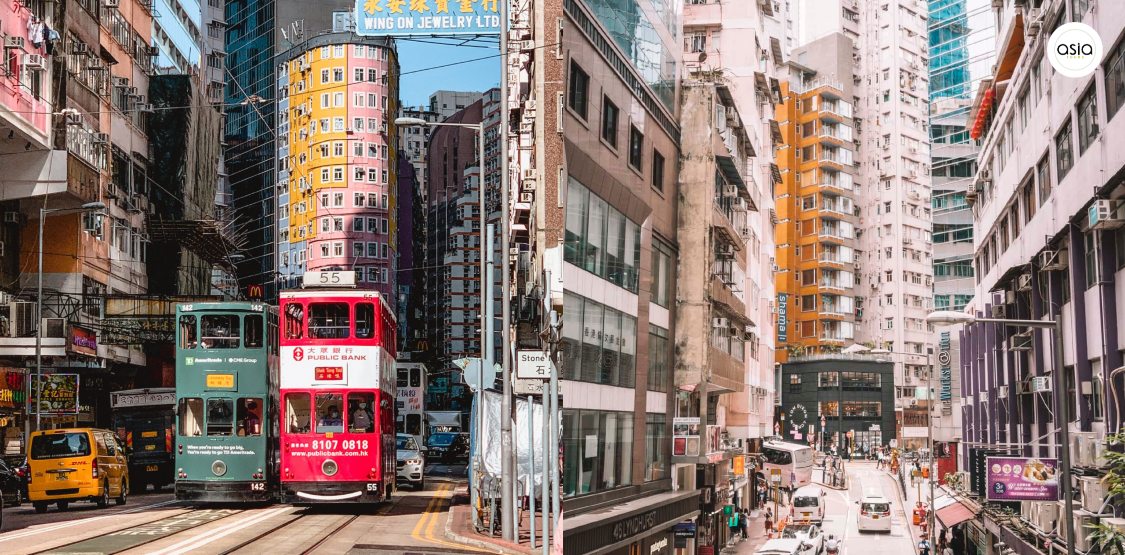
Local Pro Tip: Skip the often-lengthy Peak Tram queues on weekends by taking a taxi or the No. 15 bus from the Central Ferry Piers. It winds through the affluent mid-levels, offering a scenic preview of the view you’re about to witness.
Section 2: Cultural Heritage & Colonial Revitalization
Hong Kong’s history is a layered narrative of British colonial influence and deep-rooted Cantonese traditions. The city's most successful recent projects have focused on "adaptive reuse"—turning once-stern government buildings into vibrant community hubs.
Tai Kwun: The Center of Gravity Occupying the former Central Police Station compound, Tai Kwun is a sprawling site of 16 historic buildings. It is perhaps the finest example of colonial revitalization in Asia. You can explore the former prison cells, then walk fifty paces to a contemporary art exhibition in a sleek, JC Cube building designed by Herzog & de Meuron.
Spiritual Sanctuaries For a taste of the city’s spiritual bedrock, two sites are non-negotiable:
- Chi Lin Nunnery: Located in Diamond Hill, this is one of the world’s largest handmade wooden buildings, constructed entirely without a single iron nail. Its interlocking cypress beams and lotus ponds offer a moment of profound silence.
- Wong Tai Sin Temple: Famous for "making every wish come true," this temple is where locals practice Kau Cim—shaking a bamboo cylinder until a numbered stick falls out, which a fortuneteller then interprets.
Man Mo Temple On Hollywood Road, the air is thick with the scent of massive, spiraling incense coils hanging from the ceiling. Dedicated to the gods of Literature (Man) and War (Mo), this 1847-built temple was once the site where local disputes were settled under the watchful eyes of the deities.
Section 3: The 2026 Culinary Map: Dim Sum to Craft Cocktails
In Hong Kong, food is the primary language. The culinary scene in 2026 is a sophisticated blend of the hyper-local and the globally acclaimed.
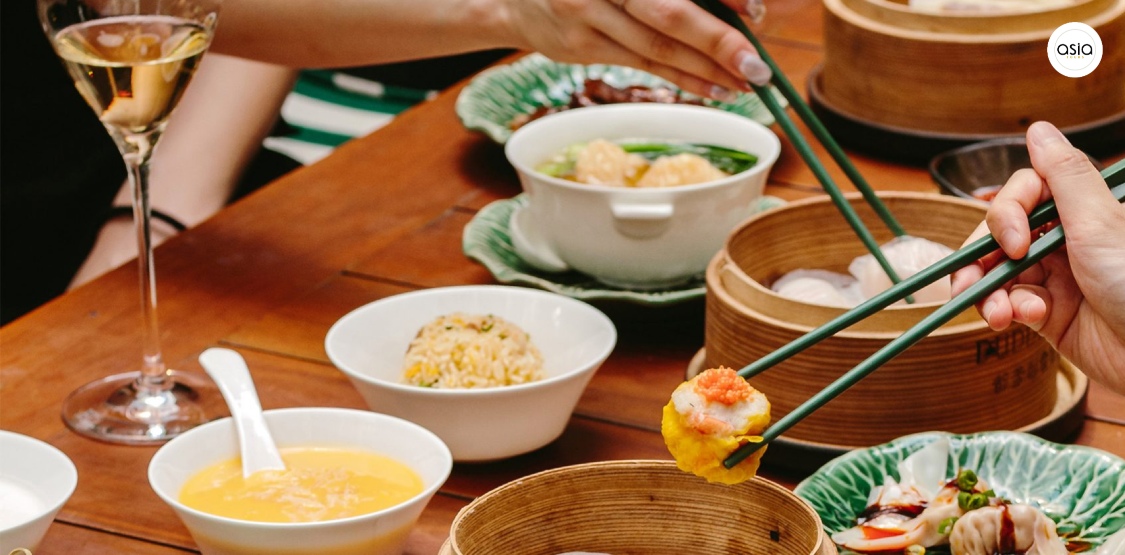
The Dim Sum Hierarchy The ritual of yum cha (drinking tea) is the cornerstone of Hong Kong social life.
- One Dim Sum (Tsim Sha Tsui): Still the gold standard for accessible excellence. Their har gow (shrimp dumplings) feature a translucent, pleated skin that is the hallmark of a master chef.
- LockCha Tea House: Located in the heart of Hong Kong Park, this spot specializes in vegetarian dim sum paired with an extensive menu of premium loose-leaf teas. It is an exercise in elegance and restraint.
Modern Legends: Bar Leone After being crowned the "World’s Best" in 2025, Bar Leone in Central remains the neighborhood’s MVP. Its success lies in its rejection of pretension; it serves classic, impeccably made Italian cocktails alongside legendary "mortadella sandwiches" in a space that feels like a nostalgic Roman trattoria.
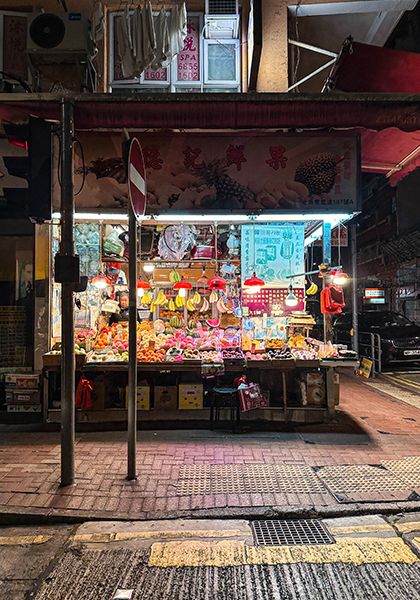
Dai Pai Dongs For an unfiltered experience, head to Sham Shui Po. The open-air food stalls, or dai pai dongs, are a vanishing breed. Sitting on a plastic stool, eating "wok hei" infused stir-fry while the humidity clings to your skin, is as authentic as Hong Kong gets.
Section 4: Into the Wild: Pink Dolphins and Dragon Ridges
It is a common misconception that Hong Kong is all concrete and neon. In reality, roughly 40% of the territory is protected country park land.
The Rare Pink Dolphins One of the city's most elusive treasures is the Indo-Pacific humpback dolphin, famously known as the Pink Dolphin. These intelligent creatures inhabit the waters around the Pearl River Delta.
- Where to see them: Take a half-day tour with Hong Kong DolphinWatch. They operate primarily on Sunday mornings and boast a 95% sighting rate on their scheduled excursions. It is a sobering reminder of the delicate balance between the city’s massive infrastructure projects and its indigenous wildlife.
The Dragon’s Back Hike For the best views of the South China Sea, the Dragon’s Back (Section 8 of the Hong Kong Trail) is the go-to hike. The undulating ridge provides a spectacular vantage point over Shek O and Big Wave Bay. The hike is moderate, taking about 2.5 hours, and ends conveniently near a beach where you can cool off.
Lamma Island A 20-30 minute ferry ride from Central takes you to a car-free paradise. Walk the Family Trail from Yung Shue Wan to Sok Kwu Wan, passing through small villages and pineapple stands, before ending with a seafood feast at Lamma Rainbow.
Section 5: The Arts Hub: West Kowloon Cultural District
Occupying 100 acres of reclaimed land along the Victoria Harbour waterfront, the West Kowloon Cultural District (WKCD) has finally matured into one of Asia’s largest and most significant arts hubs.
- M+ Museum: Asia’s first global museum of contemporary visual culture. Its architecture is as bold as its collection, housing everything from 20th-century design to moving image installations.
- Hong Kong Palace Museum: A stunning architectural feat that houses over 900 priceless treasures from the Forbidden City in Beijing. It offers a deep dive into five millennia of Chinese history.
- Xiqu Centre: Even if you don’t speak Cantonese, a visit to the Xiqu Centre for a "Tea House Theatre" performance is essential. It provides a curated introduction to the ornate costumes, unique vocal styles, and symbolism of Cantonese Opera.
Section 6: Street Life and Curio Markets
To find the soul of Kowloon, you must look to the markets.
- Shanghai Street: This is the utilitarian heart of Yau Ma Tei. Here, you can buy professional-grade bamboo steamers, heavy-duty cleavers, and traditional mooncake molds.
- Cat Street (Upper Lascar Row): The place for treasure hunters. Amidst the kitschy Mao posters and vintage birdcages, you can find genuine Qing Dynasty-era porcelain and mid-century curios.
- Temple Street Night Market: In 2026, Temple Street has been revitalized with new street food zones and neon installations. It remains the best place to have your palm read, listen to street-side opera singers, and haggle over electronics.

Section 7: 2026 Hong Kong Travel Essentials
Navigating Hong Kong is notoriously efficient, but a few "insider" logistics will make your 2026 journey seamless.
Entry & Connectivity
- Visa-Free Entry: Hong Kong remains remarkably open, with visa-free entry for citizens of over 170 countries (UK/Macau up to 180 days; US/Canada/Australia up to 90 days).
- The Octopus Card: This is your lifeblood. Use it for all transport, convenience stores, and even some upscale restaurants. In 2026, most travelers use the digital version on their Apple Watch or phone, though physical cards are still available at every MTR station.
The "Three Taxis" System Hong Kong's taxis are color-coded by the region they serve. While most now accept digital payments (Octopus/Credit Cards), carrying some cash is still recommended for older drivers.
| Color | Region Served | Best For |
|---|---|---|
| Red | Urban (HK Island & Kowloon) | All city destinations, including Lantau & NT. |
| Green | New Territories (NT) | Exploring the northern wetlands and hiking trails. |
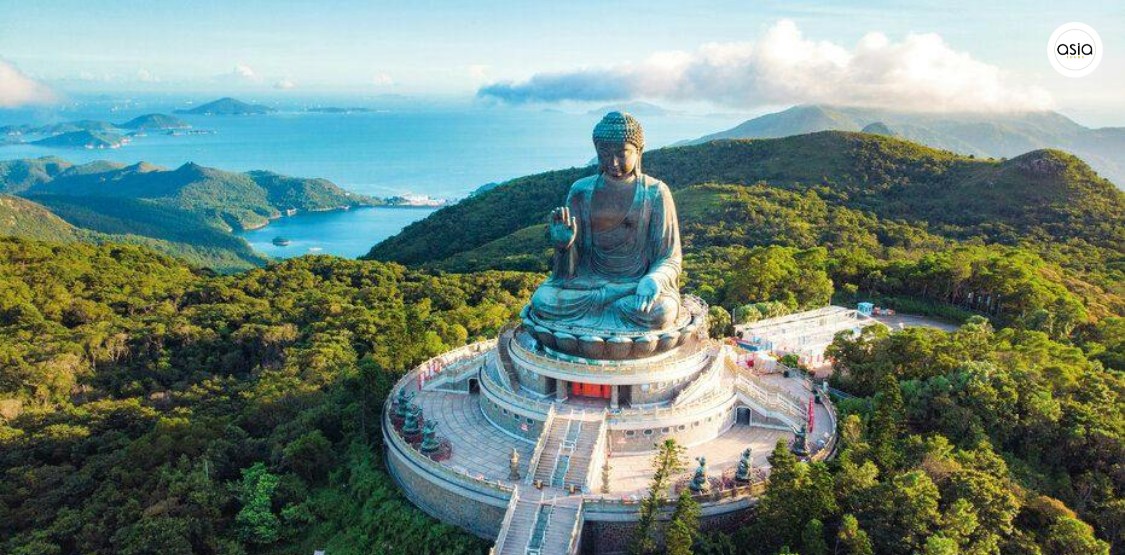
| Blue | Lantau Island | Trips to the Big Buddha or Tai O fishing village. |
Best Time to Visit The sweet spot is October to December. The humidity breaks, the skies turn a crisp blue, and the temperature hovers around a comfortable 20-24°C (68-75°F).
FAQ
Is Hong Kong safe for solo travelers in 2026? Hong Kong remains one of the safest urban centers in the world. Violent crime is extremely rare. Standard precautions against pickpockets in crowded markets like Mong Kok are all that is required.
How can I see the city on a budget? Utilize the world-class public transport. A ride on the Star Ferry or the "Ding Ding" tram costs less than a cup of coffee and offers the best sightseeing in the city. For food, look for "Rice Plate" shops (gaai laan faan) where you can get a hearty meal for under $60 HKD.
What is the "must-see" event in 2026? The opening season of the Kai Tak Sports Park is set to host major international rugby and music events, making the Kowloon Bay area a new focal point for the city’s energy.
Ready to explore the Pearl of the Orient? Discover our curated selection of luxury stays and guided heritage walks.