There is a specific kind of magic that only happens on a long-distance train. It’s that moment when the Wi-Fi signal drops, your phone becomes a paperweight, and you’re forced to stare out of a massive picture window as the misty Louisiana bayous transform into the jagged, snow-dusted Montana cliffs. In a world of budget airlines that treat you like cattle and 12-hour drives that leave you caffeinated and cranky, the Amtrak USA Rail Pass is the ultimate "cheat code" for slow travel.
But let’s be real: I’m a budget traveler. I don’t do things just for the "vibes." I do them because the math makes sense.
For a fixed price of $499, the Amtrak USA Rail Pass gives you 10 segments of travel over a 30-day period. It covers a massive 21,400-mile rail network spanning 46 states and over 500 destinations. If you play your cards right—and I’m going to show you exactly how to do that—you can bring your average cost per trip down to under $50. In many cases, that’s a 60% savings compared to buying point-to-point tickets.
Maximizing the Value: How the USA Rail Pass Works
Before we hit the tracks, we need to talk strategy. The "10-segment" rule is the most important thing to understand. A segment is counted every time you board and exit a train. If you take the California Zephyr from Chicago to Denver, that’s one segment. If you then hop on a different train from Denver to Salt Lake City, that’s your second segment.
The secret to winning at the Rail Pass game is to prioritize long-haul, high-value routes. Why waste a segment on a $25 regional hop from New York to Philadelphia when you can use it on a 52-hour cross-country epic that would normally cost $200 or more?
Daniel’s Pro Tip: Think of each segment as a "token." You want to spend your tokens on the most expensive, most scenic, and longest routes possible. Use your 30-day window to treat the train as both your transport and your (moving) hostel.
| Route Name | Duration (Full Length) | Key Scenic Landmark |
|---|---|---|
| California Zephyr | 51 Hours | Colorado Rockies & Sierra Nevadas |
| Coast Starlight | 35 Hours | 350 Miles of Pacific Coastline |
| Empire Builder | 46 Hours | Glacier National Park |
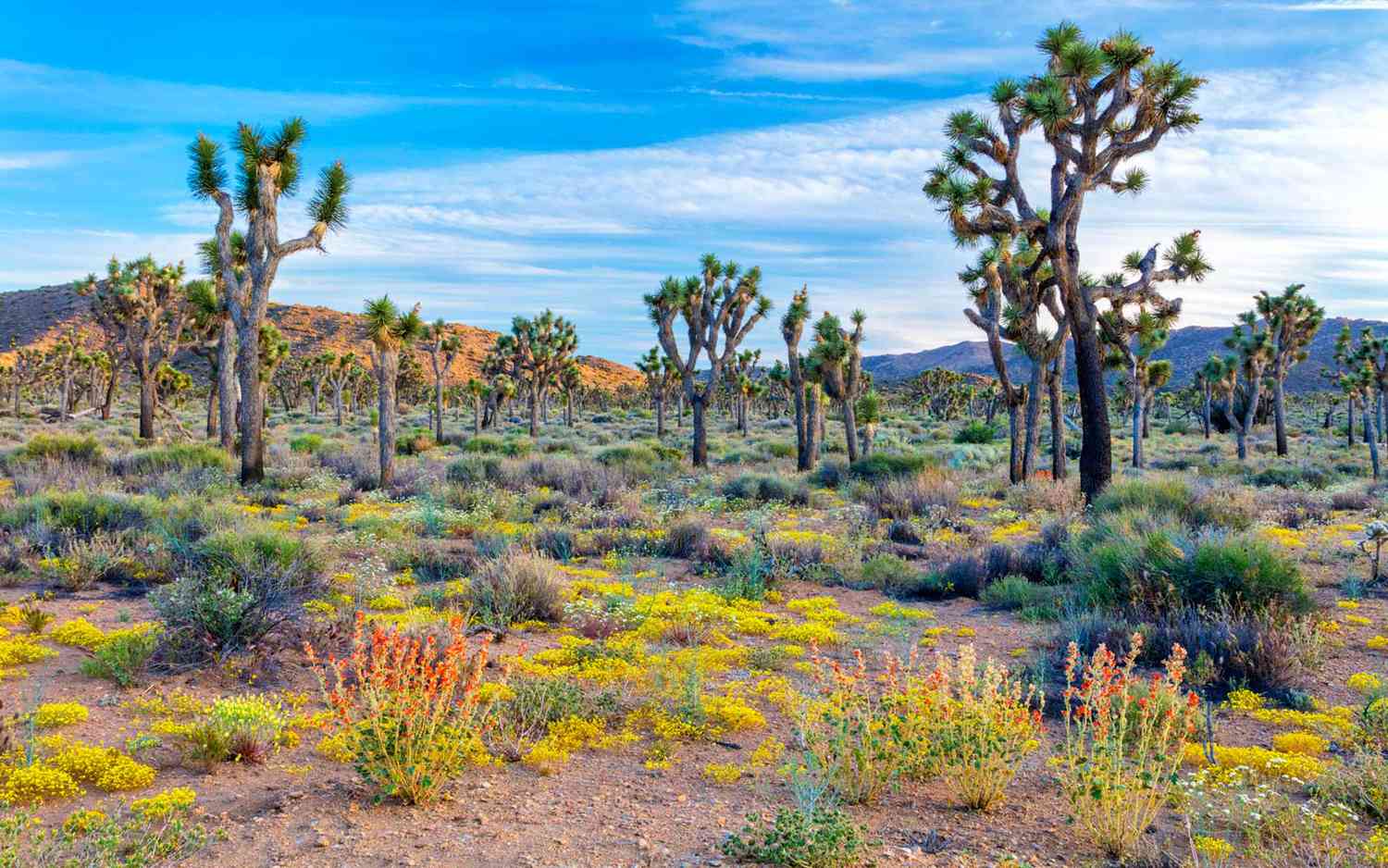
| Sunset Limited | 48 Hours | Texas Borderlands & Sonoran Desert |
1. The California Zephyr: The Crown Jewel of the Rockies
If you only use your pass for one long-haul trip, make it this one. The California Zephyr is widely considered the most beautiful train ride in North America, and for good reason. Running from Chicago to Emeryville (San Francisco), it cuts through the heart of the American West in a way that no interstate ever could.
Once you leave the flat cornfields of Nebraska and Iowa, the world changes. As you climb out of Denver, the train snakes through the Moffat Tunnel and emerges into the spectacular canyons of the Colorado River. This isn't just "pretty" scenery; it's the kind of "lose-your-breath" landscape that makes you forget about the 4-hour delay you hit in Omaha.
The Segment Strategy: Don't just ride it end-to-end. Use your segments to explore the high-altitude stops.
- Glenwood Springs, CO: Perfect for a 48-hour layover. You can walk from the station to the world’s largest mineral hot springs pool.
- Salt Lake City, UT: A great jumping-off point for those looking to head south toward the Mighty 5 National Parks.
The best views are found between Denver and Glenwood Springs. Make sure you secure a seat in the Sightseer Lounge early—this is where the floor-to-ceiling windows live.
2. The Coast Starlight: The Pacific Edge
The Coast Starlight links the greatest cities of the West Coast: Seattle, Portland, and Los Angeles. While the northern half offers stunning views of the Cascade Range and Mount Rainier, the real "money shot" happens in Southern California.
North of Santa Barbara, the tracks diverge from Highway 101 and hug the coastline so closely that you’ll feel like the train is floating on the water. This is land that is largely inaccessible by car, offering views of hidden beaches and rugged cliffs that most California tourists never see.
Daniel’s Insider Hack: If you’re traveling southbound, sit on the right side of the train for the best ocean views. If you’re heading northbound, sit on the left. The Sightseer Lounge is great, but having that view from your own seat for 350 miles of coastline is the ultimate luxury on a budget.
3. The Empire Builder: The Great Northern Adventure
The Empire Builder follows the path of early pioneers, running from Chicago to either Seattle or Portland. This route is a masterclass in American geography. You’ll cross the Mississippi River, traverse the sprawling "Big Sky" country of Montana, and eventually pierce the heart of the Pacific Northwest.
The undisputed highlight of this trip is Glacier National Park. The train stops at the very edge of the park (East Glacier and West Glacier), and during the summer months, you might even find "Trails & Rails" volunteers from the National Park Service on board. They provide live commentary about the history and geology of the land you're passing through.
The Budget Strategy: This is one of the longest routes on the network. Using one segment for a 46-hour journey is the peak of Rail Pass value. I recommend getting off at Whitefish, Montana. It’s a legendary mountain town with affordable hostels and easy access to the park’s hiking trails.
4. The Sunset Limited: The Southern Cross-Country
The Sunset Limited is the oldest named train in the United States, and it feels like it. Traveling from the jazz-soaked streets of New Orleans to the palm trees of Los Angeles, this route offers a stark, haunting beauty.
You’ll start by gliding through the eerie, Spanish-moss-draped bayous of Louisiana before entering the vast, open expanses of the Texas borderlands. The transition from the humid South to the arid Sonoran Desert is one of the most dramatic environmental shifts you can experience without a passport.
Cultural Stops: Use a segment for a multi-day layover in San Antonio. The station is a short walk from the historic Alamo and the Riverwalk. It’s the perfect place to refuel on real Tex-Mex before the long haul across the desert toward Arizona.
Coach Survival Guide: Pro Tips for Pass Holders
Here is the "honest" part of the guide: The USA Rail Pass is restricted to Coach Class only. You cannot upgrade to a sleeper car (roomette or bedroom) using the pass. If you want a bed, you have to buy a regular ticket at full price.
But don't panic. Amtrak Coach is not like airline "Economy." We’re talking about massive reclining seats with more legroom than a first-class domestic flight, plus fold-out leg rests.
The Backpacking Editor’s Packing List:
- Inflatable Neck Pillow & Blanket: Amtrak keeps their trains notoriously cold (The "Arctic Express" effect). Bring a lightweight camping blanket.
- Noise-Canceling Headphones: Essential for blocking out the "train life" sounds—babies, snoring neighbors, and the constant clack-clack of the rails.
- The "Station-Stop" Grocery Haul: The Café Car is expensive and the food is... let’s call it "utilitarian." Use longer station stops (20-30 minutes) to run to a nearby convenience store, or pack a dedicated dry-food bag with tuna packets, nuts, and fruit.
- Power Strip: Most seats have one outlet. If you’re traveling with a laptop and a phone, a small multi-plug adapter will make you the most popular person in your car.
Managing "Amtrak Time"
"Amtrak time" is a suggestion, not a promise. Because freight trains often have priority over passenger trains, delays of 2-3 hours are common, and 8-hour delays aren't unheard of.
Daniel’s Reality Check: Don't book a tight connection or a non-refundable hotel for the night you arrive. Use the Amtrak app to track your train in real-time, but more importantly, embrace the delay. That extra hour in the lounge car is just another hour of world-class scenery you’ve already paid for.
FAQ
Can I upgrade my Rail Pass segments to a sleeper car? No. The USA Rail Pass is strictly for Coach seating. If you decide you absolutely need a bed for a night, you would have to purchase a separate ticket for that leg of the journey at the prevailing market rate, which usually defeats the purpose of the budget pass.
Do segments expire? You have 120 days from the date of purchase to "activate" the pass by taking your first trip. Once you board your first train, you have exactly 30 days to use your remaining segments.
Is there Wi-Fi on all routes? While many short-haul routes have Wi-Fi, most long-distance trains (like the California Zephyr or Empire Builder) do not have reliable on-board Wi-Fi. Even where it is "available," it relies on cellular towers. Expect long stretches of "No Service"—it's the perfect time to read that book you’ve been ignoring.
The USA Rail Pass isn't about getting from Point A to Point B as fast as possible. It’s about the 21,000 miles of "In-Between." It’s about the people you meet in the lounge car and the way the light hits the desert at 6:00 AM. For $499, it is quite literally the best travel deal in America.
Ready to start your journey? Grab your pass and start mapping out your segments.