I’ve stood on the edge of the Victoria Glacier in Banff more times than I can count, and while the turquoise glow of Lake Louise never truly loses its magic, the secret is out. In 2024 alone, Banff saw over 4 million visitors—that’s a lot of elbows to dodge for a "wilderness" experience. As we look toward 2026, the travel landscape in Canada is shifting from the iconic to the intimate. With the FIFA World Cup bringing millions to the major hubs, the real move for outdoor enthusiasts is to push further into the wild. Whether it’s catching the final, brilliant flares of the 11-year Solar Maximum in the Yukon or walking on the Earth’s exposed mantle in Newfoundland, the "Beyond Banff" movement is about reclaiming your connection to nature.
1. Kootenay National Park: The Quiet Side of the Rockies
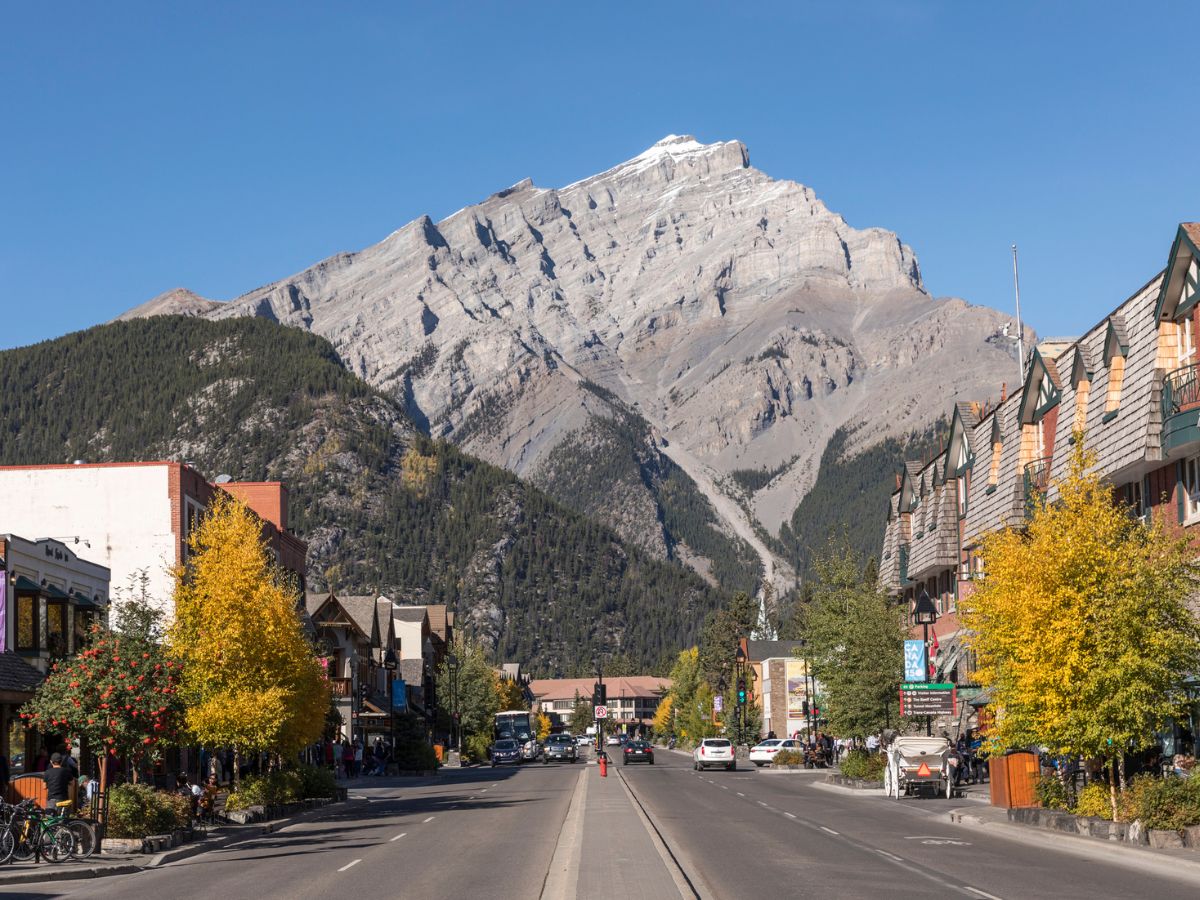
If you’re craving that high-alpine Canadian Rockies road trip but want to skip the bumper-to-bumper traffic of the Icefields Parkway, Kootenay is your sanctuary. Located just over the Continental Divide from Banff, Kootenay offers the same soaring limestone peaks and hanging glaciers but with a fraction of the footprint. While Banff attracts 4 million annual visitors, Kootenay sees only about 500,000. It is, without question, the best alternative for anyone seeking the "Big Mountain" aesthetic without the big crowds.
I recently tackled the Rockwall Trail, a 55-kilometer backcountry epic that hugs a massive limestone escarpment. Waking up at Floe Lake as the first light hits the 1,000-meter cliffs is an experience you simply can't find in a more commercialized park. If you aren't up for a multi-day trek, head to the southern end of the park for a soak in Radium Hot Springs. The transition from the icy glacial runoff of the Kootenay River to the mineral-rich warmth of the springs is the ultimate way to wrap up a day of exploring.
Pro Tip: Keep your eyes peeled for the "Paint Pots." These vibrant orange mineral springs were historically used by the Ktunaxa and Blackfoot people for ochre pigments. It’s a short, accessible hike that packs a massive punch of color and history.
| Park Feature | Banff National Park | Kootenay National Park | Pukaskwa National Park |
|---|---|---|---|
| Annual Visitors | ~4,000,000 | ~500,000 | ~18,000 |
| Primary Attraction | Lake Louise / Moraine Lake | The Rockwall / Radium Hot Springs | Coastal Hiking Trail / Lake Superior |
| Peak Season | July - August (Very Crowded) | July - September (Moderate) | August (Quiet) |
| Vibe | High-end Resort / Busy | Rugged / Authentic | Remote / Untamed Wilderness |
2. Kluane National Park & Reserve: The Peak of the Solar Maximum
Kluane is a land of superlatives. It’s home to Mount Logan (19,551 ft), Canada’s highest peak, and the world’s largest non-polar ice field. When you stand on the shores of Kathleen Lake, you feel the weight of the landscape; it’s vast, silent, and incredibly humbling.
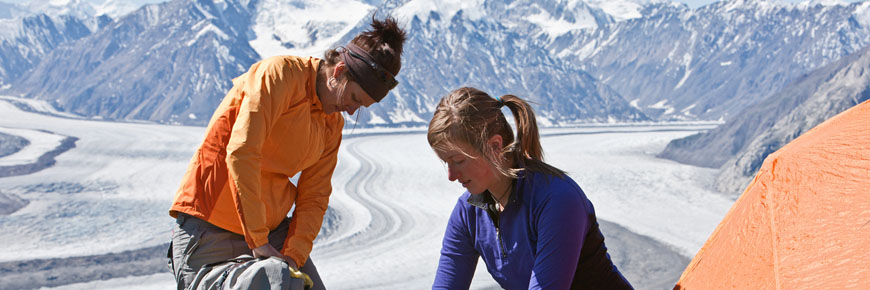
The 2026 Advantage The 2026 travel season represents the conclusion of the solar maximum, the 11-year peak of solar activity. For travelers, this means the Northern Lights will be at their most vivid and frequent. Kluane’s northern latitude and lack of light pollution make it one of the premier spots on the planet to witness the aurora borealis dancing over snow-capped peaks.
For a true perspective on the scale here, you have to take a flightseeing tour from Haines Junction. Seeing the massive glaciers sprawl toward the horizon like frozen oceans is a core memory in the making. If you prefer to keep your boots on the ground, the Cottonwood Trail offers a 76-kilometer loop through alpine meadows where grizzly sightings are far more common than human ones.
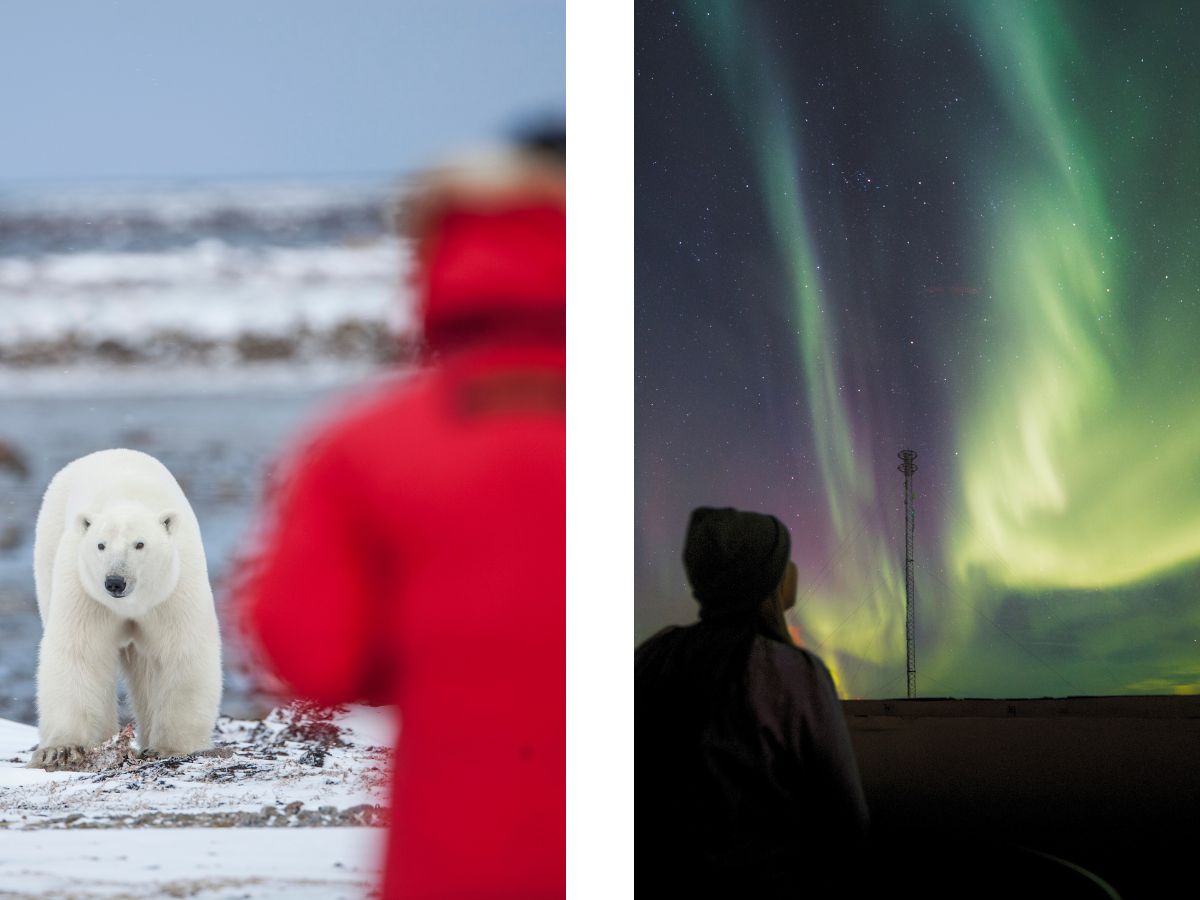
Quick Look: Kluane National Park
- Province: Yukon
- Best For: Solitude, Mountaineering, Northern Lights
- Crowd Level: 1/5
3. Wapusk National Park: Polar Bears and Subarctic Tundra
Wapusk is not your typical "drive-in" park. Located in the remote northeast corner of Manitoba, it protects one of the largest polar bear maternity denning areas in the world. Accessible only via specialized guided tours from the town of Churchill, it is a destination for the dedicated wildlife enthusiast.
Wapusk is the world's leading destination for viewing polar bear maternity dens. In late winter, you can witness mothers and cubs emerging from their dens—a sight so rare and intimate it feels like you've stepped into a BBC Nature documentary. In 2026, the Tundra Buggy experiences remain the gold standard for safety and viewing. You’ll roll across the frozen landscape, spotting Arctic foxes, caribou, and the "Lords of the Arctic" themselves. It’s expensive, it’s logistical, and it is absolutely worth every penny.
4. Gros Morne National Park: Walking on the Earth’s Mantle
Newfoundland’s Gros Morne is a UNESCO World Heritage site that looks like a hybrid of the Norwegian fjords and a Martian landscape. The park’s crown jewel is the Tablelands. Due to a massive tectonic collision millions of years ago, the Earth's mantle was pushed to the surface. It’s one of the few places on the planet where you can walk directly on the exposed mantle—a barren, orange landscape that supports almost no plant life because of its toxic mineral content.
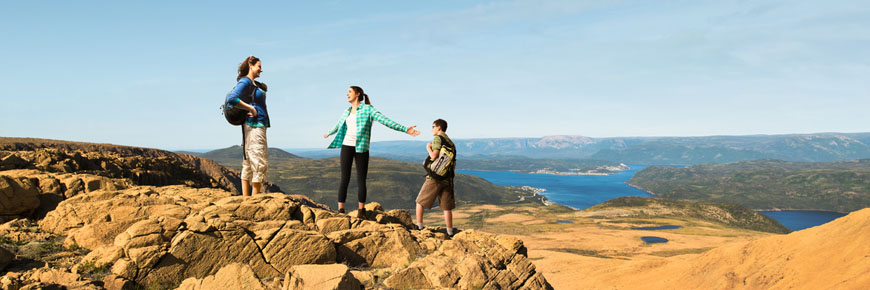
Quick Look: Gros Morne National Park
- Province: Newfoundland and Labrador
- Best For: Unique Geology, Fjord Boat Tours, Photography
- Crowd Level: 2/5
After exploring the orange rock of the Tablelands, take a boat tour of Western Brook Pond. This is a freshwater fjord carved by glaciers, surrounded by 2,000-foot cliffs. It’s a photographer's dream, especially when the mist hangs low over the water.
5. Pacific Rim National Park Reserve: Rainforests and Rugged Surf
On the wild west coast of Vancouver Island, Pacific Rim is where the ancient rainforest meets the violent Pacific Ocean. In 2026, the towns of Tofino and Ucluelet are expected to be "Destinations of the Year" for those seeking a mix of luxury eco-lodges and raw nature.
Most people come for the Long Beach surfing, but I suggest heading to the West Coast Trail for the ultimate challenge. If you can’t snag a permit for that 75-kilometer grind, the Coastal Hiking Trail in Pukaskwa (which we’ll get to next) is a fantastic, less-crowded alternative. In Pacific Rim, focus on the Nu-chah-nulth Trail to learn about the Indigenous heritage of the land while walking beneath giant cedars that have stood for nearly a thousand years.
6. Pukaskwa National Park: Ontario’s Untamed Wilderness
If you want to disappear, go to Pukaskwa. This is Ontario’s only wilderness national park, located on the rugged north shore of Lake Superior. With fewer than 18,000 visitors a year, you are more likely to see a moose than another hiker.
The 37-mile Coastal Hiking Trail is a brutal, beautiful trek over ancient granite shorelines and through dense boreal forest. The highlight is the White River Suspension Bridge, which hangs 75 feet above the Chigamiwinigum Falls. It’s remote, it’s wild, and it represents the true spirit of the Great Lakes.
7. Grasslands National Park: The Darkest Dark Sky Preserve
Saskatchewan is often overlooked by travelers rushing to the Rockies, and that is a massive mistake. Grasslands National Park protects one of the last remaining undisturbed dry-grass prairie landscapes in North America.
This is a land of deep history. You can find 10,000-year-old Indigenous tipi rings and vision quest sites hidden in the draws. It’s also a wildlife success story; you’ll see massive herds of Plains bison, colonies of black-tailed prairie dogs, and the elusive, endangered black-footed ferret. At night, the park transforms into the Darkest Dark Sky Preserve in Canada. The lack of atmospheric moisture and light pollution means you can see the Milky Way with such clarity it feels like you could reach out and touch it.
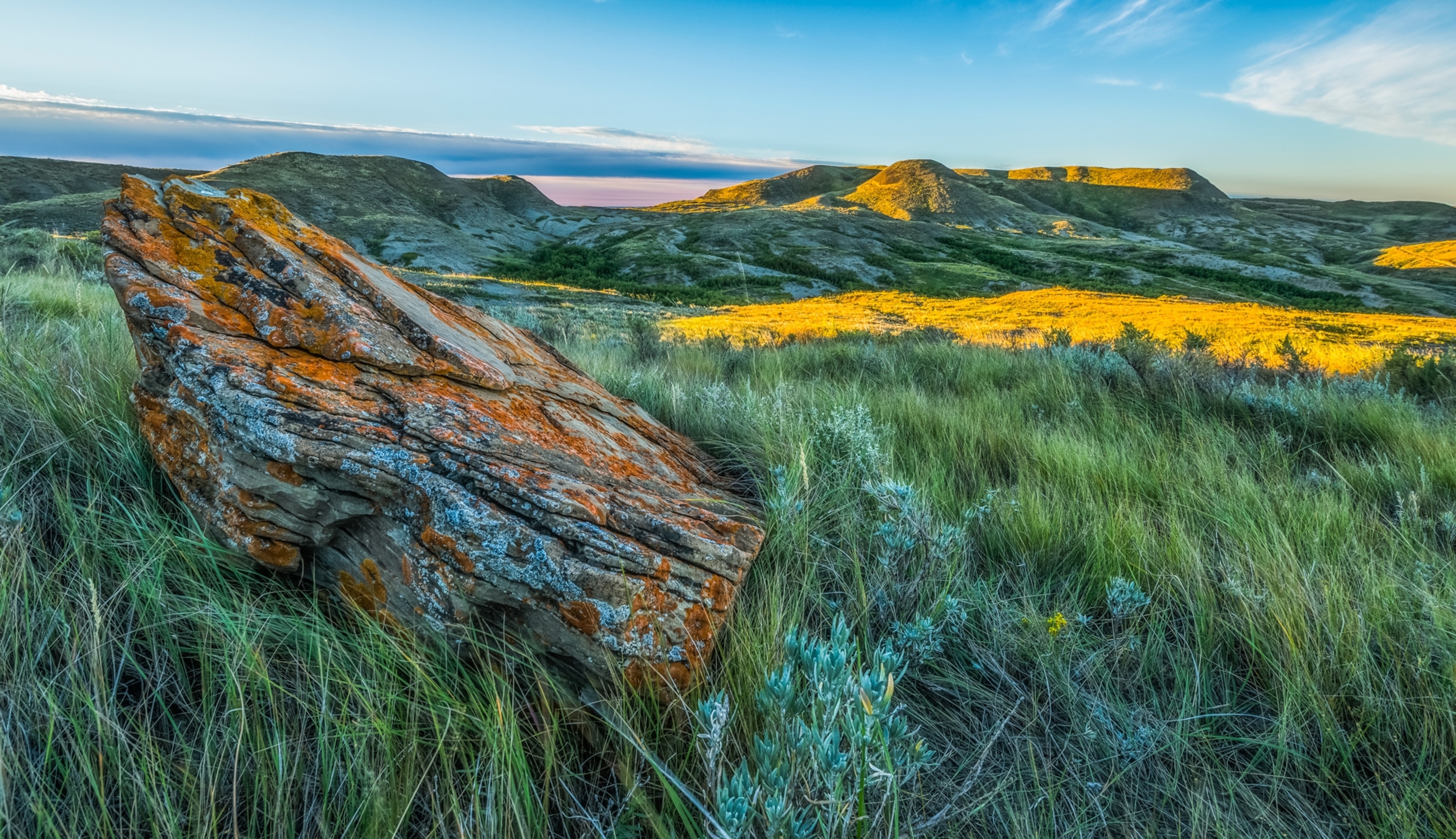
Quick Look: Grasslands National Park
- Province: Saskatchewan
- Best For: Wildlife, Stargazing, Indigenous History
- Crowd Level: 1/5
8. Nahanni National Park Reserve: The Cirque of the Unclimbables
Nahanni is the holy grail of Canadian adventure travel. Located in the Northwest Territories, it is accessible primarily by float plane. The park is managed in partnership with the Dehcho First Nations, and the cultural connection to the land is palpable.
The centerpiece is Virginia Falls, a cataract twice the height of Niagara Falls that thunders into the South Nahanni River. For the truly adventurous, the Cirque of the Unclimbables offers jagged granite spires that attract the world's best rock climbers. For the rest of us, a multi-day canoe trip down the river is the ultimate way to witness the sheer canyons and limestone caves that define this northern bastion.
9. Auyuittuq National Park: The Land That Never Melts
Located on Baffin Island in Nunavut, Auyuittuq (pronounced ow-you-ee-tuk) translates to "the land that never melts." This is Arctic trekking at its most extreme. The Akshayuk Pass is a 97-kilometer traditional Inuit travel corridor that takes you past some of the most dramatic mountain scenery on Earth.
You’ll find Mount Thor, which boasts the world's greatest vertical drop (4,101 ft), and the flat-topped Mount Asgard. This isn't a park for the casual stroller; it requires serious gear and Arctic experience. But for those who make the journey, the reward is a landscape that feels like another planet.
10. Mingan Archipelago National Park Reserve: The Limestone Monoliths
Off the coast of Quebec in the Gulf of St. Lawrence lies a chain of over a thousand islands and islets known as the Mingan Archipelago. This park is famous for its "sculptural limestone outcroppings"—massive monoliths carved by the relentless Atlantic tides into otherworldly shapes.
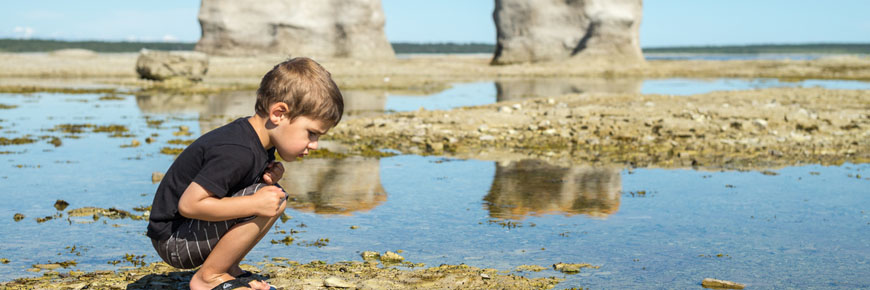
Quick Look: Mingan Archipelago
- Province: Quebec
- Best For: Birdwatching, Kayaking, Unique Accommodations
- Crowd Level: 2/5
For a truly unique stay in 2026, book one of the Ôasis pear-shaped tents or a night in a historic lighthouse. While you’re out on the water, keep your binoculars ready; this is a prime spot for Atlantic Puffins and migratory whales like the Minke and Humpback.
11. Cape Breton Highlands National Park: The Cabot Trail Masterpiece
The Cabot Trail is consistently ranked among the world's most beautiful road trips, and for good reason. The road clings to the cliffs of Cape Breton, offering sweeping views of the Gulf of St. Lawrence.
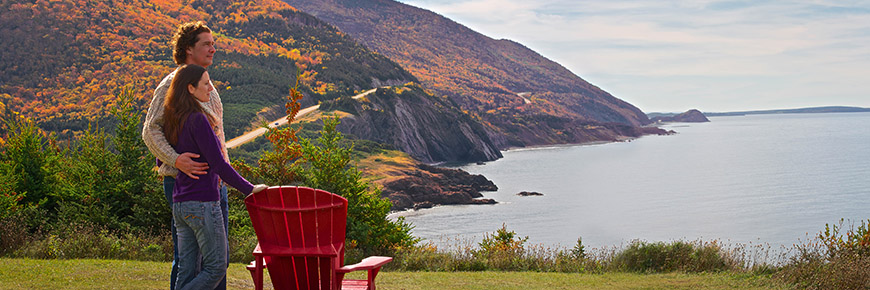
The Skyline Trail is the must-do hike here. It’s an easy loop that ends on a dramatic headland where the mountains meet the sea. If you visit in 2026, time your trip for early to mid-October. The autumn foliage transforms the highlands into a riot of crimson and gold, providing arguably the best photography opportunities in the country.
12. Gulf Islands National Park Reserve: The Mediterranean of the North
Tied for the #1 spot in recent 2026 travel rankings, the Gulf Islands are a cluster of emerald islands in the Salish Sea between Vancouver and Victoria. With a microclimate often described as "Mediterranean," these islands offer a gentler, more serene version of the Canadian wilderness.
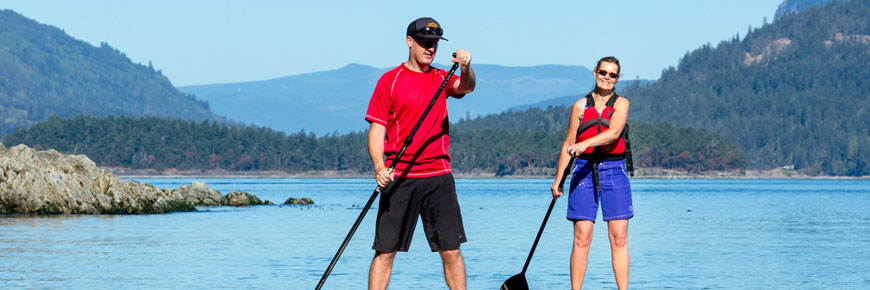
Quick Look: Gulf Islands National Park Reserve
- Province: British Columbia
- Best For: Kayaking, Whale Watching, Island Hopping
- Crowd Level: 2/5
Rent a kayak and navigate the narrow channels between islands, where you’re likely to spot harbor seals and river otters. This is also one of the best places for shore-based whale watching, as Orcas are frequent visitors to these nutrient-rich waters.
Planning Your 2026 Canadian Adventure
- Timing the Solar Maximum: To catch the best Northern Lights in parks like Kluane or Wapusk, plan your visit between late September and early April 2026.
- Get Your Pass: A Parks Canada Discovery Pass is your best friend. It covers admission to over 80 national parks and historic sites for a full year. It’s convenient and supports conservation efforts.
- Respect the Wild: Many of these "Beyond Banff" parks are in sensitive ecosystems. Always follow Leave No Trace principles. Pack out what you pack in, stay on designated trails, and keep a respectful distance from wildlife—especially bears and bison.
FAQ
What are the best alternatives to Banff National Park for fewer crowds? Kootenay National Park is the best alternative. It offers identical Rocky Mountain scenery with only 500,000 annual visitors compared to Banff's 4 million. Waterton Lakes National Park (on the US-Canada border) is another fantastic option for high-alpine peaks without the crowds.
Where is the best place to see polar bears in Canada's national parks? Wapusk National Park in Manitoba is the world's leading destination for viewing polar bear maternity dens. Access is through Churchill via guided tours on specialized Tundra Buggies.
Which Canadian national park has the most unique geology? Gros Morne National Park in Newfoundland features the Tablelands, one of the few places on Earth where you can walk directly on the planet's exposed mantle.
The wild is calling, but it’s calling from the places you haven’t heard of yet. 2026 is the year to step off the beaten path and discover the Canada that exists beyond the postcards. I’ll see you out there—likely on a trail where we’re the only ones for miles.