To many, the French coastline is synonymous with the sun-drenched, celebrity-laden pebbled shores of the Côte d’Azur. However, to truly understand the maritime soul of France, one must look beyond the glamorous confines of the Riviera. Stretching across approximately 3,400 miles of diverse geography—from the windswept English Channel to the rugged Atlantic and the crystalline turquoise of the Mediterranean—France offers a coastal tapestry that rivals any in the world.
Whether you are seeking the dramatic chalk cliffs of Étretat in Normandy, the world-class surfing breaks of Biarritz, or the tranquil, car-free sanctuary of the island of Porquerolles, the options outside the southeast are staggering. Remarkably, over 50% of these scenic coastal destinations, particularly those in Brittany and Normandy, are accessible from Paris via high-speed TGV in under four hours, making a "saltwater escape" an effortless extension of any Parisian itinerary.
Northern Dramatic Beauty: Normandy & The English Channel
The coastline of Normandy is a masterclass in atmospheric drama. This is not a place for high-rise resorts; it is a landscape of verticality and historical weight. The region’s identity is forged by the relentless rhythm of the English Channel, creating a shoreline that has inspired everyone from Impressionist masters to world-wide military strategists.
1. Étretat: The Artist's Muse The iconic chalk arches of Étretat are perhaps the most photographed coastal features in France. Standing atop the Aval and Amont cliffs, you can see exactly why Claude Monet returned here time and again to capture the shifting light on the white limestone. The beach itself is a crescent of smooth pebbles, framed by the "Needle," a 70-meter-high rock formation jutting out of the sea.
2. Deauville Beach: The 'Parisian Riviera' If you prefer your coastal excursions with a side of high fashion and polo matches, Deauville is your destination. Established in the 19th century, this resort town is famous for its wide sandy beach, Art Deco bathing huts, and the Les Planches—a 1920s wooden boardwalk. It was here that Coco Chanel opened her first boutique, forever linking the Norman coast with Parisian chic.
3. Bay of Mont Saint-Michel: The Tidal Wonder While primarily known for its Benedictine abbey, the bay surrounding Mont Saint-Michel offers a unique "beach" experience. This isn't a place for sunbathing, but for guided barefoot walks across the wet sands during low tide. The tides here are among the most dramatic in Europe, retreating for miles and returning with a speed famously described as a "galloping horse."
Ethan’s Tip: When visiting Normandy, look for historic châteaus converted into boutique hotels. They offer a sense of continuity with the landscape that a modern resort simply cannot replicate.
The Rugged Emerald Coast: Brittany
Brittany is France at its most elemental. The Côte d'Émeraude (Emerald Coast) and the Côte de Granit Rose (Pink Granite Coast) offer a rugged, wild aesthetic that feels worlds away from the manicured lawns of the south. This is the "Breton Riviera," where Celtic heritage meets a sea of startling clarity.
- 4. Côte de Granit Rose (Ploumanac'h): Located in northern Brittany, this stretch of coastline is famous for its rose-gold boulders, eroded into surreal shapes by wind and tide. The contrast between the pink rocks and the turquoise water is truly surreal.
- 5. Belle-Île-en-Mer: This "Beautiful Island" lives up to its name. Reachable by ferry from Quiberon, the island features the Plage Donnant, a beach known for its rugged cliffs and tidal pools that reflect the sky like mirrors.
- 6. Cap Coz: For those seeking a gentler side of Brittany, Cap Coz offers sheltered, sandy bays and pine-fringed paths. It is the quintessential family getaway, providing a microclimate that feels surprisingly Mediterranean.
The accessibility of this region has improved significantly; the high-speed TGV can now whisk you from Paris Montparnasse to Quimper or Rennes in roughly 3 to 4 hours, making Brittany a viable weekend escape.
Surf and Sun: The Wild Atlantic Coast
South of Brittany lies the Atlantic Coast, a region defined by endless horizons, towering sand dunes, and the finest surf breaks in Europe. This is where the landscape opens up, replacing rocky inlets with vast, golden plains of sand.
7. Biarritz (Plage de la Côte des Basques): The Birthplace of European Surf If you are wondering where the best place for surfing in France is, look no further than Biarritz. Specifically, the Plage de la Côte des Basques is the premier destination. In 1957, while filming The Sun Also Rises, screenwriter Peter Viertel introduced surfing to these shores. Today, the beach remains a surfer’s paradise, famous for its beginner-friendly longboard waves and its backdrop of the Spanish Basque mountains.
8. Île de Ré: The White Island Connected to La Rochelle by a bridge, Île de Ré is the epitome of understated luxury. There are no cars allowed in the ancient village centers; instead, visitors cycle between salt marshes and neutral-toned villas. The beaches here, like Plage de la Conche des Baleines, are wide, wild, and backed by pine forests. Keep an eye out for the WWII bunkers half-buried in the sand—a poignant reminder of the island’s strategic past.
9. Hossegor and the Bay of Biscay Further south, Hossegor is the "cool younger sibling" of Biarritz. It is a town where pine forests meet massive sand dunes. The waves here are world-class, often hosting international surfing competitions, while the lake provides a tranquil spot for paddleboarding and oyster tasting.
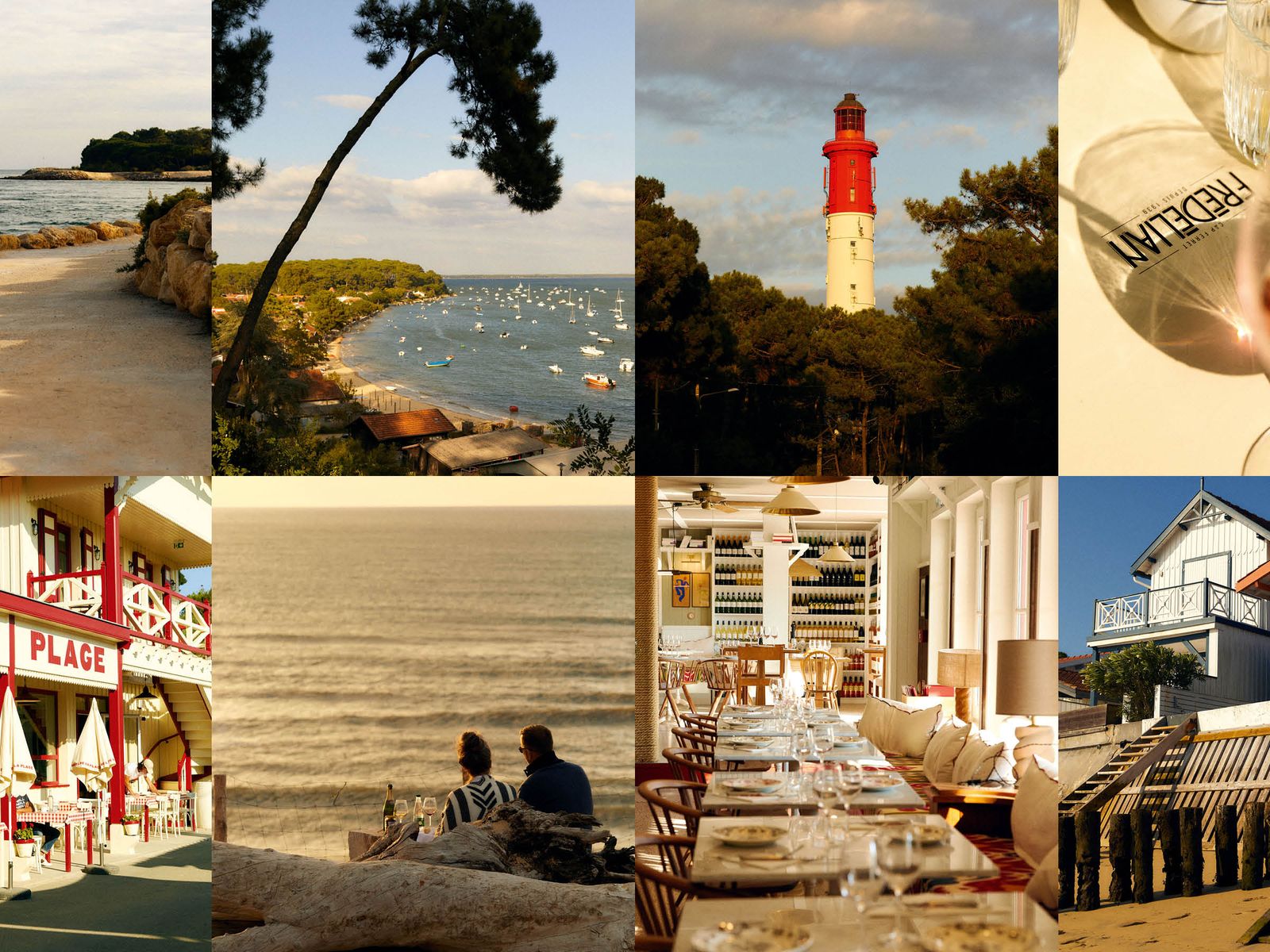
Exploring the Atlantic coast is as much about the lifestyle as it is the landscape. From wine tasting near Bordeaux to the adrenaline of the surf, the experiences are varied.
Island Paradises: Mediterranean Gems
While we are moving toward the Mediterranean, these islands offer an isolation and ecological purity that the mainland Côte d’Azur often lacks.
10. Palombaggia Beach, Corsica Often cited as one of the best beaches in Europe, Palombaggia features pink-tinted sand and water so clear it seems invisible. It feels more Caribbean than European. To reach Corsica’s best beaches, your best bet is to fly into Figari–Sud Corse Airport (under 2 hours from Paris) and rent a car. Alternatively, if you have time, take a 6-12 hour ferry from Marseille or Genoa to experience the dramatic approach by sea.
11. Porquerolles Island Just off the coast of Hyères, Porquerolles is a car-free sanctuary. The northern side of the island is home to Plage d’Argent, a white sand beach with shallow water. The best way to see the island is by renting a bicycle and packing a picnic of local rosé and goat cheese.
12. Port-Cros For the adventurous, Port-Cros is a maritime national park. It is smaller and wilder than Porquerolles, with no bicycles allowed. It is a sanctuary for divers and snorkelers, with underwater trails that showcase the vibrant Mediterranean ecosystem.
Hidden Mediterranean Inlets & The Languedoc
As we return to the mainland, we find the "other" Mediterranean—the rugged limestone inlets and the vast, sandy stretches of the Languedoc-Roussillon.
13. Les Calanques de Cassis The Calanques are France’s version of fjords—narrow, steep-walled inlets carved into limestone. The Calanque d'En-Vau is the most spectacular, with teal water flanked by towering white cliffs. Accessing these beaches usually requires a significant hike or a boat trip from Cassis, ensuring they remain pristine.
14. Palavas-les-Flots Located near Montpellier, this area is a hub for kitesurfing and kayak culture. It lacks the pretension of the Riviera, offering a more democratic, active beach experience.
15. Pampelonne Beach, Saint-Tropez Wait—Saint-Tropez? Yes, but Pampelonne is technically in Ramatuelle. It is the beach that launched Brigitte Bardot’s career in And God Created Woman. While it has its share of "tuxedo-level" glamour, the southern end remains surprisingly wild and accessible.
16. Prado Beaches, Marseille For a city break extension, the Prado beaches in Marseille are unbeatable. They are family-friendly, man-made, and offer a perfect place to watch the sunset over the Mediterranean after a day of exploring the MuCEM museum.
17. Paloma Beach, Saint-Jean-Cap-Ferrat Nestled on an exclusive peninsula, Paloma Beach is a rocky shore with deep historical roots. Named after Paloma Picasso, the artist's daughter, it remains a favorite for those seeking privacy and clear water.
Travel Logistics & Strategic Planning
Navigating France’s vast coastline is remarkably efficient thanks to the SNCF (National Railway) network. From Paris, the "hub and spoke" model allows you to reach almost any major coastal city in a single morning.
| Coastal Hub | TGV Travel Time from Paris | Region |
|---|---|---|
| Marseille | 3 hours 5 mins | Mediterranean / Calanques |
| Biarritz | 4 hours 10 mins | Atlantic / Basque Country |
| Quimper | 3 hours 45 mins | Brittany / Emerald Coast |
| Deauville | 2 hours 15 mins (Intercités) | Normandy |
Seasonal Timing
- May to June: Best for the North (Normandy/Brittany) to see wildflowers without the summer crowds.
- July to August: Ideal for the Atlantic surf, though beaches will be busy.
- September to October: The "Golden Hour" for the Mediterranean; the water is still warm, but the crowds have vanished.
If you plan on exploring multiple beaches in Brittany or the Atlantic coast, a car is essential. While the TGV gets you to the hub, the "hidden gems" often require a 20-minute drive through salt marshes or pine forests.
FAQ
Is it better to fly or take the train to the French coast? For Normandy, Brittany, and the Mediterranean mainland, the TGV is faster and more comfortable once you factor in airport security. For Corsica or the far reaches of the Basque country, a flight might save you a few hours, but you'll miss the scenic transition of the French countryside.
Are French beaches public or private? The majority of French coastline is public. Even in high-end areas like Saint-Tropez, there are always public access paths and sections of the beach where you can lay your towel for free. Private "beach clubs" (where you pay for a sunbed) are common but never exclusive to the entire shore.
What is the best beach for families? The beaches of the Languedoc (like Palavas-les-Flots) and the sheltered bays of southern Brittany (Cap Coz) are ideal for families due to their shallow waters and abundance of amenities.
Ready to find your own piece of the French shoreline? Whether you seek the artistic cliffs of the north or the surf of the west, France’s coast is waiting. Start planning your escape today and discover that there is so much more to the Hexagon than just the Riviera.