In Copenhagen, summer is not merely a season; it is a collective, golden-hued sigh of relief. As the northern sun lingers well past 10:00 PM, the city transforms into a sprawling, alfresco living room. To truly understand this city, one must shed the frantic pace of traditional sightseeing and adopt the local rhythm—a cadence dictated by the gentle hum of bicycle tires on cobblestones and the crystalline lure of the harbor.
To experience Copenhagen like a local, you must lean into the "slow travel" philosophy. Rent a bike—the city’s primary artery—and weave through the eclectic neighborhoods of Nørrebro and the industrial-chic landscape of Refshaleøen. The quintessential local weekend involves morning harbor dips at La Banchina, organic sourdough feasts at Lille, and hours spent lingering over indie magazines in the Meatpacking District. With over 382 kilometers of dedicated cycle tracks, it is no wonder that 62% of residents commute by bike, a statistic that underscores the city's commitment to a lifestyle that values the journey as much as the destination.
Weekend at a Glance: The Slow-Paced Itinerary
| Day | Focus | Highlight | Morning Ritual |
|---|---|---|---|
| Day 1 | Island Vibe & Water | Refshaleøen & Harbor Dips | Sourdough at Lille |
| Day 2 | Local Soul & Greenery | Nørrebro & Royal Gardens | Cardamom buns at Hart |
| Day 3 | Art, Forest & Vistas | Ordrupgaard & Hidden Views | Coffee at Prolog |
The Art of the Two-Wheeled Commute
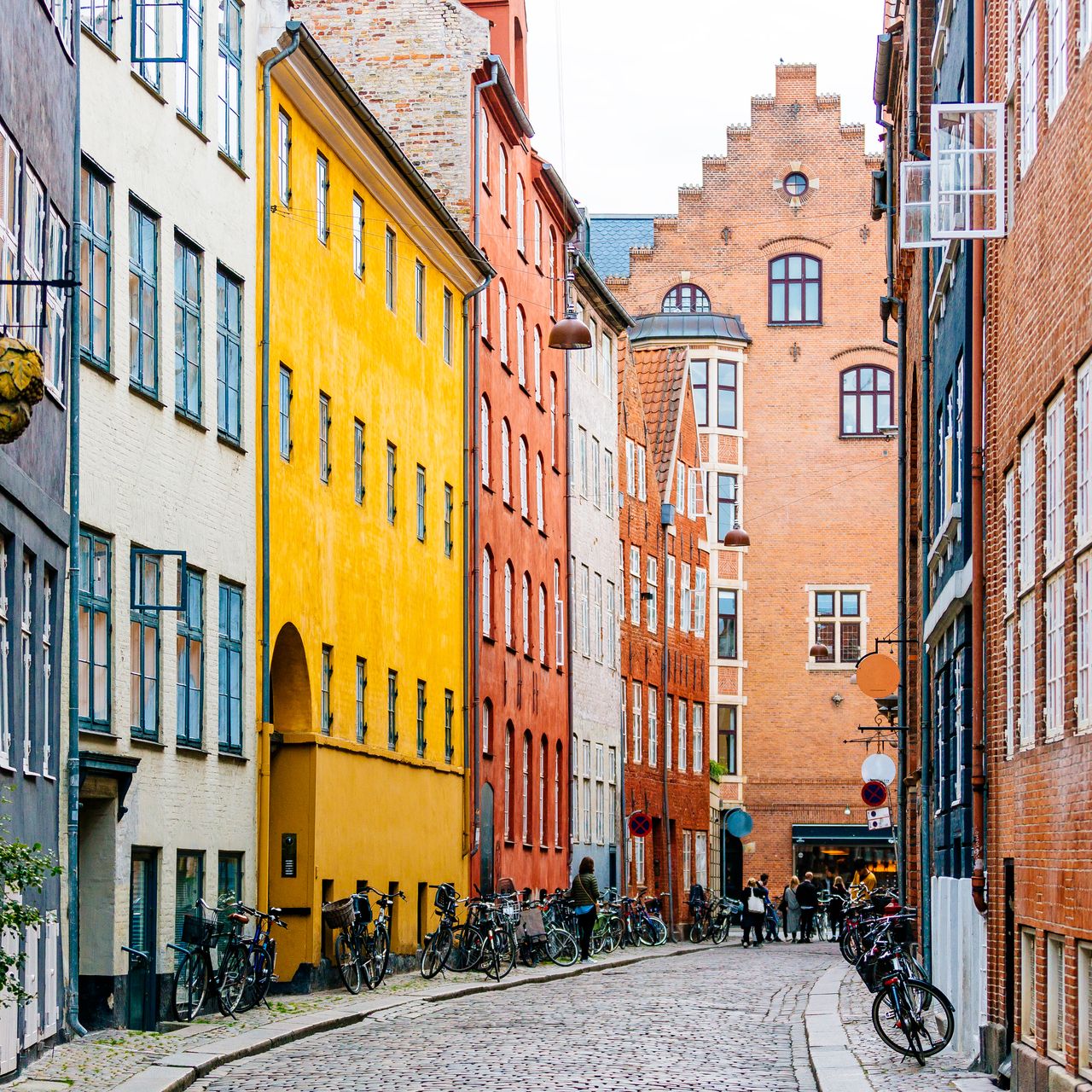
In Copenhagen, the bicycle is the great equalizer. It is the tool that allows the city to breathe. While the Metro is efficient, the true soul of the city is found on the cycle paths. For visitors, the choice typically falls between the ubiquitous orange Donkey Republic bikes (app-based and sturdy) or the electric Lime bikes for those who prefer a little boost against the harbor breeze.
Choosing biking over public transport isn't just a logistical decision; it’s a sensory one. It allows you to catch the scent of jasmine in the King’s Garden or the sound of a jazz quartet practicing behind a closed window in Christianshavn.
Day 1: Industrial Poetry and the Urban Dip
Start your Saturday by cycling toward Refshaleøen, a former shipyard turned creative enclave. The air here smells of salt and old iron, but the vibe is purely artisanal. Your first stop is Lille Bageri. This isn’t just a bakery; it’s a community hub. Order their organic sourdough or a seasonal plate of greens and eggs, and find a spot at the long communal tables.
After breakfast, follow the locals to La Banchina. This tiny walk-in cafe and wine bar offers a 14-seat sauna and a wooden pier that serves as the city’s most fashionable diving board. Copenhagen’s harbor features over 10 designated swimming zones where water quality is monitored daily. This "urban dip" culture is so deeply ingrained that summer weekends see a 40% increase in harbor swimming participation. Jumping into the cool, clean Baltic water is the ultimate Copenhagen baptism.
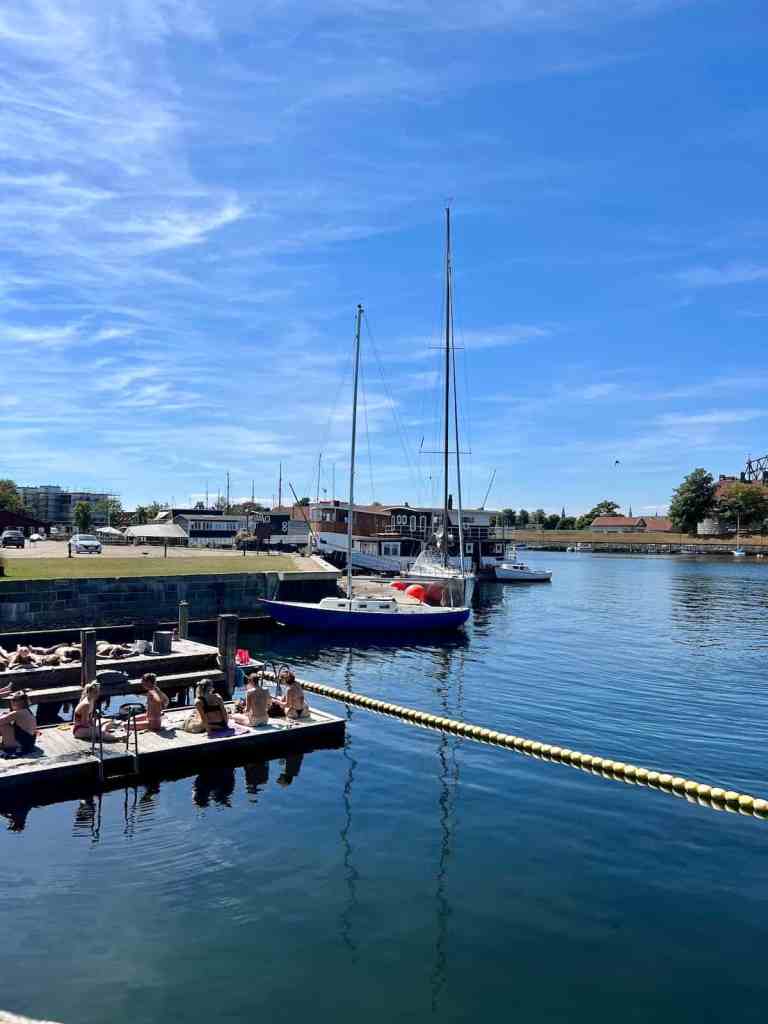
Spend your afternoon exploring Copenhagen Contemporary, an international art center housed in a magnificent industrial hall, or if you’re feeling adventurous, hike up the roof of CopenHill, an artificial ski slope atop a clean energy plant.
As the sun begins its slow descent, head back toward the canals. For a truly private experience, rent a GoBoat—a solar-powered mahogany boat that you captain yourself. Pack a bottle of natural wine and some Danish cheese, and navigate the quiet back-canals of Christianshavn as the city turns amber.
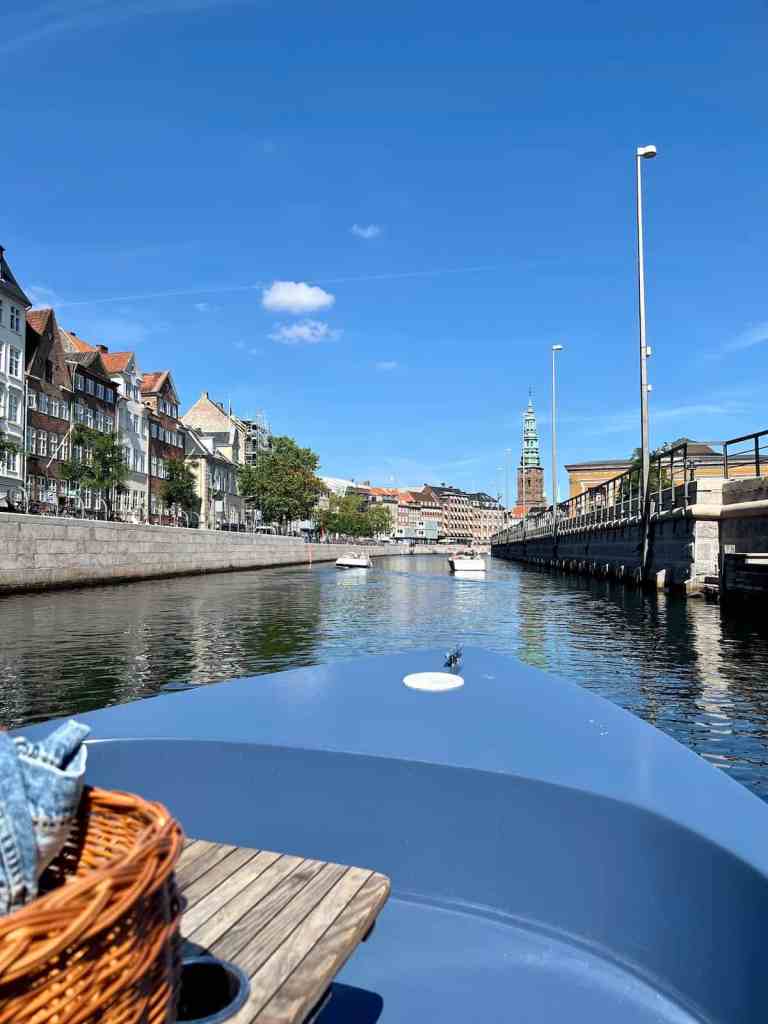
Day 2: Nørrebro Spirit and Royal Shadows
Sundays in Copenhagen are for neighborhood wandering. Cross the Queen Louise’s Bridge (Dronning Louises Bro) into Nørrebro, arguably the world’s coolest neighborhood. But before the exploration begins, there is the matter of the pastry.
The Danish bakery scene is currently in its golden age. Whether you choose the legendary cardamom buns at Hart Bageri (founded by former Tartine head baker Richard Hart) or the perfectly laminated creations at Juno the Bakery, the experience is a sensory delight. The cardamom bun, with its sticky, spicy sugar and moist, twisted dough, is a mandatory fuel stop.
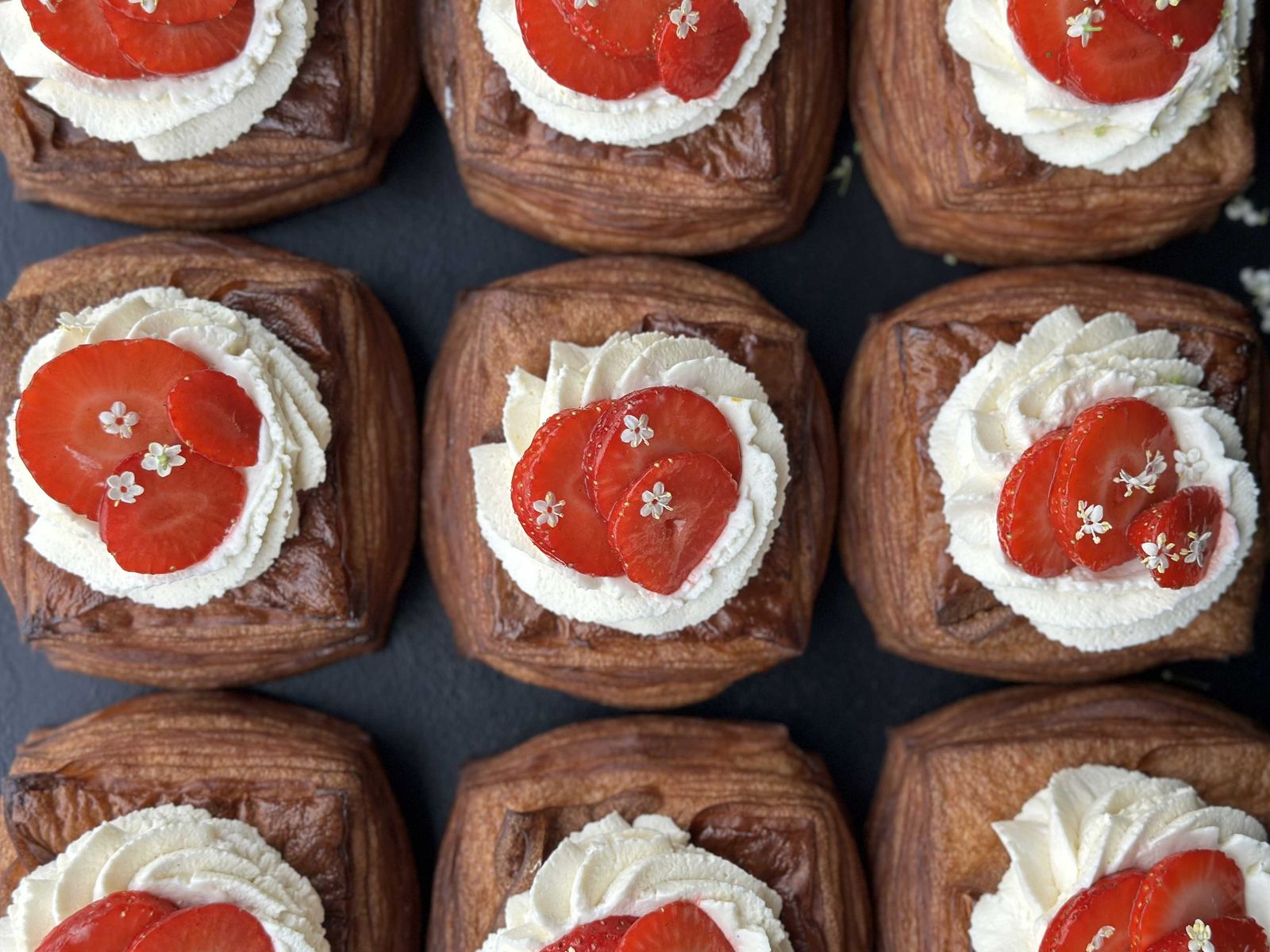
In the late morning, head to Det Grønne Loppemarked (The Green Flea Market) in Nørrebro. It is a treasure trove of vintage Danish design, indie ceramics, and pre-loved fashion. From there, take a detour through Freetown Christiania. While the main drag is famous, the "slow" way to see it is by wandering the lake-side paths where DIY "Hobbiton-like" houses sit tucked away in the greenery, showcasing a different, self-built side of Danish architectural history.
By mid-afternoon, find sanctuary in the King’s Garden (Kongens Have). Surrounding the 17th-century Rosenborg Castle, these are the oldest royal gardens in Denmark. Watch as locals picnic on the grass, playing "Kongespil" (a traditional Viking lawn game) under the shadows of ancient trees.
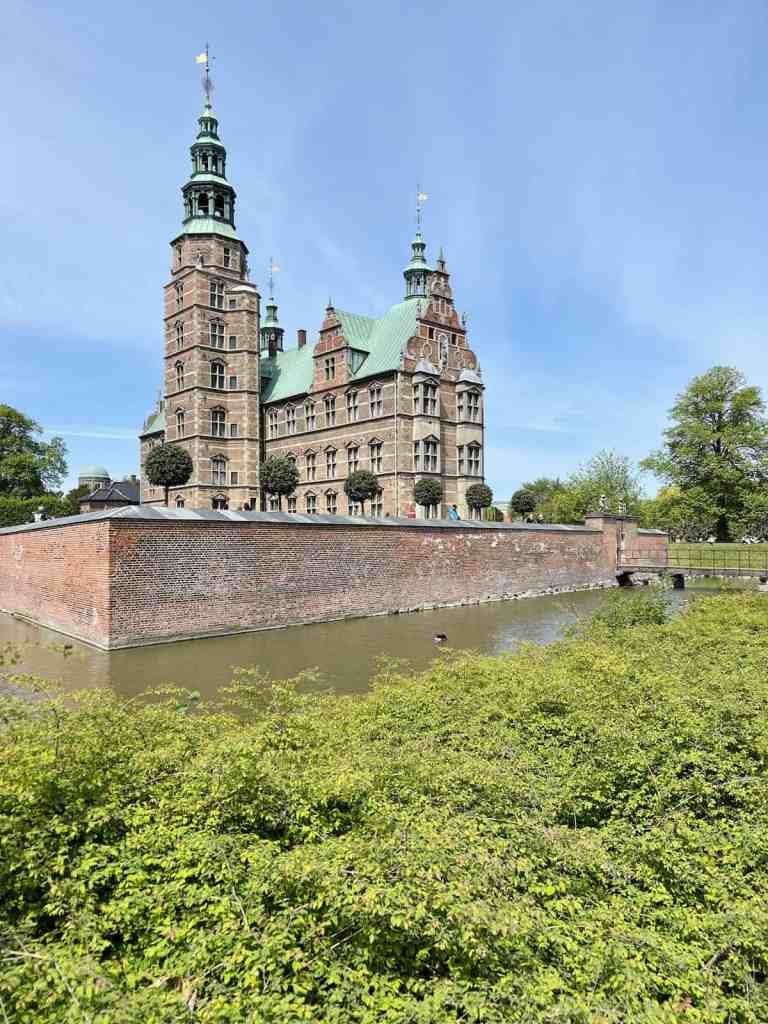
Local Pro-Tip: For dinner, avoid the tourist traps of Nyhavn. Instead, head to Sanchez in Vesterbro for world-class Mexican-Danish fusion or grab a glass of low-intervention wine at Andra.
Day 3: Forest Retreats and Panoramic Vistas
On your final day, venture slightly out of the city center to Jægersborg Dyrehave (The Deer Park). Within this lush forest lies Ordrupgaard, a museum that is a masterpiece of architecture. The Zaha Hadid-designed extension, with its fluid, lava-like concrete lines, houses an incredible collection of French Impressionist and Danish Golden Age art. It is the pinnacle of the "slow travel" experience—art, nature, and architecture in total harmony.
Returning to the city, make your way to the Meatpacking District (Kødbyen). Stop at Prolog Coffee, a temple for caffeine enthusiasts. Grab an oat milk latte and flick through their curated selection of indie magazines. The pace here is deliberate; nobody is in a rush to leave.
To conclude your weekend, you must see the city from above. You have two distinct choices for the best views of Copenhagen:
- The Round Tower (Rundetaarn): An easy, 209-meter spiral ramp walk that was originally designed for horses and carriages. It offers a gentle ascent and a beautiful view of the Latin Quarter.
- Church of Our Saviour (Vor Frelsers Kirke): For the more daring, the external winding staircase offers a more challenging climb. The reward is a 360-degree panoramic vista that stretches all the way to Sweden on a clear day.
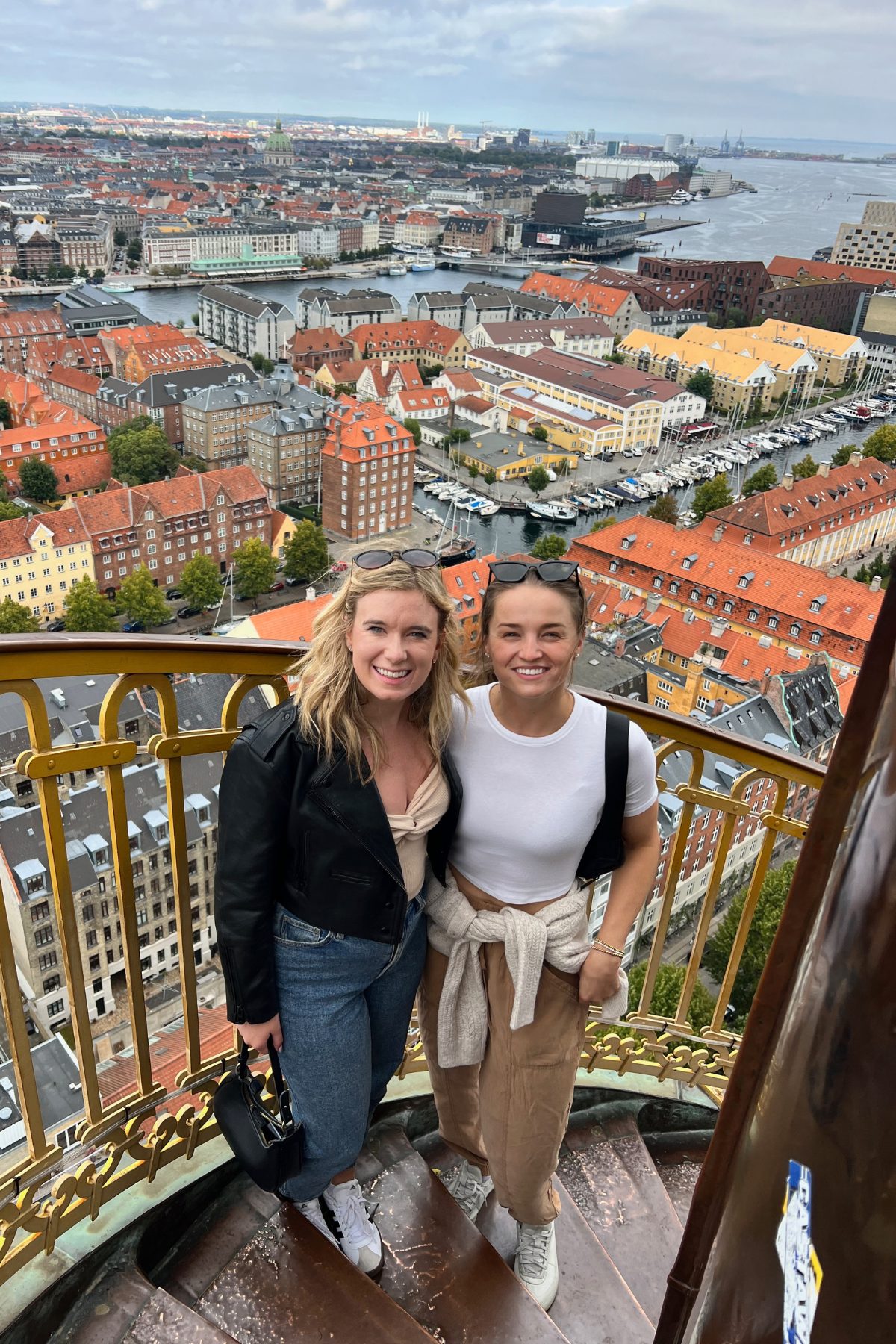
For your final dinner, book a table at Il Buco in Islands Brygge. This Italian-inflected eatery focuses on local, hyper-seasonal Danish ingredients. It is the perfect embodiment of the Copenhagen culinary philosophy: simple, honest, and exceptionally high quality.
Quick Stats Sidebar
- Cycling: 382km+ of dedicated lanes.
- Sustainability: 62% of residents bike to work/school.
- Water Quality: 10+ harbor baths with daily monitoring.
- Sunlight: Up to 17.5 hours of daylight in mid-June.
FAQ
What is the best way to get around Copenhagen for a weekend? Renting a bike is the most authentic and efficient way to see the city. Copenhagen is designed for cyclists, making it safer and faster than driving or using public transport for most inner-city trips.
Is the harbor water really clean enough to swim in? Yes! The Copenhagen harbor is remarkably clean. The city monitors water quality daily at over 10 designated swimming zones like Islands Brygge, Fisketorvet, and La Banchina. If the light is green, the water is perfect.
Do I need to book restaurants in advance? For popular spots like Sanchez, Il Buco, or Lille Bageri (for weekend brunch), booking is highly recommended. Copenhagen’s dining scene is small and very popular among locals.
Embrace the Slow Life
Copenhagen doesn't demand your attention with loud landmarks; it earns it through quiet moments—the taste of a perfectly fermented sourdough, the cold shock of harbor water, and the rhythmic clicking of a bicycle chain. This summer, don't just visit Copenhagen. Live it, one pedal stroke at a time.