To stand on the edge of a jagged sea cliff in Hawai‘i is to witness the Earth in its most primordial state. Here, the geography is not static; it is a living, breathing entity, forged in fire and sculpted by the relentless Pacific. For the modern traveler, navigating this archipelago’s natural wonders has changed significantly in recent years. We have entered the "Reservation Era," a necessary shift toward Mālama Hawai‘i—a collective responsibility to care for the land. While the days of spontaneous arrivals at the most iconic trailheads are largely behind us, the reward for a little forward planning is an experience that feels more intimate, respectful, and profoundly beautiful.
Hawai‘i is home to two crown jewels of the federal system: Hawai‘i Volcanoes National Park on the Big Island and Haleakalā National Park on Maui. Beyond these, a network of state parks offers everything from the "Grand Canyon of the Pacific" to the emerald cathedrals of the Nāpali Coast. Whether you are seeking the Mars-like terrain of a high-altitude crater or the turquoise sanctuary of a hidden bay, this guide serves as your compass for exploring the most spectacular protected lands in the islands for 2024.
Essential Planning: The Reservation Era
If there is one piece of advice I give every traveler heading to the islands this year, it is this: Check your dates before you book your flights. To mitigate over-tourism and protect fragile ecosystems, several of Hawai‘i’s most popular state parks now require advanced reservations for entry, parking, or both.
Do Hawaii state parks require reservations? Yes. Currently, non-residents must secure permits for:
- Hāʻena State Park (Kaua‘i): Includes access to the Nāpali Coast via the Kalalau Trail.
- Waiʻānapanapa State Park (Maui): For the famous black sand beach.
- Diamond Head State Monument (O‘ahu): For the summit hike.
- Iao Valley State Monument (Maui): For the iconic needle view.
Know Before You Go: Reservation windows vary. For Diamond Head, you can book up to 30 days in advance. For Hāʻena, it’s often 30 days out, and slots disappear within minutes of opening. Always use official portals like gohaena.com or the DLNR reservation site.
1. Hawai‘i Volcanoes National Park (The Big Island)
There is no place on Earth that illustrates the cycle of creation and destruction quite like Hawai‘i Volcanoes National Park. This is the home of Pele, the goddess of fire, and the landscape is a visceral reminder of her power. Spanning from sea level to the 13,681-foot summit of Mauna Loa, the park offers a diversity of ecosystems that feels almost impossible for a single location.
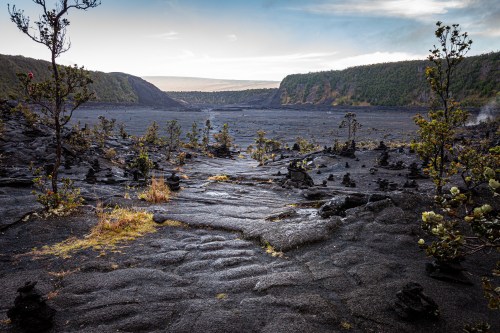
The highlight for most is the Kīlauea Iki Trail. This four-mile loop begins in a lush fern forest before descending 400 feet onto the floor of a solidified lava lake that erupted in 1959. Walking across the cracked, steaming earth—where steam vents still hiss with the heat of the magma below—is like stepping onto another planet. For those seeking cultural depth, the Pu‘uloa Petroglyphs site contains over 23,000 ancient stone carvings, offering a silent testimony to the generations of Native Hawaiians who traversed these lava fields.
Expert Tip: Before visiting, check the National Park Service website for current eruption status. While lava flows aren't always visible, the glow from the caldera at night is a spiritual experience that defies photography.
2. Haleakalā National Park (Maui)
Rising 10,023 feet above sea level, Haleakalā ("House of the Sun") comprises two-thirds of the island of Maui. The journey to the summit takes you through more ecological zones than a drive from Mexico to Canada. It is a study in contrasts: the summit district is a silent, high-altitude desert of cinder cones and rare silversword plants, while the coastal Kipahulu district is a verdant jungle of waterfalls and bamboo.
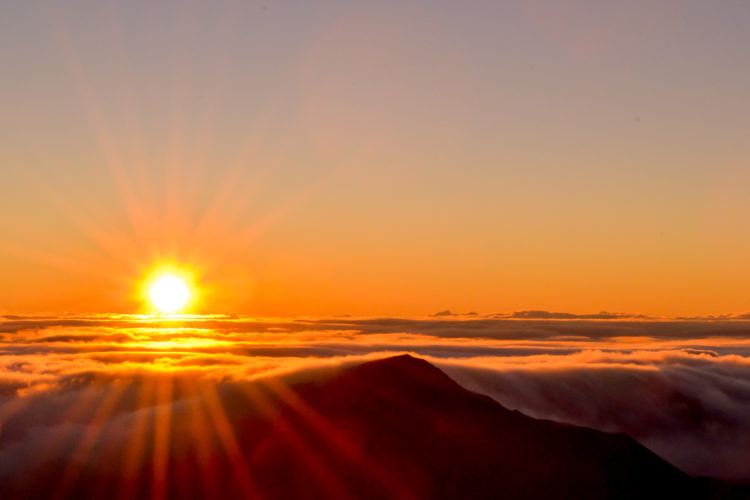
Watching the sunrise at Haleakalā is a bucket-list tradition, but it requires a specific reservation (separate from park entry) that can be booked 60 days in advance. The temperature at the summit can drop below freezing before dawn, so parkas and blankets are as essential as your camera. After the sun rises, don't just head back down for breakfast. The Sliding Sands Trail offers a descent into the crater floor, where the silence is so heavy it feels physical.
On the opposite side of the park, accessible via the Road to Hana, lies the Pīpīwai Trail. This 4-mile round-trip hike leads you through a towering bamboo forest that clatters in the wind like giant wind chimes, culminating at the base of the 400-foot Waimoku Falls.
3. Nāpali Coast State Wilderness Park (Kaua‘i)
The Nāpali Coast is arguably the most photographed coastline in the world, yet no image can capture the sheer verticality of its emerald "cathedral" spires. This 17-mile stretch of coastline is inaccessible by car, preserving its rugged, prehistoric majesty.
What is the best way to see the Nāpali Coast? There are three distinct ways to experience it:
- By Land: The Kalalau Trail is a grueling 11-mile trek (one way) that crosses five valleys. It is strictly for experienced hikers and requires a coveted camping permit for anything beyond the first two miles.
- By Sea: Boat tours (catamarans or rugged rafts) depart from Port Allen or Hanalei. This allows you to explore sea caves and snorkel with Hawaiian Green Sea Turtles (Honu).
- By Air: A helicopter flight provides the only way to see the entire coast and the hidden waterfalls of the interior, like the "Jurassic Park" falls (Manawaiopuna).

4. Waimea Canyon & Kōkeʻe State Park (Kaua‘i)
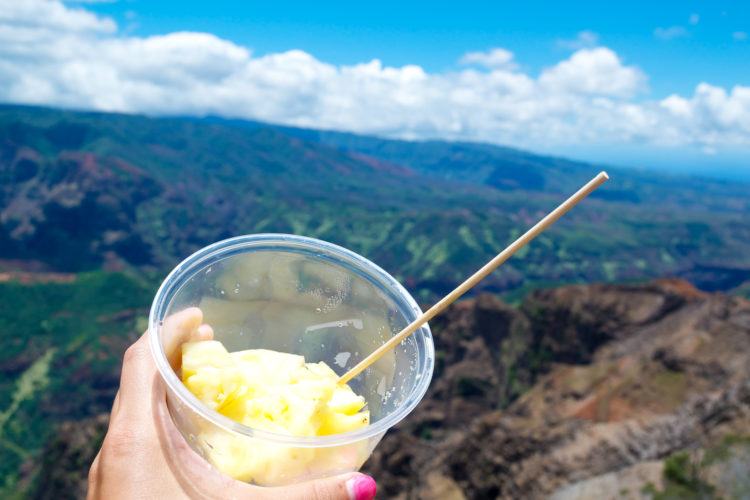
Mark Twain famously dubbed Waimea the "Grand Canyon of the Pacific," and while it shares the same striking red-and-orange palette as its Arizona cousin, the addition of lush tropical greenery and cascading waterfalls makes it uniquely Hawaiian. The canyon is ten miles long and drops 3,600 feet deep.
Driving up the Waimea Canyon Drive provides numerous overlooks, but the real magic is found in Kōkeʻe State Park at the top of the ridge. Here, the air is cool and smells of damp earth and ginger. The Alaka‘i Swamp Trail is a standout; a boardwalk path that takes you through the world's highest rain forest and bog. On a clear day, the Kilohana Lookout at the end of the trail offers a view of the Hanalei Bay that will leave you breathless. Keep your eyes peeled for the ‘apapane, a bright red native honeycreeper often found in the ‘ōhi‘a lehua trees.
5. Waiʻānapanapa State Park (Maui)
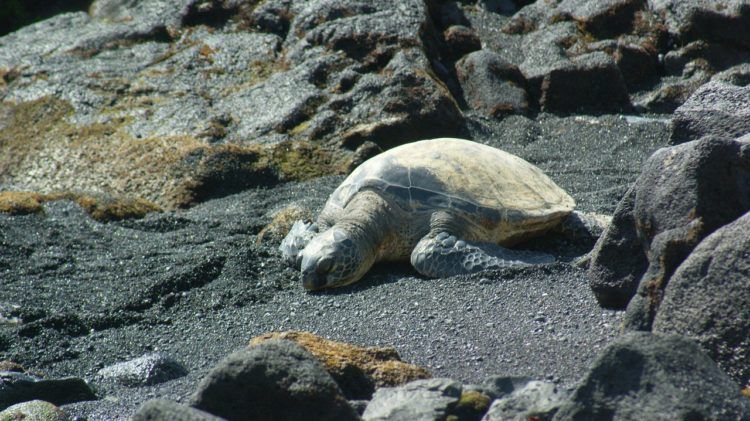
Located along the famous Road to Hana, Waiʻānapanapa is the physical embodiment of volcanic beauty. Its centerpiece is Pailoa Beach, a stunning crescent of jet-black pebbles set against a backdrop of vivid green jungle and turquoise surf.
The park is steeped in Hawaiian legend. The Waianapanapa Caves are said to be the site of the tragic story of Princess Popoalaea, who hid from her cruel husband in the cavern’s secret chambers. Every year, at certain tides, the cave waters turn red—traditionally said to be the blood of the princess, though scientifically attributed to the arrival of thousands of tiny red shrimp (‘ōpae ‘ula).
Planning Note: You must book your parking and entry slot at least 24 hours in advance at waianapanapa-state-park.com. There are no same-day reservations available on-site.
6. Diamond Head State Monument (O‘ahu)
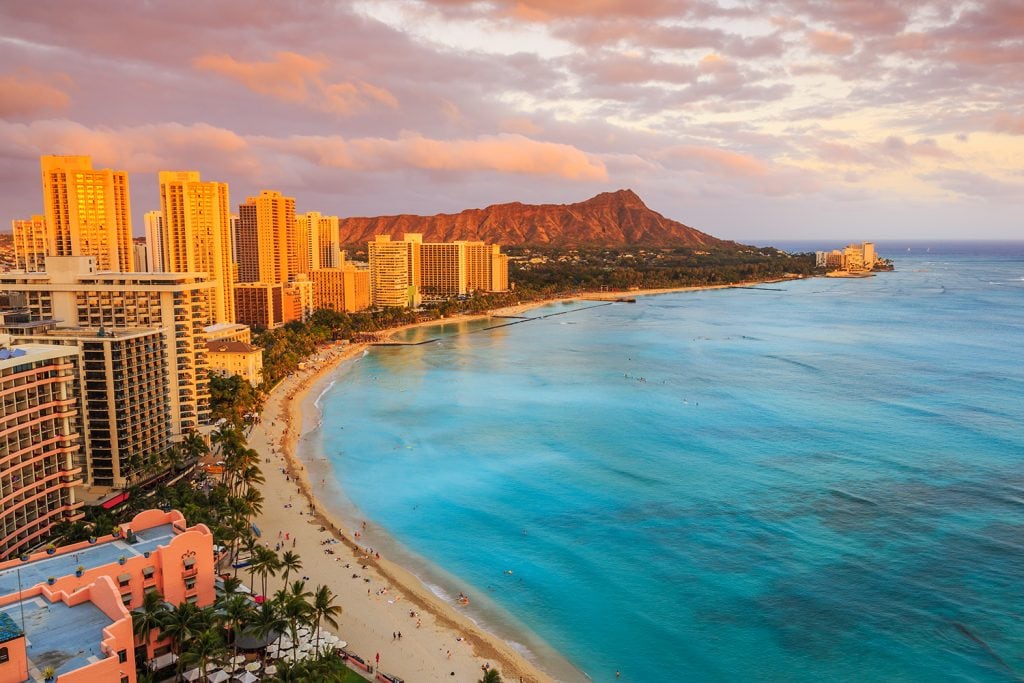
For the quintessential O‘ahu experience, one must climb Lēʻahi, known globally as Diamond Head. This 300,000-year-old volcanic tuff cone defines the skyline of Waikīkī. The hike to the summit is a journey through military history, as the trail was constructed in 1908 as part of the island's coastal defense system.
The trail involves a series of switchbacks and 99 steep stairs that lead through a 225-foot tunnel. Once at the summit, the 360-degree views of the South Shore and the Pacific Ocean are peerless. You can see the bunkers and the huge navigational lighthouse that have guided ships for over a century.
7. Kealakekua Bay State Historical Park (The Big Island)
Kealakekua Bay is a site of immense historical and biological importance. As a Marine Life Conservation District, it boasts some of the best snorkeling in the state. Underwater visibility here can reach up to 150 feet, revealing a kaleidoscope of roughly 250 species of endemic Hawaiian fish and vibrant coral colonies.
Historically, this bay is where Captain James Cook first made contact with the Big Island in 1779, and it is also where he eventually met his end. A white stone obelisk, the Captain Cook Monument, stands on the shore. Because the bay is a sacred site (home to the Hikiau Heiau), access is regulated. The best way to visit is via a licensed boat tour or by kayaking across the bay with a permitted guide.
Park Comparison: National vs. State Permits
| Park Name | Island | Reservation Needed? | Booking Window | Fee (Approx.) |
|---|---|---|---|---|
| Haleakalā (Sunrise) | Maui | Yes | 60 Days | $1.00 + Entry Fee |
| Diamond Head | O‘ahu | Yes | 30 Days | $5 Entry / $10 Parking |
| Hāʻena (Nāpali) | Kaua‘i | Yes | 30 Days | $5 Entry / $10 Parking |
| Waiʻānapanapa | Maui | Yes | 30 Days | $5 Entry / $10 Parking |
| Volcanoes NP | Big Island | No | N/A | $30 per vehicle |
8. Mākena State Park (Maui)
Often called "Big Beach," Oneloa (Mākena) is one of the largest undeveloped beaches in Maui. It is the archetype of a Hawaiian paradise: nearly a mile of golden sand and sparkling blue water, flanked by the cinder cone of Pu‘u Ōla‘i.
While Big Beach is famous for its powerful shorebreak (which can be dangerous for inexperienced swimmers), the park also hides One‘uli, a dark sand beach that is much quieter and offers excellent snorkeling when the waters are calm. The contrast between the orange-gold sands of Oneloa and the charred, volcanic earth of the surrounding cliffs is a visual feast.
9. Ala Kahakai National Historic Trail (The Big Island)
This is not a traditional "park" but a 175-mile continuous corridor that preserves the ancient coastal paths used by Native Hawaiians for centuries. The Ala Kahakai (Trail by the Sea) connects hundreds of heiau (temples), fishponds, and ancient settlement sites.
Walking sections of this trail, particularly the portions that pass through Pu‘uhonua o Hōnaunau National Historical Park, feels like walking through time. This "City of Refuge" was a place where those who broke kapu (sacred laws) could flee to find absolution. The meticulously restored stone walls and wooden ki‘i (carved images) provide a powerful connection to the spiritual heart of the islands.
10. Ka‘ena Point State Park (O‘ahu)
For those looking to escape the hustle of Honolulu, Ka‘ena Point is the island's most remote western tip. There are no paved roads here; access is via a 2.5-mile unshaded trail from either the North Shore or the West Side.
This is a wild, wind-swept landscape that serves as a predator-fenced sanctuary for nesting seabirds like the Laysan Albatross. It’s also one of the best places on O‘ahu to spot the endangered Hawaiian Monk Seal resting on the rocks. In the winter months, the shoreline becomes a prime viewing spot for breaching Humpback whales. For Native Hawaiians, Ka‘ena Point is a leina a ka ‘uhane—a "leaping place of souls"—where spirits depart this world for the next.
Logistics: Getting Around the Islands
Navigating the parks across the archipelago requires a bit of logistical maneuvering. Most travelers will arrive at Honolulu (HNL) before taking inter-island flights to Lihu‘e (LIH) for Kaua‘i, Kahului (OGG) for Maui, or Kona/Hilo (KOA/ITO) for the Big Island.
- Vehicle Rentals: In 2024, rental car availability has stabilized, but for off-the-grid locations like Waimea Canyon or the Big Island’s North Shore, a car is non-negotiable. 4WD is rarely required for the parks mentioned here, but high clearance can be helpful.
- Park Passes: If you plan to visit multiple National Parks, the $80 America the Beautiful Pass is valid at both Haleakalā and Hawai‘i Volcanoes, as well as the historical sites.
FAQ
Q: Can I visit the Nāpali Coast for free? A: No. Non-residents must purchase an entry reservation for Hāʻena State Park even if they are just walking to Ke’e Beach. To hike the full Kalalau Trail, a specific overnight permit is required.
Q: Is it safe to see the volcanoes on the Big Island? A: Yes, as long as you stay within the designated National Park boundaries and follow all ranger instructions. Volcanic activity is monitored 24/7. Be aware that volcanic gases (VOG) can be an irritant for those with respiratory issues.
Q: What is the "Mālama Hawai‘i" program? A: It is an initiative that encourages travelers to "give back" to the islands. Many hotels offer discounts or free nights in exchange for participating in a volunteer activity, such as reforestation or beach cleanups.
Experience the Magic Responsibly
The beauty of Hawai‘i’s parks lies in their fragility as much as their grandeur. As you explore the red dust of Waimea or the black sands of Waiʻānapanapa, remember that these are more than just photo opportunities—they are sacred spaces with deep historical roots. Plan ahead, respect the permit systems, and you will find that the islands reveal their secrets to those who tread lightly.