Vancouver is a city that hasn't quite decided whether it wants to be a shimmering glass metropolis or an ancient coastal rainforest—and that indecision is precisely its charm. For travelers arriving in 2026, the city will be vibrating with an even more electric energy as it prepares to host the world for the FIFA World Cup. Whether you are here for the matches or the mountains, the best outdoor activities in Vancouver include biking the 6-mile Stanley Park Seawall, hiking the steep "Grouse Grind" at Grouse Mountain, and crossing the gravity-defying 450-foot-long Capilano Suspension Bridge.
For the gastronomes, the city’s heart beats in the Granville Island Public Market and the massive Richmond Night Market, which hosts over 600 vendors serving everything from savory lamb buns to nitrogen ice cream. If you are visiting for the FIFA World Cup 2026, the action centers on BC Place, a 54,000-seat architectural marvel located just a short walk from the historic districts of Gastown and Chinatown.
The Iconic Big Three: Vancouver Essentials
1. Stanley Park & The Seawall
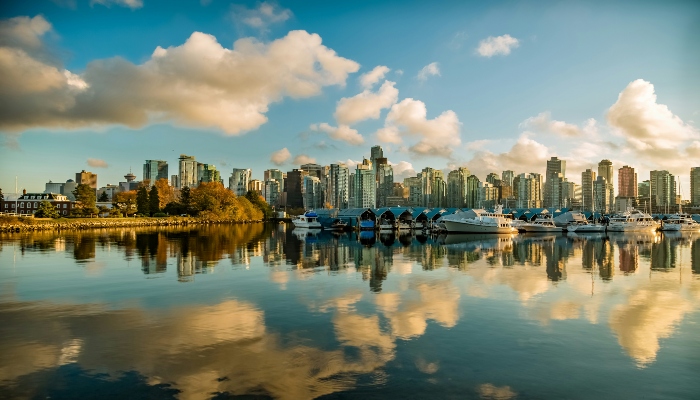
Before the high-rises dominated the skyline, there was the forest. Stanley Park encompasses 988 acres of coastal rainforest and parkland, making it significantly larger than the entire downtown core of Vancouver. To experience it like a local, rent a bicycle near Denman Street and tackle the 6-mile (10km) Seawall perimeter.
The route is a sensory journey: the smell of cedar trees to your left and the salt spray of the Burrard Inlet to your right. Don’t miss the First Nations Totem Poles at Brockton Point, which offer a vital historical context to the Coast Salish land you are traversing.
2. Granville Island Public Market
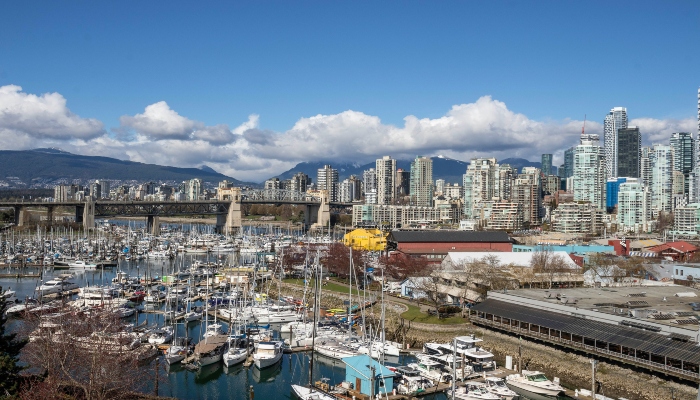
Once an industrial wasteland, Granville Island is now the city’s premier culinary destination. The Public Market is a labyrinth of artisan cheeses, smoked salmon, and seasonal produce. My advice? Head straight for Lee’s Donuts for a classic honey-dipped treat—it’s a local institution for a reason. After snacking, wander through the Net Loft to find local artisans weaving textiles or blowing glass.
3. Capilano Suspension Bridge Park
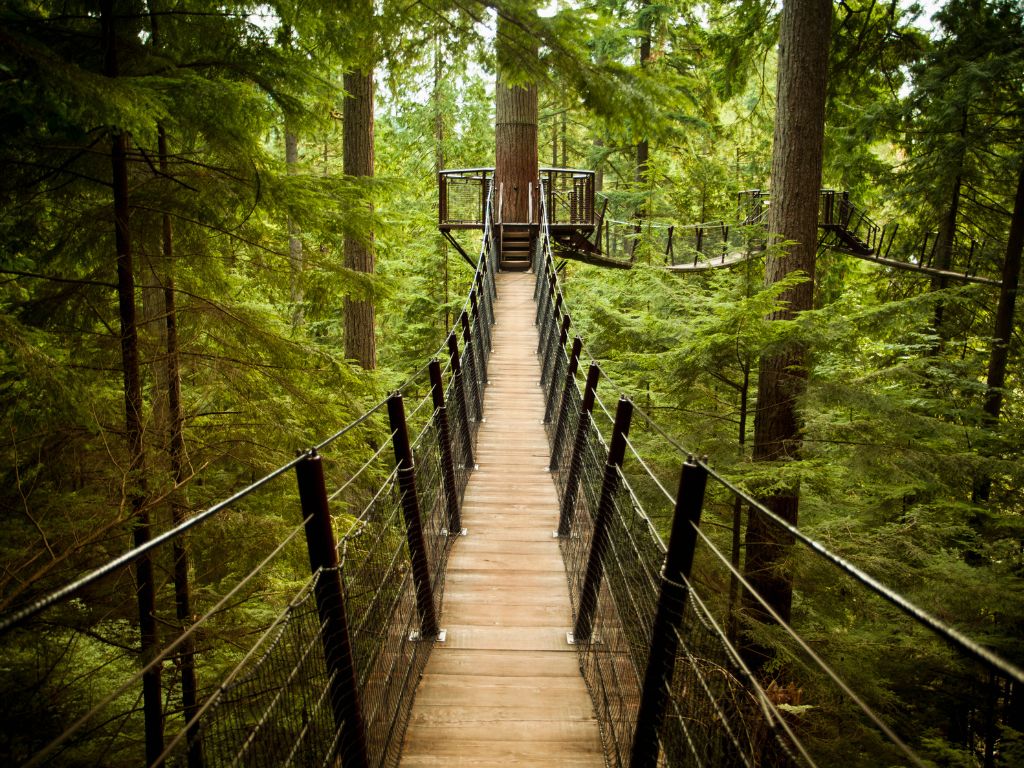
Suspended 230 feet above the Capilano River, this 450-foot-long bridge has been testing travelers' nerves since 1889. While the bridge is the main draw, the 2026 experience includes the Cliffwalk—a series of cantilevered walkways clinging to the granite cliffside—and the Treetops Adventure, where seven bridges connect towering Douglas firs.
The Foodie Circuit: Night Markets & Local Flavors
4. Richmond Night Market
Established in 1999, the Richmond Night Market has grown into the largest of its kind in North America. Imagine a neon-lit wonderland where the air is thick with the scent of grilled squid and cumin-spiced lamb. With over 600 food and retail vendors, it is a revolving door of international street food trends. Pro tip: Arrive early and bring cash (though many vendors are shifting toward digital payments for 2026), and look for the "Zoom Pass" to skip the notoriously long entry lines.
5. Gastown’s Culinary Scene
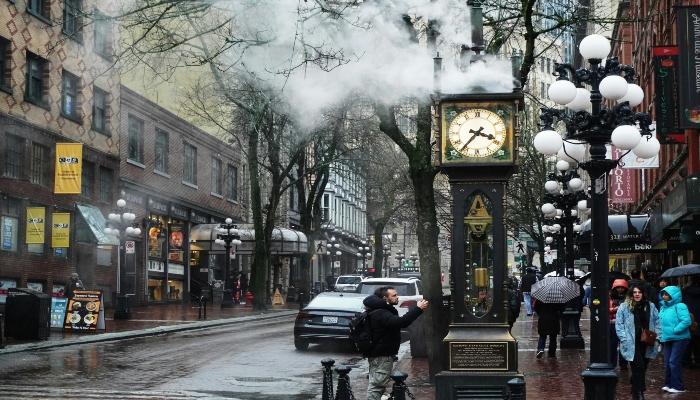
Gastown is Vancouver’s oldest neighborhood, characterized by Victorian architecture and cobblestone arteries. While tourists flock to the iconic Steam Clock (which whistles every 15 minutes), the real draw is the high-end dining tucked into historic brick buildings. From the Belgian-inspired mussels at Chambar to the innovative cocktails at The Diamond, Gastown is where old-world charm meets modern West Coast gastronomy.
6. Commercial Drive ('The Drive')
For a more bohemian vibe, head to "The Drive." This neighborhood wears its Italian heritage on its sleeve but has expanded into a multicultural hub of independent boutiques and vegan cafes. Stop by Livia for some of the best sourdough in the city, or grab an espresso at a traditional Italian cafe while watching the eclectic crowd go by.
7. Chinatown Exploration
Vancouver’s Chinatown is one of the largest in North America and is currently undergoing a cultural renaissance. Visit the Dr. Sun Yat-Sen Classical Chinese Garden, the first of its kind built outside of China. Its Ming Dynasty-style architecture offers a tranquil escape from the urban rush. Afterward, seek out the narrowest building in the world (the Sam Kee Building) located at the corner of Pender and Carrall.
Plan Your Vancouver Food Tour →
Outdoor Thrills & Natural Wonders
8. Grouse Mountain
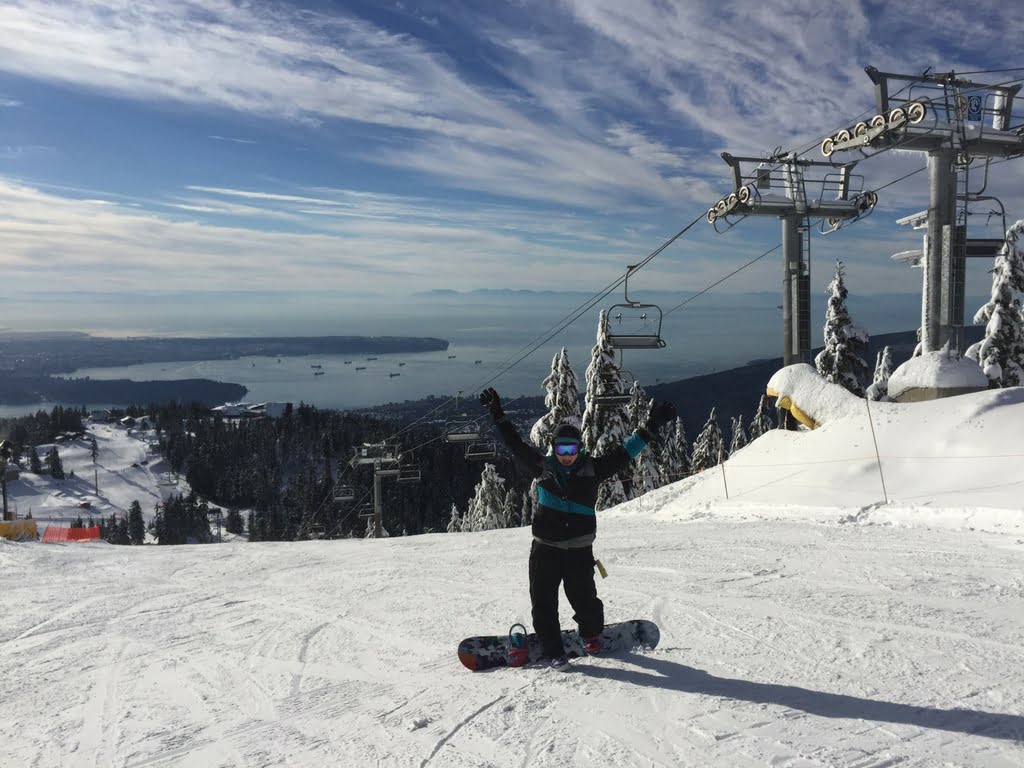
Just 15 minutes from downtown, Grouse Mountain is known as the "Peak of Vancouver." For the physically ambitious, the Grouse Grind is a must. This 1.5-mile trail is often called "Mother Nature’s Stairmaster," gaining 2,800 feet in elevation. If you’d prefer a more leisurely ascent, the Skyride gondola offers panoramic views of the city and the Gulf Islands.
9. Whale Watching Expeditions
The waters surrounding Vancouver are part of a massive migratory corridor. Between April and October, various outfitters operate out of Granville Island and Steveston Village, taking guests to spot Orcas (killer whales), Humpbacks, and Minke whales. Seeing a 40-ton Humpback breach against the backdrop of the North Shore mountains is a memory that stays with you forever.
10. Kitsilano Beach ('Kits')
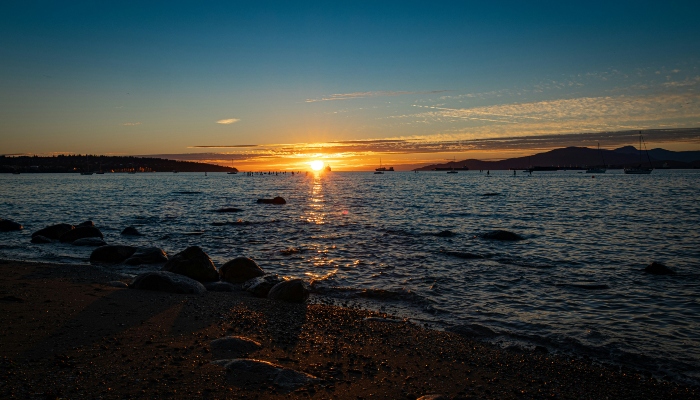
Kitsilano is Vancouver’s version of Bondi or Venice Beach. It’s home to Kitsilano Pool, Canada’s longest saltwater outdoor pool, which sits right on the edge of the ocean. The beach itself is a hub for volleyball, sunbathing, and taking in the spectacular mountain views across English Bay.
11. Wreck Beach
Located at the edge of the University of British Columbia (UBC) campus, Wreck Beach is a world-renowned clothing-optional beach. It requires a descent down nearly 500 wooden steps, but the reward is a secluded, inclusive atmosphere and some of the best sunset views in the province.
12. Pacific Spirit Regional Park
If you want to experience the majesty of the BC forest without the crowds of Stanley Park, Pacific Spirit is your destination. With over 50 miles of trails winding through ancient Douglas fir and Western Red Cedar, it’s a sanctuary for hikers and trail runners alike.
Arts, Culture & City Views
13. Vancouver Art Gallery
Housed in a former neoclassical courthouse, the Vancouver Art Gallery is the largest art museum in Western Canada. It is particularly noted for its significant collection of works by Emily Carr, whose paintings of First Nations totem poles and BC landscapes are legendary.
14. Queen Elizabeth Park
Sitting at the highest point in the city (roughly 400 feet above sea level), this park offers stunning floral displays and the Bloedel Conservatory, a temperature-controlled dome filled with tropical birds and exotic plants. It’s the perfect spot for a panoramic photograph of the downtown skyline.
15. Science World
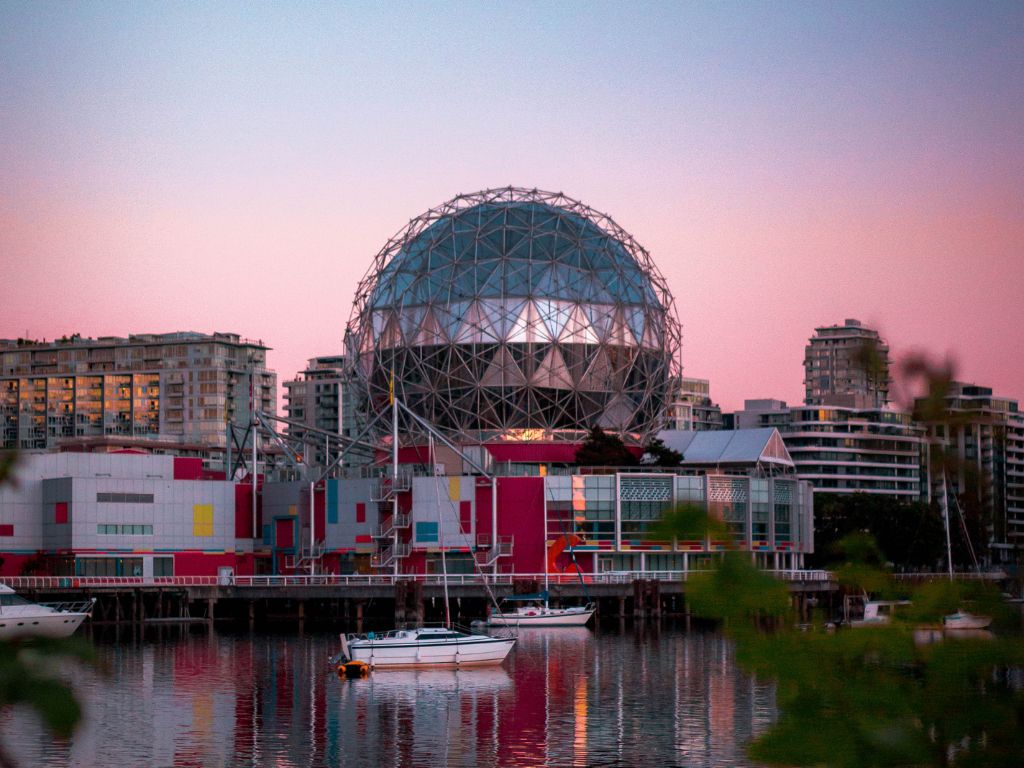
Even if you aren't traveling with children, Science World is worth a visit for the architecture alone. The geodesic dome, a relic from Expo '86, glows brilliantly at night along the False Creek waterfront. Inside, interactive exhibits and OMNIMAX films explore the frontiers of technology and nature.
16. VanDusen Botanical Garden
This 55-acre oasis features an Elizabethan hedge maze made of 3,000 pyramidal cedars. In the late spring, the Laburnum Walk blooms in a spectacular "golden rain" of yellow flowers, creating one of the most Instagram-worthy spots in Canada.
17. Museum of Anthropology (UBC)
The MOA is a masterpiece of modern architecture designed by Arthur Erickson. It houses a staggering collection of First Nations carvings and global ceramics. The Great Hall, with its massive glass walls overlooking the forest and sea, provides a dramatic setting for the towering totem poles within.
Vancouver 2026: The FIFA World Cup Experience
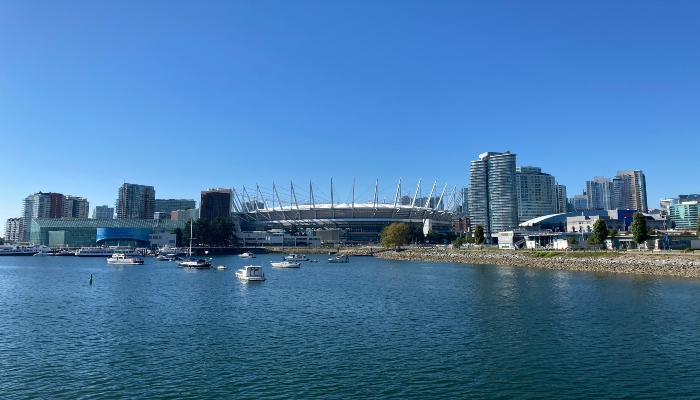
As 2026 approaches, Vancouver is transforming into a global soccer capital. BC Place will be the epicenter of the excitement. This stadium is unique for its cable-supported retractable roof and its location right in the heart of the city. Unlike many North American stadiums situated in suburban parking lots, BC Place is deeply integrated into the urban fabric.
18. Match Day at BC Place
If you have tickets for 2026, you'll be joining 54,000 other fans in one of the most technologically advanced venues in North America. Note that the stadium is entirely cashless, so ensure your digital wallet or credit cards are ready. The surrounding neighborhoods—Yaletown, Gastown, and Chinatown—will be buzzing with pre-match festivities.
19. FIFA Fan Zone at the PNE
For those without tickets to the matches, the FIFA Fan Zone at the Pacific National Exhibition (PNE) grounds will be the place to be. Expect massive screens, international food trucks, and a festival atmosphere where fans from across the globe gather to celebrate the beautiful game.
20. False Creek Seawall Walk
The most scenic way to reach BC Place is via the False Creek Seawall. This path connects the Kitsilano area to the stadium, passing by Science World and the Granville Island docks. It offers a front-row seat to the city's maritime life, from tiny "Aquabus" ferries to sleek sailing yachts.
| FIFA 2026 Quick Facts | BC Place Stadium | PNE Celebration Site |
|---|---|---|
| Capacity | 54,000 Seats | 20,000+ Fans |
| Vibe | High-stakes live action | Festival, big screens, family-friendly |
| Payment | 100% Cashless | Mixed (Cash/Card) |
| Transit Access | Stadium-Chinatown Station | Renfrew or Cassiar Bus Routes |
Logistics for the 2026 Traveler
Navigating Vancouver in 2026 will be more streamlined than ever, but a little planning goes a long way. The Canada Line remains the gold standard for transit; you can go from Vancouver International Airport (YVR) to the downtown Waterfront station in just 25 minutes.
To pay for transit, you no longer need a physical "Compass Card" unless you want a souvenir; most turnstiles and buses now accept tap-to-pay from credit cards and smartphones. However, if you plan on taking the SeaBus to North Vancouver or the SkyTrain multiple times a day, a DayPass on a Compass Card is still the most cost-effective option.
FAQ
Q: Is Vancouver expensive to visit during the World Cup? A: Like any major host city, prices for hotels will spike. I recommend looking into neighborhoods like Burnaby or Richmond, which are connected to downtown by a 20-minute SkyTrain ride, to find more competitive rates.
Q: What is the best way to get around the city? A: Vancouver is incredibly walkable. For longer distances, the SkyTrain is efficient and clean. Avoid renting a car if you stay downtown, as parking is scarce and expensive.
Q: When is the best time to visit if I want to avoid the rain? A: July and August are historically the driest months. However, the "shoulder seasons" of May/June and September/October offer a beautiful balance of mild weather and fewer crowds.