Sitting at the geographic and cultural confluence of Europe and Asia, Türkiye is a land that defies singular definitions. From the sun-drenched ruins of the Aegean to the mist-shrouded peaks of the Kaçkar Mountains, the timing of your visit is the most critical variable in shaping your experience. Whether you are chasing the ephemeral bloom of the 2026 Tulip Festival or seeking the pristine silence of a snow-covered Anatolian plateau, understanding the country’s diverse microclimates is the first step in planning a successful expedition.
For most travelers, the absolute best time to visit Türkiye is during the shoulder seasons: Spring (March to May) and Autumn (September to October). During these windows, the country sheds its seasonal extremes, offering temperatures that range from a pleasant 50°F to 82°F. Beyond the comfort of the air, data suggests these periods provide a 70% higher frequency of 'ideal sightseeing days' compared to the blistering peaks of July and August, where temperatures in the southern regions can soar to 118°F.
Spring (March to May): Tulips and Turquoise Landscapes
Spring in Türkiye is more than just a season; it is a national awakening. As the snow melts from the Taurus Mountains, the landscape undergoes a dramatic transformation. For the culturally inclined, April is arguably the 'Golden Month.' This is when the Istanbul Tulip Festival 2026 will reach its zenith. While many associate tulips with the Netherlands, the flower actually traces its heritage back to the Ottoman Empire. During April, millions of tulips are planted across Istanbul’s parks and public squares, turning the city into a vibrant tapestry of color.
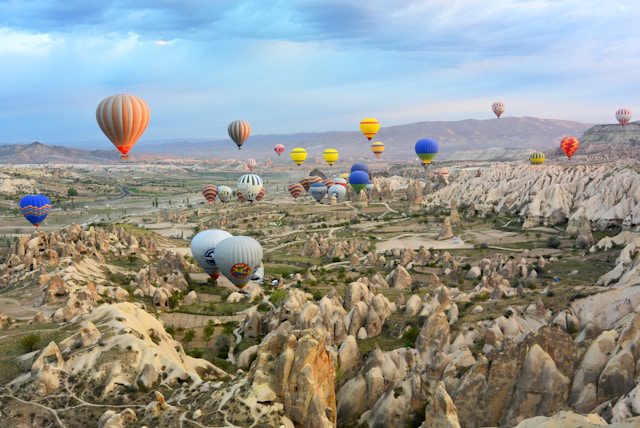
In Central Anatolia, the landscape of Cappadocia begins to soften. The 'Fairy Chimneys'—unique geological formations carved by wind and water—are framed by the white blossoms of apricot and cherry trees. This is the premier window for aviation enthusiasts; the stable spring air provides the perfect conditions for the iconic hot air balloon rides that define the region.
Economically, visiting during the spring shoulder season is a strategic move. Travelers can save an average of 25-35% on luxury accommodation rates in boutique cave hotels or Bosphorus-front palaces compared to the mid-summer peak.
Why Spring is Unbeatable:
- Mild Weather: Ideal for walking the historic districts of Sultanahmet or the ruins of Troy without the oppressive heat.
- The Tulip Bloom: Specifically in Istanbul’s Emirgan Park, which becomes a photographer’s paradise.
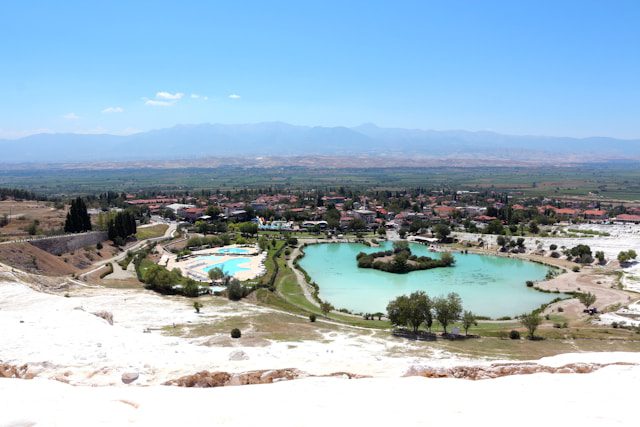
- Thermal Comfort: It is the perfect time to visit the travertine terraces of Pamukkale. The thermal pools are rejuvenating in the crisp spring air, and you’ll avoid the massive tour bus crowds that arrive in June.
Summer (June to August): Sun, Sea, and Sailing
When June arrives, the focus of Turkish life shifts toward the coast. The "Turquoise Coast"—stretching from Bodrum down to Antalya—becomes the focal point for European and domestic travelers alike. This is the season of the Gulet (traditional wooden schooner) and endless Mediterranean sunsets.
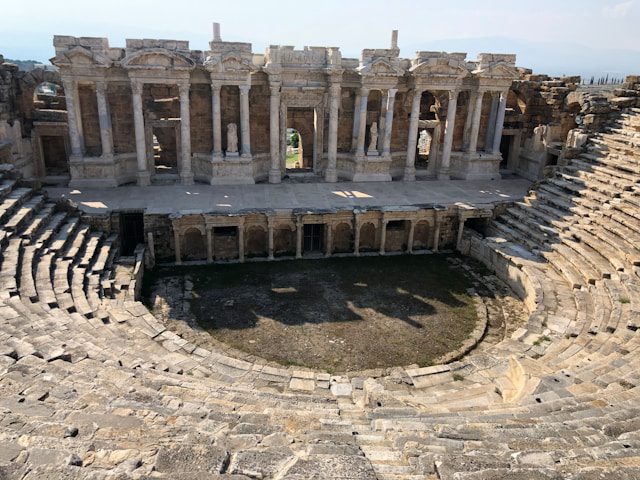
However, summer in Türkiye requires a tactical approach to sightseeing. In inland archaeological sites like Ephesus, the stone ruins act as a heat sink, often making afternoon exploration grueling. The savvy traveler schedules their day around the sun: exploring the Library of Celsus at dawn and retreating to the coastal breezes of nearby Kuşadası by midday.
If you are planning a coastal loop through Antalya or Fethiye, a 14-day itinerary is recommended to allow for a slower pace. The heat demands a "Mediterranean schedule"—active mornings, long lunches in the shade, and late-night dinners under the stars.

Editor’s Tip: If you find yourself in the Mediterranean during the 118°F peaks of July, head to the "Yaylas" (highland pastures). These mountain retreats offer a glimpse into traditional nomadic culture and a significant drop in temperature.
Autumn (September to October): Golden Hues and Harvests
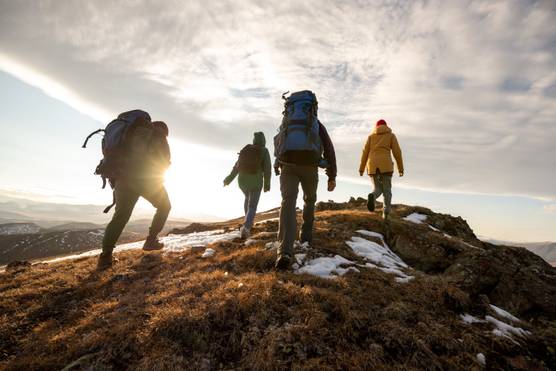
As the summer crowds dissipate in September, Türkiye enters a state of grace. The Aegean and Mediterranean waters remain warm enough for swimming well into October, but the air takes on a crisp, golden quality. For those who enjoy the outdoors, autumn is the premier season for trekking the Lycian Way, a 500km path along the coast that passes through some of the most spectacular maritime scenery in the world.
In the northeast, the mountains of Artvin and Yedigöller National Park transform into a riot of autumnal color. This is also harvest season; in Bozcaada and the Thrace region, wine festivals celebrate the local grapes, offering a different side of Turkish gastronomy that is often overlooked.
Winter (December to February): Snow and Skiing
Winter in Türkiye is a well-kept secret among budget-conscious travelers and winter sports enthusiasts. While the coastal resorts go into hibernation, the interior of the country becomes an otherworldly landscape of ice and snow.
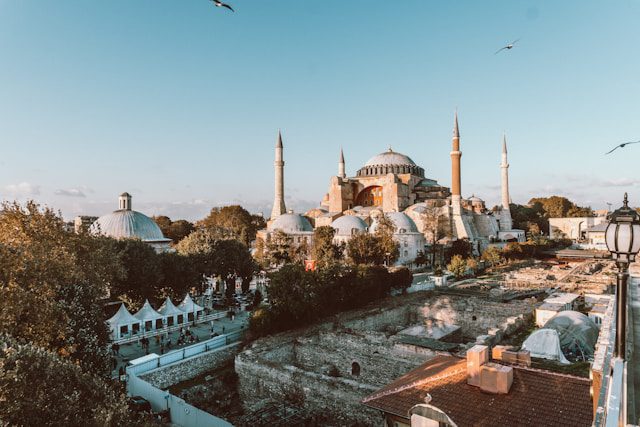
Istanbul in the snow is a sight of profound beauty. The domes of the Hagia Sophia and the Blue Mosque take on a quiet, mystical atmosphere when dusted in white. Furthermore, winter is the time for the "knowledgeable explorer" to find incredible value; boutique hotels in the heart of the city that might cost hundreds in May often start as low as $12 to $30 per night in the deep winter.
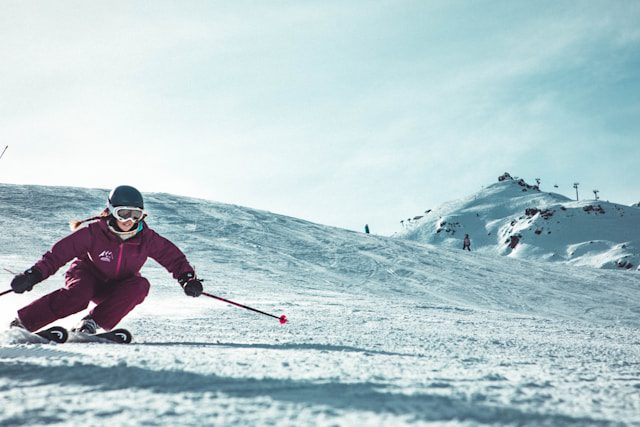
For those seeking adrenaline, Türkiye’s mountain ranges offer world-class skiing. Mount Erciyes (near Kayseri) and Uludağ (near Bursa) feature modern infrastructure and long seasons from December through February. Cappadocia also takes on a unique charm in winter; there is nothing quite like soaking in a heated cave-pool while watching the snow fall over the volcanic valleys outside.
Regional Weather & Climate Deep Dive
To plan your 2026 journey effectively, you must account for the vast topographical differences between the humid Black Sea coast and the arid plains of Central Anatolia.
| Region | Spring (Mar-May) | Summer (Jun-Aug) | Autumn (Sep-Oct) | Winter (Dec-Feb) |
|---|---|---|---|---|
| Istanbul | 55°F - 70°F (Occasional rain) | 75°F - 85°F (Humid) | 60°F - 75°F (Ideal) | 40°F - 50°F (Possible snow) |
| Cappadocia | 50°F - 72°F (Green valleys) | 80°F - 95°F (Dry heat) | 55°F - 75°F (Clear skies) | 25°F - 45°F (Cold/Snow) |
| Antalya | 65°F - 78°F (Swimming starts) | 90°F - 110°F (Very hot) | 75°F - 85°F (Best water temp) | 55°F - 65°F (Mild/Rainy) |
| Erzurum (East) | 35°F - 55°F (Late thaw) | 70°F - 85°F (Pleasant) | 45°F - 65°F (Early frost) | 5°F - 30°F (Peak Skiing) |
What to Pack for Your 2026 Trip
Packing for Türkiye is an exercise in versatility. Because you might move from a humid ferry ride on the Bosphorus to a dry, windy hike in Cappadocia within 48 hours, layers are your best friend.
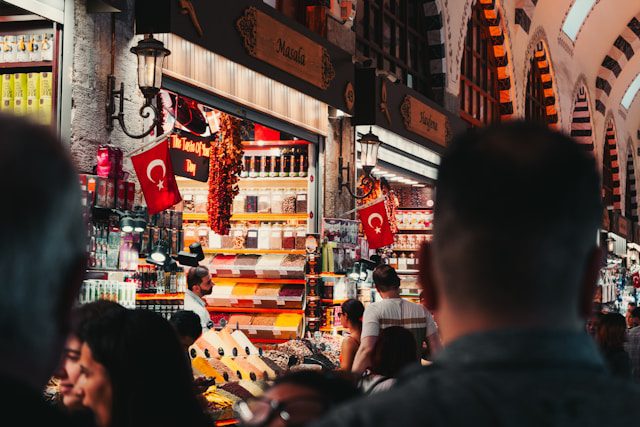
- Footwear: Sturdy, broken-in walking shoes are non-negotiable. Whether you are navigating the slippery marble of Ephesus or the uneven cobblestones of the Grand Bazaar, your feet will thank you.
- Modest Attire: While Türkiye is a secular country, visiting mosques requires respectful dress. Women should carry a lightweight pashmina or scarf to cover their heads, and both men and women should ensure their knees and shoulders are covered.
- Seasonal Essentials:
- Spring/Autumn: A windbreaker or light trench coat for evening breezes.
- Summer: High-SPF sunscreen and a wide-brimmed hat.
- Winter: Thermal base layers if heading to the interior.
- Tech & Documents: Ensure your E-visa is printed and your passport has at least six months of validity. Carry a reusable water bottle; the summer sun is unforgiving, and staying hydrated is key.
Frequently Asked Questions (FAQ)
Is 7 days enough to see Türkiye? A 7-to-10-day trip is sufficient to cover the "Golden Triangle": Istanbul and Cappadocia. However, if you wish to include the thermal pools of Pamukkale or the beaches of the Mediterranean, a 14-day itinerary is much more comfortable.
When is the best time for hot air balloons in Cappadocia? While balloons fly year-round, the most reliable months are April through June and September through October. During these months, the wind conditions are most stable, leading to fewer flight cancellations.
Is it safe to visit Türkiye during the winter? Absolutely. Winter travel in Türkiye is very safe and incredibly rewarding for those who don't mind the cold. Infrastructure remains open, and the lack of crowds provides a much more intimate experience with the country's famous landmarks.
Plan Your Adventure to Türkiye
The beauty of Türkiye lies in its ability to reinvent itself with every passing season. Whether you find yourself lost in the fragrance of a million tulips in Istanbul or gliding over the snow-dusted valleys of Anatolia, this is a country that rewards those who time their arrival with care.
Ready to begin your journey? Start by choosing the season that speaks to your sense of adventure.