Southeast Asia is a region that demands to be felt as much as it is seen. It is a sensory overload of orchid-bedecked lobbies, the rhythmic chanting of monks, and the ubiquitous, soupy heat that clings to the skin. Every year, over 55 million international travelers descend upon this corner of the globe, drawn by the promise of ancient empires and modern dynamism. However, the sheer density of Indochina presents a challenge: How do you distill the essence of Thailand, Laos, Vietnam, and Cambodia into a single, cohesive 12-day journey?
To see all four countries in under two weeks, the solution lies in a tactical "hub-and-spoke" route. You must focus on the cultural anchors: Bangkok, Luang Prabang, Hanoi, and Siem Reap. This itinerary requires taking four to five short regional flights—typically 60 to 90 minutes each—to bypass the arduous overland border crossings and maximize your time in the heart of these historic cities.
Quick Facts for Your 12-Day Journey
| Category | Details |
|---|---|
| Primary Route | Bangkok → Luang Prabang → Hanoi → Siem Reap |
| Total Flights | 4–5 regional flights (approx. 60–90 mins each) |
| Best Time to Visit | November to April (Dry Season) |
| Luxury Tour Cost | $4,960 – $9,495 per person (excl. international airfare) |
| Visa Requirements | Thailand (Visa-free/Exemption), Vietnam, Laos, & Cambodia (e-Visas) |
| Activity Level | Moderate to High (Urban walking and temple exploration) |
Planning Your Multi-Country Adventure
Timing is everything in the tropics. The most comfortable window for this four-country loop is the dry season, which runs from November to April. During these months, the humidity is manageable and the skies are a crisp, reliable blue. If you prefer to avoid the peak season crowds, consider the shoulder months of April and May. While the heat can be intense, you’ll find the temples of Angkor and the streets of Luang Prabang significantly quieter.
Financially, a trip of this caliber can vary wildly. A comprehensive, luxury-tier tour—including five-star heritage hotels, private guides, and seamless transfers—typically ranges between $4,960 and $9,495 per person. This investment ensures that the logistical complexities of multi-country travel vanish, allowing you to focus on the experience rather than the paperwork.
Traveler’s Note: Before departing, ensure you have applied for the necessary e-visas for Vietnam, Laos, and Cambodia. Thailand has recently simplified entry with the Digital Arrival Card, but the rules for its neighbors remain more formal. Always carry a few spare passport-sized photos; they are the "grease" that keeps regional border checkpoints moving smoothly.
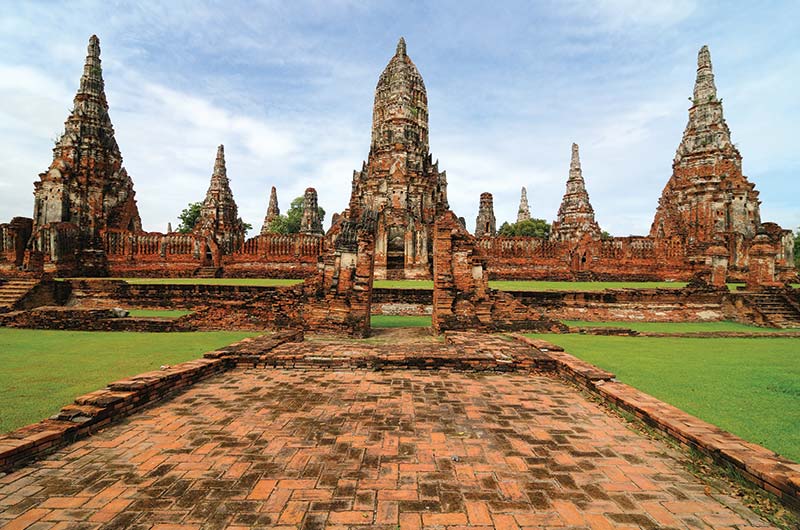
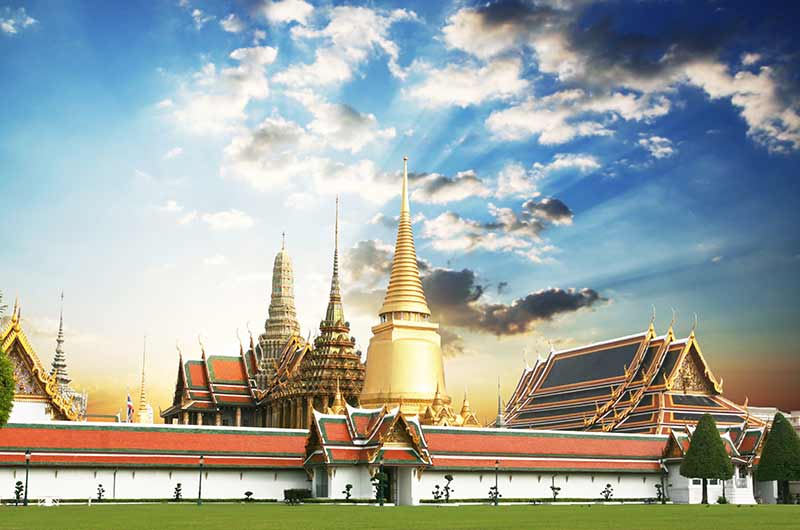
Days 1-2: Bangkok, Thailand – The Golden Gateway
Your journey begins in Bangkok, a city that functions as the high-octane engine of Southeast Asia. It is a place where blindingly gold stupas stand in the shadow of glass skyscrapers.
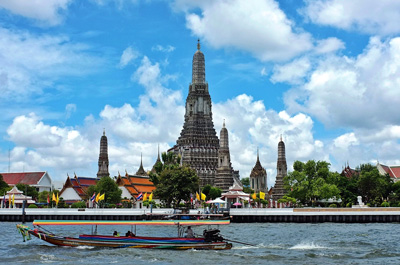
Day 1: The Royal Legacy Start your exploration on the Chao Phraya River. Take a private long-tail boat to navigate the "klongs" (canals) before arriving at the Grand Palace. This is the spiritual heart of the Thai Kingdom, an opulent complex of lacquered halls and shimmering mosaics. Nearby, Wat Traimit houses the world’s largest solid-gold Buddha, weighing a staggering five and a half tons—a literal testament to the region's historical wealth.
Day 2: Markets and Mansions In the morning, lose yourself in the Pak Khlong Talat (Flower Market), where the air is thick with the scent of jasmine and marigolds. Contrast this vibrant chaos with the serene Vimanmek Teak Mansion, the world’s largest golden teakwood building.
Culinary Highlight: Do not leave Bangkok without a proper immersion in its street food. Look for authentic Pad Thai seasoned with fresh kaffir lime and lemongrass, or try a spicy green papaya salad (Som Tum) to wake up your palate for the journey ahead.
Days 3-5: Luang Prabang, Laos – The Spiritual Heart
A short 90-minute flight from Bangkok (BKK) takes you to Luang Prabang (LPQ), a UNESCO World Heritage town that feels frozen in a more graceful era. Here, the French colonial architecture blends seamlessly with gilded Buddhist monasteries.
Day 3: Sunsets and Silk Arrive and settle into the slower rhythm of Laos. As the sun begins to dip, climb the 328 steps of Mount Phousi for a panoramic view of the town and the Mekong River. Spend your evening at the Night Market, where local Hmong artisans sell hand-woven silks and intricate silver jewelry.
Day 4: The Alms and the Falls Rise before dawn to witness Tak Bat, the daily alms-giving ceremony. In the morning mist, hundreds of saffron-robed monks emerge from their temples to collect offerings from the local community. It is a silent, sacred ritual that defines the soul of Luang Prabang. Later, drive out to the Kuang Si Falls, where turquoise water tumbles over limestone tiers into pools perfect for a refreshing swim.
Day 5: The Sacred Mekong Board a traditional "slow boat" for a cruise up the Mekong River. Your destination is the Pak Ou Caves, two cliffside caverns packed with thousands of Buddha statues left by pilgrims over centuries. The journey itself is the highlight, offering a glimpse of rural Lao life along the riverbanks.
Days 6-9: Hanoi & Northern Vietnam – The Colonial Fusion
From Luang Prabang, fly to Hanoi (HAN). If Bangkok is the engine of the region, Hanoi is its intellectual and artistic soul. The city is a palimpsest of Chinese influence, French colonial elegance, and resilient Vietnamese spirit.
Days 6-7: The Old Quarter and Beyond Hanoi’s Old Quarter is a labyrinth of 36 streets, each historically dedicated to a specific trade. Spend your time navigating the swarm of motorbikes to find the best Bun Cha (grilled pork with noodles) or Egg Coffee. Visit the Ho Chi Minh Mausoleum for a lesson in modern history, and end your evening with a traditional Water Puppet Show, an art form that originated in the flooded rice paddies of the Red River Delta.
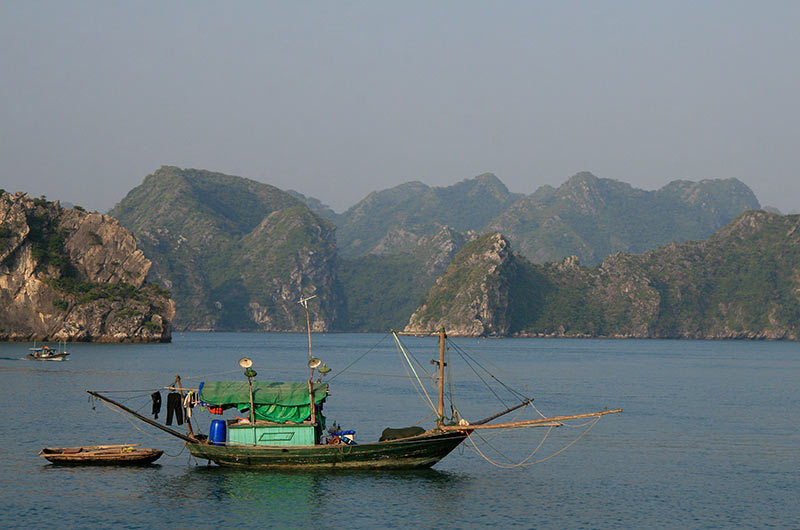
Days 8-9: Halong Bay – The Natural Wonder Leave the city behind for a three-hour drive to the coast. An overnight cruise in Halong Bay is non-negotiable. This UNESCO site features thousands of towering limestone karsts rising abruptly from the emerald waters.
- Experience: Kayak into hidden lagoons or explore the vast "Surprise Cave."
- Atmosphere: Watching the sunset from the deck of a traditional wooden junk boat remains one of the most iconic experiences in all of Asia.
Efficiency Tip: Using Hanoi as your base allows you to access the best of Northern Vietnam without constant hotel hopping. Most cruise operators provide luxury shuttle services directly from your Hanoi hotel.
Days 10-12: Siem Reap, Cambodia – The Grand Finale
The final leg of your journey takes you from Hanoi to Siem Reap (REP). This is the doorstep to the Khmer Empire’s greatest achievements and the perfect conclusion to an Indochina odyssey.
Day 10: Khmer Culture Ease into Cambodia with a visit to a local silk farm or the Angkor National Museum. In the evening, attend a performance by the Phare Circus. More than just acrobatics, this social enterprise uses theater and music to tell the story of Cambodia’s modern history and folklore.
Day 11: The Angkor Complex Wake up at 4:30 AM. It sounds grueling, but seeing the sun rise behind the five iconic towers of Angkor Wat is a transformative experience.
- Bayon Temple: Famous for the hundreds of massive stone faces smiling serenely from the towers.
- Ta Prohm: Known as the "Tomb Raider" temple, where giant silk-cotton trees have reclaimed the ruins, their roots strangling the ancient masonry.
Day 12: Floating Villages and Farewell On your final day, take a boat trip to Tonle Sap Lake. Visit the floating villages where entire communities—schools, markets, and clinics—exist on the water. It provides a stark, humbling contrast to the grandeur of the temples and a final, vivid memory of the region's resilience.
Essential Logistics & Travel Tips
- Packing for the Heat: The "soupy heat" of Southeast Asia is no joke. Pack lightweight, breathable linens and moisture-wicking fabrics. Remember that temples in all four countries require shoulders and knees to be covered; a lightweight sarong is a traveler's best friend.
- Health and Safety: Consult a travel clinic for vaccinations (Hepatitis A and Typhoid are standard). To prevent "traveler's belly," stick to bottled water and ensure street food is cooked fresh in front of you.
- Currency and Connectivity:
- Thailand: Baht (THB)
- Vietnam: Dong (VND)
- Laos: Kip (LAK)
- Cambodia: Riel (KHR), though US Dollars are widely accepted and often preferred in Siem Reap.
- Connectivity: Purchase a regional E-Sim before you land to maintain data across all four borders.
FAQ
Q: Is 12 days really enough to see four countries? A: It is an ambitious timeline that focuses on the highlights. You won't see "everything," but by using regional flights and focusing on one major hub per country, you can experience the distinct cultural flavor of each nation without feeling like you are constantly in transit.
Q: Do I need multiple currencies? A: Yes. While major hotels and high-end restaurants take credit cards, Southeast Asia remains a cash-heavy society. You will need local currency for markets, small cafes, and tuk-tuk rides. In Cambodia, however, USD is commonly used alongside the Riel.
Q: Is it safe for solo travelers? A: Southeast Asia is widely considered one of the safest regions for solo travelers. The tourism infrastructure is highly developed, and the local culture is generally welcoming and respectful.
Ready to Explore Indochina?
Planning a multi-country expedition requires a delicate balance of logistics and local insight. Whether you are seeking the spiritual serenity of Laos or the architectural grandeur of Cambodia, the "Big Four" of Southeast Asia offer a lifetime of memories in just 12 days.