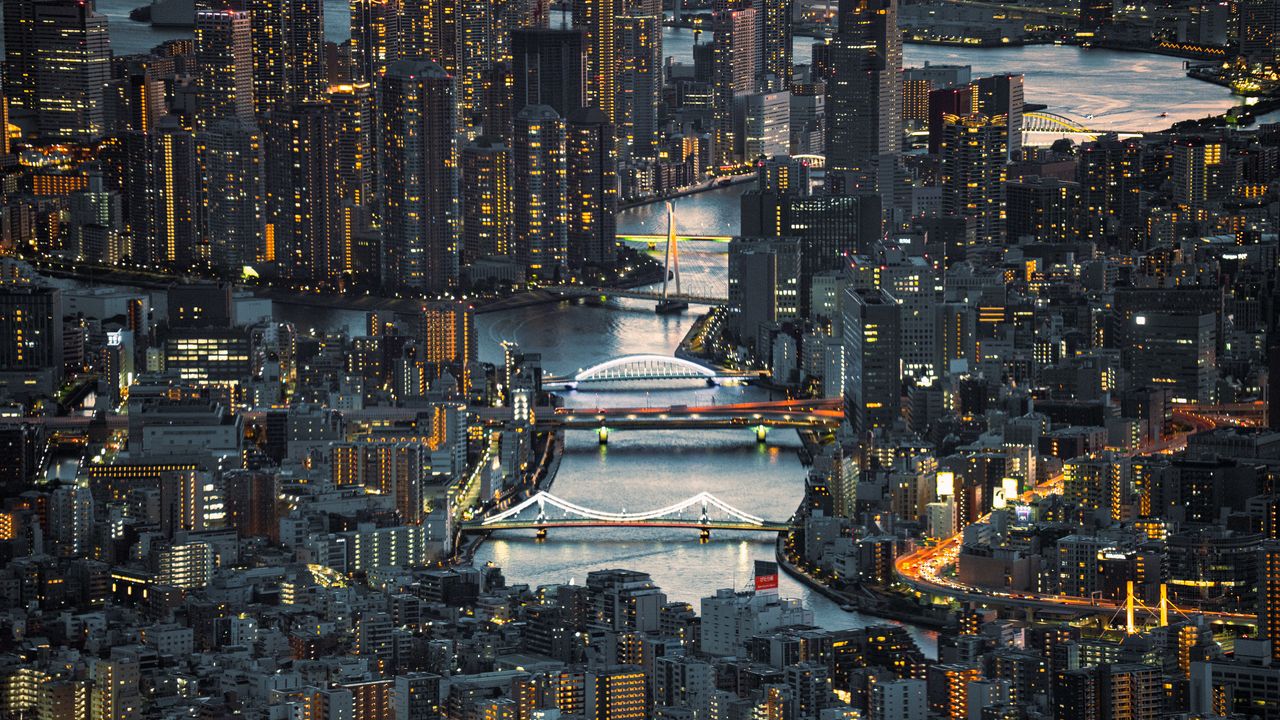
Seoul is a study in temporal collision. One moment, you are navigating the glass-and-steel canyons of Gangnam, where the rhythm is dictated by high-frequency trading and neon light; the next, you are stepping over a stone threshold in Jongno-gu into a courtyard that smells of rain-dampened cedar and centuries of tradition. This architectural duality defines the South Korean capital, making it one of the most compelling urban landscapes in Asia.
For the discerning traveler, the question isn't just where to stay, but which version of Seoul you wish to inhabit. The city’s rental market is currently split between two distinct philosophies. Approximately 27% of Seoul’s most highly-curated local stays are historic Hanoks—traditional Korean houses characterized by tiled roofs and inner courtyards—while the remaining 73% are modern high-rises that offer a glimpse into the city’s hyper-efficient future.
The best unique stays in Seoul include traditional 100-year-old Hanoks in the Jongno-gu district for those seeking cultural immersion, and modern luxury high-rise penthouses in Gangnam or near Seoul Station for those who prioritize sweeping views and proximity to transit. For first-time visitors, the Jongno-gu district remains the gold standard, placing landmarks like Gyeongbokgung Palace and Bukchon Hanok Village within a ten-minute walk.
The Stay Comparison: Tradition vs. Innovation
Before diving into specific properties, it is essential to understand the market dynamics. Data reveals that top-rated traditional Hanok stays in central Seoul carry an average premium price of $310 per night. This is approximately 114% higher than the average cost of modern studio rentals ($145) near Seoul Station. You are paying for heritage, preservation, and a significantly lower density of neighbors.
| Feature | Traditional Hanok | Luxury High-Rise |
|---|---|---|
| Average Price | $310 / night | $145 - $250 / night |
| Top District | Jongno-gu (Bukchon/Samcheong) | Gangnam, Mapo, Yongsan |
| Key Aesthetic | Wood, Stone, Paper, Courtyards | Floor-to-ceiling glass, Minimalism |
| Best For | History buffs, Slow travel, Couples | Business travelers, Families, K-Pop fans |
| Noise Level | Very Quiet (Residential zones) | Moderate (Urban pulse) |
For History Buffs: The 4 Best Traditional Hanok Stays
Living in a Hanok is an exercise in mindfulness. These structures were built according to Baesanimsu—the principle that the ideal house has a mountain at its back and a river in front. While the "rivers" are now paved streets, the mountain views remain.
1. The 100-Year-Old Hanok near Gyeongbokgung
This property is more than a rental; it is a piece of cinematic history, having served as a filming location for the renowned Korean film Architecture 101. Located in the heart of the Seochon district, it maintains its original structural integrity with exposed dark-wood beams and a central rock-filled courtyard that acts as a natural light well. Unlike many modernized Hanoks, this one retains its traditional "Yo" (floor bedding), though the underfloor heating (Ondol) ensures you are never cold.

2. The Delightful One-Bedroom (Jongno)
If the previous Hanok is a museum, this one is a spa. The highlight here is the Hinoki cypress bath, which fills the entire suite with a calming, evergreen scent. The owners have expertly blended a bamboo-filled courtyard with modern amenities like a high-end projector for movie nights. It is the perfect retreat for a solo traveler or a couple looking to disappear from the city's frantic pace.
3. Serene Samcheong-dong Hanok
Samcheong-dong is where Seoul’s artistic elite congregate. This Hanok reflects that demographic with its minimalist earth tones, a built-in soaking tub, and a rare feature in traditional Korean architecture: a working fireplace. It manages to feel both ancient and avant-garde.
4. Hanok Hotel DAAM
For those who want the Hanok aesthetic with the service of a boutique hotel, DAAM is a high-rated stay (averaging 9.0 on most review platforms). Situated steps from Changdeokgung Palace, it offers a more professionalized experience, including a curated breakfast and easy check-in, making it a "soft landing" for those new to traditional Korean living.
Expert Pro-Tip: Mastering the Ondol Korean Hanoks use Ondol, a unique underfloor heating system. Instead of looking for a thermostat on the wall that controls air temperature, look for a small control panel (usually near the light switches) that regulates the floor temperature. Setting it to 23-25°C is usually the "sweet spot" for a comfortable night.
For Luxury Seekers: Elite High-Rises
If the Hanok is about looking inward to a courtyard, the high-rise is about looking outward at the sprawling metropolis.
5. Gangnam Penthouse with Vertical Garden
Located in the "Beverly Hills of Seoul," this massive unit sleeps 10 and represents the pinnacle of Gangnam luxury. It features a stunning vertical indoor garden and floor-to-ceiling windows overlooking the Lotte World Tower. Interestingly, it includes a traditional wood-paneled tearoom, offering a nod to Korean heritage amidst the ultra-modernity.
6. Sleek Studio near Seoul Station
Accessibility is the primary draw here. This 24th-floor studio offers a panoramic view of the N Seoul Tower. However, the real "amenity" is access to the building’s 29th-floor rooftop terrace. Stocked with Aesop toiletries and featuring a high-spec kitchen, it is the quintessential executive rental.
7. Yongsan-dong Museum District Apartment
Yongsan is the city’s rising star, home to the National Museum of Korea. This apartment leans into a "Regency-era" vibe, featuring crystal chandeliers and velvet upholstery. It is an aesthetic outlier in Seoul, offering a maximalist European contrast to the city’s usual clinical minimalism.
View Availability for Seoul Luxury Stays →
For Culture & Trendsetters: Neighborhood-Specific Gems
Seoul’s neighborhoods are fiercely idiosyncratic. Where you stay says a lot about what you value—whether it’s the history of the Joseon Dynasty or the choreography of a K-pop video.
8. BTS-Themed Stay (Nonhyeon-dong)
Located in the quiet streets of Nonhyeon-dong, this apartment sits directly adjacent to the former dormitory where BTS lived during their trainee days. The owners have curated the space with subtle memorabilia and books that the members have recommended. It avoids being "kitschy," opting instead for a sophisticated, "if-you-know-you-know" atmosphere that appeals to global fans.
9. Design-Lover’s Retreat (Seong-dong)
Often called the "Brooklyn of Seoul," Seongsu-dong (in Seong-dong district) is a hub for industrial chic. This retreat features midcentury-modern furniture and is located a stone's throw from Seoul Forest Park. The host even provides loaner bikes—the best way to explore the local coffee roasteries.
10. Hongdae Chic Pied-à-terre
Hongdae is the heartbeat of youth culture. This minimalist apartment is designed for groups (fitting up to 6), offering a clean, white-on-white aesthetic that serves as a calm sanctuary above the neighborhood’s famous busking and nightlife.
11. Mountain-View Family Spot (Buam-dong)
Tucked between the peaks of Inwangsan and Bugaksan, Buam-dong feels like a mountain village despite being minutes from downtown. This rental is designed for families, featuring custom-built bunk beds and large windows that frame the granite peaks of the mountains.
Neighborhood Guide: Where Do You Belong?
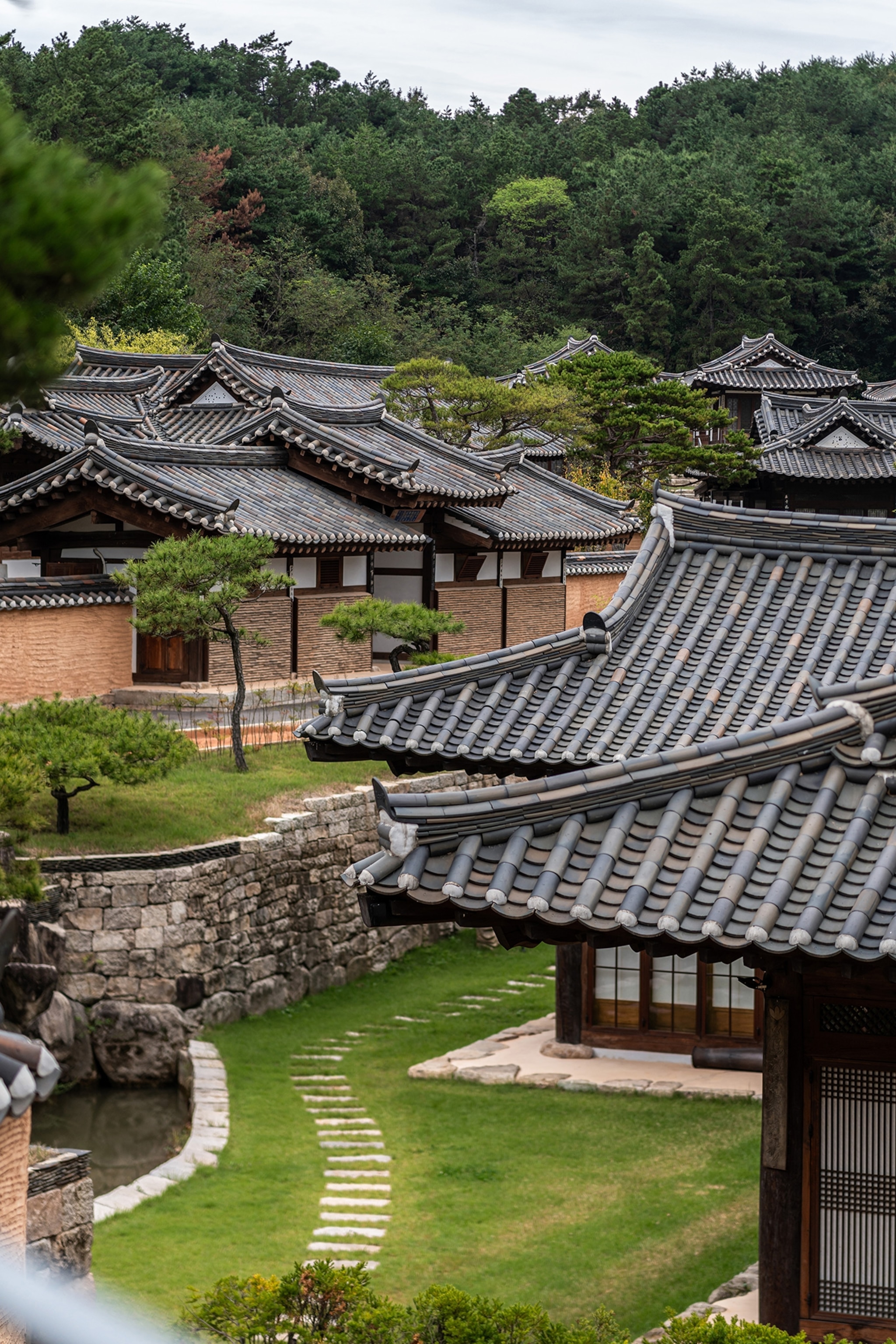
Expert Recommendation: Jongno-gu (The Cultural Core) If you are visiting Seoul for the first time, do not overthink it: stay in Jongno-gu. This is the only place in the city where you can walk out of a 500-year-old palace and into a world-class art gallery. It is the center of the "Old Seoul" charm.
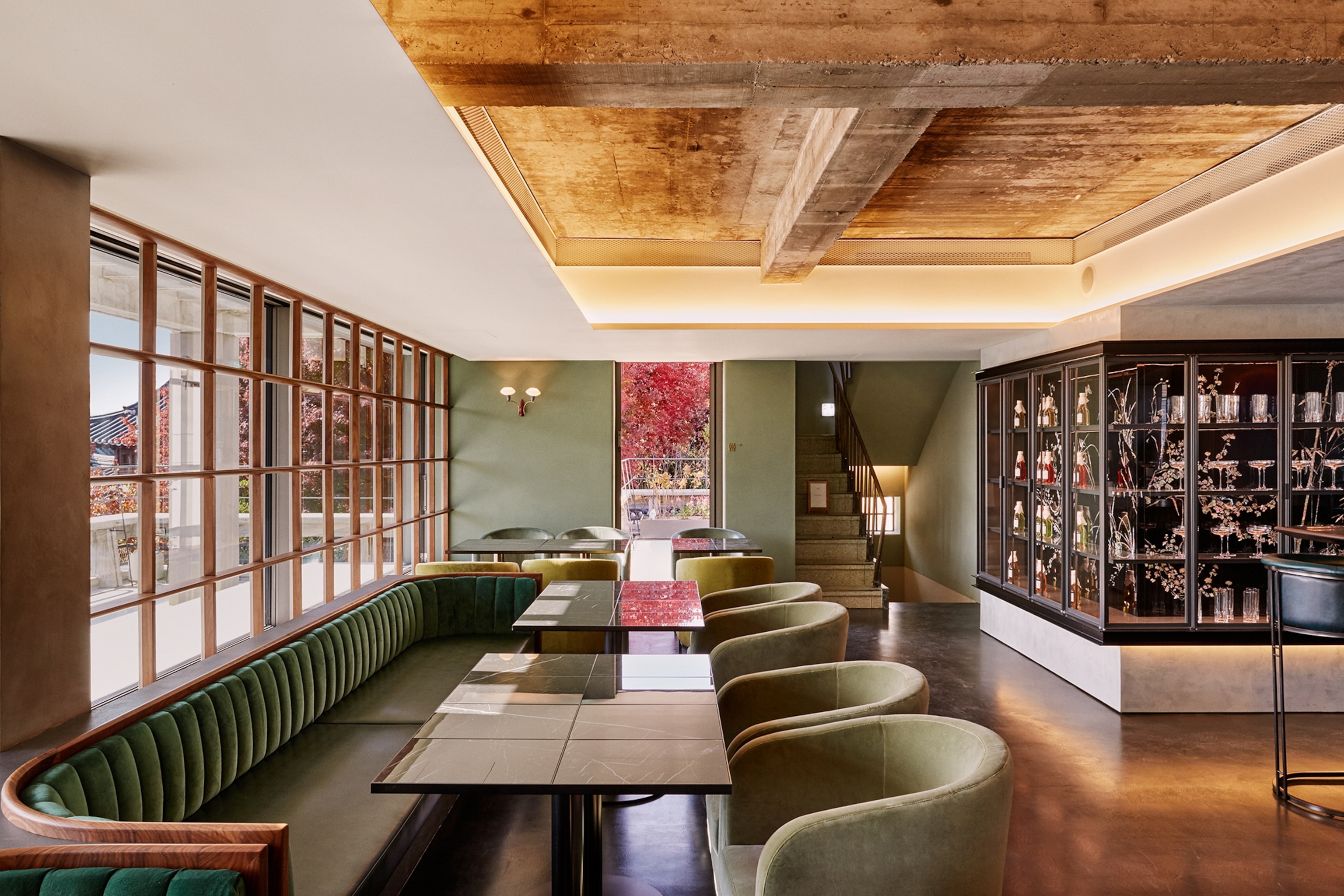
Expert Recommendation: Gangnam (The Global Hub) Gangnam is for the traveler who wants efficiency. Everything here—from the medical spas to the underground shopping malls—is designed for speed and high-end consumption. It is the best place for those who want a "New York" energy.
Expert Recommendation: Hongdae & Mapo (The Creative Pulse) Stay here if you want to be at the center of the city’s nightlife and indie music scene. Mapo is also a leader in sustainable urban design, with many apartments overlooking the Gyeongui Line Forest Park, a "High Line" style park built on old railway tracks.
Expert Recommendation: Yongsan (The International Nexus) Home to the massive Yongsan Family Park and the Itaewon district, this area is the most "international" part of Seoul. It’s perfect for those who want a diverse food scene ranging from authentic Halal to high-end French bistros.
Travel Logistics for 2026
Seoul’s infrastructure is arguably the best in the world, but there are nuances to navigating it as a "local."
- Best Time to Visit: Spring (April to June) offers the cherry blossoms and the Lotus Lantern Festival, while Autumn (September to November) provides crisp air and the city’s most vibrant foliage. Winters are biting but offer the best prices for Hanok stays.
- The T-Money Card: This is your lifeblood. It works for the subway (over 300 stations), buses, and even taxis and convenience stores. You can purchase and top it up at any "CU" or "GS25" store.
- Language & Navigation: Download Naver Maps or KakaoMap. Google Maps is notoriously unreliable for walking directions in South Korea due to government security regulations on geographic data.
Expert Pro-Tip: The Trash System South Korea has one of the world's strictest recycling systems. If you are staying in an Airbnb, ask your host for the "standard plastic bags" (Sseuregi Bongtu). You cannot use regular grocery bags for trash; you must buy district-specific bags from the local convenience store. Failure to do so can result in heavy fines for the homeowner.
FAQ
Q: Is it difficult to sleep on the floor in a traditional Hanok? A: Most "premium" Hanok rentals now provide high-quality memory foam mattresses inside the traditional silk covers. It’s surprisingly comfortable, though side-sleepers might prefer a modern high-rise with a western-style bed.
Q: Can I find Airbnbs near the BTS sites? A: Yes, the Nonhyeon-dong and Gangnam areas are densely packed with modern rentals within walking distance of the old Big Hit Entertainment building and the members' favorite local eateries.
Q: Is Seoul safe for solo female travelers? A: Seoul is consistently ranked as one of the safest cities in the world. The "safe" feeling is bolstered by 24-hour convenience stores and well-lit public transit.
Final Thoughts
Whether you choose the quiet contemplation of a Jongno Hanok or the neon-soaked luxury of a Gangnam penthouse, Seoul offers a level of hospitality that is both deeply rooted in tradition and aggressively focused on the future. To live like a local here is to embrace that tension—to enjoy your morning tea on a wooden porch and your evening cocktail on a 50th-floor rooftop.