Quick Facts: Paris at a Glance
- Cheapest Months to Visit: January, February, and mid-November to mid-December.
- Best Time for Fewer Crowds: Mid-week during the shoulder seasons (April, May, September, and early October).
- Average Savings: Visiting in January or February 2026 can yield hotel price drops of 30-40%, saving travelers between €420 and €560 per week.
- The "Sweet Spot": September offers a 30-40% reduction in crowd density compared to the August peak, with pleasant temperatures ranging from 15°C to 23°C (59°F–73°F).
- Recommended Duration: 4 to 5 days to experience major landmarks and hidden arrondissements without the rush.
It is a truth universally acknowledged among seasoned travelers that Paris belongs to those who time their arrival with precision. There is a specific, almost electric magic to the City of Light when the sweltering queues of July dissipate, replaced by the crisp clarity of an autumn morning or the quiet, monochromatic elegance of a winter afternoon. While the allure of a Parisian summer is immortalized in cinema, the reality of the peak season often involves navigating a sea of selfie sticks and paying a premium for the privilege.
For those prioritizing value over sunshine—and for the discerning traveler who prefers flânerie (the art of aimless wandering) without the elbow-to-elbow congestion—the calendar for 2025 and 2026 offers distinct windows of opportunity. Whether you are hunting for the lowest possible airfare or seeking that elusive balance of mild weather and manageable museum lines, timing is your most valuable currency.
The Budget Traveler’s Paradise: January and February 2026
If your primary objective is to experience the grandeur of Paris on a lean budget, the "Deep Off-Season" of January and February is your undisputed champion. Following the exuberant (and expensive) festivities of New Year’s Eve, the city enters a period of quiet introspection. It is during this time that the economic landscape of Parisian tourism shifts dramatically in favor of the traveler.
Statistically, travelers visiting in January and February 2026 can expect hotel prices to be 30-40% lower than the summer peaks. In practical terms, this translates to a potential weekly saving of €420 to €560 on mid-range accommodations—funds that are much better spent on a multi-course tasting menu in the 11th Arrondissement or a private guided tour of the Opéra Garnier.
Expert Tip: The January "Soldes" Paris holds two government-regulated sales periods per year. The winter Soldes typically begin in the second week of January and last for four weeks. This is the only time major department stores like Galeries Lafayette and Le Bon Marché, as well as independent boutiques, are legally allowed to offer deep discounts (up to 70% off) on high-end fashion and home goods.
The trade-off for these savings is, of course, the weather. Expect temperatures between 3°C and 9°C (37°F–48°F) and roughly 8 to 9 hours of daylight. However, the maritime influence prevents extreme arctic temperatures, and the damp, gray skies only serve to enhance the cozy atmosphere of the city’s historic cafes. There is no better time to find a corner table at Les Deux Magots and linger over a chocolat chaud for hours without the pressure to vacate your seat for the next tourist in line.
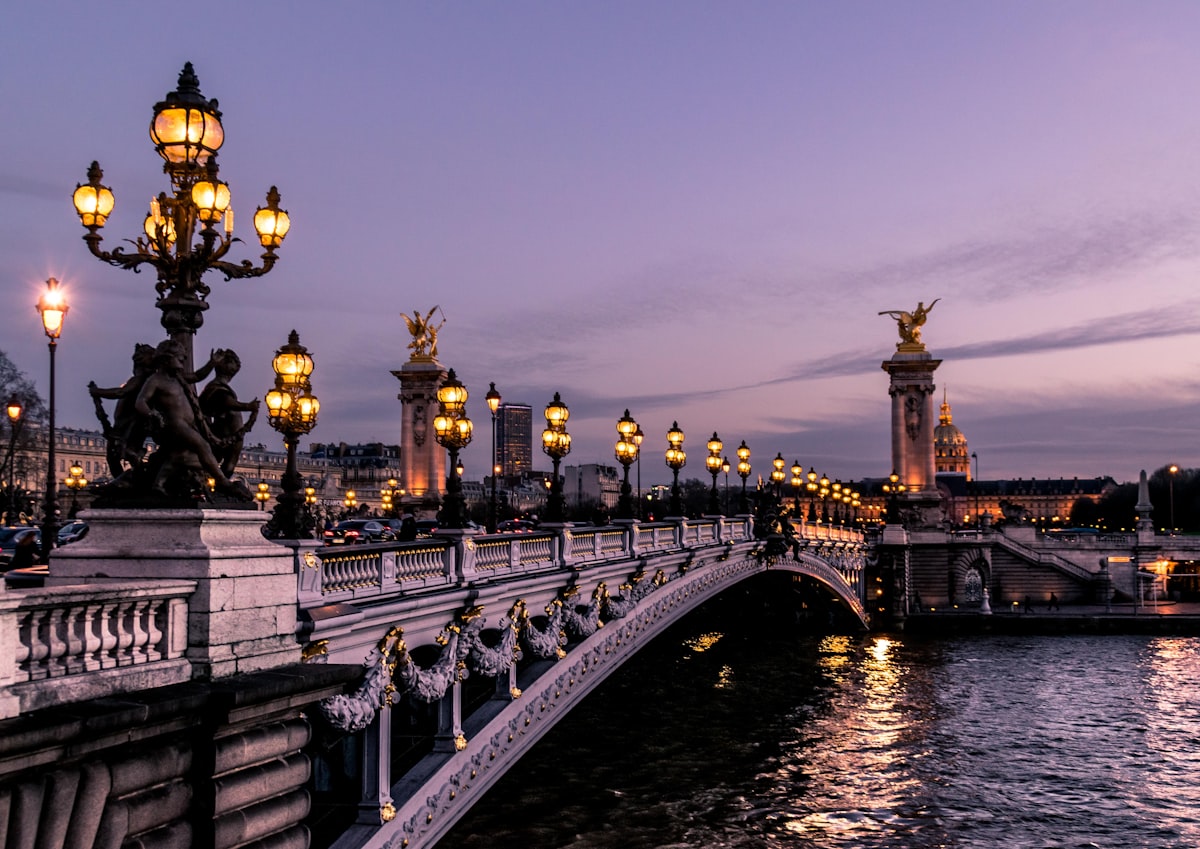
The Sweet Spot: Shoulder Seasons in 2026
For many, the biting wind of February is a price too high to pay. If you seek the "Goldilocks" zone—where the weather is kind and the crowds are thinning—the shoulder seasons of spring and autumn are unrivaled.
The Spring Awakening (April & May)
As the chestnut trees along the Champs-Élysées begin to bloom, Paris sheds its winter coat. While April can be fickle ("En avril, ne te découvre pas d'un fil" – in April, don’t remove a thread of clothing), the latter half of the month and the entirety of May offer spectacular visual rewards. Museum wait times remain moderate compared to the summer crush, and the Tuileries Garden becomes a living impressionist painting.
The Golden Autumn (September & October)
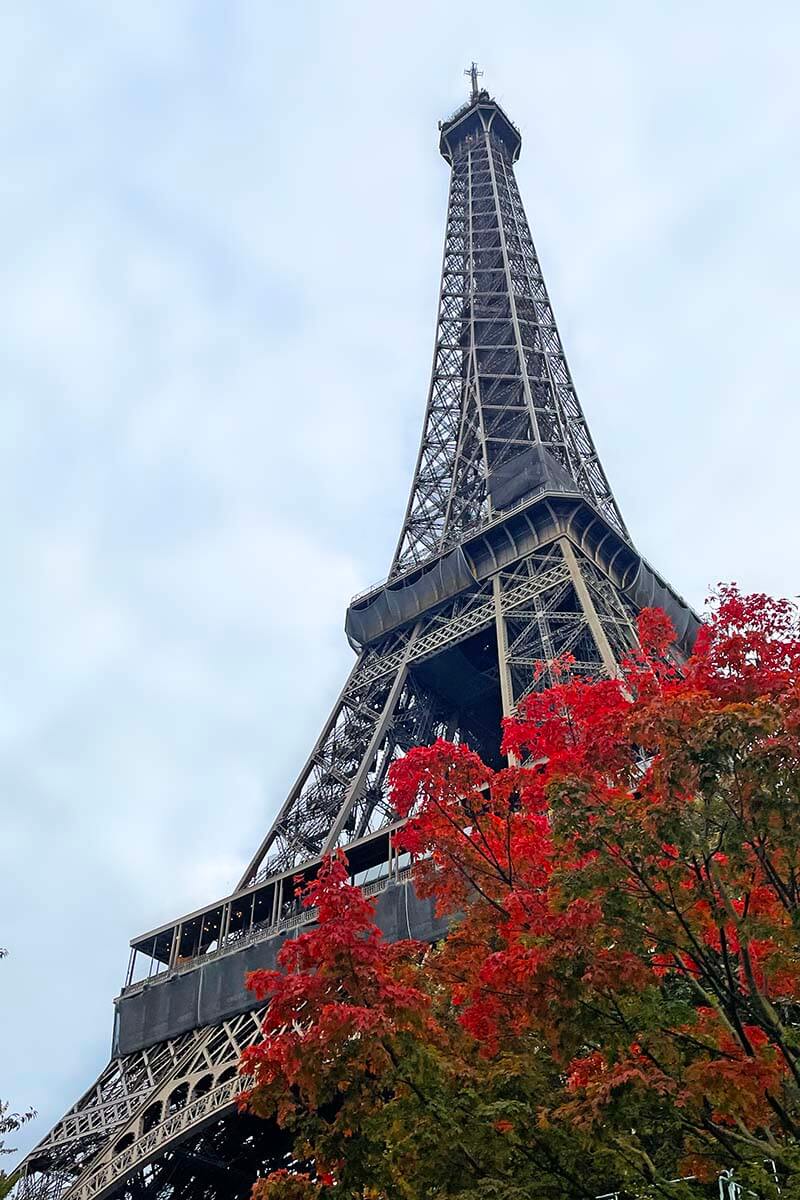
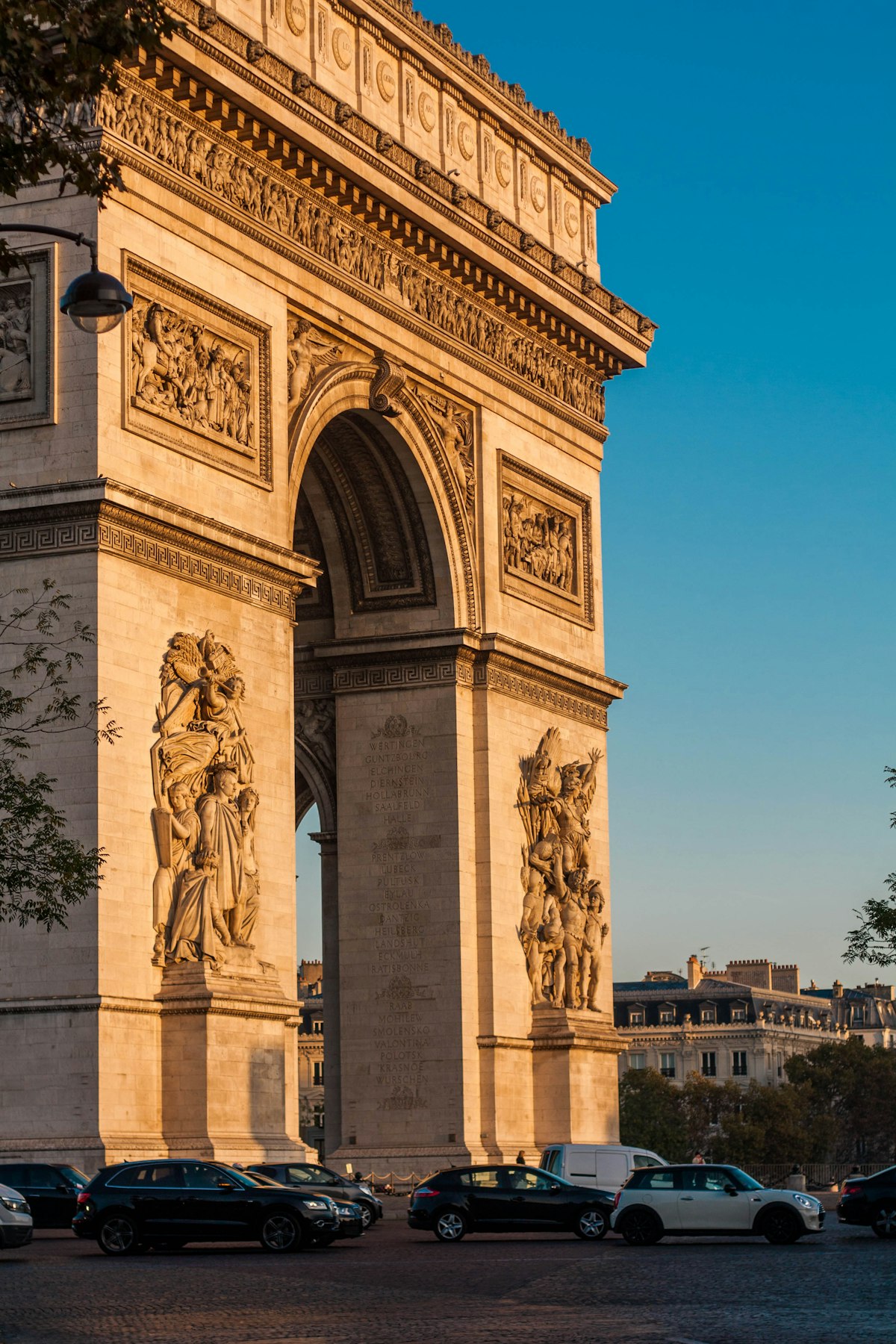
In my professional estimation, September is the single best month to visit Paris. There is a palpable energy as Parisians return from their August vacations—a phenomenon known as La Rentrée. While the city is bustling with locals, the tourist density at major sites like the Eiffel Tower and the Arc de Triomphe drops by 30-40% compared to August. The weather remains sublime, often hovering between 15-23°C (59-73°F), making it the ideal season for long walks along the Seine.
October brings the vendanges (grape harvests), most notably in Montmartre. The air turns crisp, the light turns a honeyed gold, and the city’s parks transform into a riot of burnt oranges and deep reds.
When to Avoid the Crowds: Peaks and Pitfalls
Navigating the Parisian calendar requires an understanding of certain cultural and commercial peaks that can cause prices to skyrocket and sidewalks to vanish.
- The August Paradox: Many travelers assume August is the peak time to visit. While it is true that international tourist numbers are high, most Parisians flee the city for the coast. This results in many local boulangeries and bistros closing for the month. You are left with a city that feels like a museum—crowded with visitors but lacking its authentic local pulse.
- Fashion Week Influx: Paris Fashion Week (occurring in late February/early March and late September/early October) is a logistical nightmare for the budget-conscious. Hotel occupancy reaches near 100%, and even basic bistros near the show venues (Tuileries, Palais de Tokyo) become impossible to book.
- The Holiday Rush: Late December is undeniably romantic with its Christmas markets and lights, but it is also one of the most expensive times to visit. Expect "peak of peak" pricing from December 20th through January 2nd.
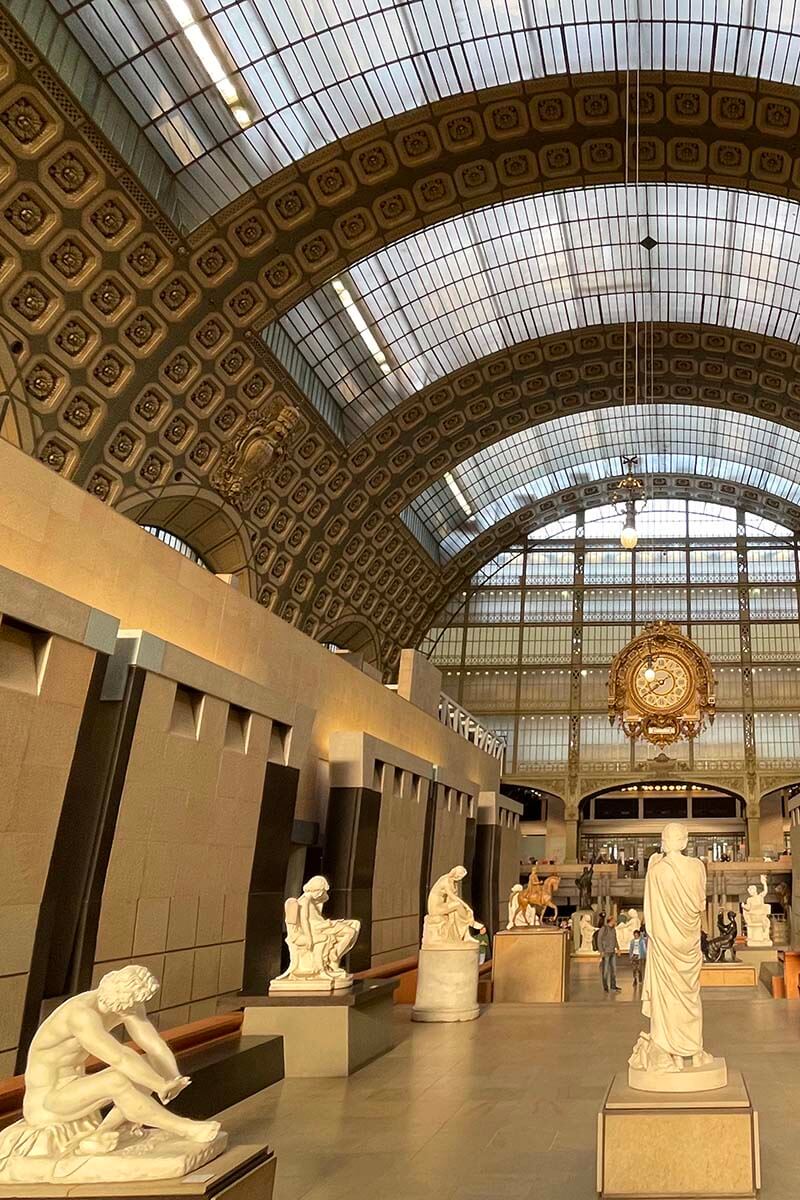
Expert Tip: The Tuesday-Thursday Rule If your schedule allows, plan your "heavy" sightseeing (The Louvre, Orsay, Versailles) for Tuesday through Thursday. Weekend crowds are bolstered by European "city-breakers" and local day-trippers, often resulting in 30-40% longer wait times than mid-week.
Maximizing Your 4-5 Day Itinerary
First-time visitors often make the mistake of trying to "do" Paris in a weekend. To truly appreciate the city’s layers—from its Roman foundations at the Arènes de Lutèce to the modern glass of the Fondation Louis Vuitton—you need at least 4 to 5 days. This duration allows for a leisurely pace, ensuring you don't succumb to "museum fatigue."
A Strategy for Serenity
- Day 1-2: Focus on the "Grand Sites" but arrive early. Aim to be at the museum gates by 9:00 AM. By the time the large tour groups arrive at 11:00 AM, you should be heading toward a quiet neighborhood for lunch.
- Day 3: Dedicate this to a specific neighborhood like the Marais or Saint-Germain-des-Prés. This is the day for flânerie—no set agenda, just observation.
- Day 4-5: Head to the fringes. Explore the Canal Saint-Martin or the heights of Parc de Belleville. These areas offer a glimpse into contemporary Parisian life, often at a lower price point for dining and drinks.
Practical Budget Hacks for 2026
High-quality travel doesn't always require high-end spending. By adopting a few local habits, you can significantly stretch your Euro.
Metro Mastery
Avoid individual tickets and look into the Navigo Découverte pass. For a small fee plus the weekly fare (covering Monday to Sunday), you get unlimited travel on the Metro, RER, and buses. If you arrive mid-week, a "Carnet" of 10 digital tickets is often the most flexible option.
The Art of the "Formule"
For the best culinary value, make lunch your main meal. Most bistros offer a formule (a set menu of 2 or 3 courses) for a fraction of the price of the dinner menu. It is the most authentic way to experience high-quality French cooking without the evening price tag.
Boulangerie Picnics
In the warmer months, do as the Parisians do: grab a fresh baguette (usually less than €1.20), some Comté cheese from a fromagerie, and a bottle of wine. Find a spot along the banks of the Seine or the Canal Saint-Martin. It is, quite simply, the best seat in the house.
Seasonality Comparison Table
| Season | Pricing | Crowd Density | Best For |
|---|---|---|---|
| Winter (Jan-Feb) | Lowest (30-40% off) | Very Low | Budget travelers, shoppers, museum lovers |
| Spring (Apr-May) | Moderate | Medium | Garden enthusiasts, photographers |
| Summer (Jun-Aug) | Highest | Very High | Nightlife, festivals (but expect heat) |
| Autumn (Sept-Oct) | Moderate | Low to Medium | Foodies, pleasant walks, autumn colors |
FAQ: Your 2025-2026 Paris Travel Questions Answered
Is it worth visiting Paris in the winter despite the rain? Absolutely. Paris is a city built for interiors. Its world-class museums, covered passages (passages couverts), and historic tea rooms provide endless sanctuary. Furthermore, the 30-40% savings on hotels can often mean the difference between staying in a cramped budget hotel or an elegant boutique property in the heart of the city.
When is the best time to book flights for a 2026 trip? Generally, for international travel to Paris, the "sweet spot" for booking is 4 to 6 months in advance. For a January trip, start monitoring prices in August. Use price tracking tools to alert you to fare drops, especially during "Black Friday" sales which often include major European carriers.
Are museums free on certain days? Many national museums, including the Louvre (on certain Friday evenings) and the Musée d'Orsay (first Sunday of the month), offer free admission. However, be warned: these days are exceptionally crowded. If your goal is to avoid crowds, it is often worth paying the entry fee on a quiet Tuesday morning instead.
Conclusion: Making the City of Light Your Own
Paris is not a monolithic destination; it is a city of seasons, each offering a different version of its soul. If you seek the lowest prices, let the winter chill guide you to the cozy hearths of the Rive Gauche. If you seek the perfect balance of light and space, let the September "Rentrée" be your window. By timing your visit to avoid the predictable peaks, you don't just save money—you gain a more intimate, authentic connection to one of the world's most enduring cities.