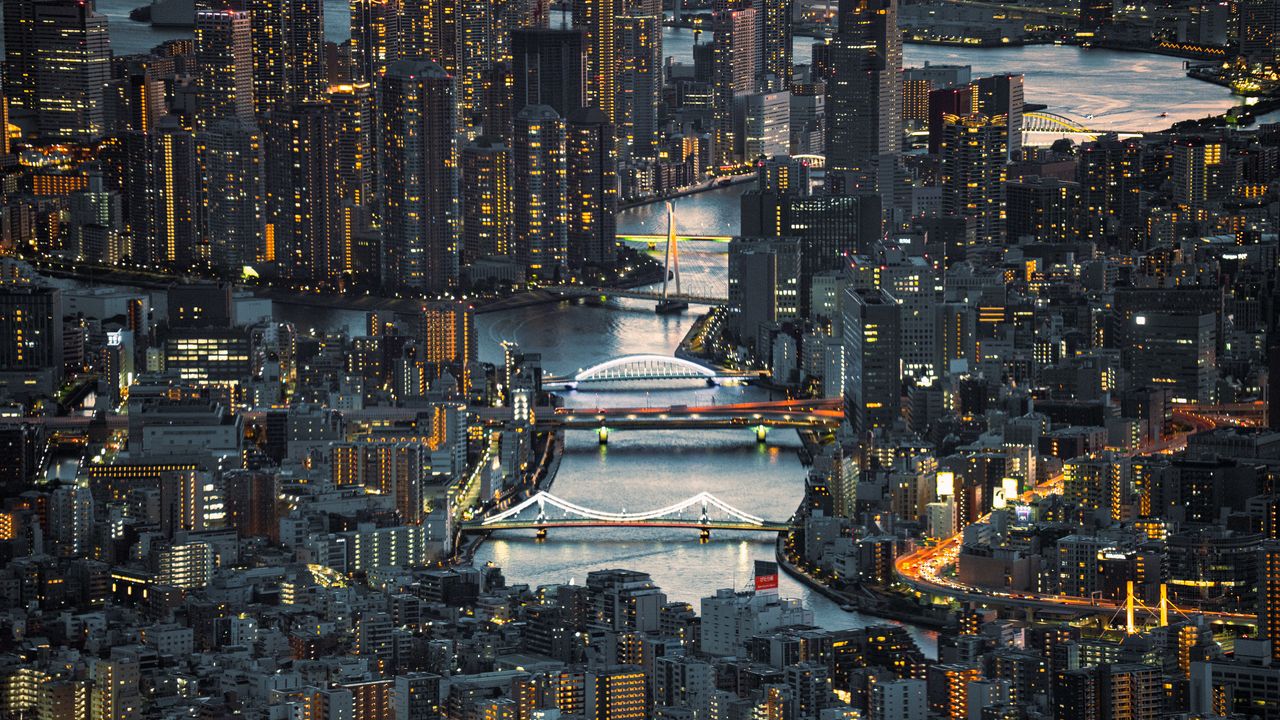
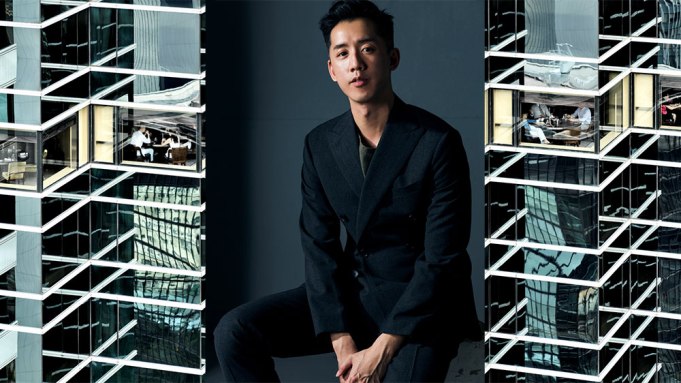
The blue hour in Tokyo is not a pause, but a pivot. It is that electric moment when the relentless hum of a thousand offices shifts gears, transforming the city into a sprawling stage for neon-lit dinners and high-octane nights. For Ariel Stark-Benz, the founder of the California-born lifestyle brand Mister Green, this transition is the very essence of the city. Having recently navigated the labyrinthine process of opening his Tokyo flagship in the heart of Shibuya—a feat involving a staggering execution list of over 100 items ranging from local HR operations to meticulous merchandising—Stark-Benz has developed a survivor’s map of the city.
In 2026, Tokyo feels more vital than ever. The city has managed to preserve its quiet, artisanal soul while embracing a new wave of international influence. It is a place where you can spend your morning debating the nuances of a heritage-stitch bag and your midnight debating the merits of a three-Michelin-starred tasting menu versus a convenience store sandwich. This is Tokyo through the eyes of a man who builds brands out of "psychedelic casuals" and cultural curiosity.
The Shopping Circuit: From Heritage Bags to Vintage Magazines
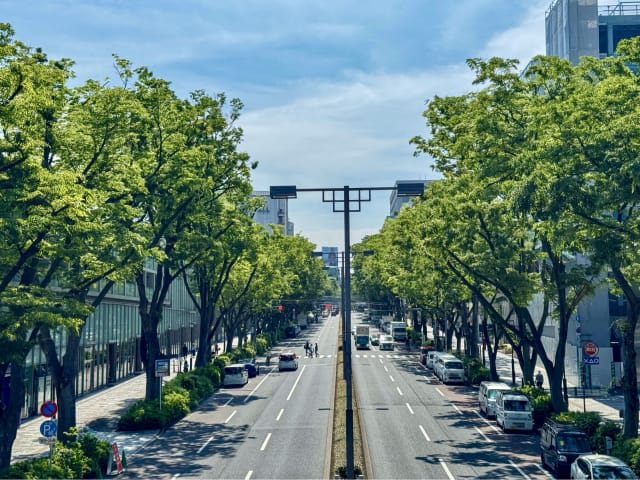
Shopping in Tokyo is an exercise in intentionality. It is rarely about the "mass" and always about the "mastery." For Ariel, the journey often begins in the leafy, sophisticated corridors of Omotesando.
Yoshida Porter (Omotesando Dori) While the Porter brand is a global icon, the Omotesando flagship is a sanctuary of Japanese craftsmanship. Stark-Benz points to this location not just for the luggage, but for its curated ecosystem. It’s a place where you find rare art books and exclusive Made-in-Japan Converse sneakers that never see the light of day in Western markets. The smell of tanned leather mingles with the scent of high-quality paper, creating a temple for the modern traveler.
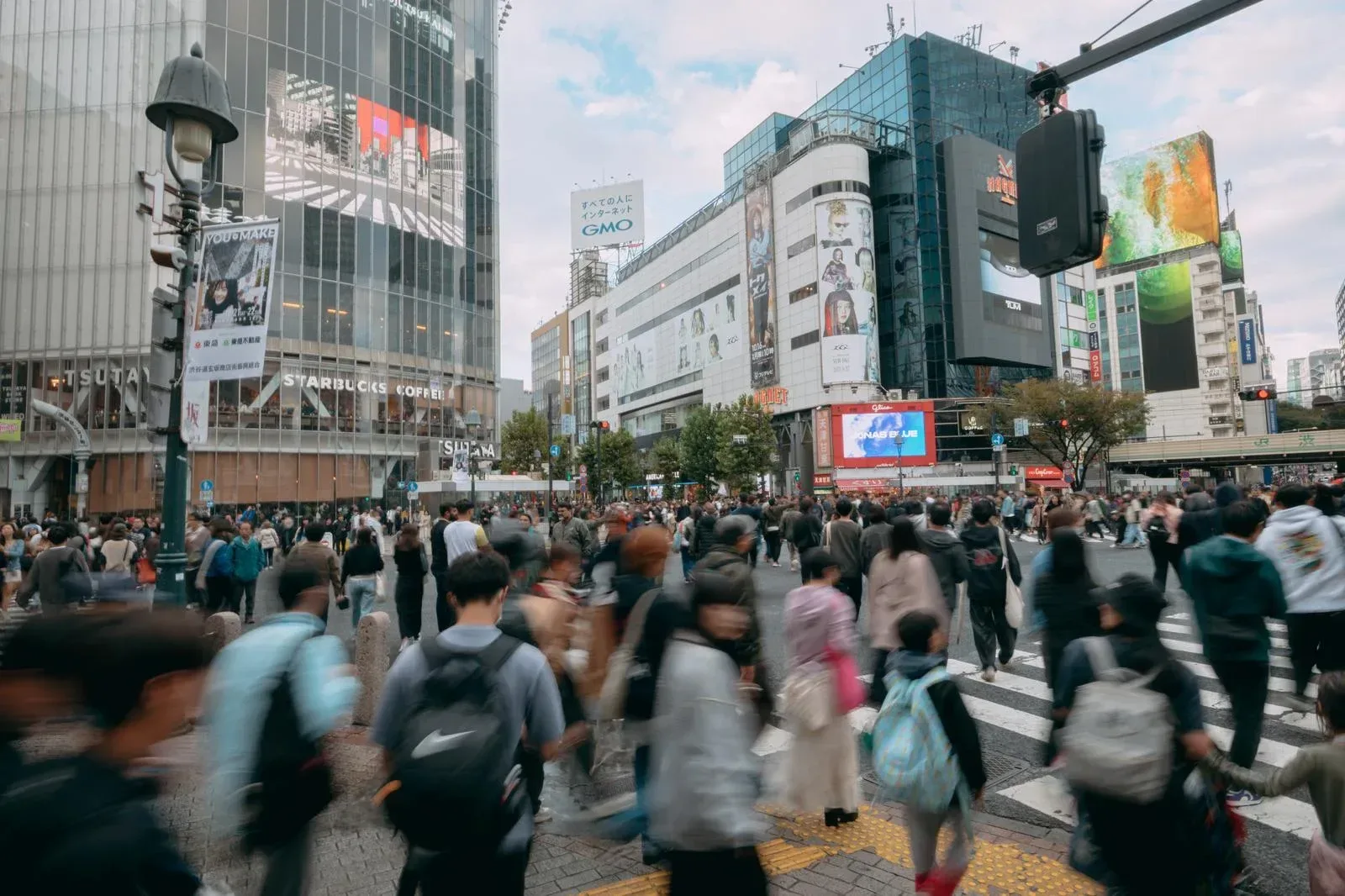
Nepenthes (Shibuya) In the backstreets of Shibuya, Nepenthes stands as the home of "psychedelic casuals." It is the parent house to brands like Needles and South2 West8, known for their subversion of classic Americana. For Stark-Benz, this is the destination for unique apparel that defies standard sizing and expectations—think tracksuits with butterfly embroidery and reimagined workwear that feels like it belongs in a high-end vintage archive.
Spotlight: The Collector’s Corner Jimbocho Vintage Hunting: If you are looking for creative fuel, take the subway to Jimbocho. This is Ariel’s go-to district for vintage magazines and children’s books. The stacks are tall, the aisles are narrow, and the thrill of finding a 1970s Japanese design journal is unparalleled.
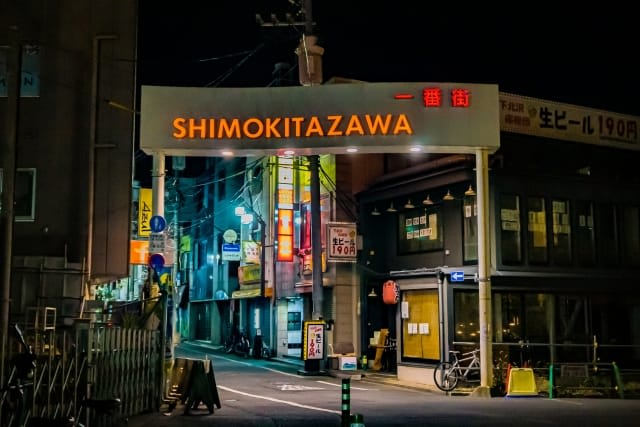
Gallery Target To understand the intersection of art and retail, one must visit Gallery Target. It bridges the gap between the "street" and the "white cube," showcasing artists who influence the very brands Stark-Benz admires. It’s less about shopping for a product and more about shopping for a perspective.
The Culinary High-Low: Michelin Stars vs. Konbini Classics
Tokyo’s food scene in 2026 is a study in extremes. The 2026 Michelin Guide Tokyo has highlighted 18 new star-rated restaurants, cementing the city's status as the world’s gastronomic capital. Most notably, SEZANNE has ascended to the elite three-star category, offering a French-inspired precision that is breathtaking. Yet, for Ariel, the soul of Tokyo is found in the "high-low" contrast.
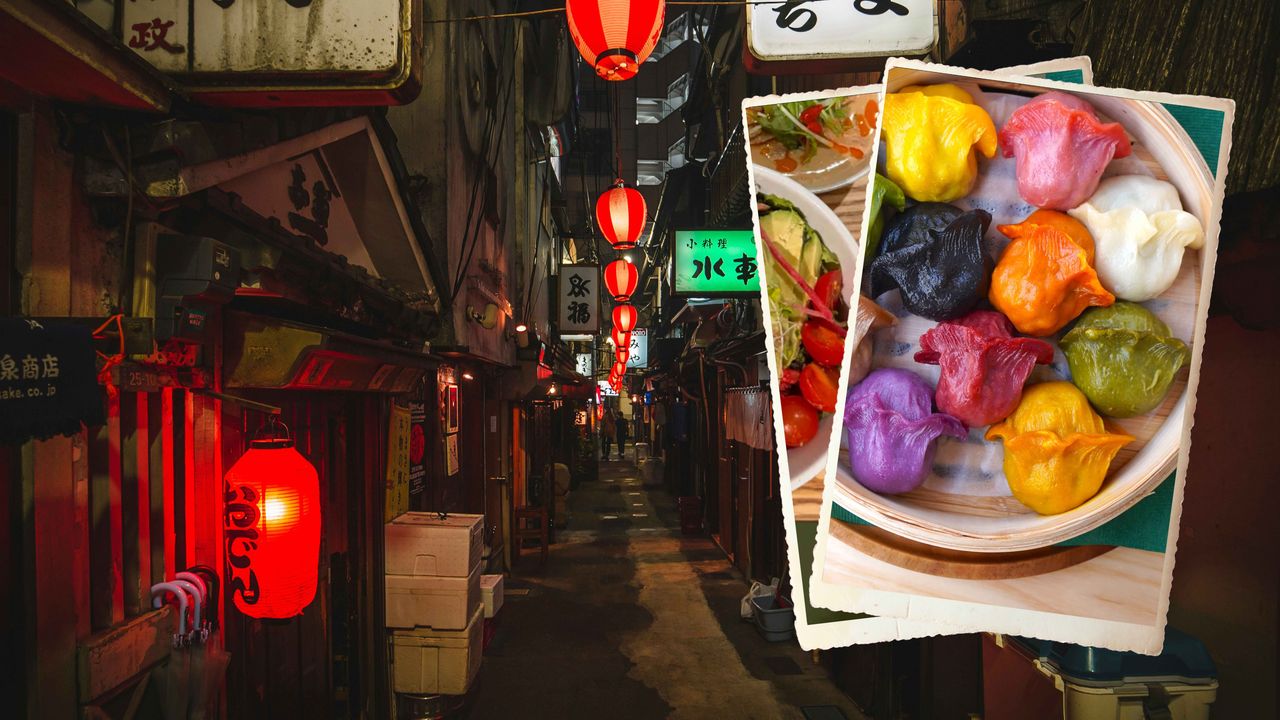
Narukiyo (Shibuya) This is not a place for the faint of heart or the lover of quiet linens. Narukiyo is a boisterous, underground izakaya where the owner’s personality is as loud as the music. The essential order? The steak and tomatoes. It sounds simple, but the quality of the beef paired with the acidity of perfectly ripe Japanese tomatoes creates a flavor profile that is foundational to a night out in Shibuya.
Zuicho When the craving for comfort hits, Stark-Benz heads to Zuicho for katsu-don. There is no menu—only the choice of how you want your egg. The katsu is fried to a golden, shatteringly crisp perfection, nestled atop a bowl of steaming rice and glazed in a savory-sweet dashi. It is a masterclass in doing one thing perfectly.
The Lawson Egg Sandwich No Tokyo insider guide is complete without acknowledging the "konbini" (convenience store). For Stark-Benz, the Lawson egg sandwich remains the ultimate, essential comfort food. "It’s the first thing I eat when I land and the last thing I think about when I leave," he admits. There is something in the creamy, yolk-heavy filling and the cloud-like crustless bread that defies culinary logic.
Explore the 2026 Michelin Guide →
The Caffeine Routine: Tokyo’s Best Brews
In a city that never stops, coffee is the fuel that maintains the rhythm. Tokyo’s coffee culture has evolved into a sophisticated ritual, blending Scandinavian minimalism with Japanese precision.
Fuglen Tokyo Located near Yoyogi Park, Fuglen is the morning standby. Opening earlier than most Tokyo boutiques (which often don't open until 11:00 AM or noon), it serves as a gathering spot for the city’s early risers and creative class. The vintage Norwegian furniture and the light-roast beans offer a gentle entry into the day.
Chop Coffee For those who prefer their caffeine cold and potent, Chop Coffee in Omotesando is noted for having the best cold brew in the city. It is concentrated, smooth, and serves as the perfect companion for a long walk through the back alleys of Harajuku.
2026 Quick Reference: Morning Coffee Guide
| Shop | District | Specialty | Opening Time |
|---|---|---|---|
| Fuglen | Tomigaya | Light Roast / Scandinavian Vibes | 08:00 AM |
| Chop Coffee | Omotesando | Best Cold Brew | 10:00 AM |
| Hotel Drugs | Jingumae | Community Atmosphere / Latte | 09:00 AM |
| Blue Bottle | Shibuya | Precision Pour-over | 08:00 AM |
Where to Stay and How to Navigate in 2026
When choosing a base, the tension between the "Business Trip" and "Local Life" is real. For Ariel Stark-Benz, the Cerulean Tower Tokyu Hotel in Shibuya offers the ultimate convenience. It provides the scale and service of a major international hub while keeping you seconds away from the pulse of the district where the Mister Green flagship resides.
However, 2026 has seen a rise in "neighborhood stays"—boutique hotels like Trunk(Hotel) or smaller Ryokan-style modern guesthouses in Setagaya that offer a more grounded, residential experience. Navigating the city effectively means embracing the "workday-to-party" flow.
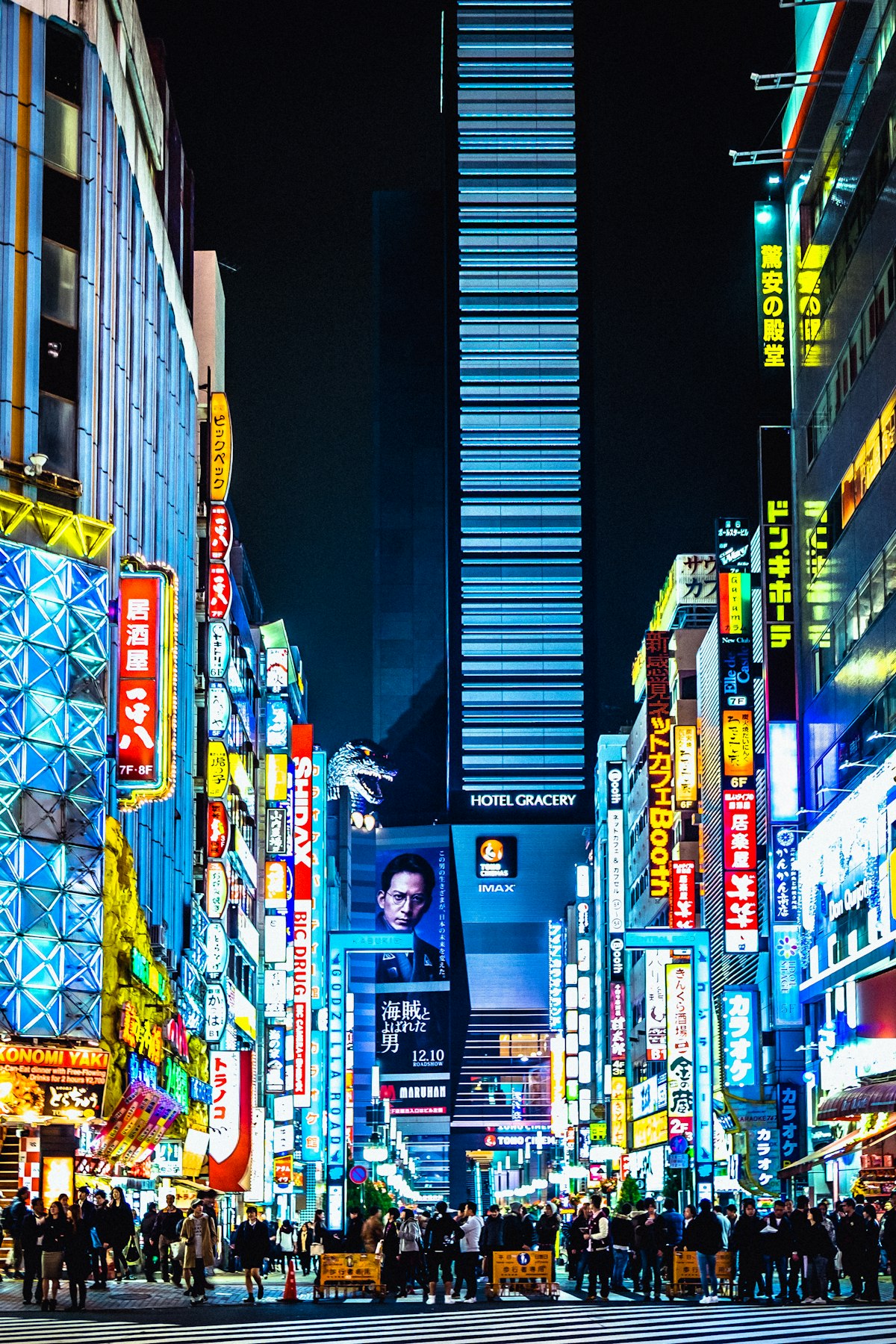
The 2026 pulse of Tokyo is centered firmly in the Shibuya and Shinjuku axis. These districts have undergone significant redevelopment, offering multi-level entertainment complexes that blend shopping, dining, and nightlife seamlessly. For the business traveler, it's about balancing a 100-item execution list with "manufactured downtime"—those stolen moments in a quiet shrine or a hidden vinyl bar.
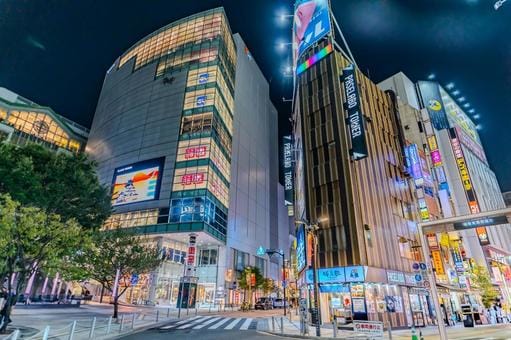
As the sun sets over the Shinjuku skyline, the city doesn't sleep; it simply changes its outfit. From the precision of a Yoshida Porter bag to the messy joy of an izakaya steak, Tokyo remains a city of layers, waiting for those with the patience to peel them back.
FAQ
What makes the Mister Green Tokyo store unique compared to its US locations? The Tokyo flagship is a deep dive into local collaboration. While it carries the core Mister Green aesthetic, it incorporates Japanese-exclusive merchandise and was built with a focus on integrating into the specific "street culture" of Shibuya, reflecting the meticulous detail required by the local market.
Is it difficult to get into the Michelin-starred restaurants like SEZANNE? Yes, reservations for top-tier restaurants like SEZANNE or the 18 new starred entries in the 2026 guide often require booking months in advance. However, many high-end spots offer lunch menus that are more accessible both in terms of price and availability.
What is the best way to travel between these districts? The Tokyo subway remains the gold standard. However, for the Shibuya-Omotesando-Harajuku circuit, walking is highly recommended. These neighborhoods are best experienced through the small details found in the narrow side streets that the trains bypass.