The city does not wake all at once; it breathes in staccato rhythms. In the nascent light of a Venetian spring, the morning mist—the caigo—clings to the green-black water of the canals like a silken veil, blurring the edges of Gothic palazzos until they appear as shimmering ghosts of the Serenissima. For those who know her, this is the city's most honest season. Between the exuberant, mask-clad chaos of Carnival and the heavy, humid crowds of Easter, there exists a rare window of profound tranquility.
If you are wondering when the absolute best time for a spring trip to Venice is, look to the weeks immediately following the conclusion of Carnival. During this interval, the city regains its heartbeat, offering a sanctuary of quiet before the peak season deluge. It is a time when the "living city" emerges from behind the tourist facade, guided by the wisdom of those who have spent lifetimes deciphering its stones.
One such guide is Alberto Toso Fei, a renowned Venetian author and historian who views the city not as a museum, but as a living anthology of myths. To see Venice through his eyes this spring is to move away from the frantic checklists and into the slow, sensory experience of a city reclaiming its rhythm. While 2026 tourism data indicates a widening spectrum for curated travel—with ultra-luxury lagoon cruises now commanding upwards of $117,000—the most profound Venetian experiences remain those that cost nothing more than a curious spirit and a pair of sturdy walking shoes.
I. Timing Your 2026 Venetian Escape
Spring in Venice is a mercurial beauty. March and April bring a palette of silver and gold, where sudden rain showers are quickly chased away by a sun that feels both gentle and revitalizing. Planning your visit for the "sweet spot"—the period between the end of Carnival and early April—allows you to witness the city's physical transformation.
"Venice is a fish," Alberto Toso Fei often says, referencing the city's shape from above. "In the spring, the scales of this fish begin to shimmer differently as the light changes. You must learn to walk with your head up, watching the reflections on the ceilings of the sottoporteghi."
Logistically, 2026 introduces new layers to the Venetian experience. Travelers must navigate the updated Tourist Tax system, which ranges from €3 to €10 per night depending on the day's projected occupancy. Booking your entry early via the official portal is no longer just a suggestion; it is the key to a seamless arrival. Furthermore, while the luxury market is booming, the 2026 season shows a distinct trend toward "authenticity over artifice," with 45% of culturally-focused travelers now prioritizing the residential Sestiere of Santa Croce over the more crowded San Marco or Rialto districts.
II. The 3-Day 'Author’s Choice' Itinerary
To truly inhabit the city, one must balance the monumental with the minute. This itinerary is designed to lead you through the grandeur of the Republic while ensuring you find the pockets of silence where the "real" Venice still resides.
Day 1: The Iconic Heart and Hidden Altitudes
Begin your journey at the break of dawn. Sunrise at St. Mark’s Basilica is a spiritual experience; by 10 AM, the square will experience a 400% surge in foot traffic, but at 6:30 AM, it belongs to the pigeons and the poets.
Instead of waiting in the grueling lines for the Campanile di San Marco, take a short vaporetto ride across the water. The bell tower on San Giorgio Maggiore island sits directly opposite the Palazzo Ducale and provides the most breathtaking panoramic view of the entire city. It offers the same altitude as St. Mark’s but with significantly fewer tourists, allowing you to trace the labyrinthine path of the Grand Canal in peace.
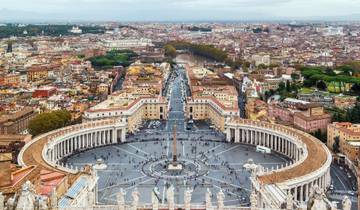
Finish your first day with a leisurely stroll along the Zattere in the Dorsoduro district. This long promenade faces the Giudecca Canal and is the perfect spot for a gianduiotto (a decadent chocolate and hazelnut ice cream) as the sun sets, casting a golden glow over the maritime customs house.
Day 2: Lagoon Legends and Island Life
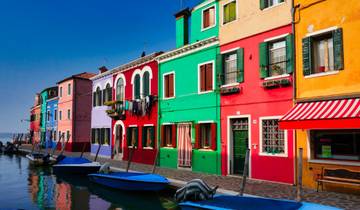
Venice is not just a city; it is an archipelago. On your second day, venture beyond the glass-blowing workshops of Murano. While Murano has its charms, the true soul of the lagoon lies in the ancient silence of Torcello and the vibrant, lace-fringed canals of Burano.
- Torcello: Visit the Cathedral of Santa Maria Assunta to see the 11th-century mosaics. It is a place where time seems to have stopped eight centuries ago.
- Burano: Known for its neon-colored houses, this island is also the heart of Venetian needle-lace. Seek out the elder women who still practice this dying art; their hands move with a precision that defies their years.
- Lazzaretto Nuovo: For a deeper historical dive, visit this island to learn about the origins of quarantine—a Venetian invention that shaped global health.

Day 3: Authentic Sestieri and Cultural Deep Dives
Dedicated cultural explorers are increasingly avoiding the "tourist loop" in favor of Santa Croce. This district remains the most authentic sestiere, where laundry still hangs across narrow calli and children play football in the campos.
Start at the Frari Church, a cavernous Gothic masterpiece housing Titian’s "Assumption of the Virgin." Just steps away is the Scuola Grande di San Rocco, often called "Tintoretto's Sistine Chapel." The sheer scale of the canvases here is enough to induce Stendhal syndrome.
End your journey in the Jewish Quarter of Cannaregio. Established in 1516, it is the oldest ghetto in the world. Its "skyscrapers"—tenements built tall because the footprint of the quarter could not be expanded—offer a poignant contrast to the airy palazzos of the Grand Canal.
III. The Flavors of Spring: A Seasonal Gastronomy Guide
In Venice, the plate follows the tide. Spring brings a specific bounty that locals wait for with bated breath. The undisputed queen of the season is the 'castraure'. These are the very first shoots of the violet artichoke grown on the island of Sant'Erasmo, the "orchard of Venice."
The castraure are prized for their tender texture and slightly bitter, mineral tang, a result of the salt-rich soil of the lagoon. You will find them shaved raw into salads with a drizzle of Puglian olive oil, or folded into a creamy risotto that tastes like the very essence of spring.
For a more rustic experience, seek out Risotto di gò. This dish utilizes the ghiozzo, a small, bony fish from the lagoon depths. While it may not be the most photogenic meal, its deep, savory umami is a testament to the Venetian ability to turn humble ingredients into high art.
"To eat in Venice is to eat the history of our trade routes," says Toso Fei. "The spices of the East meet the vegetables of the islands. In spring, the flavors are bright, sharp, and fleeting."
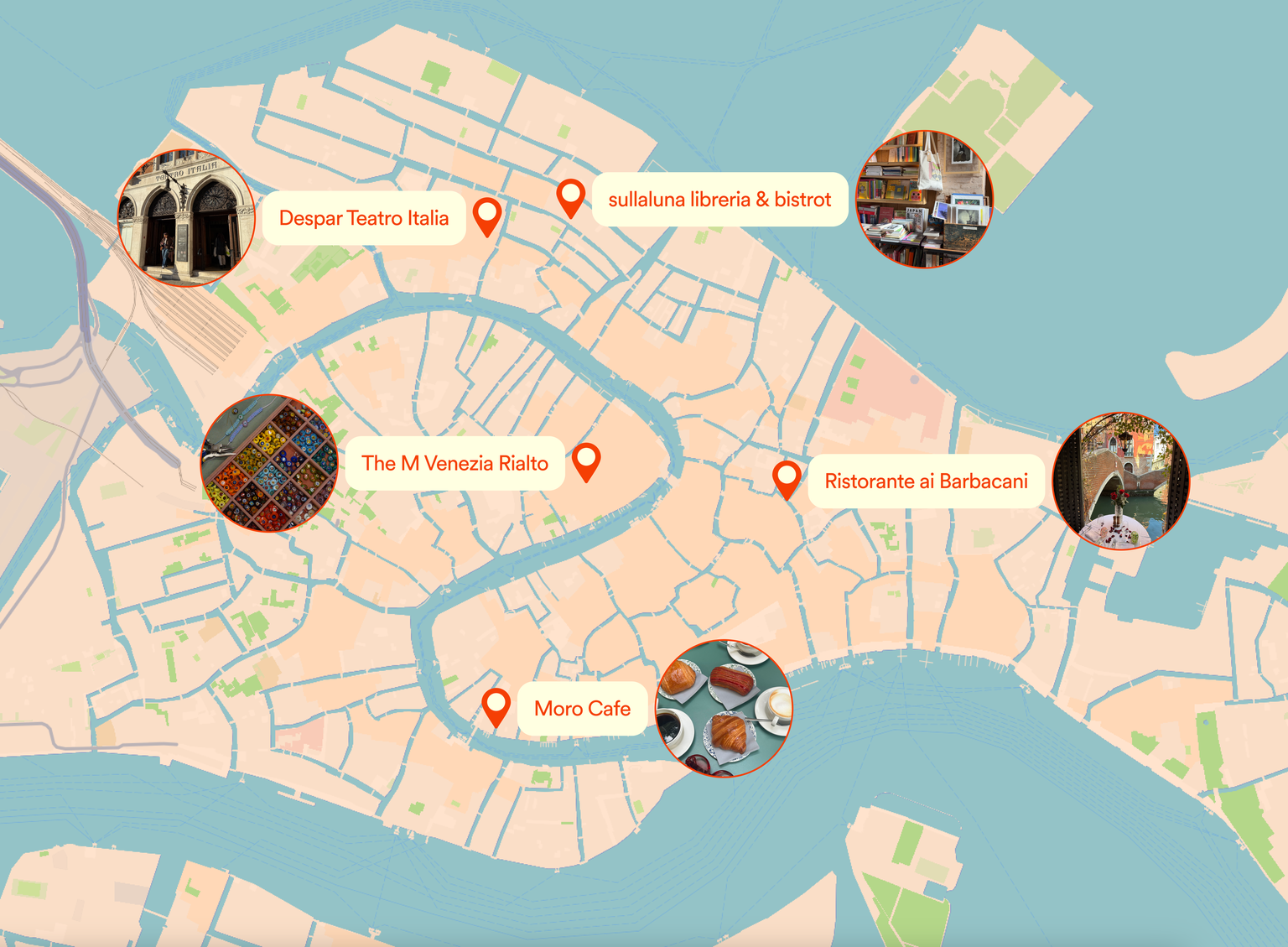
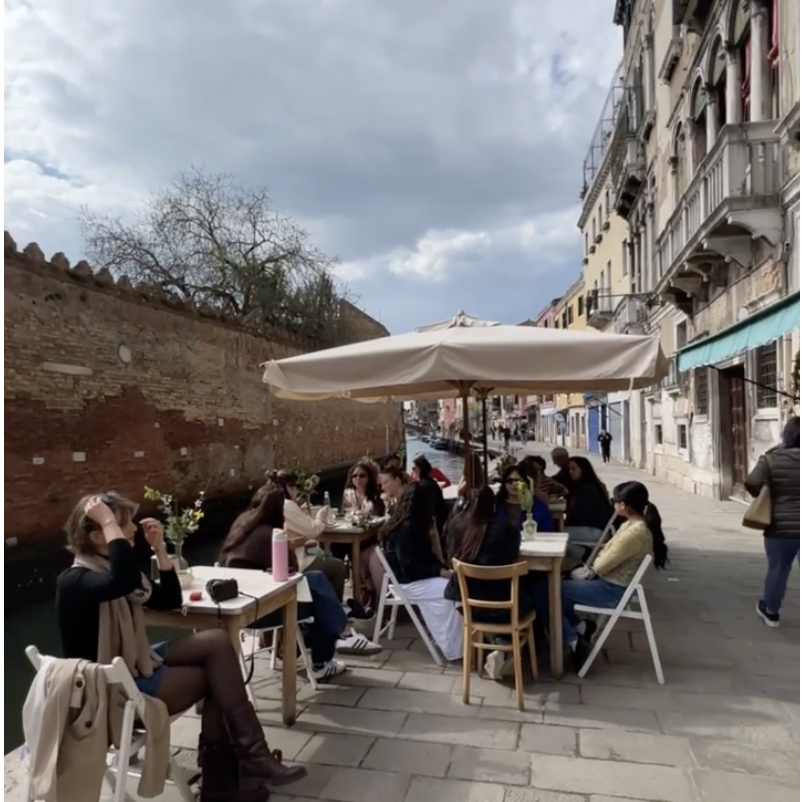
No spring afternoon is complete without a 'Bacaro' crawl. These traditional wine bars serve cicchetti—small plates that are the Venetian answer to tapas. For just €2 to €5 per plate, you can sample creamed cod (baccalà mantecato), spicy meatballs, or sardines in saor. It is the ultimate democratic dining experience in a city that can otherwise be prohibitively expensive.
IV. Practical Planning for 2026 Travelers
Navigating Venice requires a mix of digital savvy and old-world preparation. As the city moves toward more sustainable tourism models, understanding the logistics will save you both time and money.
| Travel Tier | Estimated Daily Cost (2026) | Typical Experience |
|---|---|---|
| The Local Route | €120 - €180 | Cannaregio Airbnbs, Bacaro dining, vaporetto passes, walking tours. |
| Curated Cultural | €450 - €900 | Boutique hotels in Santa Croce, private guides, sit-down trattorias. |
| Ultra-Luxury | €5,000+ | Private palazzo stays, lagoon cruises ($117k+ per week), Michelin dining. |
Essential Tips for the Spring Traveler:
- Vaporetto Mastery: Do not buy single tickets (€9.50). Opt for the multi-day Venezia Unica pass, which ranges from €25 for 24 hours to €65 for a week. It is the only way to treat the water buses like a personal chauffeur.
- The 'Acqua Alta' Factor: While more common in winter, spring can still bring high tides. High-quality waterproof footwear is non-negotiable. Don't buy the disposable plastic neon overshoes sold on the street; they are an environmental nightmare and offer poor traction.
- Digital Essentials: Download the Hi!Tide Venice app for real-time tide alerts and Venezia Unica for managing your transport and museum entries.
- Packing: Layering is key. The mornings are crisp and misty, but the afternoon sun in a sheltered campo can feel surprisingly warm.
FAQ
When is the best time for a spring trip to Venice? The ideal period is between the conclusion of Carnival and the start of Easter. This "quiet window" offers lower prices, fewer crowds, and a more authentic atmosphere before the summer heat and peak tourism arrive.
What is a unique seasonal delicacy to eat in Venice during spring? Look for castraure, the first shoots of the violet artichokes from the island of Sant'Erasmo. They are a fleeting seasonal treat often served in risottos or fresh salads.
Where can I find the best view of Venice to avoid the crowds at St. Mark's? Visit the bell tower on San Giorgio Maggiore island. It sits directly across the water from St. Mark's Square and provides a panoramic view of the entire city and lagoon with significantly shorter wait times.
Conclusion
Venice in the spring is not a destination you simply visit; it is a story you step into. It is a season of whispers, where the slapping of water against stone becomes the city's primary soundtrack. By following the lead of locals like Alberto Toso Fei and choosing the path less traveled—into the kitchens of Santa Croce or the heights of San Giorgio—you discover that the true Venice isn't found in the souvenirs, but in the fleeting light of a misty April morning.