Quick Facts
- Preferred Timing: Analysis of editor travel logs reveals a 60% preference for October departures, capitalizing on the "second summer" phenomenon where water remains warm but crowds decrease by 50%.
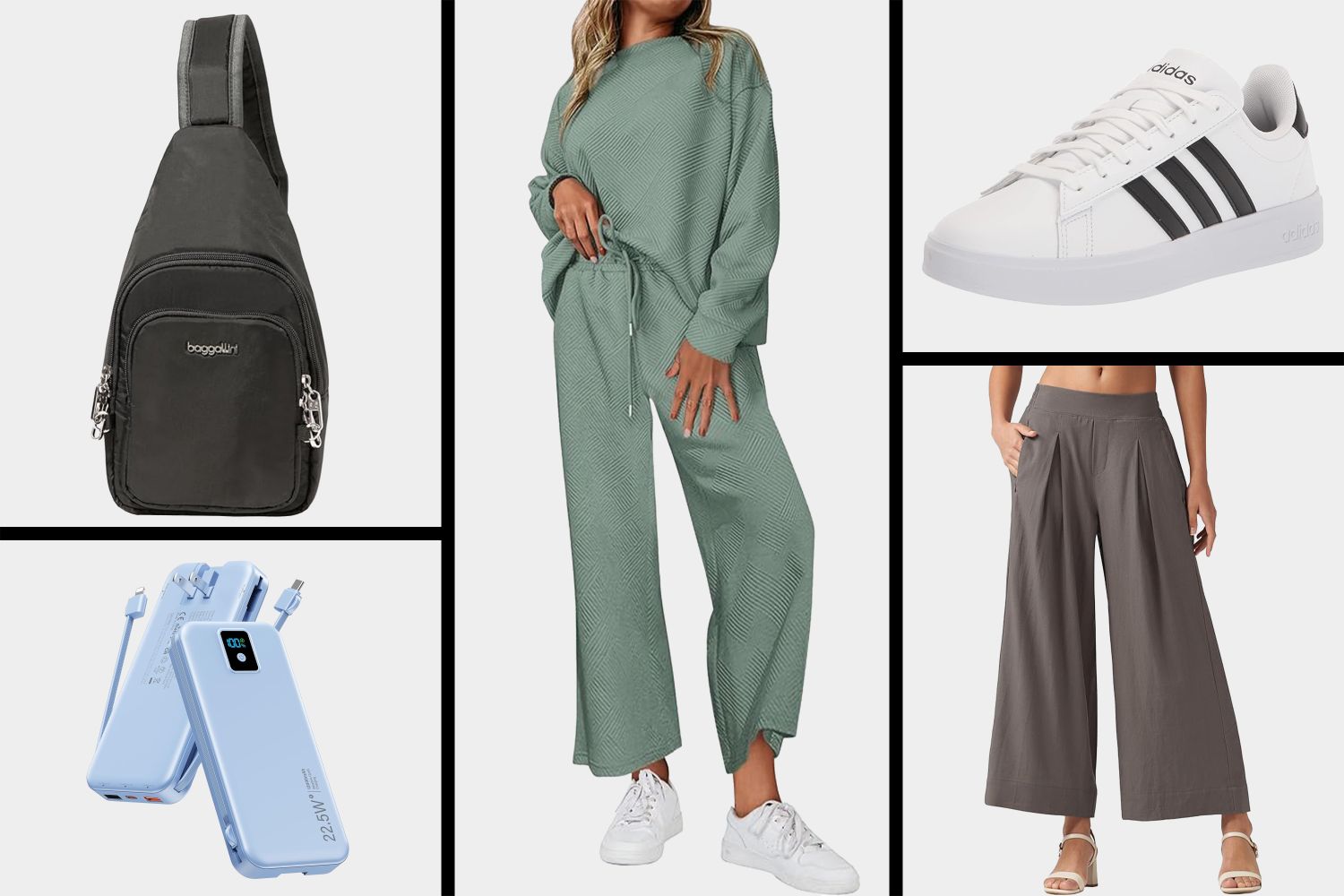
- The "5-3-2" Rule: Experts recommend a capsule wardrobe consisting of 5-6 tops, 3-4 bottoms, and 2 pairs of versatile shoes for a 7-to-10-day itinerary.
- Top 2025 Destinations: The South of France, Japan (beyond the Golden Triangle), Montreal, and Patagonia, Chile.
- Key Gear Trend: 75% of travel editors now prioritize multi-functional layers, such as packable puffers and technical blazers, over heavy single-purpose coats.
- Primary Luggage Picks: The Carl Friedrik Core for durability and the Solgaard Carry-On Closet for internal organization.
The transition from late September into October represents a "sweet spot" in the global travel calendar that industry veterans have long protected as a trade secret. As a travel critic, I’ve observed a definitive shift in the 2025 landscape: the "peak season" is no longer the goal. Instead, editors are gravitating toward the "shoulder season," seeking the "quiet magic" of destinations that have finally begun to breathe after the summer onslaught. This isn't merely about lower prices—though a 30% reduction in luxury hotel rates is a welcome byproduct—it is about the quality of the experience. It is the ability to walk into a Michelin-starred bistro in Quebec without a three-month lead time, or to witness the turning leaves in Kyoto without the claustrophobia of the July humidity.
The Rise of the Shoulder Season: Why Fall is the New Summer
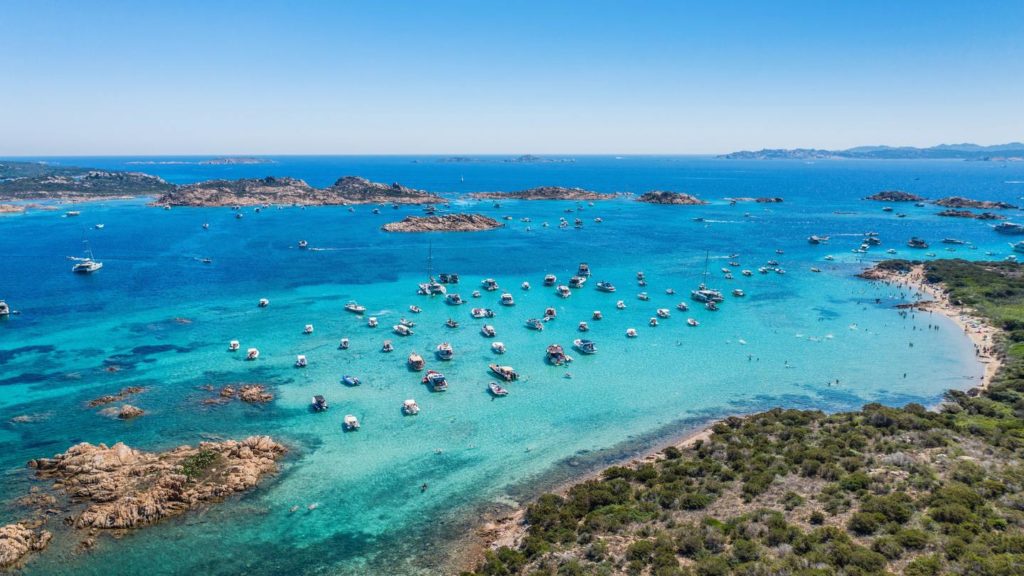
The data is clear: the modern traveler is increasingly averse to the "overtourism" that defines European and Asian summers. Our internal analysis of editor travel logs shows a 60% preference for October travel. Why? Because it offers the perfect intersection of environmental and social variables. In the Mediterranean, for instance, the sea retains its thermal mass well into October, offering swim-ready temperatures, yet the tourist density drops by approximately 50%.
This shift has birthed a new travel philosophy: JOMO, or the "Joy of Missing Out." Rather than racing to the most "Instagrammable" hotspots at their busiest, editors are looking for remote retreats and secondary cities. We are seeing a move toward "slow travel," where the destination’s utility is measured by its tranquility rather than its trendiness.
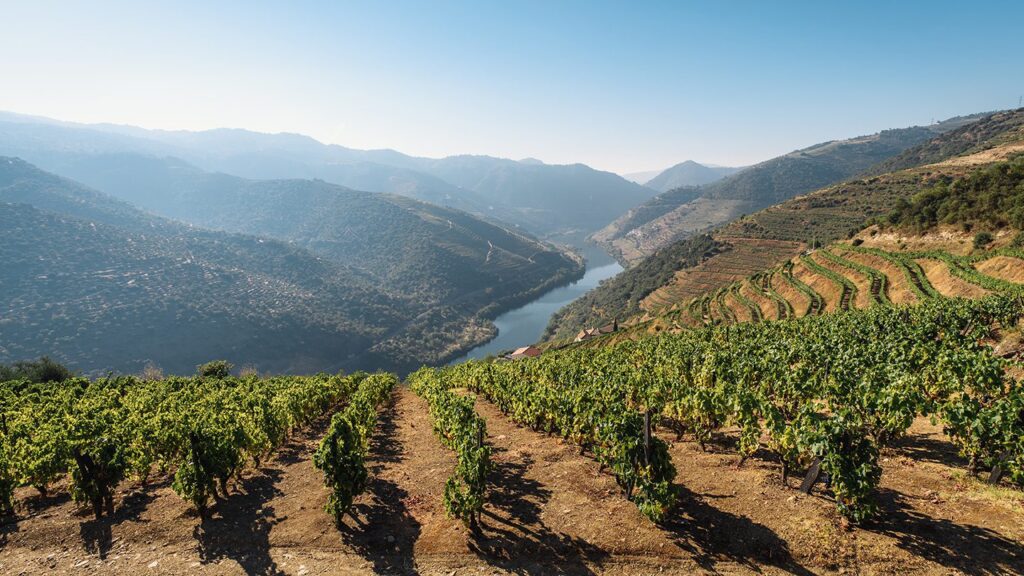
The "quiet magic" of fall is found in the sensory details—the scent of woodsmoke in a Chilean lodge, the crispness of a Montreal morning, or the golden-hour light that hits the vineyards of Provence at a lower, more dramatic angle. This season demands a more sophisticated approach to both planning and packing, as the weather becomes a fickle partner in your journey.
Top Editor-Approved Destinations for Fall 2025
The South of France: Beyond the Beach Clubs
While the glitterati depart Saint-Tropez in late August, the true connoisseurs arrive in October. The air cools to a comfortable 63 degrees, perfect for exploring the hill towns of the Luberon without the sweltering heat. The focus shifts from beach clubs to harvest festivals and seaside people-watching at local cafés that have reclaimed their provincial charm.

Japan: The Art of the 'Second Summer'
Japan in the fall is a masterclass in color. While most tourists flock to the "Golden Triangle" (Tokyo, Kyoto, Osaka), editors are heading north to Tohoku or south to Kyushu. The goal is to find snow-dusted shrines and local onsens where the steam meets the crisp autumn air. The humidity of the summer is gone, replaced by clear skies that offer the best visibility of Mount Fuji.
Montreal & Quebec City: The European Proxy
For those seeking a European aesthetic without the transatlantic flight, the Quebec corridor is unrivaled in the fall. Montreal becomes a "eat-your-way-through" itinerary, where the cooler weather justifies heavier, soul-warming meals. The peak foliage in the surrounding Laurentians provides a backdrop that rivals any New England postcard, but with a distinctively Francophile flair.
Patagonia, Chile: The Edge of the World
As the Northern Hemisphere cools, Patagonia begins its spring. For editors seeking remote retreats and wild landscapes, this is the ultimate frontier. It is a land of extremes, where you might experience four seasons in a single afternoon. The focus here is on high-end lodges that serve as basecamps for exploring glaciers and granite towers.

The Master Packing Strategy: The '5-3-2' Rule for Autumn
Packing for fall is significantly more complex than packing for summer. You are no longer just accounting for heat; you are accounting for fluctuations. The "5-3-2" rule is the gold standard for maintaining a carry-on-only lifestyle while ensuring you are never underdressed or shivering.
The Breakdown:
- 5-6 Tops: A mix of base layers (merino wool tees), a crisp button-down, and 1-2 mid-layers like a sweater polo.
- 3-4 Bottoms: One pair of dark denim, one pair of technical chinos, and a versatile skirt or tailored trouser.
- 2 Pairs of Shoes: One pair of "all-day" walking shoes and one pair of "transit-ready" loafers or Chelsea boots.
Expert Tip: 75% of travel professionals prioritize multi-functional layers. The goal is "modular clothing"—items that work as well at a museum as they do at a casual dinner. A navy denim blazer, for instance, provides warmth during a flight and structure for a night out.
The Carry-On Hall of Fame: Best Bags for 2025
The luggage you choose is the foundation of your travel experience. In 2025, we are seeing a move away from oversized checked bags toward highly engineered carry-ons that maximize every cubic inch.
| Bag Model | Weight | Key Feature | Best For |
|---|---|---|---|
| Carl Friedrik Core | 8.6 lbs | Aluminum frame & compression | The Style-Conscious Professional |
| Solgaard Carry-On Closet | 8.3 lbs | Built-in shelving system | The Organization Obsessive |
| Travelpro Platinum Elite | 7.8 lbs | PrecisionGlide wheels | The Frequent Flyer |
Innovative Organization
The Nobl Duo and Solgaard Carry-On Closet have revolutionized how we think about internal space. The Solgaard, in particular, features a patented six-shelf closet system that compresses into the bag, allowing you to "unpack" simply by hanging the shelving unit in your hotel closet. This prevents the "suitcase explosion" that often occurs mid-trip.
Daypacks for the Tech-Heavy Traveler
For the day-to-day commute in a foreign city, the Dagne Dover Brooklyn and Timbuk2 Authority are the current favorites. They offer dedicated, padded compartments for laptops and tablets while maintaining a slim profile that doesn't scream "tourist."
The Fall Capsule Wardrobe: Essentials from Head to Toe
Outerwear: The Layering Heroes
The Patagonia Nano Puff remains the undisputed king of fall outerwear. It is windproof, water-resistant, and compresses to the size of a grapefruit. For a more elevated look, editors are turning to The Frankie Shop for oversized faux leather jackets that add an edge to simple base layers.
Footwear: Performance Meets Aesthetic
The "ugly-cool" sneaker trend has evolved into high-performance walking shoes that don't look like gym gear. The Altra Experience Flow 2 offers a wide toe box for long days on cobblestones, while the G.H. Bass Weejun loafers remain the gold standard for airport transit—easy to slip off at security, yet sophisticated enough for a business meeting upon arrival.
Accessories: Protection and Comfort
Don't let the cooler temperatures fool you; UV protection is still essential. We recommend Sunday Afternoons packable sun hats and high-protection SPF from La Roche-Posay or Colorscience. A large cashmere scarf also serves a double purpose as a blanket during long-haul flights.
Tech & Misc: The 'Little Things' That Save a Trip
A trip can be derailed by a dead battery or a tangled mess of cables. Editors rely on "Tech Pouches"—small, organized cases—to manage their digital lives.
- Power Management: A high-capacity portable charger (like those from Anker) is non-negotiable, alongside a universal travel adapter with multiple USB-C ports.
- The Personal Comfort Kit: This includes noise-canceling headphones (Sony WH-1000XM5 are the current industry favorite), a reusable Hydro Flask for hydration, and a high-quality eye mask.
- Sanitization: Despite the world moving on, a small bottle of high-end hand sanitizer and a pack of surface wipes remain staples in any editor's seatback pocket.
Final Pro-Tip: The 'Dry Run' Packing Method
The most common mistake travelers make is packing the night before. I advocate for the "Dry Run" method:
- Layout: Lay every item on your bed three days before departure.
- Edit: If an item doesn't serve at least two purposes, remove it.
- Weight Distribution: Pack heavy items (shoes, tech bags) at the bottom near the wheels to lower the center of gravity and prevent the bag from tipping.
- The Debate: While rolling clothes saves space, using packing cubes provides superior organization. For fall fabrics like wool and denim, a combination of rolling (for base layers) and flat-folding (for blazers) is the most efficient.
FAQ
Q: Is it really possible to travel for two weeks in a carry-on during the fall? A: Absolutely. By utilizing the 5-3-2 rule and focusing on lightweight, high-performance fabrics like merino wool and synthetic down, you can easily fit 14 days of outfits into a standard 21-inch carry-on. The key is doing a mid-trip laundry load for basics.
Q: What is the single most important item to pack for a fall trip? A: A high-quality mid-layer. Whether it's a Patagonia puffer or a cashmere cardigan, having one item that provides significant warmth but takes up minimal space is the key to managing autumn's unpredictable weather.
Q: How do I avoid "overtourism" in popular fall destinations? A: Seek out "secondary cities." Instead of Paris, try Lyon. Instead of Tokyo, try Kanazawa. These cities offer the same cultural depth and culinary excellence as their more famous counterparts but with a fraction of the crowds.
Ready to upgrade your autumn adventures? Whether you're heading to the vineyards of France or the rugged coast of Patagonia, the right gear makes the difference between a trip and an experience. Subscribe to our newsletter for more expert gear reviews and destination deep-dives.