While any month offers the legendary Portuguese hospitality, the undisputed sweet spot for visiting Lisbon lies in May and June. During these weeks, the city strikes a perfect chord: the weather is warm but not oppressive, and the streets hum with the anticipation of the Festas de Lisboa. Specifically, the night of June 12th leading into the Santo Antonio festival on June 13th represents the cultural heartbeat of the city, where the smell of grilled sardines fills the ancient alleys of Alfama.
Lisbon is often called the "City of Light," a title earned by its staggering average of 2,800 hours of sunshine per year. This makes it one of the sunniest capitals in Europe, ensuring that even in the depths of winter, you are likely to catch a glimpse of the crystalline blue sky reflecting off the Tagus River. However, timing your visit isn't just about the sun; it’s about understanding the rhythmic pulse of the Lisboetas (Lisbon locals) and the seasonal shifts that transform the city’s seven hills.
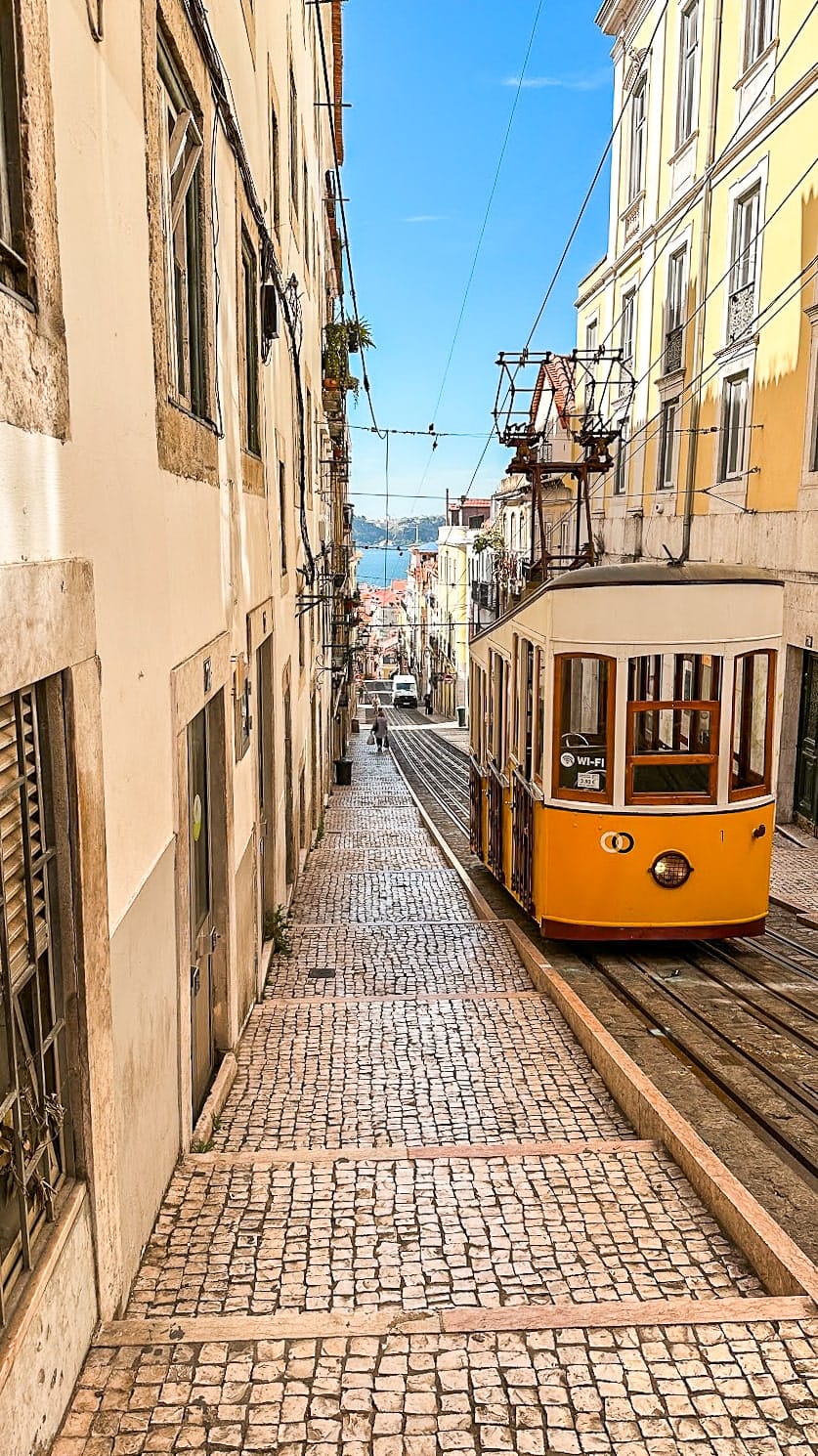
Spring (March – May): The Bloom and Design Season
For those who prefer a side of sophisticated culture with their sightseeing, spring is arguably the "insider’s favorite." By April, the city begins to shed its winter dampness, and by May, the jacaranda trees start to bloom, painting the Praça do Rossio in vibrant shades of purple.
Weather-wise, you can expect pleasant temperatures ranging from 15°C to 22°C (59°F to 72°F). It is the quintessential walking weather, essential for navigating the steep, cobblestoned gradients of Bairro Alto and Graça. This is also when Lisbon Design Week takes place, drawing a global crowd of creatives to the city’s hidden courtyards and sleek galleries.
Why Spring Wins:
- The Climate: It is the "Goldilocks" zone—neither too hot for the hills nor too cold for an evening imperial (small draught beer) at a riverside kiosk.
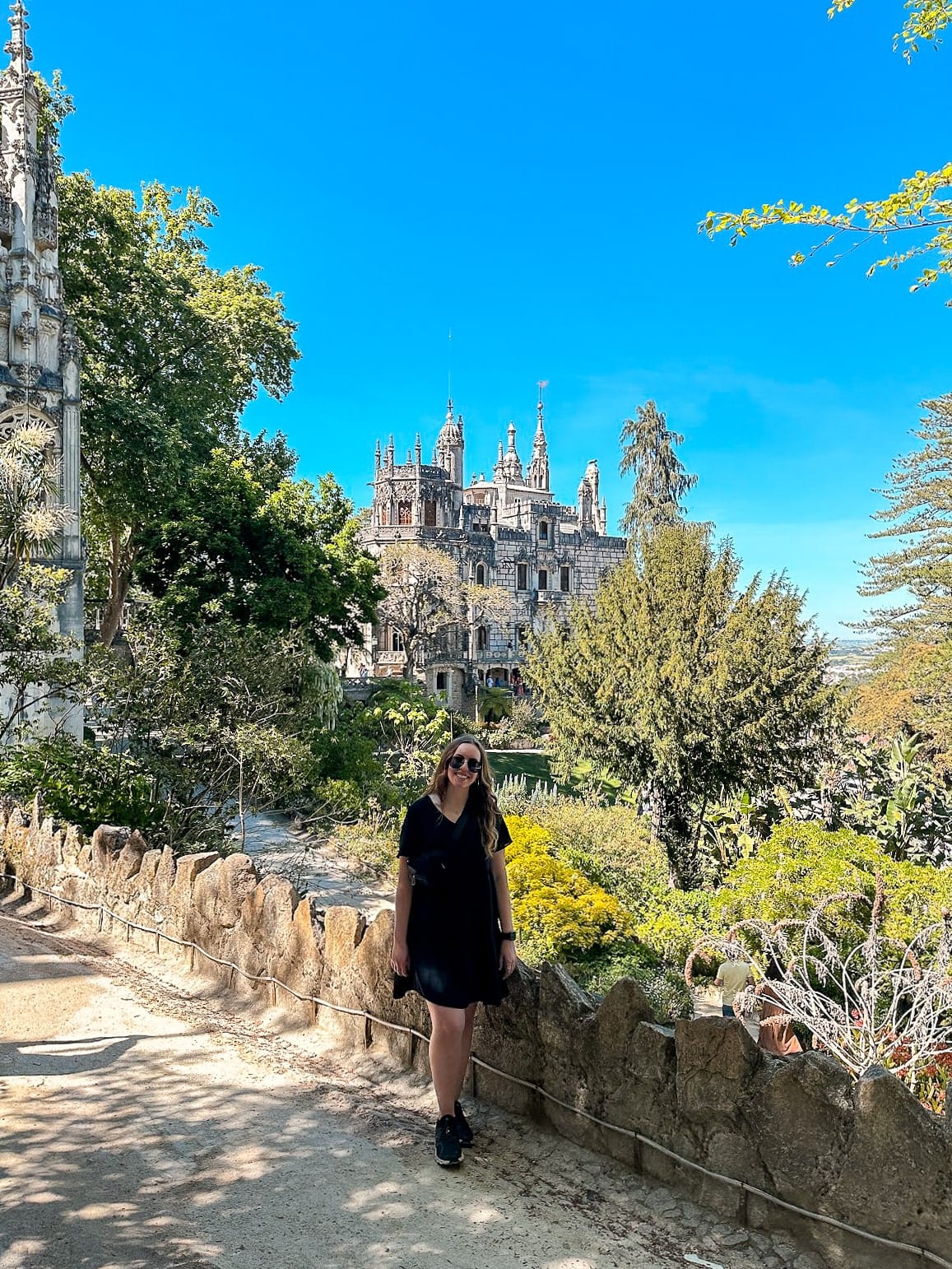
- Day Trips: Spring is the ideal time for the classic day trip to the mist-shrouded palaces of Sintra. You can explore the Romanticist architecture without the stifling humidity or the two-hour queues that plague the summer months.
- Outdoor Dining: The esplanadas (outdoor terraces) begin to fill up, but you won't yet struggle to find a table at the popular spots in Príncipe Real.
Summer (June – August): Festivals, Heat, and the Local Exodus
If you want to see Lisbon at its most boisterous, June is your month. The city dedicates the entire month to the Santos Populares (Popular Saints), culminating in the Feast of Saint Anthony. The historic quarters of Alfama, Mouraria, and Bica are draped in colorful bunting, and every street corner seems to have a makeshift grill serving up sardines on thick slices of bread.
Local Expert Tip: The night of June 12th is a marathon, not a sprint. The parade on Avenida da Liberdade is a spectacle of light and music, but the real party is in the narrow becos (alleys) of Alfama, where locals and visitors dance until sunrise.
However, as the calendar turns to August, the dynamic shifts. The Atlantic breeze often gives way to intense heat, with temperatures regularly hitting 30-35°C. Interestingly, this is also when many Lisboetas flee to the Algarve or the Alentejo coast. According to local hospitality trends, approximately 65% of neighborhood-run businesses, including family-owned tascas and specialized workshops, observe seasonal closures or reduced hours during the peak heat of August.
If you visit in mid-to-late summer, plan your days like a local: spend your mornings at the beach in Cascais or the surf-heavy swells of Ericeira, and return to the city only as the sun begins to dip behind the 25 de Abril Bridge.

Autumn (September – October): The Golden Shoulder Season
As the frantic energy of summer fades, Lisbon enters what many residents consider its most beautiful phase. Late September and October offer a perfect balance of lingering summer sun and significantly thinner crowds. The Atlantic waters are at their warmest, making it the best time for those who want to combine a city break with some serious beach time.
Economically, autumn is a strategic choice. Accommodation prices, which skyrocket during the July-August peak, begin to retreat. The light during these months—often referred to as the "Golden Hour" that lasts all afternoon—is a photographer’s dream, casting long, soft shadows across the tiled façades of the Baixa district.
Autumn Highlights:
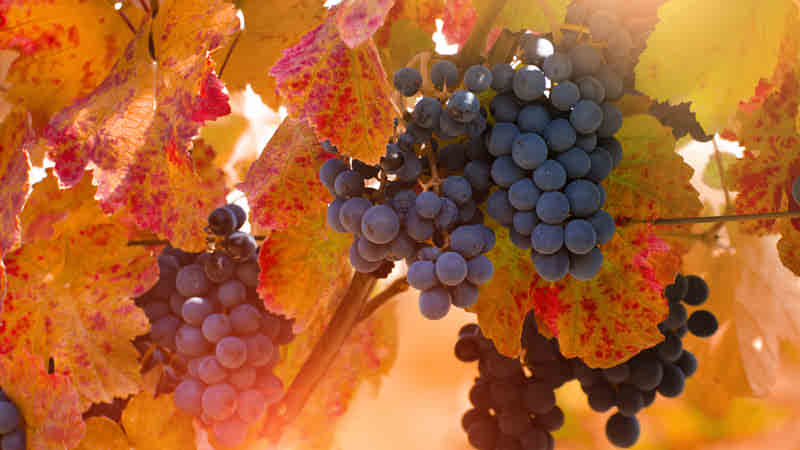
- The Harvest: This is the season of the vindima (grape harvest). A short drive across the bridge takes you into the heart of the Alentejo region, where you can participate in traditional harvests and taste the year's first pressings.
- Comfort Food: The scent of grilled sardines is replaced by the aroma of roasting chestnuts from street vendors’ carts, signaling the start of the cooler months.
- Museum Hopping: With the cruise ship crowds thinning out, it’s the perfect time to visit the Calouste Gulbenkian Museum or the Tile Museum (Museu Nacional do Azulejo) without feeling rushed.
Winter (November – February): The Budget Traveler’s Paradise
Lisbon is one of Europe’s warmest winter capitals, but it is not without its challenges. The rainy season typically runs from November through March. While the city remains bright and sunny for much of the time, the Atlantic storms can bring significant rainfall and occasional urban flooding in the lower-lying areas of the Baixa.
However, for the budget-conscious traveler or the soul-seeker, winter is magical. The city belongs to the locals again. You can walk into the most famous Fado houses in Alfama without a reservation and find a corner to listen to the melancholic strains of the Portuguese guitar. The temperatures remain mild (8-15°C), rarely dropping to the freezing levels seen in London or Paris.
Winter Perks:
- The Atmosphere: There is something deeply evocative about a rainy evening in Lisbon. The wet cobblestones reflect the streetlamps, and the "Saudade" (a unique Portuguese word for nostalgic longing) is palpable.
- Christmas Markets: From late November, the city is adorned with elegant lights, and markets at Campo Pequeno or Rossio offer traditional crafts and Bolo Rei (King Cake).
- No Queues: The Jerónimos Monastery and Belém Tower, which can have wait times of over an hour in summer, are often pleasantly quiet.

Lisbon Weather by the Numbers
To help you decide, here is a breakdown of what to expect month by month.
| Month | Avg. Temp (Low/High) | Rainfall Days | Crowd Level | Best For |
|---|---|---|---|---|
| Jan - Feb | 8°C / 15°C | 10-12 | Low | Budget & Solitude |
| Mar - Apr | 10°C / 19°C | 9-11 | Moderate | Design & Walking |
| May - Jun | 14°C / 25°C | 2-5 | High | Festivals & Atmosphere |
| Jul - Aug | 18°C / 29°C | 1 | Peak | Beaches & Nightlife |
| Sep - Oct | 15°C / 24°C | 6-8 | Moderate | Food & Wine |
| Nov - Dec | 9°C / 16°C | 12-14 | Low | Fado & Coziness |
Local Secrets for Every Season
Regardless of when you visit, there are certain strategies to ensure you experience the "real" Lisbon rather than just the tourist circuit.
1. Timing the Trams The yellow Tram 28 is iconic, but it is almost always overcrowded. If you want that vintage experience, ride it at 7:00 AM before the city wakes up, or take Tram 24 from Praça Luís de Camões, which covers equally beautiful ground with a fraction of the tourists.
2. Seek the High Ground The miradouros (viewpoints) are the city’s communal living rooms. While Miradouro de Santa Luzia is beautiful, it is often packed. Instead, head to Miradouro da Senhora do Monte in Graça. It’s the highest point in the city, offering a panoramic view that is particularly breathtaking during the "pink" sunsets of autumn.
3. The Modern Hubs When the weather is unpredictable, head to the riverside. The MAAT (Museum of Art, Architecture, and Technology) is an architectural marvel that looks like a literal wave rising from the Tagus. Nearby, the LX Factory—a repurposed industrial complex—is a year-round cultural hub filled with bookstores, art studios, and rooftop bars that thrive regardless of the season.

FAQ
Is Lisbon too hot in the summer? For some, yes. July and August can see temperatures spike above 35°C. However, because Lisbon is coastal, there is usually an Atlantic breeze. If you struggle with heat, stick to the months of May, June, or September.
When is the cheapest time to visit Lisbon? January and February are traditionally the most affordable months. You’ll find the best deals on luxury hotels and boutique guesthouses, and flight prices are at their lowest.
Will I experience rain if I visit in the winter? Statistically, yes. November and December are the wettest months. However, Lisbon’s rain often comes in short, heavy bursts followed by sunshine. Always pack a light waterproof jacket and shoes with good grip—the limestone cobblestones (calçada) become very slippery when wet.
Ready to discover the City of Light?
Lisbon is a city that rewards the curious traveler, no matter the season. Whether you’re chasing the festive spirit of June or the quiet, soulful fado of January, your journey begins with the right plan.