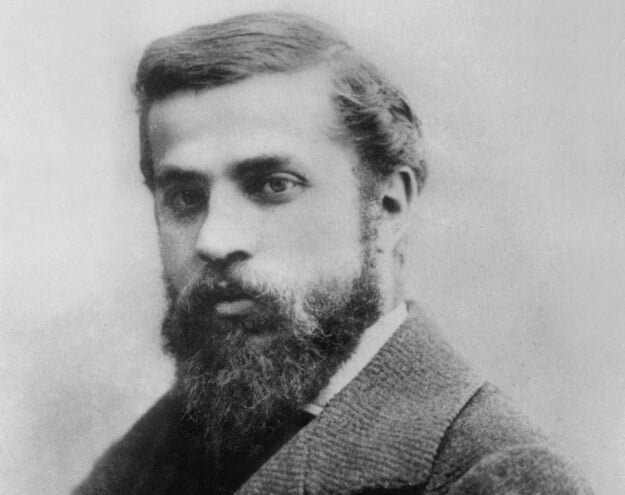
Barcelona is a city that doesn’t just host history; it exhales it through every limewashed crevice and modernist curve. As we approach 2026, the city is preparing for a dual apotheosis: its designation as the UNESCO World Capital of Architecture and the centenary of Antoni Gaudí’s death, marked by the long-awaited completion of the Tower of Jesus Christ. For a Creative Director, this is not merely a travel destination; it is a pilgrimage of "material honesty"—a place where the vernacular meets the avant-garde. To navigate Barcelona like a local visionary is to look past the souvenir stalls of La Rambla and instead seek the quiet resonance of a blue-tiled courtyard or the brutalist rhythm of a concrete gallery.
Exploring this Mediterranean jewel requires a shift in perspective. It is about understanding the "creative nourishment" that comes from the city’s dense independent spirit. In neighborhoods like Gràcia, for instance, over 60% of businesses remain family-run or heritage-based enterprises, resisting the homogenization of global retail. This guide is an invitation to step into that curated world—a day choreographed for those who find inspiration in the grain of old wood and the play of golden-hour light on stone.
09:00 AM – Breakfast in Gràcia: The Neighborhood of Heritage
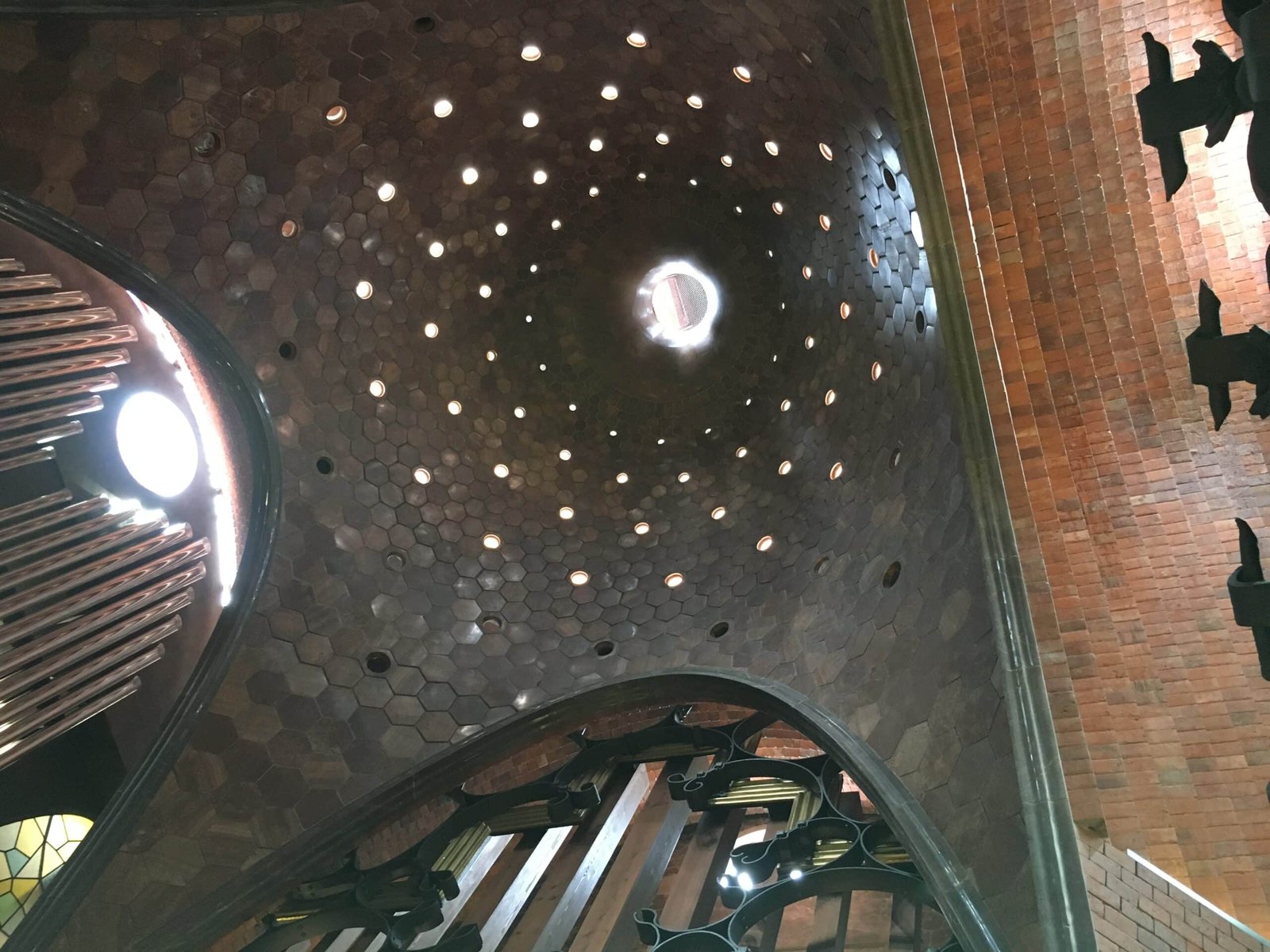
Your day begins in Gràcia, a district that feels less like a city center and more like a self-contained village. For a creative professional, the morning ritual starts at Bar La Camila. This isn't your typical minimalist third-wave coffee shop; instead, it embraces a soulful 1970s aesthetic with warm wood paneling and a retro charm that feels both nostalgic and profoundly current.
Order the truita de carbassó (zucchini omelet)—it is a masterclass in simplicity and texture. As you sit among the locals, you’ll notice the neighborhood’s unique rhythm. Gràcia is a stronghold of Catalan identity, characterized by its high density of independent businesses. The creative insight here is the "human scale" of urbanism; the lack of massive flagship stores allows for a tactile, intimate relationship with the street.
- Design Note: Observe the preservation of the original facade. The beauty of Barcelona lies in this "layering" of time—where a 19th-century structure houses a mid-century interior, serving a modern creative class.
- The Order: A café amb llet and a slice of their famous omelet.
11:00 AM – Artistic Pilgrimage to Montjuïc Hill
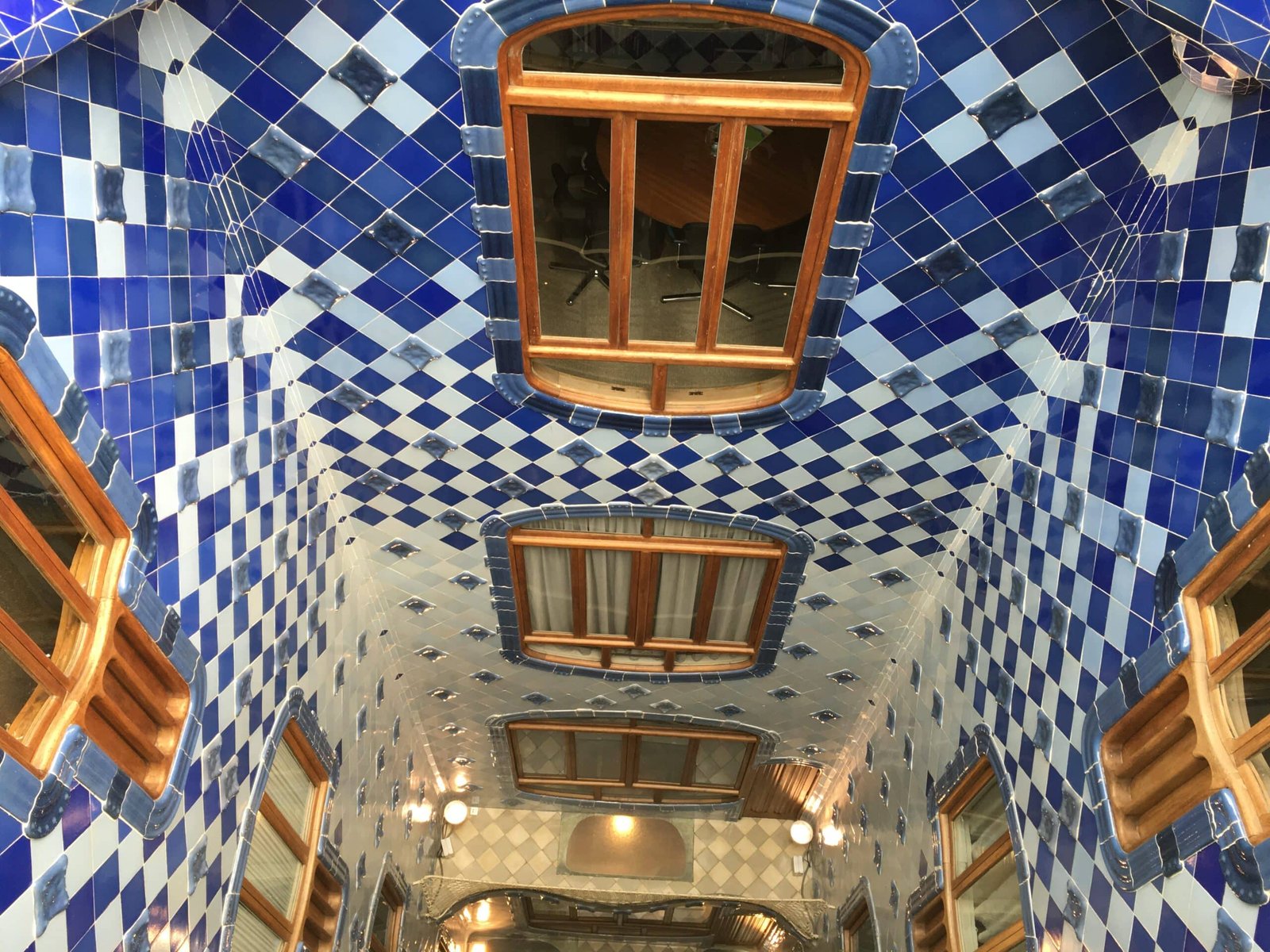
To understand the visual language of Barcelona, one must ascend Montjuïc. While most tourists head to the Magic Fountain, the design-conscious traveler seeks the Joan Miró Foundation. This is where the day’s artistic inspiration truly takes root.
The building itself is a masterpiece of Brutalist architecture by Josep Lluís Sert, a close friend of Miró. The structure uses Mediterranean light as a primary building material, funneling it through skylights to illuminate Miró’s primary-colored canvases. Walking through the terraces, you’ll encounter sculptures like Jeune Fille S'échappant against a backdrop of the city skyline. Starting the day here, before the midday heat and the larger crowds arrive, allows for a meditative engagement with Miró’s "organic forms."
"Sert’s architecture for the Miró Foundation is a dialogue between the rational and the surreal. The white concrete doesn't compete with the art; it provides the silence necessary to hear it." — Design Reflection
01:30 PM – A Lunch for Non-Vegetarians and Architecture Lovers
Descending from the hill, head toward the edge of the El Born and Barceloneta districts. For lunch, The Green Spot offers a sanctuary of "modernist splendor." Designed by Brazilian architect Isay Weinfeld, the space is a study in wood, light, and greenery. While it is a vegetarian-leaning restaurant, it is a favorite for all creatives because of its sophisticated approach to flavor—think cauliflower dough pizzas and charred seasonal vegetables that look like still-life paintings.
Just a short walk away is a landmark of "material honesty" that every Creative Director should visit: La Manual Alpargatera. This is Spain’s oldest espadrille shop, operating for over 190 years. It is a living museum of craft, where the scent of jute and canvas fills the air. Seeing these artisans work provides a grounding contrast to the digital world.
Craft & Heritage Snapshot
| Milestone | Detail |
|---|---|
| La Manual Alpargatera | Founded in 1940 (building dates back 190+ years); the first to turn the peasant shoe into a fashion icon. |
| Gràcia Independence | 60% of shops are heritage-based, maintaining the city's unique aesthetic DNA. |
| Architectural Status | Barcelona is the 2026 UNESCO World Capital of Architecture. |
03:30 PM – Curated Shopping: Rare Books and Artisanal Craft
Afternoon in Barcelona is for the curators. The city is home to some of the most specialized boutiques in Europe, where the focus is on "fewer, better things."
- Terranova Books (Sant Antoni): Located in a former historic shoe shop, this bookstore is a sanctuary for those obsessed with art photography and rare editions. The original wooden shelving now holds meticulously selected monographs. It’s the kind of place where you don’t just buy a book; you discover a new visual perspective.
- Après Ski (Born): For those seeking a tangible piece of Barcelona's creative spirit, Après Ski is essential. Founded by Lucía Vergara, the brand is famous for its handcrafted jewelry that feels like found objects from a sophisticated past. You’ll also find embroidered vintage-style shirts and objects that reflect a very specific "Barcelona Mediterranean" aesthetic.
Shopping here is an act of supporting the local design ecosystem, moving away from mass production toward "intentional objects."
05:30 PM – Sagrada Família 2026: The Jesus Tower Milestone
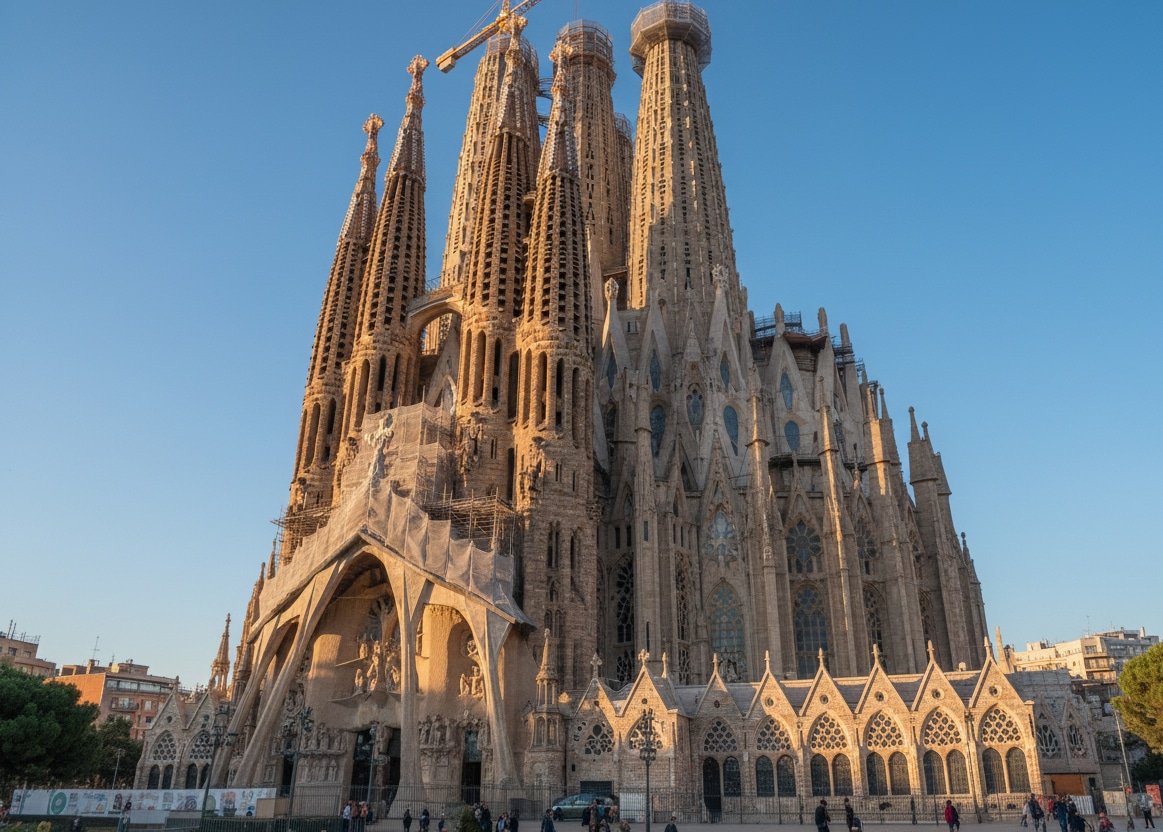
No "Creative Director guide to Barcelona" is complete without addressing the elephant—or rather, the cathedral—in the room. However, we view the Sagrada Família not as a tourist monument, but as a "living architectural ecosystem."
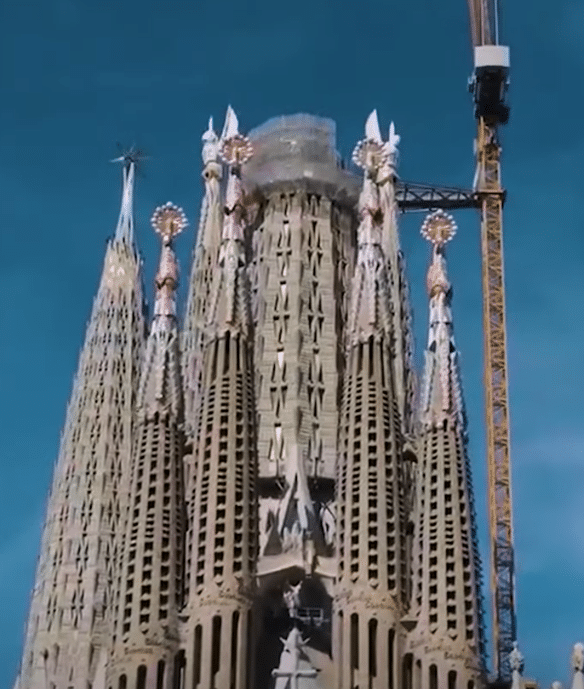
As we approach the 2026 Gaudí Centenary, the focus is on the completion of the Tower of Jesus Christ. Recently, the tower reached a milestone with the placement of the 13.5-meter four-armed star. Viewing the basilica through this lens—as a project that has spanned generations of craftsmen—is a profound lesson in long-term creative vision. It reminds us that some works of art are meant to outlive their creators.
08:00 PM – Sunset Ritual at Tibidabo
As the light begins to turn amber, make your way to Tibidabo. While the amusement park has its own vintage charm, the real draw for the creative eye is the Sagrat Cor Church and the panoramic view it affords.
This is arguably the best sunset view in Barcelona. From this vantage point, you can see the grid of the Eixample district stretching toward the Mediterranean Sea, with the Sagrada Família standing as a jagged sentinel in the middle. It is the perfect moment to reflect on the day’s inspirations as the sky shifts through a palette of violet and gold.
10:00 PM – Natural Wines and Shared Plates
To close the day, head to Tiberi Bar. Run by the Tiberi Club creative collective, this spot is the epicenter of Barcelona’s contemporary "cool." The focus here is on natural wines and "shared plates" that emphasize seasonal, local ingredients.
The atmosphere is effortlessly aesthetic—low lighting, communal tables, and a crowd of designers, photographers, and architects. It’s the perfect place to discuss the day's finds over a glass of Catalan ancestral wine.
Explore Tiberi Bar’s Seasonal Menu →
FAQ
When is the best time to visit Barcelona for design lovers? While the city is a year-round destination, 2026 will be particularly significant due to the UNESCO World Capital of Architecture events and the Gaudí Centenary. Spring (April–June) and Autumn (September–October) offer the best light for architectural photography.
How can I find more authentic, local recommendations? Following local creatives like Nuria Val or design collectives like Tiberi Club on social media can provide insights into pop-up exhibitions, new studio openings, and "hidden" dining spots that aren't in mainstream guides.
Is it easy to get around to these locations? Barcelona is incredibly walkable, especially within neighborhoods like Gràcia or Born. For longer jumps (like going to Montjuïc or Tibidabo), the city's integrated metro and funicular system is efficient, though a taxi or e-bike is often preferred by locals to save time between creative hubs.
Experience the City of Light and Shadow
Barcelona is a city that rewards the observant. Whether you are tracing the brutalist lines of the Miró Foundation or feeling the texture of a 190-year-old espadrille, the city offers a masterclass in how to live creatively. As you plan your journey for 2026, remember that the true luxury of Barcelona isn't found in its grand hotels, but in its commitment to "material honesty" and its vibrant, independent soul.