We live in an age of auditory clutter. From the ceaseless hum of server farms to the distant drone of the interstate, the "soundtrack of progress" has effectively deafened us to the world’s natural rhythm. Approximately 80% of the globe currently lives under light-polluted and noise-heavy skies—a statistic that suggests silence is no longer a given, but a luxury resource.
This scarcity has birthed a new travel movement for 2026: the Quietcation. According to recent data, 56% of travelers are now prioritizing rest and sensory recharge over traditional sightseeing. A quietcation isn’t merely about the absence of noise; it is a deliberate journey toward "the good kind of sound"—the rustle of a banyan leaf, the crack of glacial ice, or the rhythmic lap of a crater lake. It is a return to a primordial acoustic ecology that lowers cortisol and allows the mind to unspool.
The Titans of Stillness: Wilderness Sanctuaries
To find true silence, one must often travel to the edges of the map, where the hand of man is felt least. These are the locations where the decibel level drops to a near-zero floor, revealing the "noise" of one's own internal systems.
1. Haleakalā Crater, Hawaii
Often cited by acoustic ecologists as the quietest place on Earth, the interior of this dormant volcano is a sensory vacuum. Within the 19-square-mile depression, the porous volcanic rock absorbs sound rather than reflecting it. On a windless day, the silence is so absolute that you can hear the pulse of blood in your ears and the blink of your eyelids. Go for: the sound of your own heartbeat in a lunar landscape.
2. Wadi Rum, Jordan
The "Valley of the Moon" offers a prehistoric brand of stillness. At night, when the winds die down and the Bedouin fires burn low, the desert achieves a density of silence that feels physical. It is a place where time seems to have stalled among the red sandstone mountains. Go for: a celestial silence under an unfettered canopy of stars.
3. National Radio Quiet Zone, West Virginia, USA
Spanning 13,000 square miles, this is a strictly regulated sanctuary where electronic signals are restricted to support the Green Bank Observatory. Here, the "noise" of the digital age—Wi-Fi, cellular pings, and radio waves—is replaced by the rustle of the Appalachian hardwood forest. It is one of the few places in the developed world where the digital hum is legally silenced. Go for: a rare reprieve from the invisible vibration of the modern world.
4. Glacier Bay, Alaska
In the deep fjords of Alaska, the silence is defined by its interruptions: the rhythmic "thunder" of a calving glacier or the breath of a surfacing humpback whale. Between these events, the stillness is crystalline, amplified by the reflection of the surrounding ice. Go for: the acoustic weight of ancient ice.
5. Gobi Desert, Mongolia
Known for the "Singing Sands," the Gobi’s silence is occasionally broken by the low-frequency hum of shifting dunes. Beyond that, the vastness of the steppe creates a hollow, expansive quiet that stretches for hundreds of miles. Go for: the sound of wind sculpting the earth.
The Top 10 Quietest Destinations: A Comparison
| Location | Acoustic Profile | Accessibility | Quietness Level (1-10) |
|---|---|---|---|
| Haleakalā Crater | Volcanic Absorbency | Moderate (Hiking) | 10 |
| National Radio Quiet Zone | Electromagnetic Silence | Easy (Road access) | 9 |
| Wadi Rum | Desert Stillness | Moderate (4x4) | 9 |
| Lake Takapō, NZ | Dark Sky Reserve | Easy | 8 |
| Glacier Bay | Marine/Ice Soundscape | Difficult (Boat) | 9 |
| Ise Jingu, Japan | Forest/Temple Solitude | Easy | 7 |
| Boundary Waters, MN | Freshwater Lap | Moderate (Canoe) | 8 |
| Brouq Nature Reserve | Coastal Desert | Difficult | 9 |
| Slocan Valley, BC | Mountain Reflection | Moderate | 8 |
| Finnish Lapland | Sub-Arctic Muffle | Moderate | 9 |
Spiritual and Cultural Silence: Ancient Sanctuaries
Silence has long been the medium of the sacred. In these locations, quiet is not just a geographic feature but a cultural practice.
- Ise Jingu, Japan: Located within a dense forest of ancient cedars, the Grand Shrine of Ise is a masterclass in Chinmoku (mindful silence). The gravel paths are designed to crunch underfoot, a rhythmic reminder of your own presence in a sacred space. Go for: the scent of cedar and the art of intentional walking.
- Barton Creek Cave, Belize: Once a Mayan underworld site, this cave is accessible only by kayak. The subterranean environment creates a muffled, heavy silence, broken only by the drip of limestone-filtered water.
- Mount Sinai, Egypt: Climbing the Path of Moses in the pre-dawn hours reveals a biblical silence—a stillness so old it feels immutable.
- Inami, Japan: In this UNESCO-protected town, the dominant sound is the delicate tap-tap of woodcarving chisels. It is a productive silence, a community bound by a shared, quiet craft.
The New Frontier: 'Coolcations' and Sub-Arctic Peace
As global temperatures rise, travelers are heading north toward "Coolcations"—destinations where the cold acts as a natural sound dampener.
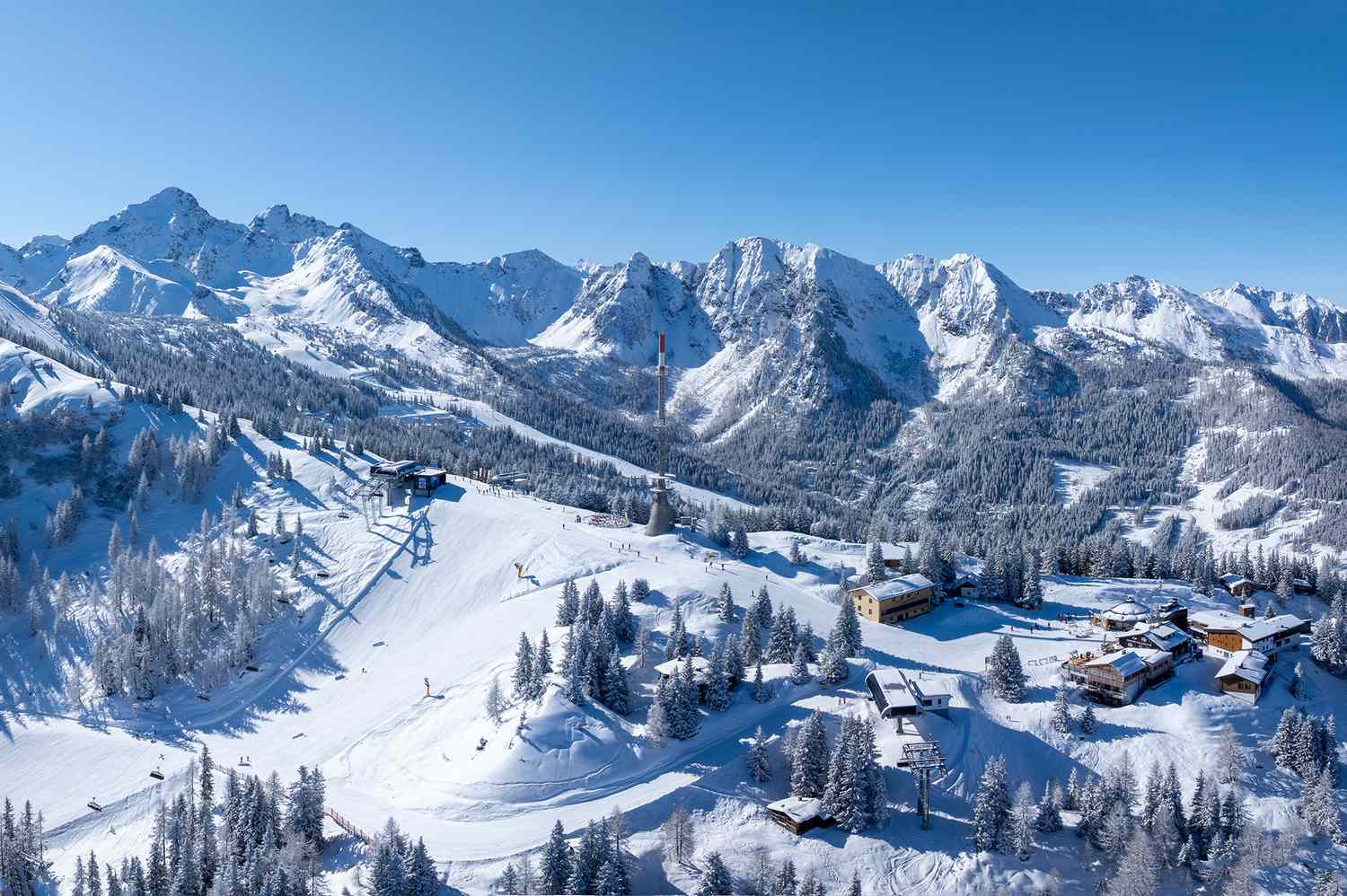
"There is a specific quality to silence when the ground is covered in three feet of fresh powder. Snow is one of nature's greatest acoustic insulators, absorbing sound waves and leaving the world feeling wrapped in cotton wool." — Ethan Brooks
- Lake Inari, Finnish Lapland: In winter, the frozen lake becomes a vast, white desert. The only sound is the occasional crack of lake ice or the faint hiss of the Aurora Borealis—if you listen closely enough.
- Westfjords, Iceland: Far from the tour buses of the Golden Circle, the Westfjords offer dramatic solitude. In the natural hot springs of the coast, the only sound is the Atlantic lashing against the cliffs.
- Faroe Islands: On the island of Kalsoy, the symphony of sheep and the relentless wind create a soundscape that feels entirely detached from the 21st century.
Coastal Stillness: Isolated Shores
Water is rarely silent, but it can be profoundly peaceful. Finding silence by the sea requires escaping the engine noise of tourism.
- Juist, Germany: A car-free island in the North Sea where the primary sounds are horse-drawn carriages and the wind. It is a rhythmic, slow-paced environment that forces a lower heart rate.
- Cook Islands: In the outer islands like Atiu, the low-density tourism ensures that the sound of the reef is the only thing on the "radio."
- Azores, Portugal: Specifically the crater lakes of São Miguel, where the surrounding caldera walls protect the water from the Atlantic winds, creating a mirror-like silence.
Urban Micropockets: Silence in the Loud City
You don't always need a plane ticket to find stillness. The "Micropocket" strategy involves finding small, protected zones of quiet within bustling metropolises.
- Manhattan Healing Forest, NYC: Located on the southern tip of Roosevelt Island, this tiny "Miyawaki" forest acts as a natural noise barrier against the cacophony of the FDR Drive.
- Peel Rise, Hong Kong: A steep hiking trail that climbs quickly above the skyscrapers. Within fifteen minutes, the city’s roar is replaced by the rustle of banyan trees and birdcall.
- Forest Park, Portland: With 80 miles of trails, it is possible to lose the sound of traffic entirely within the city limits of this Oregon hub.
- The Huntington Library Gardens, San Marino: Specifically the Japanese Garden, where the sound of water and the layout of the paths are engineered for meditative quiet.
How to Plan a Quiet Trip in 2026
The transition from a "sightseeing" trip to a "quietcation" requires a shift in logistics.
- Choose 'One Good Base': Instead of hopping between five cities, choose one remote villa or lodge. Staying in one place for a week allows you to tune into the local soundscape—the way the birds change at dusk or how the wind sounds through different trees.
- The Seasonal Strategy: Visit popular beach towns in the "deep" off-season (November in the Mediterranean, for example). The infrastructure remains, but the crowds and their noise disappear.
- Car-Free Travel: Prioritize destinations that ban or limit internal combustion engines. Rely on trains, electric ferries, or your own two feet.
- Digital Tools: Use apps like Dark Sky to find areas with low light pollution (which often correlates with low noise pollution) and look for hotels that offer "Digital Detox" packages or emphasize acoustic insulation.
Explore Quiet-Friendly Stays for 2026 →
FAQ
Where is the quietest place on Earth? While absolute silence is rare, the Haleakalā Crater in Hawaii is widely considered the quietest natural spot due to its sound-absorbent volcanic rock. For man-made silence, the Orfield Laboratories' anechoic chamber in Minnesota holds the world record, though it is often described as unsettlingly quiet.
What is a 'quietcation'? A quietcation is a travel trend focused on rest, silence, and simplicity. Unlike traditional vacations centered on activities and nightlife, quietcations prioritize nature-filled, low-decibel environments like Dark Sky Reserves, remote islands, or car-free villages.
How can I find silence in a noisy city? Look for 'micropockets' of stillness. These are often botanic gardens, small urban forests (like the Manhattan Healing Forest), high-elevation hiking trails, or libraries and cloisters that are architecturally shielded from street noise.
Are you ready to trade the roar for a whisper? Whether it’s the volcanic stillness of Hawaii or a hidden forest in NYC, your next great escape is waiting—in the quiet.