Quick Facts
- The Guide: Diego Luna, the Andor star and celebrated filmmaker, offers an intimate look at his Mexico City.
- Where He Lives: After years in Los Angeles, Luna returned to his roots, settling in the historic, tranquil neighborhood of San Ángel, though he maintains deep ties to his childhood home of Coyoacán.
- Culinary Favorites: His must-visit list includes Rosetta in Roma Norte and the legendary Nico’s in Clavería.
- Theater Hotspots: Luna frequents the National University (UNAM) theaters, Centro Cultural Helénico, and Teatro Lopez Tarso.
- Social Impact: He is the co-founder of Ambulante, a documentary festival that has spent over 16 years bringing social issues to the forefront of Mexican consciousness.
The 'Andor' Star’s Love Letter to CDMX
There is a specific kind of gravity in Mexico City, a pull that eventually draws its wandering sons back home. For Diego Luna, who spent a significant portion of his career under the bright, sterile lights of Hollywood, the return to "the charmingly chaotic home of his long-term love stories" was inevitable. Mexico City is not just a backdrop for Luna; it is a protagonist. It is the place where he transitioned from a child actor to a global icon, yet it remains the only place where he feels an "instant connection" to the earth beneath his feet.
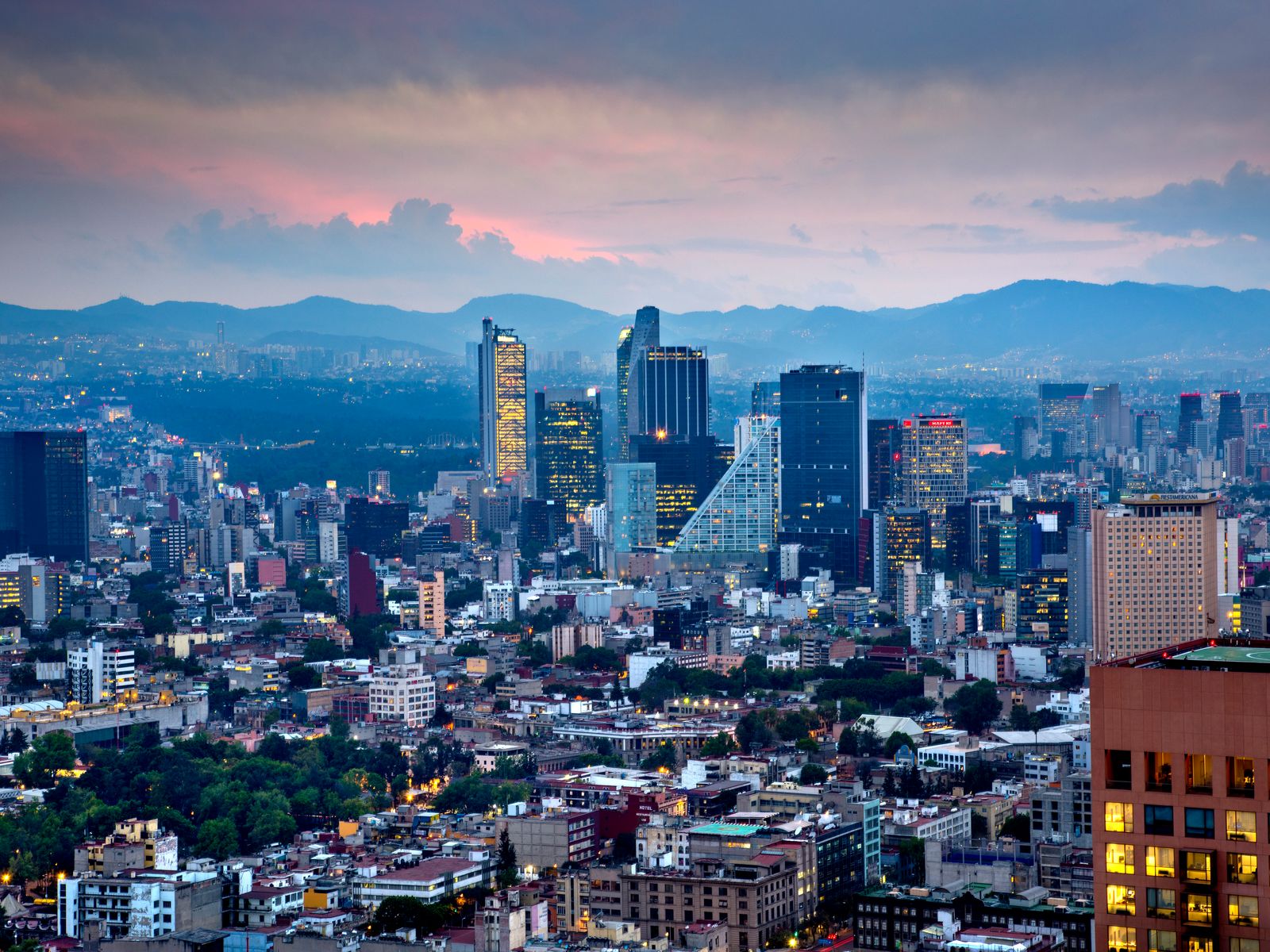
Luna currently resides in San Ángel, a neighborhood in the south of the city that feels less like a metropolitan hub and more like a colonial village trapped in amber. It is a place of bougainvillea-draped stone walls and quiet plazas, a stark contrast to the frenetic energy of neighborhoods like Polanco or Juárez. While he was raised in the neighboring Coyoacán—the bohemian heart of the city and former home to Frida Kahlo—his move to San Ángel represents a search for a slower pace, a way to remain tethered to the city’s history while escaping its modern roar. To follow Diego Luna through Mexico City is to move between these layers of time: the ancient, the colonial, and the fiercely contemporary.
Diego Luna’s Culinary Map: Where He Eats
In Mexico City, the act of eating is a sacred ritual that can take two minutes on a street corner or four hours at a white-clothed table. Luna embraces both. When he speaks of his favorite haunts, he isn't looking for "fusion" or "trends"; he is looking for soul.
His primary recommendation is Rosetta, located in the heart of Roma Norte. Helmed by Elena Reygadas—voted the world’s best female chef—Rosetta is housed in a crumbling Porfirian mansion where the walls are painted in faded frescoes and the light filters through a lush interior patio. Diego Luna recommends Rosetta for its molé and Italian-inspired dishes, such as the handmade malfatti or the sea bass with plankton. It is a restaurant that mirrors the city itself: sophisticated, deeply rooted in European influence, yet undeniably Mexican at its core.
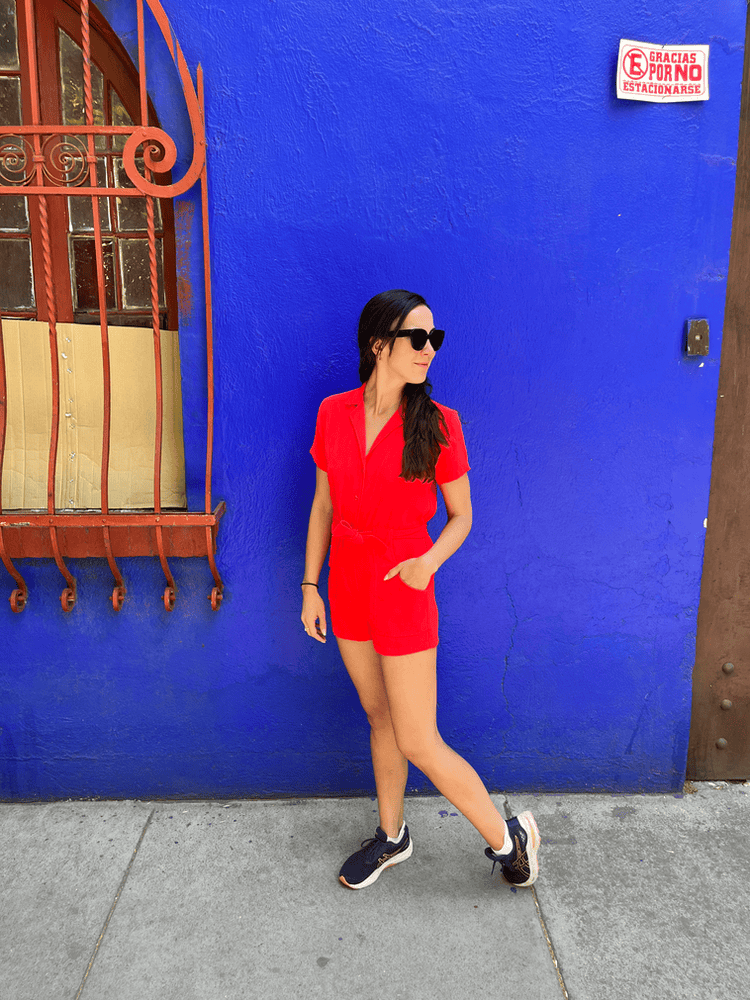
Further north, in the unassuming neighborhood of Clavería, lies Nico’s. This is a chef’s favorite, a bastion of traditional Mexican slow food that has been operating since 1957. While Rosetta represents the modern, artistic face of CDMX, Nico’s represents its endurance. Here, Luna finds the traditional flavors that haven't changed in decades—dishes like sopa seca de natas or the tableside preparation of fresh guacamole. It is the kind of place where lunch is the main event of the day, stretching long into the afternoon over glasses of mezcal.

However, Luna is also a vocal advocate for the city's street food culture. He often remarks that the true "dream of Mexico City" is the versatility of its food scene. You can sit down for a three-course meal, or you can find a corner stall where you eat a perfect taco in 15 minutes, standing up, surrounded by the hum of the morning commute. It is this democratic access to high-quality flavor that defines the city's culinary identity.
The Independent Stage: Theater as the Heart of the City
While the world knows Diego Luna from the screen, his heart remains on the stage. For Luna, theater is the "moral compass" of Mexico City—a place where the city reflects on its triumphs and its tragedies in real-time. His early career was forged on the road; he famously participated in a theater tour that visited 28 of the 32 states in Mexico, an experience that gave him a granular understanding of the country's diverse landscape and social struggles.
When he is home, Luna frequents the theaters at the National University (UNAM). These spaces, located within the sprawling, UNESCO-listed Ciudad Universitaria, offer a mix of alternative and traditional productions. The UNAM theaters are renowned for their intellectual rigor and experimental spirit, often premiering works that challenge the political status quo.
Another essential stop on his theater-going circuit is the Centro Cultural Helénico. Located in San Ángel, this complex includes a stunning Gothic-style chapel and an open-air theater. It is a hub for independent productions and often hosts the country's most talented playwrights and actors. Additionally, the Teatro Lopez Tarso remains a key venue for him, offering a more intimate setting for powerful, actor-driven dramas. For a visitor, attending a play here is a way to see the "real" Mexico City—a city of words, ideas, and shared emotion that exists far beyond the tourist trails.
Neighborhood Spotlight: San Ángel and Coyoacán
To understand Diego Luna is to understand the South. While the northern neighborhoods of Roma and Condesa get the most international attention, San Ángel and Coyoacán are the city's cultural soul.
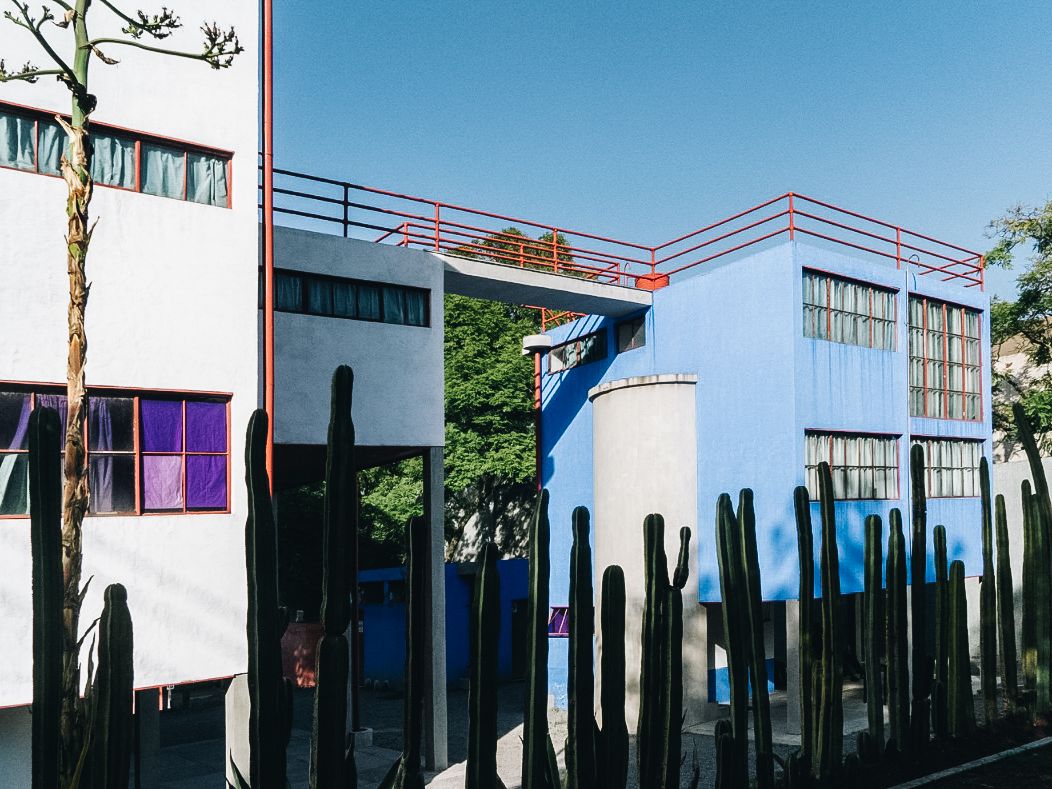
San Ángel maintains a "village" feel that is increasingly rare. It is home to the Museo Casa Estudio Diego Rivera y Frida Kahlo, where the two artists lived and worked in separate, functionalist towers connected by a bridge. Walking through the San Jacinto Plaza on a Saturday, you’ll find an open-air art market (El Bazar Sábado) that has been a tradition for generations. It is a neighborhood of "hidden gems," where a heavy wooden door might open into a lush courtyard or a centuries-old chapel.
Just five minutes away is Coyoacán, Luna’s childhood home. If San Ángel is the quiet intellectual, Coyoacán is the lively bohemian. It is centered around the Jardín Centenario, where the sound of organ grinders and the smell of churros fill the air. For Luna, Coyoacán is essential; it is a place where history feels tangible, from the 16th-century Church of San Juan Bautista to the house where Trotsky was exiled.
Further south lies the National University (UNAM) Campus. It is worth visiting not just for the theater, but for the Espacio Escultórico—a massive outdoor sculpture walk set amidst volcanic rock. It is a place of profound silence and geometric beauty, representing the intersection of ancient landscape and modern architecture.
2026 Cultural Outlook: Art Fairs and Social Impact
Looking forward to 2026, Mexico City’s cultural calendar is more robust than ever. Luna’s influence extends into the world of documentary through Ambulante, the non-profit film festival he co-founded with Gael García Bernal. For over 16 years, Ambulante has been touring Mexico, bringing documentary films to communities that lack access to cinema and using film as a tool for social change. In 2026, the festival is expected to expand its reach, focusing on environmental justice and the migratory experience.
For the art traveler, Mexico Art Week 2026 (held in early February) remains the pinnacle. VIP access to Zona Maco and Salón ACME has become the gold standard for collectors. However, the scene is shifting toward spaces like Lake Algo in Chapultepec Park. This architectural marvel combines a contemporary art gallery with a sustainable restaurant, all overlooking the park’s forest. It represents a new era of CDMX culture: one that is environmentally conscious and integrated into the city’s greenest landscapes.
Essential Planning for Your 2026 CDMX Visit
Planning a trip to this high-altitude megalopolis requires a bit of foresight. The city sits at 2,240 meters (7,350 feet), which can leave visitors breathless in more ways than one.
Best Time to Visit CDMX (2026 Forecast)
| Season | Months | Temperature (Avg) | Rainfall | Cultural Highlight |
|---|---|---|---|---|
| Spring | March - May | 22°C - 26°C | Low | Art Week & Jacaranda Blooms |
| Summer | June - Sept | 18°C - 23°C | High (Afternoon) | Ambulante Festival Screenings |
| Fall | Oct - Nov | 15°C - 21°C | Low | Day of the Dead Celebrations |
| Winter | Dec - Feb | 6°C - 20°C | Very Low | Cozy San Ángel Evenings |
Logistics & Tips:
- Layer Up: Winter mornings in the city can be surprisingly chilly (6-10°C), while the afternoon sun is intense. Always carry a light jacket.
- The Altitude: Stay hydrated and take it easy on your first day. The thin air makes mezcal hit twice as hard.
- Booking: For restaurants like Rosetta, booking 3-4 weeks in advance is essential. For independent theater schedules, check the Teatro Helénico and Cultura UNAM websites directly.
Editor’s Note: If you truly want to experience the city through Diego Luna’s eyes, don’t just visit the museums. Walk the streets of San Ángel at dusk, buy a tlacoyo from a street vendor, and find your way into a dark theater where the language doesn't matter as much as the performance.
FAQ
Where does Diego Luna eat in Mexico City? Diego Luna is a regular at Rosetta in Roma Norte, known for its Italian-Mexican fusion and exquisite molé. He also frequents Nico’s in Clavería for traditional Mexican cuisine and appreciates the city's vibrant street food scene for quick, authentic bites.
What are Diego Luna's favorite theaters in CDMX? Luna often attends productions at the National University (UNAM) theaters, Centro Cultural Helénico, and Teatro Lopez Tarso. He is a major supporter of the independent and experimental theater scenes.
Which neighborhood does Diego Luna live in? Luna currently lives in the historic and residential neighborhood of San Ángel. He grew up nearby in Coyoacán and still spends a significant amount of time in the southern part of the city.
Ready to Experience the Soul of CDMX?
The history, the flavors, and the dramatic stages of Mexico City are waiting to be explored. Whether you are following in the footsteps of Diego Luna or carving your own path through the cobblestones of San Ángel, 2026 is the year to immerse yourself in the world's most vibrant cultural capital.