Quick Facts
- World Leader: Sweden holds the title for the most islands globally, with a staggering total of 267,570 landmasses.
- Nordic Dominance: Sweden, Norway, and Finland collectively account for over 685,000 islands, representing approximately 85% of the total islands found among the world’s top five island-rich nations.
- The 2023 Japan Recount: Japan’s official island count more than doubled to 14,125 in 2023, following an audit using high-resolution satellite mapping.
- Area vs. Count: While Indonesia is the world’s largest archipelagic state by land area, Sweden’s island count is more than 15 times higher than Indonesia's 17,504 islands.
- Habitability: Despite Sweden’s massive count, fewer than 1,000 of its islands are permanently inhabited.
In the world of maritime geography, the term "island" evokes images of tropical atolls and isolated volcanic peaks. However, as any seasoned travel critic will tell you, the reality of global archipelago rankings is often counterintuitive. For 2025, the data continues to challenge our perceptions of geography. We often associate vast island chains with the Pacific or Southeast Asia, yet the data reveals a different story: the icy, fragmented coastlines of the Northern Hemisphere dominate the charts. From a travel perspective, these rankings are not merely trivia; they dictate national identity, tourism policy, and environmental conservation strategies.
Methodology: How Do We Define an Island?
The primary challenge in ranking countries by island count lies in the lack of a standardized international definition. What one nation considers an island, another might classify as a "rock," "skerry," or "islet." To provide an authoritative comparison, we must look at the specific criteria used by national mapping agencies.
For instance, Sweden’s definition is particularly inclusive. The Swedish authorities count any landmass of at least 25 square meters (roughly 270 square feet) surrounded by water, regardless of whether it is in the sea or an inland lake. In contrast, Japan’s 2023 recount—conducted by the Geospatial Information Authority of Japan (GSI)—utilized more stringent criteria, counting landmasses with a circumference of at least 100 meters (330 feet) that formed naturally.
The role of technology cannot be understated. Between 2023 and 2025, the widespread adoption of high-resolution satellite mapping and LiDAR technology has led to significant revisions. Japan's count leaped from 6,852 to 14,125 not because new islands appeared, but because our "eyes" in the sky became significantly more precise. When reviewing these rankings, one must distinguish between natural landmasses and artificial ones, as most official counts exclude man-made structures like the Palm Jumeirah in Dubai.
The Global Ranking: Top 10 Countries by Island Count
1. Sweden: 267,570 Islands
Sweden remains the undisputed leader in maritime fragmentation. Its geography is defined by the "skärgården"—vast archipelagos that hug the coastline. The Stockholm Archipelago alone consists of 30,000 islands and islets, yet the country’s vast interior lakes also contribute significantly to the total.
From a critic’s lens, Sweden’s islands represent a unique "Right of Public Access" (Allemansrätten), allowing travelers to camp almost anywhere. However, the data reveals a stark contrast in utility: while the count is high, only about 984 islands are inhabited. For the adventurous traveler, this offers a level of solitude and untouched wilderness that is increasingly rare in the 21st century.
2. Norway: 239,057 Islands
Norway’s coastline is a masterclass in glacial geomorphology. The famous fjords are punctuated by nearly a quarter-million islands, ranging from the massive Svalbard archipelago in the high Arctic to the jagged peaks of the Lofoten Islands.
Norway’s island count is intrinsically linked to its jagged coastline, which, if stretched out, would circle the globe twice. The Lofoten Islands, often cited as the world’s most beautiful archipelago, serve as a prime example of how Norway leverages its maritime geography for high-end, sustainable tourism. Unlike Sweden’s flatter skerries, Norwegian islands are often characterized by dramatic verticality.
3. Finland: 178,947 Islands
Finland rounds out the Nordic "Big Three." Its geography is dominated by the Archipelago Sea, which contains more islands than any other archipelago in the world by some metrics. Furthermore, Finland’s "Land of a Thousand Lakes" moniker is a vast understatement; the country has 188,000 lakes, many of which are dotted with thousands of small, forested islands.
The Saimaa lake system, for instance, is a labyrinth of water and land that provides a habitat for the rare Saimaa ringed seal. For travelers, the Finnish island experience is defined by the traditional sauna culture and the "mökki" (summer cottage) lifestyle.
4. Canada: 52,455 Islands
Canada’s island count is as diverse as its climate. In the north, the Arctic Archipelago includes some of the world’s largest islands, such as Baffin and Victoria Islands. On the Pacific coast, the rugged terrain of British Columbia is home to the Gulf Islands and Vancouver Island.
The Canadian count is particularly interesting for 2025 as melting sea ice in the Arctic reveals previously unmapped islets. Canada’s islands are critical to global climate research, serving as the front lines for observing the impacts of environmental change on maritime ecosystems.
5. United States: 18,617 Islands
The United States maintains a respectable fifth place, though its count is significantly lower than its northern neighbor. The U.S. islands span an incredible range of biomes: the volcanic islands of Hawaii, the sub-arctic Aleutian Islands of Alaska, the coral keys of Florida, and the rugged islands of the Maine coast.
Alaska contributes the lion's share of this count, with over 2,600 named islands alone. For the traveler, the U.S. offers the most diverse archipelagic experience, ranging from the tropical luxury of the Virgin Islands to the remote wilderness of Isle Royale in Lake Superior.
6. Indonesia: 17,504 Islands
Indonesia is often mistakenly cited as the country with the most islands. While it ranks sixth in total count, it is the world’s largest archipelagic state by land area and population. Unlike the tiny, uninhabited skerries of the Nordic countries, Indonesia's islands are substantial.
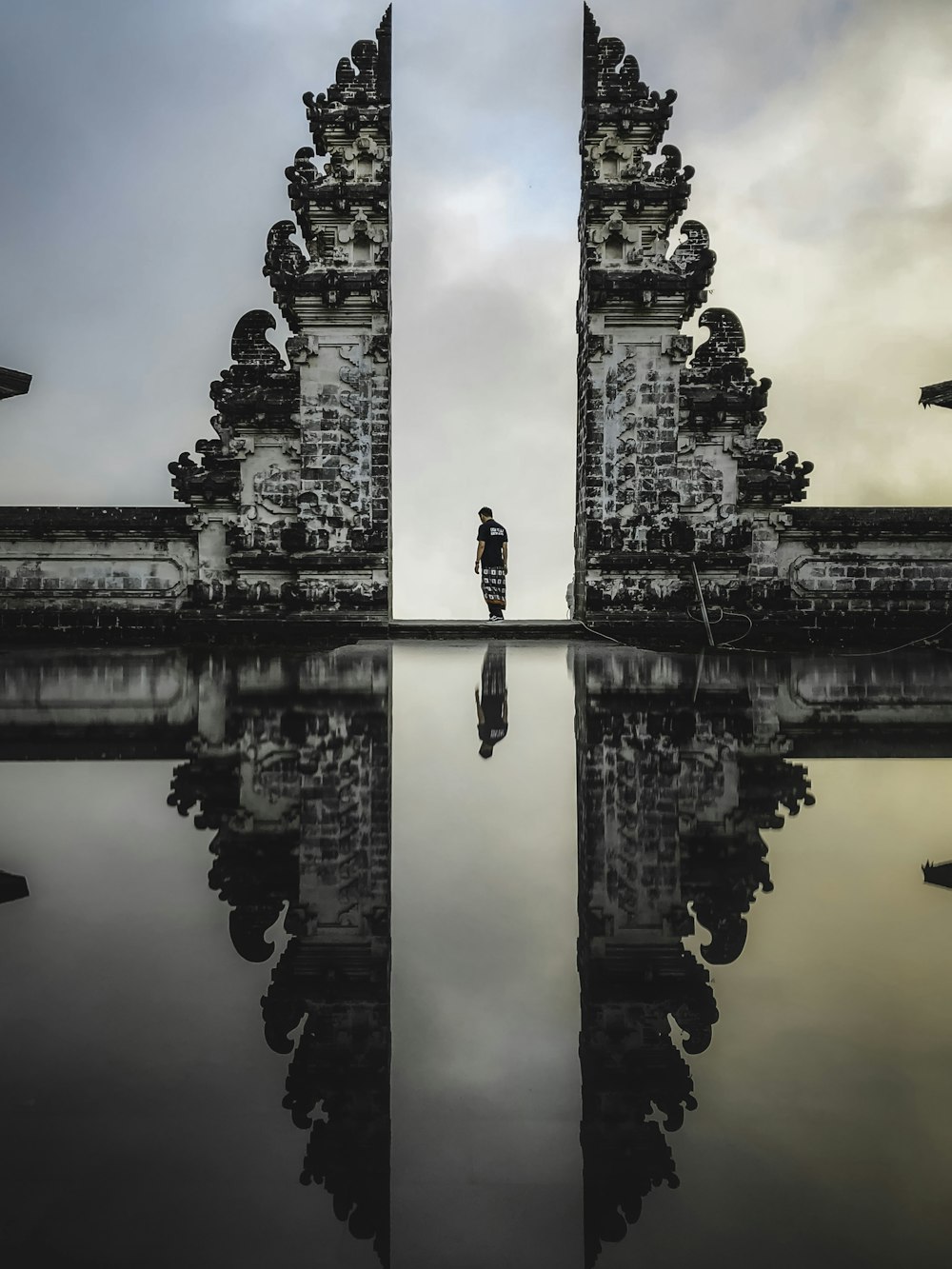
The Indonesian government has spent years coordinating with the UN to officially name and register its islands. Major landmasses like Java, Sumatra, and Bali are central to global trade and tourism. The discrepancy between Sweden and Indonesia highlights the difference between "geological fragments" and "territorial landmasses." In Indonesia, an island is more than just a coordinate; it is a cultural and economic hub.
7. Japan: 14,125 Islands
Japan’s position in the top 10 was solidified by the 2023 recount. Previously, the official count had not been updated since a 1987 report by the Japanese Coast Guard. The new figure of 14,125 is a testament to how modern technology can redefine national geography.
Japan’s islands are mostly volcanic, stretching from the temperate forests of Hokkaido to the sub-tropical reefs of Okinawa. The UNESCO-listed Sado Island and the "art islands" of the Seto Inland Sea represent Japan's successful integration of culture, history, and maritime geography.
8. Australia: 8,222 Islands
While Australia is a continent in its own right, it is surrounded by thousands of islands that form a crucial part of its territory. This includes the massive island state of Tasmania, the Whitsundays, and the countless coral cays of the Great Barrier Reef.
Australia’s islands are often biological hotspots, home to species found nowhere else on Earth. For the 2025 traveler, destinations like Lord Howe Island represent the gold standard in eco-luxury, with strict limits on visitor numbers to protect the delicate island ecosystem.
9. Philippines: 7,641 Islands
The Philippines is a quintessential island-hopping destination. For years, the official count was cited as 7,107, but a recent survey by the National Mapping and Resource Information Authority (NAMRIA) increased that number to 7,641.
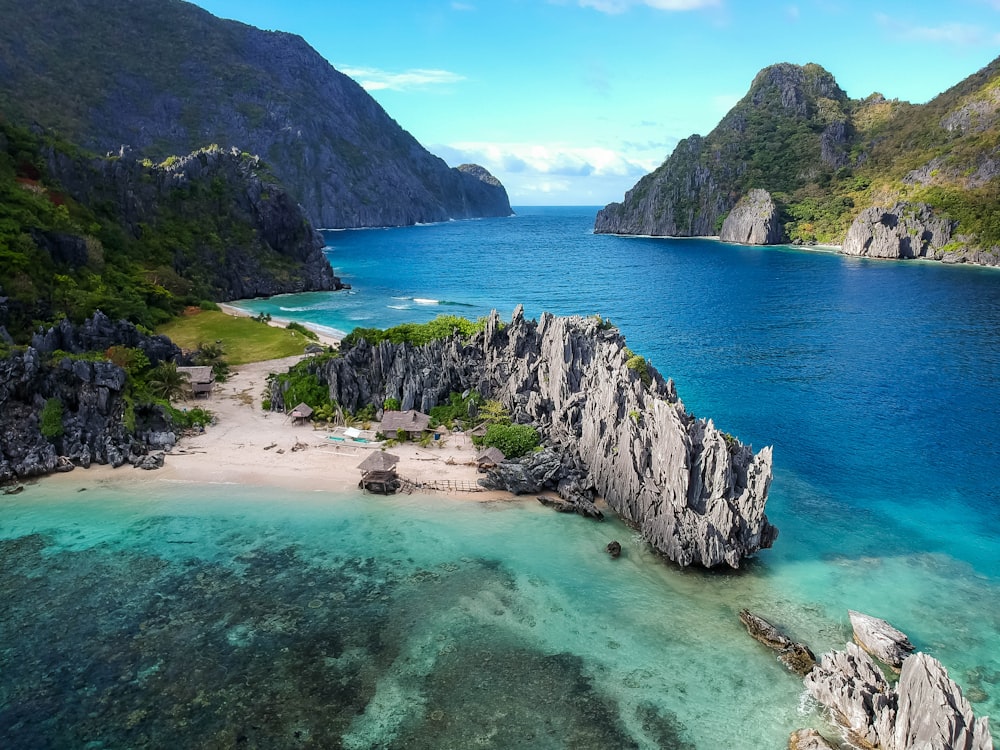
The Philippines excels in "blue tourism." Regions like Palawan (home to El Nido and Coron) and the Siargao surf break have become global benchmarks for tropical beauty. The country's islands are largely volcanic or coral-based, offering some of the best diving and snorkeling in the world.
10. Chile: 5,000+ Islands
Chile claims the final spot in the top 10, largely due to its southern extremity. The Chilean Patagonia is a fractured landscape of fjords, channels, and thousands of islands that remain some of the least explored places on the planet.
From the legendary Chiloé Island with its wooden churches to the remote Easter Island (Rapa Nui) in the middle of the Pacific, Chile’s islands are defined by their isolation and rugged beauty.
The Nordic Dominance Explained
It is striking that three small nations in Northern Europe hold nearly 700,000 islands between them. To understand this, we must look at the Last Glacial Period. Approximately 10,000 to 20,000 years ago, massive ice sheets covered Northern Europe. As these glaciers retreated, they carved deep gouges into the bedrock and left behind a highly fragmented landscape.
As the weight of the ice vanished, the land began to rise—a process known as post-glacial rebound. In parts of Sweden and Finland, the land is still rising by nearly a centimeter per year, effectively "creating" new islands as shallow seafloors emerge above the water line. This geological "shattering" is why the Nordic countries account for 85% of the islands in the world's top five most island-rich nations.
Notable Mentions and Emerging Destinations
While the top 10 list is dominated by northern giants and massive archipelagos, several other nations deserve mention for their cultural and tourism impact.
Greece: The Heart of the Aegean Greece officially counts around 6,000 islands, though only about 200 are inhabited. While it doesn't crack the top 10 in terms of pure quantity, its islands are arguably the most influential in the history of Western civilization.
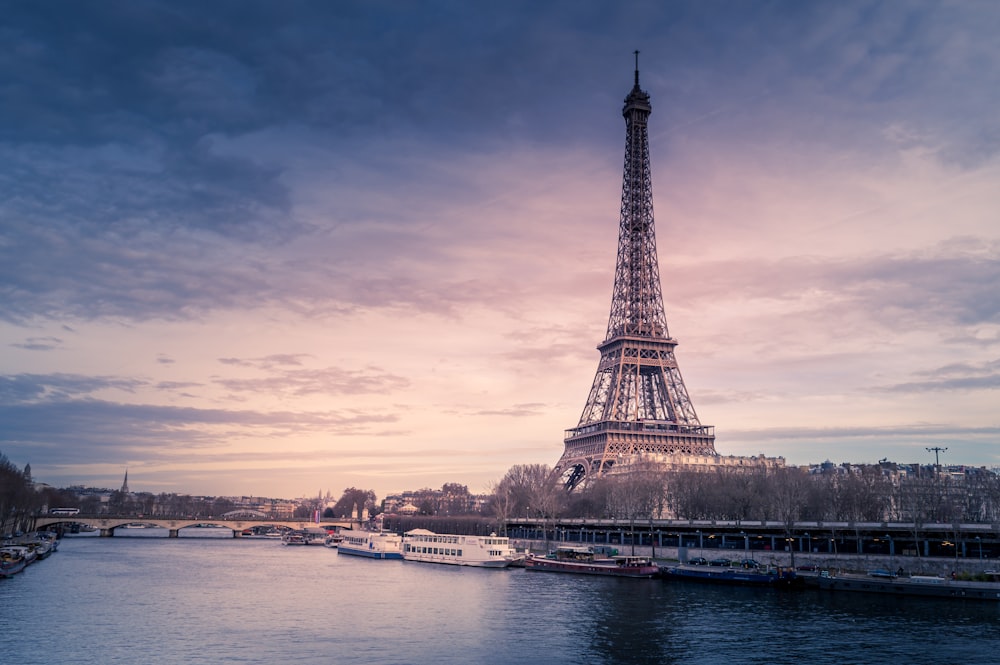
From the white-washed caldera of Santorini to the historic shores of Crete, the Greek islands remain the primary driver of Mediterranean tourism.
Vietnam: The Emerging Gem Looking ahead to 2026, Vietnam is emerging as a significant player in island travel. With over 3,000 islands, including the limestone pillars of Ha Long Bay and the emerging luxury hubs of Phu Quoc and the Con Dao archipelago, Vietnam is successfully pivoting toward high-value maritime tourism.
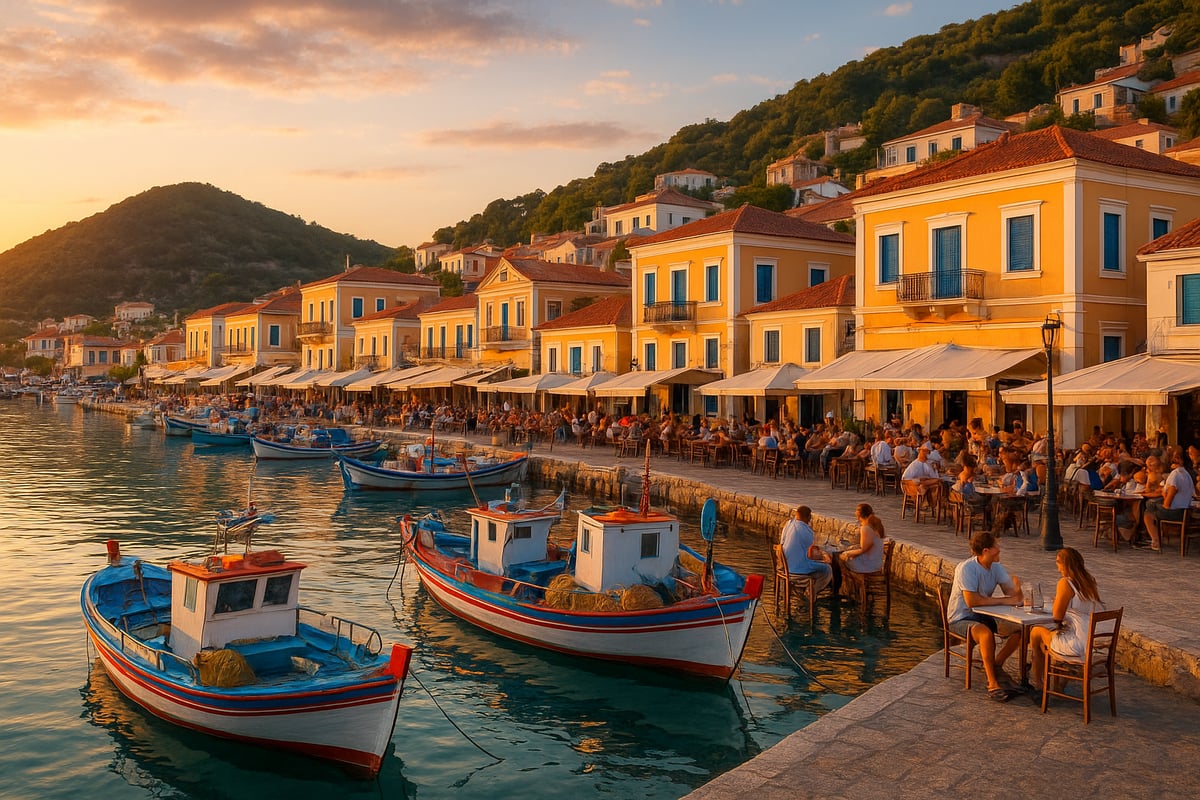
New developments on islands like Phu Quy are showcasing a blend of traditional fishing culture and modern sustainable resorts, a trend we expect to see grow across Southeast Asia.
Summary Table: 2025 Global Island Statistics
| Rank | Country | Island Count | Defining Feature |
|---|---|---|---|
| 1 | Sweden | 267,570 | Massive glacial skerries; mostly uninhabited. |
| 2 | Norway | 239,057 | Deep fjords and jagged Arctic peaks. |
| 3 | Finland | 178,947 | World's largest lake archipelagos. |
| 4 | Canada | 52,455 | High Arctic and Pacific coastal diversity. |
| 5 | United States | 18,617 | Range from tropical keys to volcanic chains. |
| 6 | Indonesia | 17,504 | Largest archipelagic state by land area. |
| 7 | Japan | 14,125 | Count doubled in 2023 via satellite audit. |
| 8 | Australia | 8,222 | Home to the Great Barrier Reef cays. |
| 9 | Philippines | 7,641 | Premier destination for tropical island hopping. |
| 10 | Chile | 5,000+ | Remote Patagonian fjords and Pacific outposts. |
FAQ
Q: Why does Sweden have so many more islands than Indonesia? A: It comes down to definition and geology. Sweden counts very small skerries and inland lake islands (as small as 25sqm), whereas Indonesia's count focuses primarily on significant maritime landmasses. Additionally, the glacial retreat in Sweden left a much more fragmented coastline.
Q: Are all these islands "real" landmasses? A: Yes, official counts generally require that the island be naturally formed and remain above water at high tide. Sandbars that disappear with the tide are usually excluded.
Q: Which country has the most inhabited islands? A: Indonesia leads this category, with approximately 6,000 of its 17,504 islands being permanently inhabited, far exceeding the inhabited counts of the Nordic countries.
Explore More
Understanding the geography of our world is the first step toward better travel. Whether you are looking for the isolation of a Swedish skerry or the vibrant culture of an Indonesian isle, the world's archipelagos offer endless variety.
View Full Geographic Data at WorldAtlas →
For more expert analysis on global destinations and travel policy, stay tuned to our 2025 destination guides.