Why Florence is Having a New Renaissance: 19 Best Things to Do in 2026
Florence has always been a city defined by its past, yet in 2026, the Tuscan capital is vibrating with a renewed energy that locals are calling the Secondo Rinascimento. While the city still attracts over 16 million visitors annually—making timed-entry reservations for the Uffizi and Accademia more than just a suggestion, but a necessity—the "New Renaissance" is less about looking back and more about how the city’s historic bones are being repurposed for a modern, sophisticated audience. From the long-awaited reopening of the Vasari Corridor to the artisan-led revival of the Oltrarno district, the best things to do in Florence today involve a delicate dance between the 15th-century masterpieces and 21st-century urban regeneration.
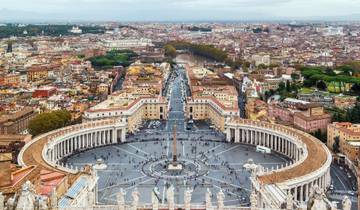
1. The 2026 Headline: The Vasari Corridor Reopened
The single most significant event for the 2026 traveler is the full public accessibility of the Vasari Corridor. After an exhaustive eight-year restoration project, this secret passageway—originally built by Giorgio Vasari in 1565 to allow the Medici family to move unseen between the Palazzo Vecchio and the Pitti Palace—reopened in late December 2024.
Walking this half-mile elevated track is like stepping into a private artery of history. The restoration has removed the 16th-century "clutter" to reveal the original architecture, offering panoramic views of the Arno through windows that were once strictly for the eyes of dukes.
Pro Tip: Access is strictly limited and requires a separate ticket from the Uffizi. Because of its narrow dimensions and historic fragility, book your slot at least three weeks in advance. It is the definitive "insider" walk of 2026.
The Masterpiece Circuit: Reimagining the Classics
2. The Uffizi Gallery: Beyond the Botticelli
The Uffizi is no longer just a "greatest hits" gallery. In a massive reorganization dubbed "Uffizi Diffusi," the museum has integrated 105 works previously kept in storage into its main circuit. This means that even if you’ve seen The Birth of Venus a dozen times, there are new rooms dedicated to 16th-century Lombard painting and Hellenistic sculpture that provide a deeper context to the Renaissance.
- Core Stats: Expect a 2-3 hour commitment. Reservations are essential to avoid the 4-hour standby lines.
- Cost: €25 (High Season) / €12 (Low Season).
- Best Time: Tuesday mornings or late Thursday afternoons.
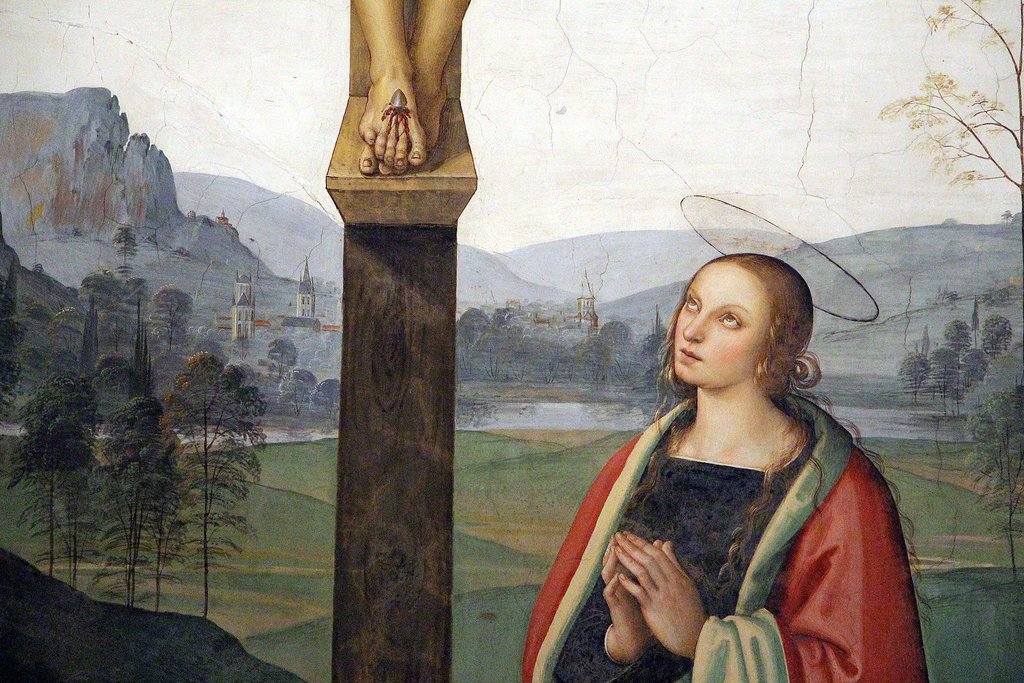
3. Galleria dell’Accademia: Seeing David in a New Light
Michelangelo’s David remains the city's secular saint. However, 2026 visitors will benefit from the recently upgraded LED lighting system that mimics natural sunlight, highlighting the incredible anatomical precision of the marble in ways traditional museum lighting never could. Don't skip the "Slaves" (The Prisoners) lining the hall leading to David; these unfinished works offer a haunting glimpse into Michelangelo's "liberating" the figure from the stone.
4. Climbing Giotto’s Bell Tower
While the Duomo’s dome is the most famous climb, the Campanile di Giotto (Bell Tower) is arguably the better experience. Standing 280 feet tall with 414 steps, it provides the only vantage point where you can photograph the Duomo's red-tiled dome against the backdrop of the Tuscan hills.
5. The Medici Chapels: Michelangelo’s Gloomy Grandeur
Located at the Basilica of San Lorenzo, the New Sacristy is a masterclass in Mannerist architecture. In 2026, visitors can finally access the "Secret Room" of Michelangelo—a tiny charcoal-sketched chamber where the artist hid from a death warrant in 1530. It’s a claustrophobic, thrilling connection to the man behind the myths.
6. Bargello Museum: The 'Secret' Sculpture Powerhouse
If the Uffizi is for painting, the Bargello is for sculpture. Often overlooked by the crowds, this former prison houses Donatello’s bronze David and Verrocchio’s Lady with Primroses. It is the quietest major museum in the centro storico, offering a much-needed respite from the midday bustle.
The Oltrarno: Florence’s Artisan Soul
Crossing the Ponte Vecchio takes you into the Oltrarno (literally "beyond the Arno"), the neighborhood that best embodies Florence’s living culture. This is where the botteghe—traditional artisan workshops—have resisted the encroachment of global chains.
7. Walking the Workshops of Santo Spirito
Spend an afternoon wandering the streets around Piazza Santo Spirito. You’ll find bookbinders using marbleized paper techniques unchanged since the 1700s, and woodturners carving picture frames for the world's leading galleries.
- Botteghe to watch: Castorina for woodcraft and Giulio Giannini e Figlio for paper.
8. Giardino Bardini: The Wisteria Staircase
While everyone flocks to the Boboli Gardens, the Bardini is the connoisseur’s choice. If you visit in late April or early May, the wisteria tunnel is in full bloom, creating a purple canopy that frames the city skyline perfectly. It is significantly quieter than Boboli and offers a more intimate garden experience.
9. Pitti Palace & Boboli Gardens
The former seat of the Medici grand dukes is a sprawling complex. The Palatine Gallery features works by Raphael and Rubens hung in the "quadreria" style—frame to frame, floor to ceiling. Afterward, decompress in the Boboli Gardens, an outdoor museum of Mannerist statuary and grottoes.
10. Mercato di Santo Spirito
On the second Sunday of every month, this piazza transforms into one of Italy’s best antique markets. Even if you aren't in the market for a 19th-century olive oil jar, the atmosphere of locals haggling over vintage linens and mid-century furniture is pure Florentine theater.
Modern Florence: Fashion, Science, and Sensory Delights
11. Gucci Garden: Where Fashion Meets Rockstar Dining
Florence is the birthplace of Gucci, and the Gucci Garden in Palazzo della Mercanzia is a kaleidoscopic tribute to the brand’s evolution. Book a Table at Gucci Osteria → Inside, you'll find Gucci Osteria da Massimo Bottura, a Michelin-starred restaurant where the world’s best chef reimagines Italian classics with a playful, high-fashion twist.
12. AquaFlor Firenze: An Olfactory Fantasy
Located in the vaulted cellars of a Renaissance palace near Santa Croce, AquaFlor is a luxury perfumery where scents are blended by a master "nose." The experience of smelling rare essences in a room filled with 15th-century wood paneling is a sensory bridge between the city's past and present.
13. Museo Galileo: A Science Deep-Dive
For families or those tired of religious art, this museum is a revelation. It houses the original instruments of Galileo Galilei, including the telescope with which he discovered the moons of Jupiter. It’s a reminder that Florence was as much a city of science as it was of art.
14. Fondazione Palazzo Strozzi
This is the city's premier venue for contemporary art. By hosting provocative installations by artists like Ai Weiwei and Jeff Koons within a stern Renaissance courtyard, Palazzo Strozzi proves that Florence is not afraid to challenge its own aesthetic legacy.
The Local Experience: Food and Views
15. I Renaioli: A Sunset Boat Ride on the Arno
The Arno is the lifeblood of the city, and the best way to see the Ponte Vecchio is from the water. I Renaioli are traditional sand-diggers who have restored historic flat-bottomed boats to offer sunset cruises. It’s eco-friendly, silent, and provides a perspective that most tourists never see.
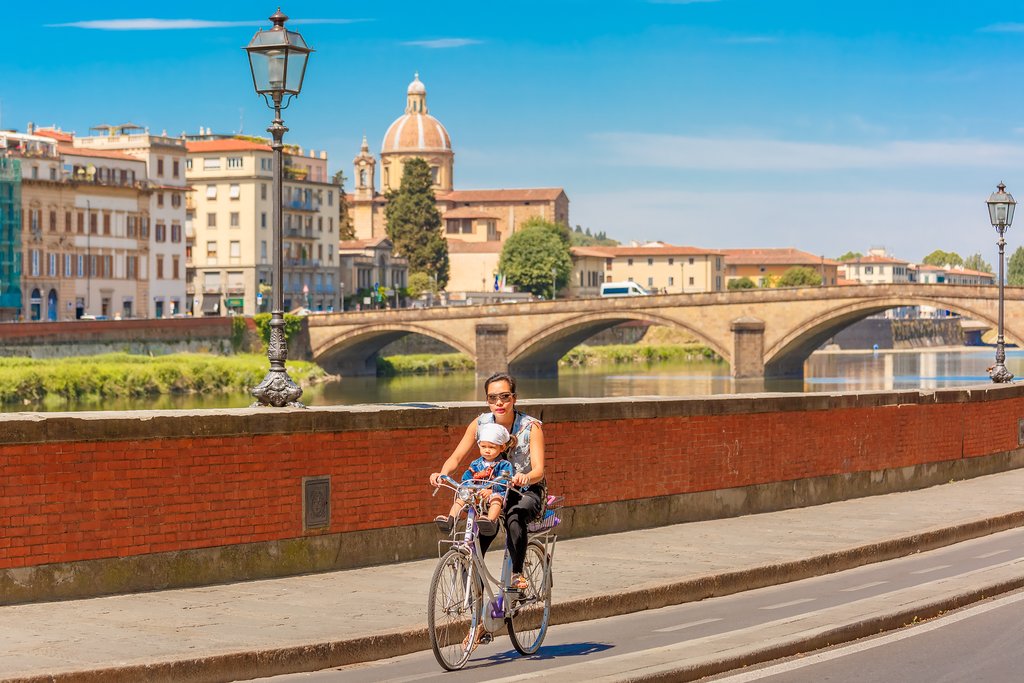
16. Curious Appetite: Craft Cocktail and Aperitivo Tour
The Negroni was invented in Florence in 1919. A guided tour of the city’s historic bars—like the legendary Harry’s Bar or the hidden Atrium Bar—is the best way to understand the ritual of the aperitivo.
17. Piazzale Michelangelo: The Iconic 2026 Sunset Shot
It’s a cliché for a reason. The panoramic view of the city as the sun dips behind the Tuscan hills is unmatched.
Insider Tip: Avoid the bus. Walk up through the Giardino delle Rose (Rose Garden) for a more scenic ascent, and bring a bottle of local Chianti to enjoy on the steps.
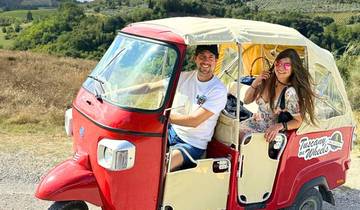
18. Sant’Ambrogio Market: Eating like a Florentine
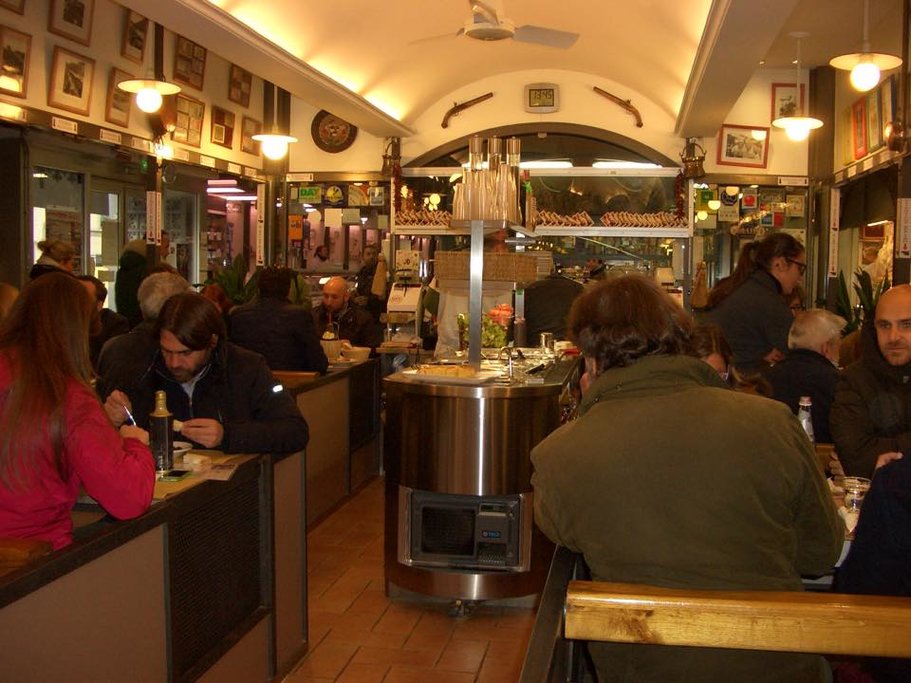
While the Mercato Centrale is great for a quick food-hall meal, Sant’Ambrogio is where the locals shop. Head to Da Rocco inside the market for a bowl of ribollita (Tuscan bread soup) served on communal marble tables. It’s loud, authentic, and incredibly affordable.
19. Teatro del Maggio Musicale Fiorentino
For a modern night out, head to this architectural marvel on the edge of the Cascine Park. It is one of the most technologically advanced opera houses in Europe. Seeing a Verdi opera here, surrounded by Florence’s high society, is a peak cultural experience.
Strategic Planning: Your 2026 Itinerary
Navigating Florence in 2026 requires more than just a map; it requires a strategy to manage energy and crowds. The "Museum Fatigue" is real, and the heat in July/August can be oppressive.
The 2026 Comparison Table
| Duration | Focus | Key Highlights |
|---|---|---|
| 1 Day (The Brutal Day) | Iconic Landmarks | Duomo, David, Uffizi (pre-booked), Sunset at Piazzale Michelangelo. |
| 3 Days (Recommended) | Art & Oltrarno | All 1-day items + Pitti Palace, Vasari Corridor, and Artisan Workshop tour. |
| 5 Days (Leisurely) | Deep-Dive & Beyond | All 3-day items + Fiesole day trip, Sant'Ambrogio Market, and a cooking class. |
How to Avoid the 2026 Crowds
- Stay in the Suburbs: Look for boutique stays in the northeastern suburbs like Campo di Marte. It’s only a 15-minute walk to the center, but the restaurants are half the price and twice as authentic.
- The 24-Hour Rule: Never wake up without your day’s major museum ticket already on your phone. Booking 24 hours in advance is the bare minimum for 2026.
- Embrace the Off-Season: Visit in January or February. The light is crisp, the air is cool, and you can actually hear your own footsteps in the Piazza della Signoria.
Practical Tips for the 2026 Traveler
- ETIAS Requirements: For US, UK, and Canadian citizens, remember that the ETIAS travel authorization is now fully mandatory for entry into the Schengen Area. Ensure yours is linked to your passport before departure.
- The Monday Rule: Most state-run museums (Uffizi, Accademia, Bargello) are traditionally closed on Mondays. Plan your "Monday" for the Duomo complex or private collections like Palazzo Strozzi, which remain open.
- Energy Management: Schedule one "Heavy Hitter" (like the Uffizi) in the morning and leave the afternoon for wandering or the passeggiata. Don't try to do two major galleries in one day.
FAQ
Q: Is the Vasari Corridor included in a standard Uffizi ticket?
A: No. It requires a specific "Vasari Corridor" ticket which includes a guided security escort due to the unique nature of the passageway.
Q: Do I need to book the Duomo climb in advance?
A: Absolutely. The Dome (Brunelleschi’s Cupola) often sells out weeks in advance. The Bell Tower is slightly easier to book but still requires a timed reservation.
Q: What is the best neighborhood for foodies?
A: Sant’Ambrogio for traditional market food, and the area around Piazza Santo Spirito for trendy bistros and natural wine bars.
Ready for your Florentine Adventure?
The New Renaissance is waiting. Whether you're peering through the hidden windows of the Vasari Corridor or sipping a Negroni in a 500-year-old piazza, Florence in 2026 offers a depth of experience that rewards the prepared traveler.