For decades, the map of Central and South America was defined by a handful of established titans—the Galápagos, Machu Picchu, the beaches of Rio. But as we look toward 2026, we are witnessing a tectonic shift in how the region is navigated and experienced. The prevailing theme of the year is "accessible remoteness": a deliberate effort to bridge the gap between high-end luxury and the continent’s most rugged, previously unreachable corners. From high-speed rail lines cutting through Panamanian jungles to the sophisticated culinary awakening of "forgotten" capitals, Latin America is no longer just a destination for the intrepid; it is the new frontier for the discerning traveler.
The best places to travel in Central and South America for 2026 include Asunción (Paraguay) for its culinary revival, Chiriquí (Panama) for its new high-speed rail connectivity, and Medellín (Colombia) for its massive "Wake" wellness and dining development. Travelers are flocking to the Chiriquí Province in Panama specifically because of the new 475-kilometer Panamá-David high-speed railway, which reduces the travel time from Panama City to under three hours. Meanwhile, luxury adventure seekers are targeting the new Tinajani Canyon safari camp in Peru and the expanded Inhotim art museum resort in Brazil, marking a year where high design meets high-altitude exploration.
1. Asunción, Paraguay: The Culinary Rise of the 'Least-Visited' Capital
Go for: A burgeoning dining scene and new pedestrian-friendly urban design.
For years, Paraguay remained the "island surrounded by land," often overlooked in favor of its neighbors, Brazil and Argentina. However, recent data suggests a dramatic shift: Paraguay recorded a significant 53% year-over-year increase in international tourist arrivals during the first quarter of 2025, a momentum that is reaching its peak in 2026. This isn't just about statistics; it’s about a city reinventing its identity.
The heart of this transformation is the Distríto Perseverancia, an ambitious elevated park and mixed-use urban project scheduled for completion in late 2025. It mirrors the high-line concepts of New York but with a subtropical, lush twist. This urban renewal has paved the way for a gastronomic rebirth. Restaurants like Pakuri, which utilizes indigenous ingredients in avant-garde ways, and the secretive Cocina Clandestina, have turned Asunción into a destination for serious "foodies" looking for the next frontier.
Traveler’s Insight: The Paraguayan government’s decision to extend the US visa waiver through 2027 has removed the final barrier for North American travelers, making 2026 the ideal window to visit before the crowds catch up.
How to plan it:
- Getting there: Major hubs in Lima and Bogotá offer daily connections.
- Best Time: May to September, when the humidity drops.
- Stay: The Factoria Hotel provides a blend of industrial history and modern luxury.
2. Chiriquí Province, Panama: High-Speed Rail Meets Pristine Marine Parks
Go for: Castaway vibes and seamless accessibility.
The most significant infrastructure project in Central American history, the 475-kilometer Panamá-David high-speed railway, is the primary reason Chiriquí is a 2026 favorite. Historically, reaching the wild Western frontier of Panama required a grueling seven-hour drive or an expensive domestic flight. By early 2026, the rail link will whisk travelers from the skyscrapers of Panama City to the misty highlands of Chiriquí in under three hours.
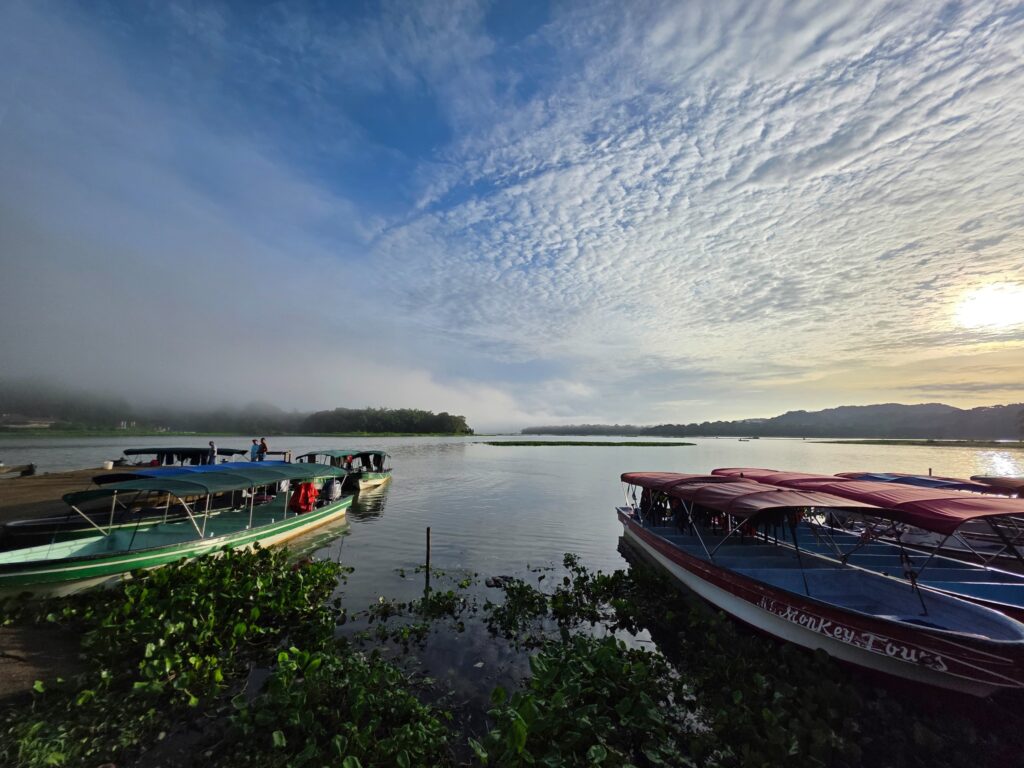
This connectivity opens up the Gulf of Chiriquí National Marine Park, a constellation of dozens of uninhabited islands that offer some of the best snorkeling and whale watching in the hemisphere. The trend here is "low-impact, high-style," exemplified by the expansion of Isla Palenque’s new villas, which are designed to disappear into the canopy. It is a masterclass in how Central America travel trends in 2026 are leaning toward infrastructure that respects the ecology it reveals.
How to plan it:
- Transport: Use the high-speed rail for a scenic transit; for immediate access, Enrique Malek International Airport remains the primary regional gateway.
- Highlight: Book a private boat to Isla Gámez for a private beach experience.
3. Medellín, Colombia: The Global Hub for Wellness and Urban Design
Go for: The massive 'Wake' development and innovative gastronomy.
Medellín has long been a darling of the travel world, but 2026 marks its transition from a digital nomad hotspot to a global capital for wellness and sophisticated urban design. The centerpiece of this shift is the $100-million "Wake" project. This isn't just a hotel; it’s a holistic ecosystem featuring a BioHotel, the high-concept Boro bistro, and dedicated wellness sanctuaries that integrate Paisa culture with modern therapy.
While the city's past is often referenced through its transformation of Comuna 13, the 2026 traveler is more interested in its future. The Medellín Cocktail Week in June 2026 is expected to draw the world's top mixologists, highlighting a local bar scene that now rivals London or New York. The city's connectivity has also improved; the Túnel de Oriente has slashed the commute from the international airport to the city center to a mere 45 minutes, allowing more time for exploration.
How to plan it:
- Connectivity: Direct flights from Miami and NYC are frequent and affordable.
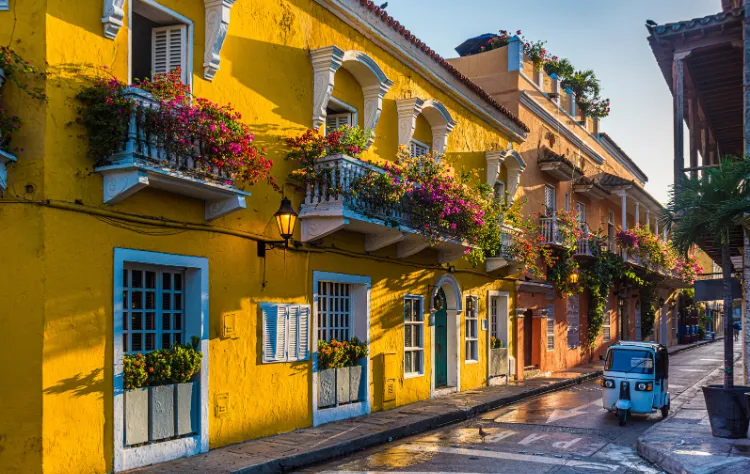
- Experience: Take a day trip to the colorful town of Guatapé, but stay overnight to avoid the midday tourist rush.
4. Costa Rica’s South Pacific Coast: The 'Whale’s Tail' Unplugged
Go for: Raw biodiversity and the return of the Envision Festival.
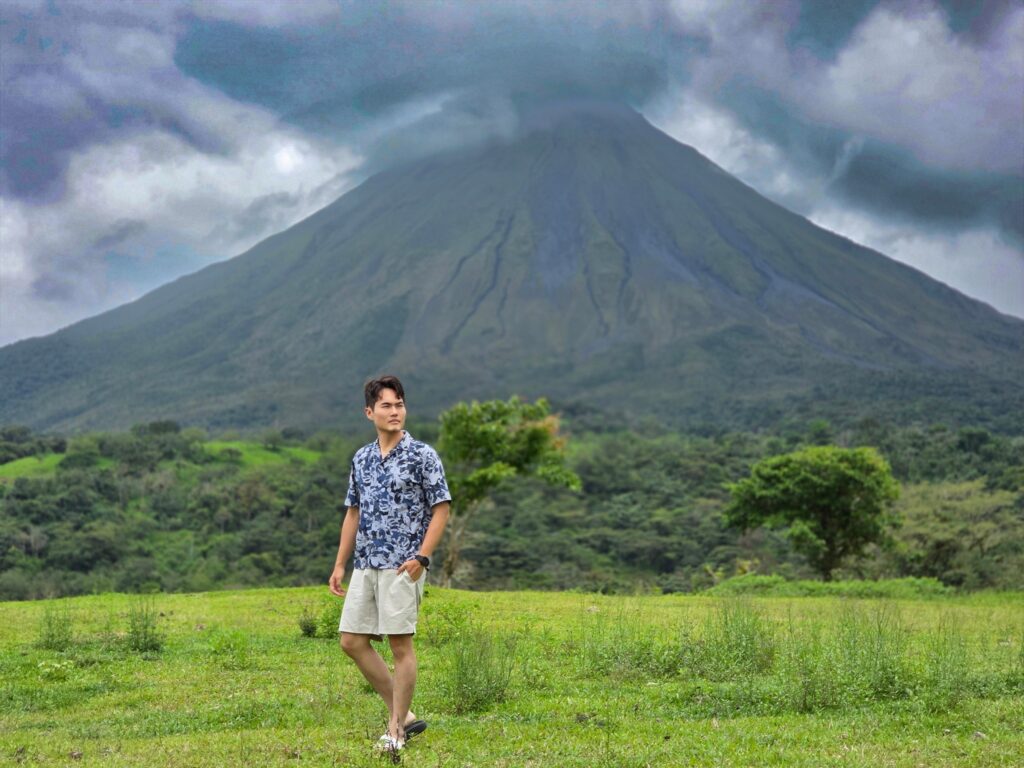
While Guanacaste and Manuel Antonio have their charms, the savvy 2026 traveler is heading south to the Osa Peninsula and the South Pacific coast. This region remains the "final frontier" of Costa Rican conservation. At the heart of it lies Corcovado National Park, which is estimated to contain a staggering 2.5% of the world's total biodiversity. In 2026, the park celebrates its 50th anniversary with new, limited-access trails designed to minimize human impact while maximizing wildlife sightings.
The hospitality scene here is evolving toward "extreme sustainability." The new Tibo treehouse bungalows, opening in early 2026, offer a luxury eco-resort experience where the structures are built using fallen timber and solar-integrated glass. This is where you come to unplug—literally—as many of the high-end lodges in the Uvita and Dominical areas are opting for "digital detox" zones to preserve the serenity of the Pacific coastline.
How to plan it:
- Getting Around: A 4x4 vehicle is still highly recommended for the South Pacific coast.
- Key Event: The Envision Festival in late February offers a unique blend of yoga, music, and permaculture.
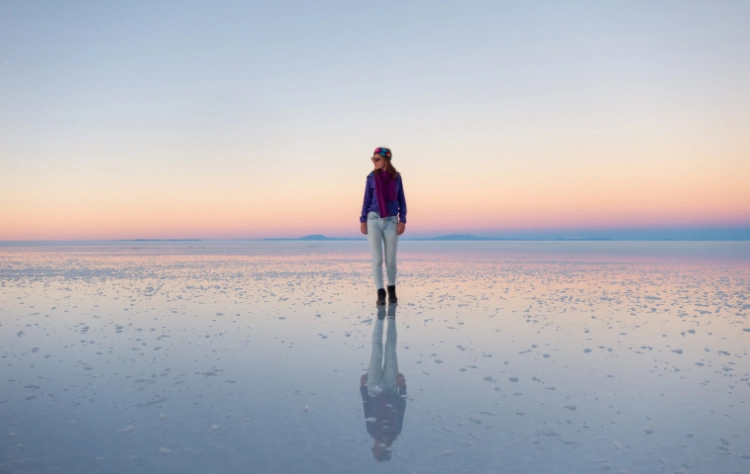
5. Potosí, Bolivia: Luxury Amidst the Salt Mirror
Go for: Design-forward stays in the world's largest salt flat.
Potosí and the adjacent Salar de Uyuni have traditionally been the domain of the rugged backpacker, willing to endure freezing nights in basic hostels for a glimpse of the "liquid mirror." In 2026, that narrative has changed. Bolivia is undergoing a high-end hospitality revolution, led by the opening of the Casa Gastón museum-hotel and a series of mountain lodges by the renowned Explora group.
The focus is now on "high-altitude comfort." Travelers can now traverse the salt flats in customized 4x4s with private chefs, staying in pods that resemble lunar outposts. For those seeking a challenge, the Ultra Bolivia Race in September 2026 offers one of the most visually stunning (and physically demanding) marathons on the planet, set against the backdrop of the stark white landscape.
How to plan it:
- Photography: To capture the "mirror effect," visit during the rainy season (February to May).
- Logistics: Fly into Uyuni (UYU) via La Paz for the most direct access.
6. Emerging Gems: Peru’s Red-Rock Wilderness and Brazil’s Art Haven
Beyond the headline-makers, two specific sites are demanding attention in 2026:
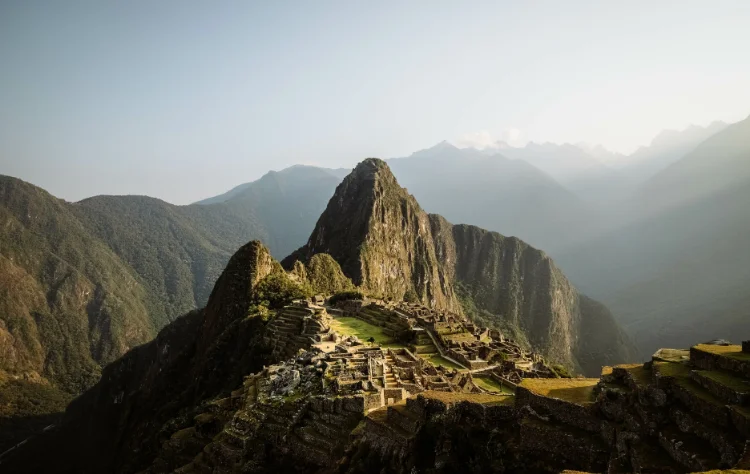
- Tinajani Canyon (Peru): Located in the Puno region, this "Cathedral of Stone" is seeing a rise in interest due to the opening of a new safari-style camp by Andean Adventures. It offers a rugged, surreal alternative to the crowded Inca Trail, with landscapes that look more like Mars than Earth.
- Minas Gerais (Brazil): 2026 marks the 20th anniversary of Inhotim, the world's largest open-air contemporary art museum. To celebrate, the new Clara Arte Resort has opened on-site, allowing guests to immerse themselves in world-class art and botanical gardens without the day-trip rush from Belo Horizonte.
2026 Travel Trends: Sustainability and Rail
The landscape of travel in the Americas is being reshaped by two core philosophies: Sustainability and Slow Travel.
We are seeing a move toward carbon-neutral beach destinations, such as the Inkaterra Cabo Blanco project in Northern Peru, which seeks to restore the marine ecosystem while providing a luxury experience. Furthermore, the success of Panama’s high-speed rail is sparking conversations about a "Pan-American Rail" revival, with luxury train journeys like the Belmond Andean Explorer and the upcoming Dream of the Desert in Chile offering a more contemplative way to see the continent.
| Destination | Best Month to Visit | Peak Season | Top Trend for 2026 |
|---|---|---|---|
| Asunción, Paraguay | July | June - August | Culinary Tourism |
| Chiriquí, Panama | January | Dec - April | Rail Exploration |
| Medellín, Colombia | August | Dec - Jan | Wellness & Design |
| Osa Peninsula, CR | February | Jan - May | Biodiversity |
| Salar de Uyuni, Bolivia | March (for mirror) | June - Aug (dry) | Luxury Adventure |
| Minas Gerais, Brazil | May | July | Contemporary Art |
Frequently Asked Questions (FAQ)
What is the safest country in South America for 2026? While safety can fluctuate, Uruguay and Chile consistently rank as the safest nations in terms of political stability and low crime rates. For 2026, Paraguay is also emerging as a very safe, stable alternative for travelers looking to avoid the crowds of larger capitals.
How does the new Panama high-speed rail impact travel times? The new Panamá-David high-speed railway reduces a journey that traditionally took 7 to 9 hours by car or bus down to approximately 2.5 to 3 hours. This makes the Chiriquí province a viable weekend destination for those based in Panama City.
When is the best time to visit the Uyuni Salt Flats for photography? For the famous "mirror effect" where the sky reflects on the ground, visit during the rainy season (February to April). If you prefer the stark, cracked-earth hexagonal patterns, visit during the dry season (June to October).
The shift we see in 2026 is one of intentionality. Travelers are no longer content with "seeing" a place; they want to understand its tectonic history, its culinary evolution, and its ecological pulse. Whether you are riding the rails through Panama or dining in the courtyards of Asunción, the continent offers a richness that is finally getting the sophisticated infrastructure it deserves.