In Bali, the words "south" and "secluded" are rarely uttered in the same sentence. If you’ve spent any time in the gridlock of Canggu or the neon-soaked streets of Seminyak, you might think the Island of the Gods has lost its soul to the Instagram queue. But after a decade of exploring the Indonesian archipelago, I’ve learned that the "real" Bali isn't gone; it’s just hidden behind a 500-step descent or a two-hour motorbike ride into the misty northern highlands.
To truly experience Bali in 2026, you have to be willing to trade the beach club for the jungle amphitheater. For a peaceful experience away from tourist hubs, we recommend bypassing the crowded Tegalalang for the vast Jatiluwih Rice Terraces, swapping the famous Tegenungan Waterfall for the multi-tiered Banyu Wana Amertha, or making the steep trek down to the pristine Nyang Nyang Beach in Uluwatu. The secret to an intimate experience lies in the timing: visiting during the shoulder or monsoon season (October to April) rewards you with lush, emerald landscapes and a fraction of the dry-season crowds.
Pro-Tip: Beating the Temple Queues To see Bali’s iconic spiritual sites like Pura Lempuyang or Tirta Empul without the four-hour wait for a photo, aim to arrive before 6:30 AM. Most tour buses don't arrive until 9:00 AM. Also, remember that these are active places of worship; always wear a sarong and respect the local etiquette.
I. The Untouched North & East: Nature Without the Queues
The further north you drive, the thinner the crowds become. The air cools as you ascend the central mountains, and the scent of incense is replaced by damp earth and blooming cloves. This is where we go when we need to breathe.
1. Jatiluwih Rice Terraces While Tegalalang is a selfie-stick minefield, Jatiluwih is a UNESCO World Heritage site that spans over 600 hectares. It’s the peaceful alternative where you can hike for hours without seeing another traveler. The entry fee is a modest 25,000 IDR (approx. $1.50), and the scale of the ancient subak irrigation system is staggering.
2. Banyu Wana Amertha Waterfall Located in the Bedugul region, this is actually four waterfalls in one jungle amphitheater. Because it’s a 90-minute drive from Ubud, it remains blissfully quiet. The mist-sheathed vistas here feel like a scene from Jurassic Park.
3. Sidemen Valley Often called the "Ubud of 30 years ago," Sidemen offers sustainable hiking through rice paddies with Mount Agung looming in the background. There are no fancy boutiques here—just raw, agricultural beauty and a handful of eco-lodges.
4. Menjangan Island Part of West Bali National Park, this is the island’s best-kept snorkeling secret. The waters are crystal clear, and you’re more likely to see a Javan rusa deer wandering the beach than a group of influencers.
5. Sekumpul Waterfall This is Northern Bali’s most powerful falls. It requires a challenging 40-minute trek, but the sight of the twin falls plunging through the jungle canopy is the ultimate reward for the physical effort.
6. Belimbing Rice Fields Even quieter than Jatiluwih, Belimbing offers a classic Balinese landscape in the west. It’s a photographer’s dream, especially during the golden hour when the light hits the palm-fringed terraces.
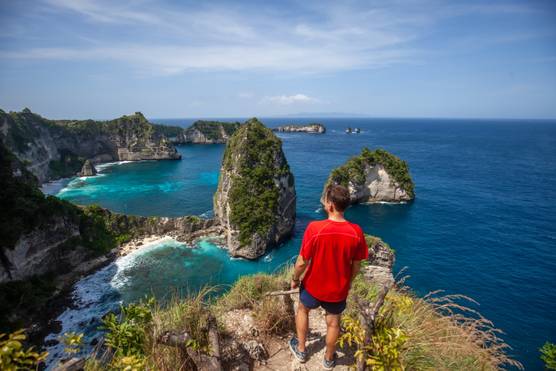
Popular Spot vs. Hidden Gem Alternative
| Popular Spot | Crowded With... | Hidden Gem Alternative | Why it's Better |
|---|---|---|---|
| Tegalalang | Tour buses & swings | Jatiluwih | Massive scale, peaceful hiking |
| Tegenungan | Day-trippers & cafes | Sekumpul | Raw power, adventurous trek |
| Kuta Beach | Surf schools & malls | Balian Beach | Volcanic sand, surf-minimalist |
| Ubud Market | Souvenir hunters | Sukawati Art Market | Local prices, authentic crafts |
II. Coastal Secrets: Hidden Sands & Cliffside Wonders
If you’ve lamented how overrun the main beaches have become, the southern cliffs of Uluwatu still hold secrets—provided you’re willing to sweat for them.
7. Nyang Nyang Beach Getting here requires a grueling 500-step trek down a limestone cliff, which acts as a natural filter for the crowds. Once you reach the bottom, you’ll find two kilometers of white sand and a few shipwrecked boats. It’s one of the few places in Bali where you can still feel like a castaway.
8. Suluban Beach Cave Accessible only at low tide, this "hidden" entrance leads to a cove tucked under a massive limestone arch. It’s the gateway to one of Bali's most famous surf breaks, but the cave itself remains a cool, shady respite from the sun.
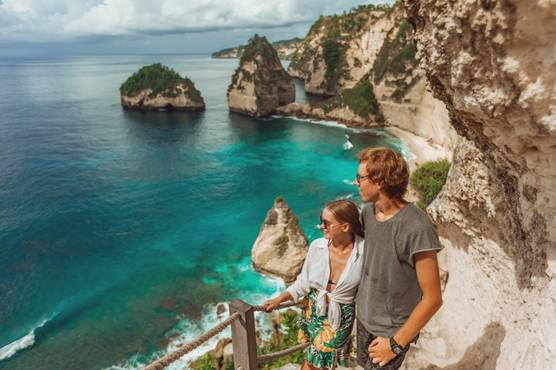
9. Pasir Putih (White Sand Beach) Hidden in East Bali near Candidasa, this beach is a pocket of paradise. A few local warungs serve grilled fish, but the lack of large resorts keeps the vibe mellow and low-key.
10. Nusa Ceningan Blue Lagoon While everyone flocks to Nusa Penida’s Kelingking Beach, cross the yellow bridge to Nusa Ceningan. The Blue Lagoon offers electric-blue water and cliff-jumping spots with significantly fewer people.
11. Balian Beach A two-hour drive west of Seminyak, Balian is where the "old Bali" surfers hang out. The black volcanic sand and the river mouth break offer a meditative atmosphere far removed from the beach clubs.
12. Gili Islands via Amed Instead of taking the crowded fast boat from Serangan, head to the fishing village of Amed. The crossing to the Gili Islands is shorter, and you can enjoy some of the island’s best shore-diving before you leave.
III. Culture & Spirit: Avoiding the 'Instagram' Lines
Cultural heritage is the heartbeat of Bali, but some sites have become victims of their own beauty. The key is to seek out the sites that require a bit more effort to reach.
13. Gunung Kawi Temple Dating back to the 11th century, these ten rock-cut shrines are carved directly into the cliff face. Reaching them requires a 300-step descent into a lush river valley. The physical effort keeps the casual tourists away, leaving you to explore the ancient moss-covered stones in silence.
14. Pura Lempuyang (The Sunrise Strategy) The "Gate of Heaven" is famous for its four-hour photo queue. To beat this, we recommend staying in nearby Amed the night before and arriving at the temple gates by 5:30 AM. Or, better yet, explore the other six temples on the mountain that most people skip.
15. Pura Ulun Danu Bratan This "floating" temple in Lake Bratan is iconic. To avoid the midday crowds, visit during the early morning mist when the lake is glass-calm and the mountain air is crisp.
16. Sukawati Art Market If you find the Ubud market too aggressive, Sukawati is where the locals shop. It’s quieter, cheaper, and offers a more authentic glimpse into Balinese craftsmanship.
17. Tirta Empul (Morning Rituals) This sacred water temple is a place of profound spirituality. Entry is roughly 90,000 IDR ($5.50). To truly feel the energy of the holy springs, join the locals for a purification ritual before 8:00 AM.
18. Taman Sari Water Palace In the far east of Bali lies this serene water palace. It’s rarely on the standard tour circuit, making it a perfect spot for quiet reflection among the lily ponds and stone bridges.
IV. Adrenaline & Adventure: Bali Off-Road
For those who prefer their travel with a side of adrenaline, Bali’s rugged interior offers challenges that the average tourist will never see.
19. Beji Guwang Hidden Canyon This isn't a casual stroll. You’ll be wading through waist-deep water and scaling slippery rocks with a local guide (cost is approx. $15). The reward is a stunning, narrow canyon with sculpted stone walls that feel prehistoric.
20. Mount Batur Sunrise Trek While popular, the trek is a rite of passage. For the clearest views and fewer crowds on the trail, aim for the dry season (May to September). Standing on the rim of an active volcano as the sun rises over the clouds is an experience that justifies the 3:00 AM wake-up call.
21. Tukad Cepung Waterfall Unlike open waterfalls, Tukad Cepung is hidden inside a cavern. When the sun hits a certain angle, light beams dance through the mist, creating a "natural light show" that looks like something out of a fantasy novel.
22. Ubud Monkey Forest (Sanctuary Focus) To navigate this 14th-century temple complex safely, keep your belongings zipped up and avoid eye contact with the macaques. Focus on the stunning Banyan trees and ancient statues in the deeper, quieter parts of the sanctuary.
23. Campuhan Ridge Walk This 1.2-mile paved trail offers views of the lush Wos River valley. It’s best at 6:00 AM before the heat and the crowds set in. It’s a great way to orient yourself to Ubud’s geography.
24. Kintamani Highlands Beyond the volcano viewpoints, the Kintamani region is incredible for mountain biking. You can cycle through ancient crater lakes and orange groves, finishing with a soak in the local hot springs.
V. The 2026 Bali Strategy: Timing and Logistics
As we look toward 2026, the logistics of navigating Bali are changing. The "shoulder seasons" (May, June, September, and October) remain the sweet spot for weather and crowd control.
When to Visit
- Dry Season (May-Sept): Best for trekking and surfing, but the popular spots are at capacity.
- Wet Season (Oct-Apr): The landscapes are at their most vibrant green. While it rains, it’s usually in short, heavy bursts. This is the best time for "crowd-dodgers" to visit.
Transportation Hacks For short hops in the south, apps like Grab or Gojek are indispensable for beating the traffic on a motorbike. However, for exploring the north and east, we highly recommend hiring a private driver for a day tour ($40-$60 USD). Not only does it support the local economy, but a local driver knows the "back roads" that Google Maps might miss.
Respect & Safety The "Bali Belly" is still a rite of passage for some, but you can avoid it by sticking to bottled water and high-turnover local warungs. Always carry a sarong in your bag for impromptu temple visits, and remember that a smile and a few words of Bahasa Indonesia go a long way in the rural villages.
Download Our Hidden Bali Map →
FAQ
What is the quietest month in Bali? January and February are traditionally the quietest months due to the peak of the monsoon season. If you don't mind the rain, you'll have even the most famous sites almost to yourself.
How much are entrance fees for major temples in 2026? Expect to pay between 25,000 IDR ($1.50) for smaller rice terraces and up to 90,000 IDR ($5.50) for major cultural sites like Tirta Empul. Always carry cash (IDR), as many rural sites do not accept cards.
How do I avoid tourist scams in Sanur or Seminyak? Always use "Blue Bird" taxis or the Gojek/Grab apps to ensure fair pricing. Be wary of "guides" who offer unsolicited help at temple entrances; legitimate guides will usually have official ID and a set price list.
Bali is changing, but its magic is still there if you're willing to go the distance. Whether it's the 300 steps down to an 11th-century temple or a misty morning in the Kintamani highlands, the best parts of the island are waiting for those who look beyond the crowds. See you out there.